Can You Put Shrimp in With Betta Fish The Full Guide

You can put shrimp in with betta fish, but success depends on temperament, tank setup, and species choice. Cherry shrimp and bamboo shrimp often work best with proper hiding spots and careful introduction. Follow our guide for peaceful coexistence and happy tank mates.
Key Takeaways
- Choose compatible shrimp species: Cherry shrimp and bamboo shrimp usually coexist well with bettas
- Provide plenty of hiding spots: Plants and decorations give shrimp safe retreats during molting
- Monitor tank behavior: Watch for aggression during the first few weeks of introduction
- Maintain proper water parameters: Stable conditions reduce stress for both species
- Feed adequately: Well-fed bettas are less likely to chase shrimp
- Start with a larger tank: More space reduces territorial conflicts significantly
📑 Table of Contents
- Can You Put Shrimp in With Betta Fish The Full Guide
- Understanding Betta Temperament and Behavior
- Best Shrimp Species for Betta Tanks
- Shrimp Species Comparison
- Tank Setup for Peaceful Coexistence
- Introduction Process and Timing
- Feeding and Diet Management
- Common Mistakes to Avoid
- Expert Insights on Compatibility
- Alternative Tank Mates and Considerations
- Maintenance and Long-Term Care
- Conclusion
Can You Put Shrimp in With Betta Fish The Full Guide
Many fish keepers dream of a beautiful aquarium with betta fish and shrimp. The colors and movement create a stunning underwater scene. But can you put shrimp in with betta fish safely? The answer depends on several factors that every aquarist should understand.
Bettas have unique personalities. Some are peaceful, while others show aggressive behavior toward small tank mates. Shrimp add activity and help keep the tank clean. However, bettas see small creatures as potential food. You need the right setup and knowledge to make this work.
This guide covers everything you need to know. We will discuss species compatibility, tank setup, and proven strategies. By the end, you will feel confident about adding shrimp to your betta tank. Remember that every betta has individual traits. What works for one aquarium might not work for another.
Take your time reading this guide. Rushing into a new tank setup often leads to problems. Proper preparation saves both fish and shrimp. Let us explore the details together.
Understanding Betta Temperament and Behavior
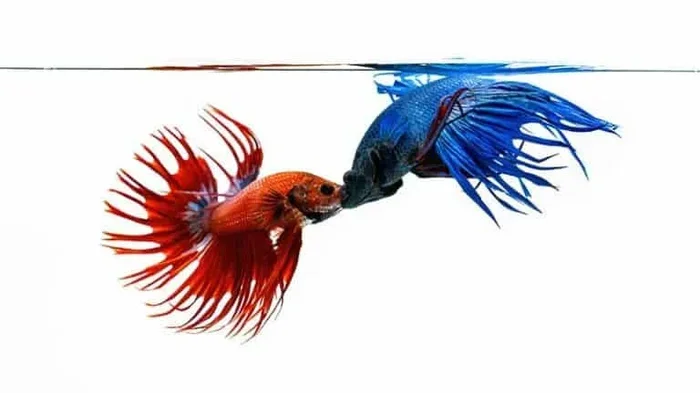
Bettas are not always the aggressive fish people think. Male bettas fight with other males, but they can live peacefully with proper tank mates. Female bettas often do better in groups. Your betta’s personality matters most when choosing shrimp companions.
Some bettas ignore shrimp completely. Others chase anything that moves. Watch your fish for a few days before adding shrimp. Look for signs of curiosity versus aggression. A betta that flares at everything will not make a good shrimp roommate.
Betta aggression varies by individual. Some fish are lazy and ignore tank mates. Others are active hunters. The betta fish behavior you see daily tells you everything. If your betta attacks decorations or glass, expect problems with shrimp.
Consider the betta’s origin and breeding history. Wild bettas behave differently than captive-bred fish. Selective breeding has changed temperaments over generations. Some bettas are calmer while others remain feisty. Know your fish before adding new companions.
Best Shrimp Species for Betta Tanks
Not all shrimp work with bettas. Choose species that match your betta’s temperament and tank size. Shrimp compatibility depends on size, color, and activity level. Bright colored shrimp often trigger hunting instincts.
Cherry Shrimp
Cherry shrimp stay small and colorful. They grow to about 1.5 inches. These shrimp breed easily in warm water. Bettas often leave them alone because of their dull color compared to the betta. Cherry shrimp make excellent tank mates for peaceful bettas.
Cherry shrimp also help clean the tank. They eat algae and leftover food. This reduces your cleaning schedule. However, bettas might eat baby cherry shrimp. This is natural and keeps populations controlled.
Cherry shrimp come in many colors. Red is most common, but blue and yellow varieties exist. Choose healthy shrimp with bright coloration. Avoid shrimp with white spots or lethargic movement.
Bamboo Shrimp
Bamboo shrimp filter feed instead of scavenging. They stay in one place eating algae. Bettas usually ignore them. However, bamboo shrimp need strong filtration and mature tanks. They are larger than cherry shrimp and less likely to be seen as food.
These shrimp need established aquariums with biofilm. New tanks do not work well. Wait at least six weeks before adding bamboo shrimp. They also need moderate water flow to catch food particles.
Bamboo shrimp are peaceful filter feeders. They do not bother bettas or other fish. Their unique feeding behavior fascinates many keepers. Watch them wave their fans to catch food from the current.
Ghost Shrimp
Ghost shrimp remain transparent and small. They cost less and work as test subjects. If your betta leaves ghost shrimp alone, other species might work too. Ghost shrimp breed quickly and provide easy food for curious bettas.
Many keepers use ghost shrimp to test betta temperament. If your betta hunts ghost shrimp aggressively, avoid other species. If the betta ignores them, you have options. Ghost shrimp also clean up debris from the substrate.
Ghost shrimp are inexpensive and easy to find. They serve as excellent indicators of water quality. Sensitive to pollution, they show stress quickly. Use them to test your tank before adding expensive shrimp.
Shrimp Species Comparison
| Species | Size | Best For | Risk Level |
|---|---|---|---|
| Cherry Shrimp | 1.5 inches | Beginners | Low |
| Bamboo Shrimp | 3-4 inches | Large tanks | Low |
| Ghost Shrimp | 1.5 inches | Testing betta | Medium |
Tank Setup for Peaceful Coexistence
A proper setup makes all the difference. Cramped tanks cause stress and aggression. The right environment helps both species thrive. Focus on space, decorations, and water quality.
Tank Size Requirements
Use at least a 10-gallon tank for betta and shrimp. More space means less territorial behavior. Bettas need about 5 gallons alone, so add space for shrimp. A 20-gallon tank works even better for mixed communities.
Larger tanks dilute aggression. Bettas defend territories, but big spaces give shrimp room to escape. Avoid tanks under 5 gallons for this combination. Small bowls create constant stress for both inhabitants.
Consider the bioload when adding shrimp. More inhabitants mean more waste. Upgrade your filter accordingly. Overcrowding leads to poor water quality and disease.
Hiding Spots and Plants
Add plenty of plants and decorations. Live plants provide natural cover. Shrimp hide during molting when they are vulnerable. Java moss and hornwort work great for shelter.
Driftwood and rocks create additional hiding places. Shrimp feel safe when they can disappear from view. This reduces stress and improves coloration. Make sure decorations have gaps small enough for shrimp to enter.
Plants also help maintain water quality. They absorb nitrates and produce oxygen. Live plants create a natural environment that reduces stress. Choose plants that thrive in betta water parameters.
Water Parameters
Keep water between 78-80°F for bettas. Shrimp need stable parameters. Test ammonia, nitrite, and nitrate weekly. Sudden changes stress both species. Shrimp are sensitive to water quality fluctuations.
Maintain pH between 6.5 and 7.5. Both species prefer slightly acidic to neutral water. Use a reliable heater and filter. Regular water changes keep parameters stable. Shrimp molting succeeds better in clean water.
Invest in a good test kit. Accurate readings prevent disasters. Monitor temperature daily during the first week. Stability matters more than perfect numbers.
Introduction Process and Timing
How you introduce shrimp matters greatly. Rushing this step causes problems. Patience during the first weeks determines success. Follow a careful process for best results.
Acclimate Slowly
Float the shrimp bag for 15 minutes. Add small amounts of tank water every 10 minutes. This prevents shock from temperature or pH differences. Drip acclimation works even better for sensitive shrimp.
Never dump shrimp directly into the tank. The sudden change in water chemistry causes stress. Slow adaptation helps shrimp adjust to new conditions. This simple step reduces mortality rates significantly.
Consider using a quarantine tank first. This isolates new shrimp from diseases. Observe them for two weeks before main tank introduction. Healthy shrimp adapt better to new environments.
Observe Closely
Watch interactions for the first hour. Some chasing is normal. Continuous aggression means separation. Use a breeder box if needed for gradual introduction. This lets both species get used to each other’s scent.
Keep lights dim during introduction. Bright lights stress both fish and shrimp. Monitor for the first 48 hours closely. Remove aggressive individuals immediately if attacks occur.
Take breaks if things get too intense. Sometimes separating them for a day helps. Reset and try again with fresh eyes. Patience prevents unnecessary losses.
Feeding and Diet Management
Well-fed bettas hunt less. Offer high-quality pellets twice daily. Include frozen or live food occasionally. A full betta pays less attention to shrimp. This simple strategy reduces predation risk.
Supplemental Feeding for Shrimp
Shrimp eat algae and leftover food. Add algae wafers or blanched vegetables. This ensures shrimp get enough nutrition without competing with betta food. Spinach and zucchini work well for most aquarium shrimp.
Feed shrimp food in different areas of the tank. This gives shrimp safe access to food. Betta pellets sink slowly, but shrimp need food too. Consider dedicated shrimp feeding stations.
Feeding Schedule
Feed betta in the morning and evening. Remove uneaten food after five minutes. This keeps water clean and reduces competition. Shrimp eat throughout the day when bettas sleep.
Consistent schedules reduce aggression. Hungry bettas become territorial. Regular feeding keeps everyone calm. Watch shrimp during feeding to ensure they eat enough.
Common Mistakes to Avoid
Many beginners make errors that cause shrimp loss. Learning from others saves time and money. Avoid these common pitfalls for better results.
Too Small a Tank
Small tanks increase aggression. Bettas defend territory more in cramped spaces. Always choose larger tanks for mixed communities. A 10-gallon minimum gives everyone room to breathe.
Overcrowding causes stress for all inhabitants. Shrimp need hiding spots that small tanks cannot provide. Give each species adequate space to establish territory. This prevents constant confrontations.
Ignoring Signs of Stress
Hiding shrimp or clamped fins mean trouble. Check water quality immediately. Remove aggressive fish if needed. Early intervention saves lives.
Watch for rapid gilling or erratic swimming. These signs indicate poor water conditions. Test parameters when you notice unusual behavior. Stress makes shrimp susceptible to disease.
Wrong Shrimp Species
Large shrimp like Amano shrimp might work. But some species trigger hunting instincts. Research each species before adding. Bright colored shrimp attract betta attention.
Avoid shrimp that look like betta food. Small, bright red or orange shrimp often get hunted. Choose species that blend with decorations. Dull colors help shrimp stay safe.
Expert Insights on Compatibility
Experienced keepers share valuable advice. Many aquarists successfully keep bettas with shrimp using these methods. Real-world experience provides the best guidance.
Patience Wins
Success takes time. Some bettas need weeks to accept tank mates. Do not give up after one day. Observation over several weeks gives accurate results.
Each introduction is unique. Some bettas accept shrimp immediately. Others need months to calm down. Give your fish time to adjust. Rushing leads to unnecessary losses.
Individual Personality Rules
No two bettas behave the same. What works for one tank might fail in another. Observe and adapt your approach. Flexibility ensures long-term success.
Some bettas treat shrimp as roommates. Others see them as snacks. Know when to separate species. The safety of shrimp sometimes means different tanks.
Alternative Tank Mates and Considerations
If shrimp do not work, consider other options. Other peaceful fish might suit your betta better. Guppies and corydoras often work well.
Guppies add color without much risk. However, guppy fins might trigger betta aggression. Choose short-finned varieties for safety. Always quarantine new fish before adding them.
Consider snails as alternative tank mates. They clean algae without competing with bettas. Mystery snails and nerite snails work well. They are too large for bettas to eat.
Research each potential tank mate carefully. Compatibility charts help but are not perfect. Your specific betta decides what works. Observe interactions before committing to permanent additions.
Maintenance and Long-Term Care
Regular maintenance keeps the community healthy. Weekly water changes remove waste buildup. Vacuum the substrate to remove debris. Clean filters monthly without disturbing beneficial bacteria.
Test water parameters every week. Stable conditions prevent disease outbreaks. Watch shrimp for signs of illness. Isolate sick individuals immediately. Healthy shrimp display active movement and good appetite.
Trim plants regularly to maintain swimming space. Remove dead leaves that decay and pollute water. Balance plant growth with open swimming areas. This benefits both bettas and shrimp.
Check equipment weekly. Filters and heaters need regular inspection. Broken equipment causes parameter crashes. Preventive maintenance saves lives and money.
Conclusion
Putting shrimp in with betta fish creates a beautiful aquarium. Choose compatible species and provide hiding spots. Monitor behavior closely during the first weeks. Most bettas ignore shrimp when properly fed and housed. Start with a 10-gallon tank and cherry shrimp for best results. Your patience will reward you with a thriving planted aquarium. Remember that successful communities require ongoing observation and care. Enjoy the process of watching these fascinating creatures interact.
Frequently Asked Questions
Can all betta fish live with shrimp?
No, not all bettas get along with shrimp. Personality varies between individual fish. Some bettas ignore shrimp completely while others hunt them. Start with a test period and watch closely.
What shrimp species work best with bettas?
Cherry shrimp and bamboo shrimp usually do well. Ghost shrimp work as inexpensive test subjects. Avoid large or colorful shrimp that might trigger aggression.
How many shrimp can I keep with one betta?
Start with 5-6 cherry shrimp in a 10-gallon tank. More shrimp means more hiding options. Watch for stress signs and adjust numbers if needed.
Will my betta eat the shrimp?
Some bettas will eat small shrimp. Well-fed bettas hunt less. Provide plenty of hiding spots and monitor feeding times closely.
Do shrimp need special care with bettas?
Shrimp need stable water parameters and hiding places. They molt regularly and feel vulnerable during this time. Plants and decorations help them feel safe.
Can I add shrimp to a betta tank immediately?
No, always acclimate shrimp slowly. Float the bag and drip acclimate for best results. Observe behavior for several hours after introduction.