How Big Is the Biggest Betta Fish
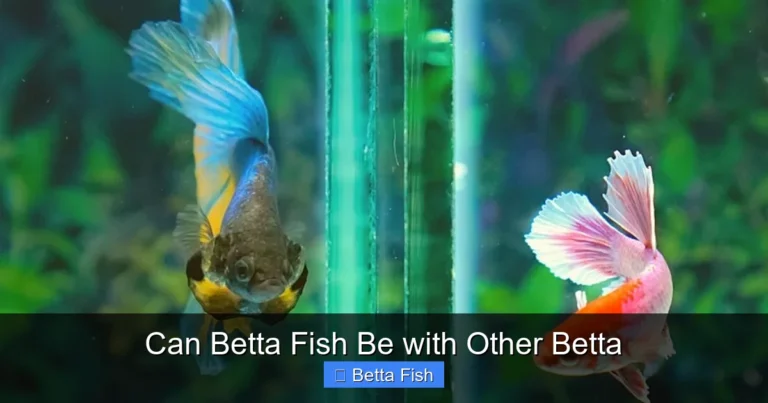
The biggest betta fish can reach up to 3 inches in body length, with some rare breeds and exceptional care routines pushing growth even further. Understanding betta fish size depends on breed, diet, tank conditions, and genetics. Whether you own a king betta or a standard plakat, this guide covers everything you need to know about maximizing your fish’s growth potential.
Key Takeaways
- Maximum Size: The biggest betta fish can grow up to 3 inches in body length, with fins adding several more inches.
- Breed Matters: King bettas and giant betta variants are the largest breeds available.
- Tank Size Impact: A proper tank size for betta fish directly affects growth and health.
- Diet Plays a Role: High-quality food and proper feeding schedules promote optimal growth.
- Water Conditions Count: Maintaining the right temperature and pH levels supports healthy development.
- Genetics Are Key: Some bettas are simply bred to be larger, and no tank can override genetic limits.
- Lifespan Connection: Larger, well-cared-for bettas often live longer, reaching their full betta fish lifespan potential.
📑 Table of Contents
- How Big Is the Biggest Betta Fish?
- Understanding Betta Fish Size Basics
- The Largest Betta Fish Breeds
- How Tank Size Affects Betta Growth
- Diet and Nutrition for Maximum Growth
- Water Conditions and Their Role in Betta Size
- Can You Make Your Betta Fish Bigger?
- Common Mistakes That Limit Betta Growth
- The Connection Between Size and Health
- Expert Insights on Betta Size
- Conclusion
How Big Is the Biggest Betta Fish?
If you have ever wondered how big is the biggest betta fish, you are not alone. This question pops up in fish forums, pet stores, and aquarium clubs all the time. The answer might surprise you. Most pet store bettas sit around 2 to 3 inches in body length. But under the right conditions, some bettas push past that range and become truly impressive specimens.
The biggest betta fish ever recorded stretched close to 3 inches from nose to tail. That might not sound huge compared to a goldfish. But for a fish that fits in the palm of your hand, 3 inches is remarkable. Add in the flowing fins of a halfmoon or crown tail, and the overall size picture changes dramatically.
So what makes some bettas bigger than others? The answer lies in a mix of breed, care, diet, and genetics. Let us break it all down so you understand exactly what drives betta fish size and how you can help your fish reach its full potential.
Understanding Betta Fish Size Basics
Before diving into the largest breeds, it helps to understand what “size” means for a betta. When people ask about how big is the biggest betta fish, they usually mean body length. But fins play a big role too. A crown tail betta with long, flowing fins can look twice as large as its actual body length.
Here are the basic size benchmarks for most betta fish:
- Average body length: 2 to 3 inches
- Average total length (with fins): 3 to 4 inches
- Largest recorded body length: Nearly 3 inches
- Largest total length (fins included): Up to 5 inches or more
Keep in mind that female bettas tend to be slightly smaller than males. Males have longer fins and more vibrant colors, which adds to their visual size. Females have shorter fins and a more compact body shape.
What Affects Betta Fish Growth?
Several factors determine how large your betta will grow. These are the main drivers:
- Genetics: Some bloodlines produce larger fish. If the parents were big, the babies have a better chance of growing large too.
- Diet: High-protein food fuels growth. Bettas are carnivores by nature, so they need meat-based nutrition.
- Tank Size: A cramped tank stunts growth. A proper fish tank for betta gives them room to thrive.
- Water Quality: Clean, warm water keeps stress low and supports healthy development.
- Age: Bettas reach full size by about 6 to 12 months old.
The Largest Betta Fish Breeds
Not all bettas are created equal when it comes to size. Certain breeds stand out as the giants of the betta world. If you want a larger fish, choosing the right breed is your first step.
King Betta Fish
The king betta is often considered the largest domestic betta breed. These fish were specifically bred for size and fighting heritage. King bettas commonly reach 2.5 to 3 inches in body length. Their fins are shorter than show bettas, which gives them a more streamlined, powerful look.
King bettas are hardy and active swimmers. They do well in slightly larger tanks and respond well to a protein-rich diet. If you are looking for a big, strong betta, the king betta is a top choice.
Giant Betta Fish
Giant bettas are a selectively bred variant that pushes the size limits even further. Breeders in Southeast Asia have worked for years to develop these larger fish. Some giant bettas exceed 3 inches in body length, making them the true heavyweight champions of the betta world.
Giant bettas are still relatively rare. You may need to find a specialized breeder to get one. They are worth the effort if you want a showpiece fish that stands out in any betta fish tank.
Halfmoon and Crown Tail Betta
While not the largest in body length, halfmoon and crown tail bettas win the visual size contest. Their massive, flowing fins can double their apparent size. A halfmoon betta with fins fully spread can span 4 to 5 inches from tip to tip.
These breeds are popular in the aquarium hobby for their dramatic appearance. Their fins do not add to body mass, but they absolutely add to the overall impression of size.
How Tank Size Affects Betta Growth
One of the most overlooked factors in betta growth is tank size. Many people keep bettas in tiny bowls or cups. While a betta can survive in a small container, it will not thrive or reach its full size. A proper aquarium setup makes a real difference.
Here is a quick look at how tank size relates to betta growth:
- 2.5-gallon tank: Minimum acceptable size. Growth may be slightly limited.
- 5-gallon tank: Ideal for most bettas. Supports healthy growth and exercise.
- 10-gallon tank or larger: Best for giant breeds or breeding setups.
If you want your betta to reach its maximum size, give it room to move. A bigger tank for betta fish provides better water quality, more swimming space, and less stress. All of these factors contribute to healthier, larger fish.
You should also consider tank setup carefully. Heaters, filters, and hiding spots all play a role in creating an environment where your betta can grow to its full potential.
Diet and Nutrition for Maximum Growth
What you feed your betta directly impacts how big it can get. In the wild, bettas eat insects, larvae, and small crustaceans. Their digestive systems are built for a high-protein diet. Replicating this in captivity is the key to maximizing growth.
Best Foods for Growing Betta Fish
Here are the top food choices that support healthy betta growth:
- Betta pellets: Look for high-protein formulas with at least 35% protein content. These should be the staple of your betta’s diet.
- Frozen or live brine shrimp: A protein-packed treat that encourages growth and adds variety.
- Bloodworms: Rich in nutrients and highly appealing to most bettas. Use as a supplement, not the main food.
- Daphnia: A natural food source that aids digestion and provides essential nutrients.
Feeding schedules matter too. A consistent routine of 2 to 3 small meals per day works best. Overfeeding leads to bloating and health problems, which can actually stunt growth. Loss of appetite in bettas is often a sign of poor water conditions or illness, so watch for changes in feeding behavior.
Quick Feeding Tips
- Feed only what your betta can eat in 2 minutes.
- Skip one feeding day per week to support digestion.
- Rotate between pellets, frozen foods, and live foods for balanced nutrition.
- Avoid feeding bread, crackers, or other human foods.
Water Conditions and Their Role in Betta Size
Clean, properly maintained water is essential for betta growth. Poor water quality leads to stress, disease, and stunted development. Your betta fish tank needs the right parameters to support healthy growth.
Key Water Parameters
- Temperature: Keep the water between 78°F and 80°F. A proper temperature for betta fish supports metabolism and growth.
- pH Level: Aim for a pH between 6.5 and 7.5. Stable pH reduces stress and promotes healthy development.
- Ammonia and Nitrite: Keep both at 0 ppm. Even trace amounts can harm your fish and slow growth.
- Nitrate: Keep below 20 ppm through regular water changes.
Regular water changes (about 25% every week) make a huge difference. A well-maintained tank allows your betta to focus its energy on growing rather than fighting off illness. If you notice your betta acting differently, check the water parameters first. Sometimes behavioral changes like lethargy or hiding are linked to poor water quality.
Can You Make Your Betta Fish Bigger?
This is one of the most common questions betta owners ask. The honest answer is: you can support healthy growth, but you cannot override genetics. If your betta comes from a line of small fish, it will likely stay small no matter what you do.
That said, here are proven ways to help your betta reach its natural maximum size:
- Start with a good breed: Choose a king betta or giant variant if size is your goal.
- Provide a spacious tank: At least 5 gallons, ideally 10 gallons or more.
- Feed a high-protein diet: Quality pellets supplemented with frozen or live foods.
- Maintain pristine water: Regular testing and weekly water changes.
- Keep stress low: Avoid aggressive tankmates and provide plenty of hiding spots.
- Monitor health: Watch for signs of illness and address problems early.
Following these steps gives your betta the best possible environment for growth. You will also notice improvements in color and energy levels. Many owners report that their bettas become more vibrant and active once water conditions and diet are optimized. If you want to enhance your fish’s natural beauty, check out tips on enhancing betta fish color.
Common Mistakes That Limit Betta Growth
Many well-meaning betta owners accidentally hold their fish back. Here are the most common mistakes to avoid:
- Keeping bettas in bowls: Bowls lack filtration and heating, both of which are essential for growth.
- Overfeeding: Too much food causes bloating and water quality issues. Feed small amounts consistently.
- Ignoring water changes: Dirty water stresses your fish and weakens its immune system.
- Wrong tankmates: Aggressive fish cause chronic stress, which limits growth and shortens betta fish lifespan.
- Skipping heater use: Cold water slows metabolism and prevents proper growth.
Avoiding these mistakes sets your betta up for success. A healthy, well-cared-for betta will grow to its natural size and live a full, vibrant life.
The Connection Between Size and Health
A larger betta is often a healthier betta. When fish have room to swim, clean water, and proper nutrition, they develop strong immune systems and vibrant colors. On the flip side, a stunted or undersized betta may be showing signs of neglect or illness.
If your betta seems smaller than expected, check the following:
- Water parameters (ammonia, nitrite, nitrate, pH, temperature)
- Diet quality and feeding frequency
- Tank size and setup
- Signs of disease or parasites
- Stress from tankmates or environment
Sometimes a small betta is just a young betta. Bettas continue growing for several months. Patience and consistent care will reward you with a healthy, well-sized fish over time.
Expert Insights on Betta Size
Experienced betta breeders and aquarists agree on a few key points about size. First, genetics set the ceiling. Second, environment determines how close your fish gets to that ceiling. Third, patience is essential. Bettas need time to reach their full size, and rushing the process with poor care does more harm than good.
Many breeders recommend starting with a quality fish from a reputable source. A betta fish price in the Philippines can vary widely depending on breed and size, but investing in a well-bred fish pays off in growth potential and overall health.
Remember that every betta is an individual. Even within the same breed, some fish will naturally grow larger than others. Focus on providing the best care possible and let your fish do what it is genetically programmed to do.
Conclusion
How big is the biggest betta fish? The answer is around 3 inches in body length, with some giant breeds pushing slightly beyond that. But size is only one part of the picture. A well-cared-for betta with proper tank conditions, a nutritious diet, and clean water will be a happier, healthier, and more impressive fish overall.
Whether you are chasing the largest possible betta or simply want your fish to reach its natural potential, the steps are the same. Give your betta a spacious tank, feed it well, keep the water clean, and monitor its health. These basics never go out of style. Your betta will thank you with vibrant colors, active behavior, and a long, fulfilling life in your care.
Start applying these tips today. Your betta fish will grow stronger, bigger, and more beautiful with every small improvement you make to its environment and routine.
Frequently Asked Questions
What is the largest betta fish breed?
The king betta and giant betta are the largest breeds. King bettas commonly reach 2.5 to 3 inches in body length, while giant bettas can exceed 3 inches. These breeds are specifically developed for size through selective breeding programs.
Can betta fish grow larger than 3 inches?
In rare cases, yes. Giant betta variants have been known to exceed 3 inches in body length. However, 3 inches is the general upper limit for most domestic bettas. Fins can add several more inches to the overall appearance.
Does tank size really affect betta growth?
Yes, tank size has a direct impact on growth. A cramped tank limits exercise and increases stress, both of which can stunt development. A tank of at least 5 gallons is recommended for healthy betta growth. Larger tanks provide even better conditions for reaching maximum size.
How can I make my betta fish grow bigger?
You cannot change your betta’s genetics, but you can support healthy growth. Provide a spacious tank, feed a high-protein diet, maintain clean water, and keep stress levels low. These steps help your betta reach its natural maximum size.
Why is my betta fish smaller than expected?
Several factors can cause a small betta. Poor diet, inadequate tank size, low water quality, and illness can all limit growth. Young bettas may also simply need more time to reach their full size. Check water parameters and diet first if you are concerned about size.
How long does it take for a betta fish to reach full size?
Most bettas reach their full body size by 6 to 12 months of age. Growth slows significantly after the first year. Fins may continue to develop and fill out during this time, adding to the overall appearance of the fish.