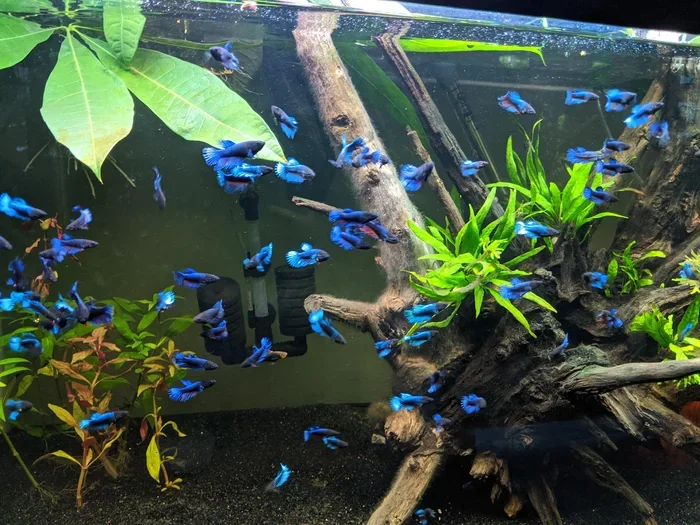
Can You Put Multiple Betta Fish Together Without Fighting
Can you put multiple betta fish together safely? Yes, but only with the right gender mix, enough space, and plenty of hiding spots. This guide covers sororities, dividers, tank mates, and common mistakes so you can enjoy a calm, colorful aquarium.
Betta fish are famous for their bright colors and bold personalities. Many keepers wonder can you put multiple betta fish together without turning the tank into a battlefield. The short answer is yes, but it takes planning, the right equipment, and a good understanding of betta behavior.
In this article you will learn why bettas fight, how to set up a female sorority, when dividers are the best choice for males, which community fish make safe neighbors, and the most common mistakes that lead to torn fins and stressed fish. By the end you will have a clear checklist for a peaceful multi‑betta aquarium.
Key Takeaways
- Gender matters: Female bettas can live in groups called sororities; males must stay separated.
- Tank size is critical: Minimum 20 gallons for a sorority, 10 gallons per male with a divider.
- Dividers stop fights: Opaque, secure dividers let males share a tank without seeing each other.
- Hiding spots reduce stress: Plants, caves, and driftwood give each fish a territory.
- Choose peaceful tank mates: Small schooling fish, snails, and shrimp work well with bettas.
- Watch water parameters: Stable temperature, pH, and clean water prevent aggression spikes.
- Introduce slowly: Acclimate new fish and monitor for fin nipping or chasing.
📑 Table of Contents
Why Betta Fish Fight
Territorial Instincts
Bettas are naturally territorial. In the wild a male claims a small patch of water and defends it fiercely. That instinct remains strong in captivity. When two males see each other they flare, chase, and bite.
Visual Triggers
Even a reflection on the glass can trigger aggression. A male betta will attack his own image if he thinks it is a rival. This is why opaque dividers and plenty of plants are essential.
Stress Amplifies Aggression
Poor water quality, wrong temperature, or overcrowding raises stress hormones. Stressed bettas are quicker to fight. Keeping water parameters stable is a hidden but powerful way to reduce conflict.
Can You Put Multiple Betta Fish Together Without Fighting?
The General Rule
Male bettas cannot share an open space. They will fight until one is badly injured or dead. Females are more social and can live together in a betta sorority if the tank is large enough and well‑decorated.
Exceptions With Dividers
You can keep several males in one long tank by installing solid, opaque dividers. Each male gets his own compartment with his own filter outlet and heater zone. This setup is popular for breeders who want to save space.
Mixed‑Gender Tanks
Putting a male with females usually leads to constant harassment. The male will chase the females, and the females may nip his fins. Only attempt a mixed tank if you are experienced and have a backup plan. For more details see Can You Put Male Female Betta Fish Together.
Building a Female Betta Sorority
Minimum Tank Size
A sorority needs at least 20 gallons. More space means each female can claim a territory without constant border disputes.
Group Size
Start with 4‑6 females. Odd numbers sometimes reduce pairing off, but the key is enough room for each fish.
Decor and Hiding Spots
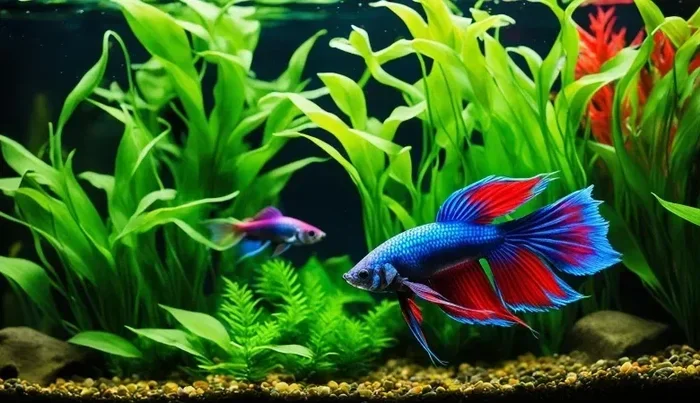
Heavy planting, caves, and driftwood break line of sight. Each female should have at least two hiding places. Live plants like Java fern, Anubias, and floating hornwort work well.
Introduction Protocol
- Quarantine new females for two weeks.
- Rearrange decor before adding them to disrupt established territories.
- Release all females at the same time.
- Watch closely for 48 hours; remove any fish that is constantly bullied.
Signs of a Healthy Sorority
- Females swim calmly throughout the tank.
- No persistent chasing or fin nipping.
- All fish eat normally and display bright colors.
Keeping Male Bettas Safe With Dividers
Divider Materials
Use acrylic or glass panels that are completely opaque. Mesh or clear plastic lets fish see each other and defeats the purpose.
Water Flow Considerations
Each compartment needs its own gentle filter output. A single strong filter can create currents that push fish against the divider, causing stress.
Heating
A single heater can warm the whole tank if the water circulates freely. Place the heater near the center and monitor temperature in each section with a stick‑on thermometer.
Space Allocation
Give each male at least 10 gallons. A 40‑gallon long tank can house three males comfortably with two dividers.
Visual Barriers Inside Compartments
Add tall plants or a piece of driftwood against the divider. This prevents a male from seeing his neighbor’s reflection on the glass.
Adding Peaceful Tank Mates
Best Community Fish
- Harlequin rasboras – small, fast, stay mid‑water.
- Ember tetras – tiny, schooling, non‑aggressive.
- Corydoras catfish – bottom dwellers, clean up leftovers.
- Kuhli loaches – nocturnal, hide in substrate.
Invertebrates
Snails (nerite, mystery) and shrimp (Amano, cherry) usually coexist peacefully. Watch for bettas that develop a taste for shrimp.
Fish to Avoid
- Other long‑finned males (guppies, fancy goldfish).
- Fast nippers like tiger barbs.
- Large cichlids or goldfish that need different water parameters.
Community Tank Checklist
| Requirement | Why It Matters |
|---|---|
| Minimum 20 gallons | Reduces territory overlap |
| Plenty of plants and caves | Breaks line of sight |
| Compatible temperature (78‑80 °F) | Keeps all species comfortable |
| Low flow filter | Prevents stress from strong currents |
| Regular water tests | Stops ammonia spikes that trigger aggression |
For a deeper look at mixing bettas with other species, check Can You Put Betta Fish Together With Other Fish.
Mistakes to Avoid and Pro Tips
Common Mistakes
- Putting two males together without a divider – almost guaranteed fight.
- Using a clear divider – fish still see each other and flare.
- Overstocking a sorority – leads to chronic stress and fin rot.
- Skipping quarantine – introduces disease that weakens immune systems.
- Ignoring water changes – poor water quality spikes aggression.
Quick Tips
- Feed a varied diet (pellets, frozen brine shrimp, daphnia) to keep colors bright.
- Use a timer for lights; 8‑10 hours mimics natural day/night cycles.
- Add Indian almond leaves for tannins that calm bettas.
- Keep a spare tank ready for emergency separation.
Expert Insights
Experienced breeders recommend a “soft start” when forming a sorority. Dim the lights for the first 24 hours, then gradually increase brightness. This reduces initial territorial displays. Also, rotate decor every few weeks to keep territories fluid and prevent one female from dominating a single cave.
Conclusion
You can enjoy a vibrant, multi‑betta aquarium when you respect each fish’s biology. Female bettas thrive in a well‑planned sorority, while males need solid, opaque dividers or separate tanks. Add peaceful community members, maintain pristine water, and provide plenty of hiding spots. Follow the checklist above, watch your fish daily, and you will see calm, colorful bettas swimming side by side without a single flare.
Ready to set up your own peaceful betta community? Start with a 20‑gallon tank, gather a group of healthy females, and plant heavily. Your bettas will thank you with brilliant fins and relaxed behavior.
Frequently Asked Questions
Can two male bettas live together if the tank is huge?
No. Even in a very large tank males will eventually find each other and fight. A solid opaque divider is the only safe way to house multiple males in one aquarium.
How many female bettas can I keep in a 20‑gallon tank?
A 20‑gallon tank can support 4‑6 females if it is heavily planted and has multiple hiding spots. More space allows a larger, more stable sorority.
Do bettas need a filter in a divided tank?
Yes. Each compartment should have gentle filtration. A single filter can work if water flows freely between sections, but separate sponge filters are ideal.
What are the best tank mates for a betta sorority?
Small schooling fish like harlequin rasboras or ember tetras, bottom dwellers like corydoras, and peaceful invertebrates such as nerite snails or Amano shrimp work well.
How do I know if my bettas are stressed?
Clamped fins, loss of color, hiding constantly, rapid breathing, and refusal to eat are common stress signals. Check water parameters and tank mates immediately.
Can I add a new betta to an established sorority later?
It is risky. The new female will be seen as an intruder. If you must add one, rearrange all decor, introduce the new fish with the lights off, and monitor for 48 hours.