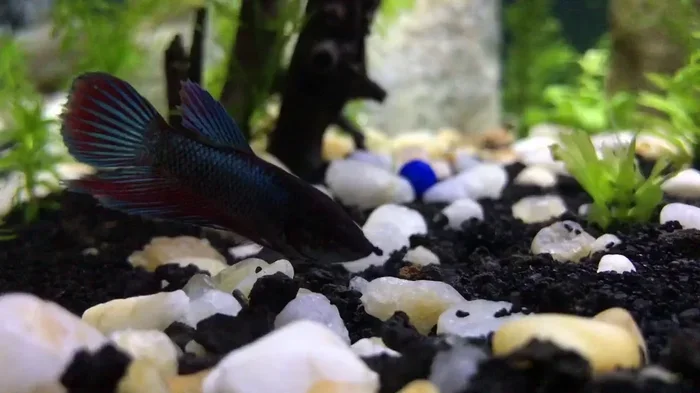
Can You Put Male Betta Fish With Other Fish Safely
Yes, you can put male betta fish with other fish, but it requires careful planning. Male bettas are territorial, so choosing the right tank mates and setup makes all the difference. This guide covers safe combinations, introduction steps, and warning signs to watch for.
Many fish owners wonder can you put male betta fish with other fish. The short answer is yes, but it is not always simple. Male bettas have a reputation for being fighters, and that reputation is not entirely unfair. However, with the right approach, you can create a peaceful community tank that works for everyone.
This guide will walk you through everything you need to know. We will cover which fish work best, which ones to avoid, and how to introduce new tank mates safely. By the end, you will feel confident making the right choice for your betta.
Key Takeaways
- Male bettas can live with other fish: But only with careful selection of peaceful, non-aggressive tank mates.
- Tank size matters: At least 20 gallons reduces aggression and provides hiding spots.
- Watch for fin nipping: Fish with long fins may trigger your betta’s aggression.
- Introduce slowly: Use a divider or quarantine tank first to test compatibility.
- Monitor behavior daily: Look for flaring, chasing, or hiding as early warning signs.
- Have a backup plan: Keep a separate tank ready in case the arrangement fails.
📑 Table of Contents
Understanding Male Betta Behavior
Before adding any tank mates, you need to understand why male bettas behave the way they do. Wild bettas live in shallow waters in Southeast Asia. They are used to having their own space. In captivity, this territorial instinct remains strong.
Male bettas flare their gills and spread their fins to look bigger. This is a warning to other males. In the wild, they usually have room to escape. In a small tank, the other fish cannot escape. This is where problems start.
What Triggers Aggression
Several things can trigger aggression in male bettas:
- Bright colors: Fish that look like bettas may get attacked.
- Long flowing fins: These trigger the betta’s instinct to defend territory.
- Small tanks: Less space means more confrontations.
- Mirror reflections: Bettas may fight their own reflection constantly.
Knowing these triggers helps you choose companions wisely. Not all fish will set off these alarms. Each betta has a different personality. Some are calm, while others are feisty. Watch your individual fish before adding new companions.
Best Tank Mates for Male Bettas
When selecting tank mates, think about size, speed, and color. Fast, dull-colored fish often work best. Here are some safe options for your community tank:
Bottom Dwellers
Fish that stay at the bottom give your betta space at the top. Corydoras catfish make excellent choices. They are peaceful and busy scavenging. Ghost shrimp and snails also work well. They keep to themselves and clean the tank.
Mid-Level Swimmers
For the middle of the tank, consider neon tetras or ember tetras. They are small, fast, and not brightly colored. A school of 6-8 tetras can coexist peacefully. Just make sure your tank is large enough. Harlequin rasboras are another good option. They are hardy and peaceful.
Top Dwellers
Since bettas stay near the surface, avoid adding other top swimmers. Instead, focus on the middle and bottom levels. This reduces territorial conflicts. Good bottom dwellers include kuhli loaches and otocinclus catfish.
For more specific pairings, check out our guide on can you put other fish in with a male betta. It covers detailed compatibility charts.
Fish to Avoid With Male Bettas
Some fish simply do not work with male bettas. Here is a quick list of companions to skip:
- Other male bettas: They will fight to the death.
- Goldfish: Too large and messy for betta water conditions.
- Guppies: Long fins may trigger aggression.
- Angelfish: Too aggressive and territorial themselves.
- Barbs: Known fin nippers that will provoke your betta.
- Tiger barbs: Especially problematic due to their nipping behavior.
Each betta has a different personality. Some are calm, while others are feisty. Watch your individual fish before adding new companions. What works for one betta may not work for another.
Setting Up the Tank
A proper setup makes cohabitation much easier. Here are the essentials for a successful community aquarium:
Tank Size
Go with at least 20 gallons for a community tank. This gives everyone space to claim territory. A 10-gallon tank is too small for mixing fish safely. The extra space reduces stress and aggression.
Decorations and Hiding Spots
Add plants, caves, and driftwood. These break up sight lines and give shy fish places to hide. Live plants like java moss or anubias work great. They also improve water quality. Hornwort and java fern are other good choices.
Filtration and Heating
Bettas need warm water between 76-82°F. Use a heater and a gentle filter. Strong currents stress bettas, so choose a sponge filter or add a baffle. Maintain stable water parameters with regular testing.
Introduction Process
Do not just dump new fish into the tank. Follow these steps for a smooth introduction:
Step 1: Quarantine New Fish
Keep new fish in a separate tank for 2 weeks. Watch for signs of disease. This protects your betta from illness. Treat any health issues before introducing them.
Step 2: Use a Divider
Place a tank divider between your betta and the new fish. Let them see each other for 3-7 days. Watch for excessive flaring or stress. This lets them get used to each other safely.
Step 3: Supervised Meetings
Remove the divider for short periods each day. Increase time gradually if both fish stay calm. Have a backup plan in case things go wrong. Keep a net ready to separate them quickly.
For more tips on introductions, read our article on can you keep a male betta with other fish.
Warning Signs to Watch For
Even with careful planning, problems can arise. Know the red flags that indicate trouble:
- Constant flaring: Your betta sees the other fish as a threat.
- Biting fins: This leads to injury and infection.
- Refusing food: Stress causes loss of appetite.
- Hiding constantly: The tank mate is too aggressive.
- Rapid gilling: Fish is struggling to breathe from stress.
- Color fading: Stress causes loss of vibrant color.
If you see these signs, separate the fish immediately. Do not wait for things to get worse. Fish health depends on catching problems early.
Common Mistakes to Avoid
Many beginners make these errors when mixing bettas with other fish:
- Too small a tank: Cramped space causes constant conflict.
- Adding too many fish at once: Introduce one or two at a time.
- Ignoring personality: Some bettas just cannot share space.
- Skipping quarantine: Disease spreads fast in community tanks.
- Overfeeding: Extra food causes aggression and dirty water.
- Wrong water temperature: Incompatible temps stress all fish.
- No hiding spots: Fish need places to retreat and feel safe.
Take your time with each step. Rushing leads to dead fish and a broken tank. Patience is your best tool here.
Expert Insights
Experienced aquarists often say that betta personality matters more than species. One male betta might live happily with tetras for years. Another might attack anything that moves. There is no guarantee with any fish.
Start with a fish that has a proven track record. Corydoras, ghost shrimp, and snails are the safest bets. From there, you can experiment with more adventurous tank mates if your betta seems calm. Always have a backup tank ready.
For specific species advice, see our guide on can you put guppies with betta fish.
Key Takeaways
- Male bettas can live with other fish: But only with careful selection of peaceful, non-aggressive tank mates.
- Tank size matters: At least 20 gallons reduces aggression and provides hiding spots.
- Watch for fin nipping: Fish with long fins may trigger your betta’s aggression.
- Introduce slowly: Use a divider or quarantine tank first to test compatibility.
- Monitor behavior daily: Look for flaring, chasing, or hiding as early warning signs.
- Have a backup plan: Keep a separate tank ready in case the arrangement fails.
Conclusion
So, can you put male betta fish with other fish safely? Yes, you can, but it takes work. Choose peaceful tank mates, provide enough space, and watch behavior closely. Not every betta will accept roommates, and that is okay.
Start with the safest options like corydoras or snails. Add fish slowly and watch for warning signs. If things go wrong, be ready to separate the fish. Your betta’s health and happiness come first.
With patience and observation, you can build a thriving community tank. Your betta will show you when he is comfortable. Listen to his behavior, and you will succeed. Good luck with your aquarium journey.
Frequently Asked Questions
Can two male betta fish live together?
No, two male bettas should never share a tank. They will fight and likely kill each other. Even with dividers, the stress can harm their health. Keep males separated at all times.
What is the best tank size for a betta community?
Aim for at least 20 gallons when mixing bettas with other fish. This gives everyone enough space to establish territory. Smaller tanks increase aggression and stress levels.
How do I know if my betta is stressed?
Watch for clamped fins, hiding, refusing food, or rapid breathing. These are clear signs of stress. Remove the stressor quickly to prevent illness.
Can I add a female betta with a male?
Only in large tanks with many hiding spots and careful monitoring. Even then, it is risky. Most experts recommend keeping males and females separate except for breeding.
How long does it take to introduce new fish?
The full process takes 2-4 weeks. Start with quarantine, then use a divider, then supervised meetings. Rushing this process often leads to failure.
Are bettas compatible with goldfish?
No, goldfish and bettas need different water conditions. Goldfish produce too much waste for betta health. They also grow too large and may bully the betta.