Can You Put A Goldfish In With A Betta Fish Quick Tank Tips
Discover if you can keep goldfish and betta fish together. This comprehensive guide covers tank setup, water requirements, and potential challenges. Find out whether mixing these popular aquarium pets creates a harmonious environment for both species while avoiding common mistakes.
Betta fish and goldfish are both beloved aquarium inhabitants. Many hobbyists dream of keeping these two beautiful fish together in one tank. But mixing such different species isn’t always straightforward. The answer lies in understanding their unique personalities and requirements before diving in.
This guide breaks down everything you need to know. You’ll learn about the right tank setup, water parameters, and common pitfalls to avoid. Whether you’re a beginner or an experienced keeper, these tips will help you create a thriving home for both your goldfish and betta fish.
Key Takeaways
- Compatibility depends on tank size and conditions.
- Mixing requires patience and gradual introductions.
- Water quality must match both species’ needs.
- Monitor for signs of stress or aggression early.
- Proper filtration prevents health problems.
📑 Table of Contents
Understanding Goldfish and Betta Fish
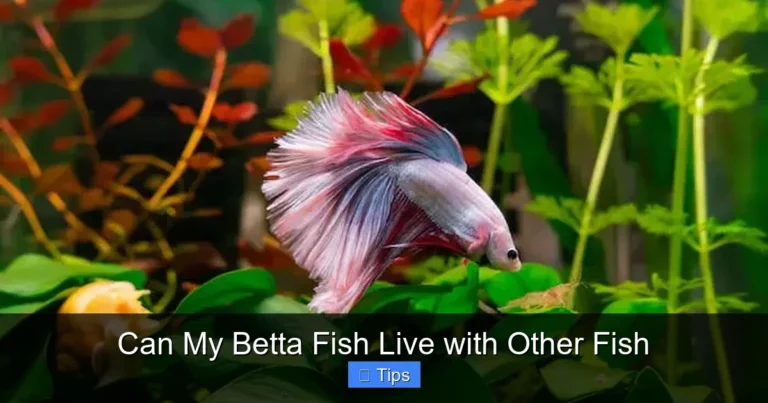
Betta fish are small, vibrant, and known for their flowing fins. They come in many colors and behave quite actively. Betta males are territorial and prefer alone time, though females can coexist peacefully. Their distinctive bubble nests create striking visual interest when they breed.
Goldfish are much larger and generally calmer. They swim low in the water column and love grazing on plants. Goldfish belong to the carp family and have a longer lifespan than bettas. Some varieties grow up to twelve inches while others stay under four. Their gentle nature makes them excellent companions once properly introduced.
When comparing the two, several factors matter. Betta fish need moderate temperatures and enjoy vertical swimming spaces. Goldfish require spacious areas and ample room to move comfortably. These differing preferences mean you cannot simply place any fish in any tank without adjusting environment factors accordingly.
Both species add beauty to any aquarium setting. However, their temperaments differ enough that careful planning makes successful co-habitation possible. Below we explore the specifics of integrating these fish into the same habitat.
Can You Put A Goldfish In With A Betta Fish?
The short answer is yes, but success requires attention to detail. Both fish live in freshwater aquariums, so basic environmental needs align well. Still, their behavior differs significantly, which means proper management is essential.
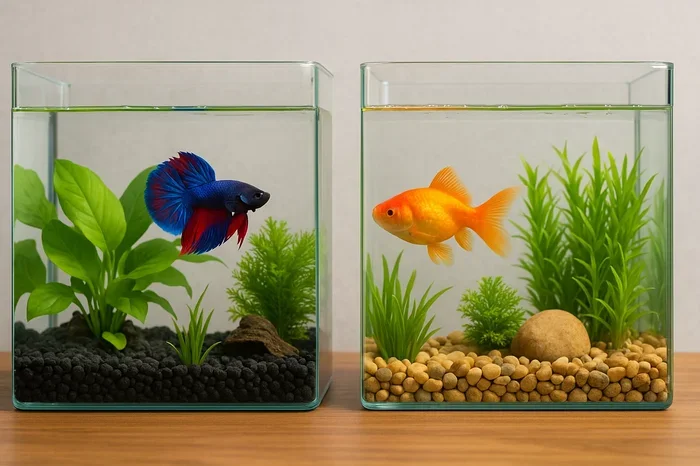
A single goldfish can grow to over twelve inches and needs a tank minimum of twenty gallons. A medium-sized betta typically stays under three inches and thrives in five to ten gallon setups. Combining them forces you to choose between adequate space or risking the smaller fish’s health.
Many owners successfully house multiple goldfish with a betta by using separate zones within one large tank. This approach mimics their natural preference for distinct territories while maintaining overall harmony. It creates pockets of safety for each species while allowing shared resources.
However, some varieties of goldfish are aggressive toward predators. Clownfish and certain angelfish might also cause trouble if introduced later. Always research your specific species combinations first before committing to a mixed setup.
Essential Tank Requirements for Mixed Species
The foundation of any successful mixed-species tank starts with appropriate dimensions. A ten-gallon bowl is far too cramped for both creatures. For a balanced environment, aim for at least twenty-five gallons when keeping one goldfish alongside a betta. This gives each fish ample territory to express natural behaviors.
Filtration plays a critical role here. Betta fish produce waste relatively efficiently, yet goldfish generate more debris through constant movement. A powerful filter maintains water clarity and removes harmful ammonia. Look for equipment specifically rated for your combined volume.
Temperature stability rounds out the core requirements. Both species prefer warm freshwater conditions between seventy-five and eighty degrees Fahrenheit. Sudden drops or spikes can stress either fish and trigger illness outbreaks. Consistent heating helps maintain the stable environment both require.
These basics form the backbone of your tank design. Without meeting them, even compatible species may suffer from health problems. Upgrade your equipment accordingly based on tank size calculations and local climate conditions.
Water Quality Management
Water chemistry demands equal consideration for every resident. Both bettas and goldfish benefit from slightly acidic to neutral pH levels, ideally between six point five and seven point five. Test strips reveal current values accurately and should be checked regularly.
Nitrogen cycling becomes more complex when multiple animals occupy the same space. Ammonia and nitrite spikes threaten fish health if left unchecked. Perform weekly water tests at minimum. Immediate treatment of any dangerous readings saves lives and protects both tank inhabitants.
Filter media choice affects water purity differently. Ceramic rings excel at trapping fine particles. Activated carbon helps absorb harmful chemicals and excess nutrients. Combine both types for optimal results in achieving crystal-clear water suitable for all residents.
Regular partial water changes prevent buildup of toxins. Replace a quarter of the water monthly. This habit supports long-term wellness for both benthic goldfish and surface-dwelling bettas alike. Consistency in maintenance keeps the ecosystem balanced.
Common Challenges When Mixing These Pets
Even with perfect planning, challenges may arise during the initial weeks. One major issue involves aggression displays from territorial bettas. If your goldfish shows signs of distress like flashing fin edges or hiding constantly, you may need to separate them temporarily. Such reactions indicate underlying stress that requires intervention.
Space constraints present another obstacle. Goldfish consume algae rapidly and need room to maneuver freely. Cramming too many fish into a confined area triggers resource competition and conflict. Monitor feeding schedules closely and consider reducing population numbers if space remains limited.
Third challenge involves water parameter shifts. Different species process waste at varying rates. Sudden changes can upset delicate bacterial colonies supporting healthy microbiomes. Stability remains paramount for preventing disease outbreaks across the entire tank community.
Finally, behavioral mismatches sometimes emerge unexpectedly. Betta males establish dominance hierarchies quickly. Introducing new companions mid-cycle disrupts established ranks and creates uncertainty. Wait until your fish acclimate fully before making additions to preserve harmony.
Signs Your Tank Needs Adjustment
Watch for specific warning signals indicating discomfort. Reduced appetite suggests stress or poor water quality. Excessive gas production indicates breathing difficulties caused by inadequate oxygen circulation. Lethargy beyond normal resting behavior usually means medical intervention is required.
Physical symptoms include fin erosion or discoloration on either fish. Parasitic infections may appear as unusual clumping near gills or frayed fins. These cases demand immediate veterinary attention from an aquarium specialist familiar with mixed-species setups. Do not assume all visible damage equals illness.
Prompt recognition allows quick corrections. Remove offending elements if necessary. Adjust filtration output temporarily. Never ignore subtle distress cues hidden beneath otherwise happy demeanors. Early action prevents escalation to serious health crises.
Best Practices for Successful Co-Habitation
Successful integration relies on patience and observation. Begin by quarantining new arrivals separately. Watch them interact before adding them to your established group. This method reduces unpredictability and lets you assess compatibility calmly.
Introduce fish gradually using a siphon to acclimate each individual. Allow extended periods of separation initially. Slow visual contact builds tolerance without triggering fight responses. Gradual exposure prevents shock and aggression spikes.
Provide varied hiding spots throughout the display. Betta fish appreciate dense plants and rocky crevices for security. Goldfish prefer open pathways with floating vegetation. Diversify decoration to accommodate both lifestyles equally.
Feed different diets according to species needs. Betta food offers higher protein content suited for their carnivorous nature. Goldfish accept standard pellets plus occasional vegetable pieces. Balanced nutrition promotes robust health for all involved.
Consistent daily monitoring yields the best outcomes. Note eating habits, activity levels, and appearance changes regularly. Early detection of problems leads to faster resolution and fewer complications down the line.
Quick Tips for Long-Term Harmony
- Start with a large tank to accommodate growth phases of both species
- Use layered decor including plants for betta safety and open areas for goldfish
- Commit to strict water testing routines twice weekly
- Avoid adding more fish than your tank can support physically
- Research specific strain behaviors before acquiring new specimens
Comparative Overview: Betta vs Goldfish
| Aspect | Betta Fish | Goldfish |
|——–|————|———-|
| Maximum Size | Under 3 inches | Over 12 inches |
| Ideal Temperature | 75-80°F | 65-78°F |
| Space Needs | 5-10 gallons minimum | 20+ gallons recommended |
| Swimming Zone | Top to middle layers | Primarily bottom |
| Social Needs | Solitary to pairs | Often solitary |
This table highlights key differences that influence your decision about coexistence. Recognizing these distinctions upfront guides better planning and expectations moving forward. Each fish brings its own character to the tank ecosystem.
Common Mistakes to Avoid
New owners often underestimate the complexity of mixed ownership. Here are frequent errors that lead to failed setups. Skipping proper water conditioning harms fragile fry and weak adults alike. Using untreated tap water directly bypasses crucial filtration steps and introduces contaminants.
Overfeeding accelerates waste production and water degradation rapidly. Fish eat less when stressed, yet owners still push amounts exceeding their actual consumption. This imbalance strains your filtration system and pollutes the environment.
Another rookie mistake involves changing one fish type after another arrives. Sudden population shifts destabilize the entire ecosystem. Patience proves vital when building multi-species habitats step by step.
Some beginners believe mixing any fish will work regardless of temperament differences. Individual personalities dominate regardless of scientific classifications. Research-specific behaviors rather than assuming universal compatibility across species groups.
Lastly, neglecting regular maintenance causes cascading problems. Weekly water changes compound over months creating toxic buildup. Treat this routine as non-negotiable for long-term vitality among both bettas and goldfish.
Frequently Asked Questions
Question?
Can you put goldfish and betta fish together in the same tank?
Question?
What is the minimum tank size needed for a mixed betta and goldfish setup?
Question?
Do goldfish and bettas have different temperature requirements?
Question?
How often should you test water parameters for a mixed-species tank?
Question?
Are there specific breeds of goldfish that are better compatible with bettas?
Question?
What signs indicate my betta is stressed when housed with a goldfish?