What Can I Feed Betta Fish For A Healthy Diet
What can I feed betta fish is one of the most important questions for new owners. A balanced diet keeps your betta colorful, active, and healthy. You can offer high-quality pellets, frozen treats, and occasional live snacks. Avoid human foods and overfeeding to prevent serious health issues.
Owning a betta fish is a wonderful experience. These beautiful creatures bring color and life to any room. But keeping them healthy starts with one simple habit. You must feed them the right foods. Many new owners ask what can I feed betta fish without harming their pet. The answer is simpler than you think. Bettas need a protein-rich diet that matches their natural eating habits. In the wild, they hunt small insects and larvae. Your home tank should mimic that diet as closely as possible.
A good feeding routine does more than fill your fish’s stomach. It supports bright colors, strong fins, and a healthy immune system. Poor food choices can lead to bloating, dull scales, and short lifespans. The good news is that you do not need expensive or hard-to-find items. A few reliable staples and smart treats will keep your betta happy. This guide will walk you through every safe option. You will also learn what to skip and how to build a simple feeding plan.
Key Takeaways
- Primary Diet: High-quality betta pellets should make up 80-90% of daily meals.
- Protein Needs: Bettas are carnivores and require protein-rich foods like brine shrimp and bloodworms.
- Treat Options: Frozen or live foods work well as occasional treats to boost nutrition.
- Foods to Avoid: Never feed bread, rice, lettuce, or goldfish flakes to your betta.
- Feeding Schedule: Feed small portions twice daily and fast one day per week.
- Portion Control: Only feed what your betta can eat in two minutes to prevent waste and bloating.
- Water Quality: Remove uneaten food quickly to keep the tank clean and safe.
📑 Table of Contents
- What Can I Feed Betta Fish as a Daily Staple
- What Can I Feed Betta Fish for Extra Protein and Variety
- What Can I Feed Betta Fish as Safe Treats and Supplements
- What Can I Feed Betta Fish That Must Be Avoided
- What Can I Feed Betta Fish for a Balanced Feeding Schedule
- What Can I Feed Betta Fish When Traveling or During Changes
- Conclusion
What Can I Feed Betta Fish as a Daily Staple
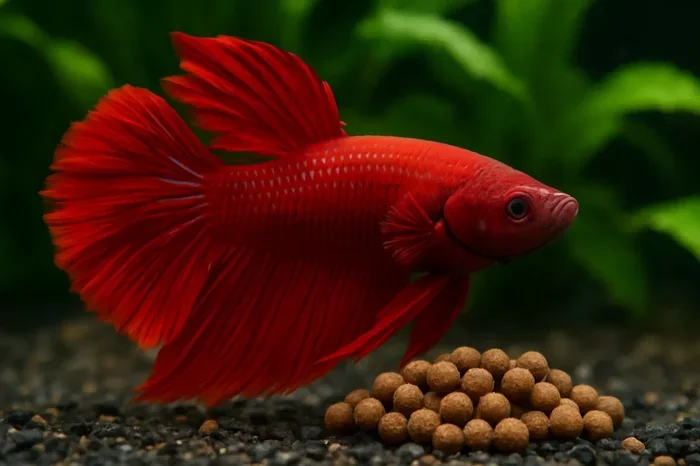
The best answer to what can I feed betta fish for everyday meals is high-quality betta pellets. These pellets are made specifically for bettas. They contain the right balance of protein, fats, and vitamins. You can find them at any pet store or online. Look for brands that list whole fish or fish meal as the first ingredient. Avoid products filled with cheap fillers like corn or wheat.
Pellets are easy to measure and simple to store. They sink slowly, which matches how bettas naturally eat near the water surface. You can also try betta-specific flakes, but pellets usually work better. Flakes can break apart quickly and cloud the water. Pellets stay intact longer and create less mess. If your betta struggles with large pellets, you can soak them briefly before feeding.
Choosing the Right Pellet Size
Bettas have small mouths. Large pellets can cause choking or go uneaten. Pick a size that fits comfortably in your fish’s mouth. Many brands offer micro or small pellet options. These are perfect for young bettas or smaller adults. Always check the packaging for size guidelines.
How Many Pellets Per Day
A common rule is to feed 2-3 pellets per meal. You can split this into two feedings. Morning and evening works well for most owners. Your betta should finish the food within two minutes. If food sinks to the bottom, you are feeding too much. Remove leftovers right away to keep the water clean.
Quick Tip
Store pellets in a cool, dry place. Moisture can spoil the food and reduce its nutritional value. Close the lid tightly after each use.
What Can I Feed Betta Fish for Extra Protein and Variety
While pellets form the base of a good diet, variety adds real benefits. Many owners wonder what can I feed betta fish besides dry pellets. The best answer is frozen or live protein sources. Bettas thrive on animal-based foods. These options mimic their natural diet and keep them active and engaged.
Frozen brine shrimp are a top choice. They are easy to store and simple to thaw. You can drop a small pinch into the tank during feeding time. Bloodworms are another favorite. They are rich in protein and highly appealing to bettas. Just remember that these are treats, not full meals. Too much of any single food can upset your fish’s digestion.
Live foods also work well when handled safely. Many keepers ask can I feed my betta live fish or small aquatic creatures. The answer is yes, but only with safe, appropriate choices. Tiny live snacks can trigger natural hunting behavior and provide excellent nutrition. If you want to explore this option, you can read more about can I feed my betta live fish for safe guidelines. Live brine shrimp are especially popular because they are small, nutritious, and easy to digest. You can learn more about this option in our guide on can I feed betta fish live brine shrimp.
Frozen vs Live Foods
Frozen foods are usually the easiest choice for home aquariums. They carry less risk of introducing pests or diseases. They also store well in a freezer. Live foods offer more movement and stimulation. However, they require careful sourcing. Always buy from trusted suppliers and rinse live items before feeding.
Safe Protein Treats
- Frozen brine shrimp
- Frozen bloodworms
- Live or frozen daphnia
- Microworms for young bettas
- Small portions of chopped shrimp
Expert Insight
Variety prevents nutritional gaps. Rotating between pellets and frozen treats keeps your betta interested and supports long-term health. Think of treats as a supplement, not a replacement.
What Can I Feed Betta Fish as Safe Treats and Supplements
Treats should be occasional and purposeful. If you are asking what can I feed betta fish for a special snack, choose options that add value. Some owners like to offer small shrimp pieces as a rich protein boost. This can work well when prepared correctly. You can find helpful tips on portioning and safety in our article about can I feed a betta fish piece of shrimp.
Another interesting option is bean beetles. These are small, soft, and easy for bettas to eat. They can be a fun addition to a treat rotation. If you want to try them, check out our guide on can I feed bean beetles to my betta fish. Treats like these should remain rare. A good rule is to offer them once or twice a week at most.
How to Introduce New Treats
Start with a tiny amount. Watch how your betta reacts. Some fish accept new foods quickly. Others need time to adjust. If your betta ignores the treat, remove it after a few minutes. Do not force new foods repeatedly. Patience works better than pressure.
Signs Your Betta Enjoys a Treat
- Active swimming toward the food
- Quick feeding response
- No leftover waste after feeding
- Normal behavior after eating
What Can I Feed Betta Fish That Must Be Avoided
Knowing what can I feed betta fish is only half the story. You also need to know what to avoid. Some foods seem harmless but can cause real problems. Bettas have short digestive tracts. They are built for protein, not plant matter or starch. Feeding the wrong items can lead to bloating, constipation, and poor water quality.
Bread is a common mistake. It swells in water and offers little nutrition. It can also cause serious digestive issues. Rice is another poor choice. It is too starchy and hard for bettas to process. If you want to understand why these foods are unsafe, see our explanation on can I feed my betta fish bread. Many owners also ask about bread crumbs, which are just as risky. You can read more in our post on can I feed betta fish bread crumbs.
Vegetables like lettuce are not suitable either. Bettas do not digest leafy greens well. If you are curious about this, we cover it in detail at can I feed my betta fish lettuce. Peas are sometimes suggested for constipation, but they should only be used in very specific situations. You can learn more about that in our guide on can you feed your betta fish peas. Goldfish flakes are also a bad match. They lack the protein bettas need and may contain fillers. For a full comparison, read can I feed my betta fish goldfish flakes.
Foods to Keep Away From Your Betta
- Bread or bread crumbs
- Rice or pasta
- Lettuce and most leafy greens
- Goldfish flakes or generic tropical flakes
- Processed human snacks
- Fatty or seasoned foods
Common Mistakes
Many beginners overfeed or choose convenient human foods without checking if they are safe. Convenience should never replace proper nutrition. A small mistake in diet can lead to long-term health problems.
What Can I Feed Betta Fish for a Balanced Feeding Schedule
A healthy diet is not just about food type. It is also about timing and portion size. If you want to know what can I feed betta fish in a way that supports long-term health, build a routine. Bettas do best with small, regular meals. Two feedings per day is a strong starting point. Morning and evening sessions help keep energy levels steady.
Portion control matters just as much as food choice. Overfeeding is one of the most common errors new owners make. Extra food sinks, rots, and clouds the water. It can also cause your betta to gain too much weight. If you are unsure whether you are feeding too much, review our guide on can you over feed a betta fish. Fasting one day each week can also help your betta digest food properly and reduce strain on the tank.
Simple Weekly Feeding Plan
- Feed betta pellets twice daily on Monday, Tuesday, and Wednesday
- Offer a frozen treat once midweek
- Continue pellet feedings Thursday and Friday
- Give a small protein treat on Saturday
- Fast on Sunday to support digestion
Water Care After Feeding
Uneaten food breaks down quickly. This creates waste and raises ammonia levels. Always check the tank after meals. Use a small net or siphon to remove leftovers. Clean water supports better appetite and stronger health. A clean tank also makes it easier to spot changes in behavior.
Key Takeaways
- Stick to betta pellets as the main food source
- Use frozen or live treats for variety and protein
- Avoid bread, rice, lettuce, and goldfish flakes
- Feed small portions twice a day
- Fast one day weekly for digestive health
- Remove uneaten food to protect water quality
What Can I Feed Betta Fish When Traveling or During Changes
Life does not always stay on schedule. You may need to leave town or adjust your routine. If you are planning a short trip, you may wonder what can I feed betta fish when you are away. For short absences, a properly fed betta can often manage a day or two without food. For longer periods, use a reliable feeding plan. Automatic feeders can help, but they work best with pellets, not live foods.
When bringing a new betta home, feeding should start slowly. Stress from transport can reduce appetite. Offer a small amount of familiar pellets first. If your fish eats well, you can continue with your normal routine. If not, wait a day and try again. Patience during the adjustment period prevents waste and stress.
Helping a Picky Eater
Some bettas are selective at first. This is normal. Try soaking pellets briefly to soften them. You can also vary the brand or texture. If your betta still refuses food, check the water temperature and cleanliness. Poor conditions often reduce appetite more than food preference does.
When to Seek Help
- No eating for more than three days
- Swollen belly or lethargy
- Faded color or clamped fins
- Frequent spitting out of food
If you notice these signs, review your feeding routine and tank conditions. Small changes often solve the problem quickly.
Conclusion
Asking what can I feed betta fish is the first step toward better care. The best diet is simple, protein-focused, and consistent. High-quality pellets should be the foundation. Frozen and live treats add variety and enrichment. Avoid starchy, processed, or plant-heavy foods that do not suit your betta’s digestion. Keep portions small, feed on a steady schedule, and clean up leftovers promptly.
A healthy feeding routine supports bright colors, strong movement, and a longer life. It also makes tank maintenance easier. When you choose the right foods, you give your betta the best chance to thrive. Start with a solid staple, add safe treats in moderation, and watch your fish respond with energy and color. Good feeding habits are one of the simplest ways to show care every single day.
Frequently Asked Questions
What can I feed betta fish as a main diet?
High-quality betta pellets should be the main diet because they provide the right balance of protein and nutrients. You can supplement them with frozen or live treats a few times a week.
Can I feed betta fish live food safely?
Yes, you can offer safe live foods in small amounts if they come from a trusted source. Live brine shrimp and other tiny protein snacks are popular choices, but treat them as supplements rather than full meals.
What foods should I never give my betta fish?
Avoid bread, rice, lettuce, goldfish flakes, and processed human foods because bettas cannot digest them well. These items can cause bloating, poor water quality, and long-term health issues.
How often should I feed my betta fish?
Feed small portions twice a day and make sure your betta finishes the food within two minutes. Many owners also fast their betta one day a week to support healthy digestion.
Can I feed my betta fish shrimp or bloodworms?
Yes, small amounts of shrimp or bloodworms can be excellent protein-rich treats. Use them occasionally so your betta gets variety without relying on one food too much.
What can I feed betta fish if it refuses pellets?
Try soaking the pellets briefly or offering a different brand with a softer texture. If your betta still refuses food, check the water temperature, cleanliness, and stress levels, since those often affect appetite more than the food itself.