Best Betta Fish Tank Mates What Betta Fish Can You Put Together
Choosing the right tank mates starts with understanding what betta fish can you put together without causing stress or aggression. Male bettas need careful pairing, while females can often thrive in groups. You will learn which species share similar water needs and how to introduce new fish safely. This guide breaks down compatibility rules, tank size requirements, and common mistakes to avoid. Follow these steps to build a calm, balanced aquarium that keeps your betta healthy and happy.
Keeping a betta fish can feel like owning a tiny underwater personality. These fish show off brilliant colors, interesting behaviors, and a strong sense of territory. That strong personality is exactly why many new owners ask what betta fish can you put together before adding anything else to the aquarium. The answer depends on gender, temperament, tank size, and the types of companions you choose. A little planning goes a long way toward creating a calm community tank.
Many people picture bettas living alone in small bowls, but that image does not tell the whole story. Bettas can share a tank under the right conditions, and some even benefit from having companions that occupy different parts of the water column. At the same time, bad pairings can lead to chasing, fin damage, chronic stress, and illness. If you want a peaceful setup, you need clear compatibility rules and a realistic plan for introductions.
This guide walks you through the basics of betta social behavior, safe tank mate options, and practical steps for introducing new fish. You will also find helpful comparisons, common mistakes to avoid, and answers to frequent questions. By the end, you will know how to make thoughtful choices and build an aquarium that stays balanced and healthy.
Key Takeaways
- Male bettas are highly territorial and usually need to live alone or with very peaceful, non-triggering tank mates.
- Female bettas can often form sororities when introduced properly and given enough space to establish hierarchies.
- Tank size matters greatly because cramped environments increase aggression and stress for every fish involved.
- Peaceful bottom dwellers and fast-swimming schooling fish often work well when chosen carefully and monitored closely.
- Water parameters, hiding spots, and gradual introductions play a huge role in long-term compatibility.
- Avoid pairing bettas with fin nippers, overly bright fish, or species that compete for the same feeding zones.
- Always observe behavior during the first few weeks and be ready to separate fish if signs of stress appear.
📑 Table of Contents
- Understanding Betta Behavior Before Pairing Fish
- What Betta Fish Can You Put Together Based on Gender
- Best Tank Mates for a Peaceful Betta Community
- Tank Size, Setup, and Water Conditions That Support Compatibility
- How to Introduce New Fish Safely
- Choosing Companions by Species Type
- Comparison Table: Betta Pairing Options at a Glance
- Final Thoughts on What Betta Fish Can You Put Together
Understanding Betta Behavior Before Pairing Fish
Bettas are not random troublemakers. Their behavior comes from natural instincts shaped by life in shallow, crowded waters. Males often defend a chosen area, build bubble nests, and react strongly to movement near their space. Females can be social, but they still establish rank and may squabble during the adjustment period. Knowing these tendencies helps you predict which pairings will work and which ones will create problems.
Male Betta Temperament
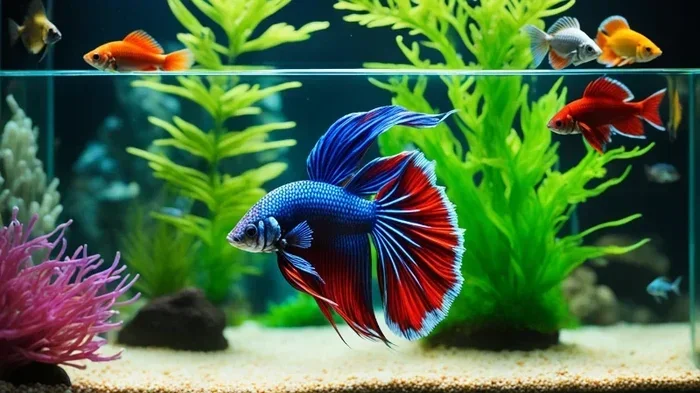
Male bettas are the most famous for their bold displays. They flare, chase, and guard territory when they feel threatened. This does not mean every male must live in total isolation, but it does mean you should treat him as a fish who values personal space. Slow movements, calm tank mates, and plenty of visual barriers usually work better than busy, crowded setups. If you want to explore how males interact with other bettas, you can read more about can you put two male betta fish with a female for a closer look at those dynamics.
Female Betta Social Structure
Female bettas often handle group living better than males, especially when the tank is large enough and the group is introduced together. They may still show hierarchy-driven behavior, such as brief chasing or posturing, but this usually settles once the group finds balance. A well-planned female group can be active, interesting, and less prone to the constant guarding behavior seen in many males. If you are curious about mixed-gender setups, you may also want to review can you put male female betta fish together before making any decisions.
Environmental Triggers That Affect Aggression
Aggression often rises when fish feel crowded, exposed, or unable to escape conflict. Poor water quality can make behavior worse because stressed fish become more reactive. Strong currents, bright lighting, and lack of shelter can also increase tension. On the other hand, a well-structured tank with plants, driftwood, and calm water tends to reduce confrontations. The environment is just as important as the species you choose.
Quick Tip
Before adding any companion, make sure the tank has clear territories and enough shelter. Fish that can break line of sight are less likely to stay in constant conflict.
What Betta Fish Can You Put Together Based on Gender
Gender is one of the biggest factors in betta compatibility. It influences how much space you need, how many fish you can keep, and which introductions are safest. If you are still learning the basics, you may find it helpful to start with can you put two betta fish in a tank together as a simple reference point. From there, you can decide whether your goal is a single betta, a female group, or a carefully chosen community.
Male and Male Pairings
Putting two males together is usually a risky idea unless you have a very large, heavily structured tank and a lot of experience managing aggression. Even then, constant monitoring is essential. Many males will eventually stress each other out, and the weaker fish may stop eating or hide all day. For most home aquariums, a single male is the safest choice.
Female Groups and Sororities
Female bettas can often live in groups, but success depends on proper introduction and adequate space. A sorority usually needs more than one fish, plenty of hiding places, and enough swimming room for each individual to claim a small area. The group should be watched closely at first because early chasing is common while the hierarchy forms. If the aggression stays intense, you may need to separate some fish.
Male and Female Pairings
Mixing a male and female is a special situation. It can work temporarily for breeding, but it is not always a good long-term community arrangement. Males may harass females if they are not ready to spawn, and females may struggle to avoid constant attention. If you are considering this type of setup, it is worth studying can you put a boy and girl betta fish together so you understand the timing, risks, and signs that separation is needed.
Baby Bettas and Early Social Stages
Young bettas can behave differently from adults because their territorial instincts are not fully developed. That does not mean they can be paired carelessly, but it does mean you may see less immediate conflict in some cases. Still, as they mature, their personality becomes clearer and their preferences more obvious. If you are working with young fish, you might also check can you put two baby betta fish together to understand how early pairing can change as they grow.
Best Tank Mates for a Peaceful Betta Community
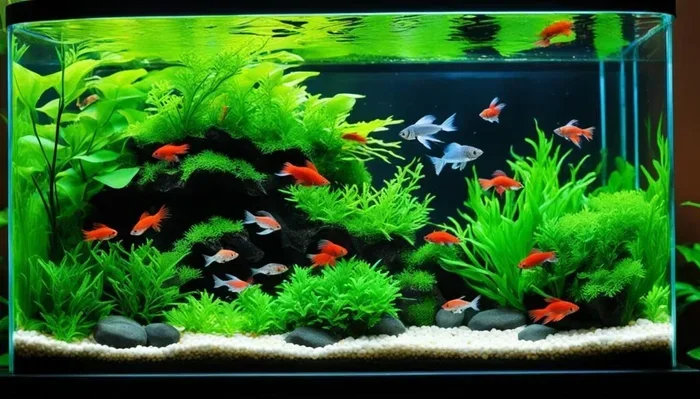
If you want companions for your betta, the safest approach is to choose fish that stay calm, occupy different areas, and do not resemble bettas too closely. Bright colors and long flowing fins can sometimes trigger chasing, especially in bold males. Bottom dwellers and schooling fish are often better choices because they use the tank in different ways. You can learn more about general compatibility in can you put betta fish together with other fish if you want a broader overview.
Bottom Dwellers That Often Work Well
Bottom-dwelling species can be excellent neighbors because they spend most of their time near the substrate while bettas patrol the middle and upper levels. Good options often include small, peaceful catfish or snail species that keep to themselves. These companions can also help make the tank feel more natural and active without competing directly with your betta. For a closer look at one popular option, see can you put snails and betta fish together.
Schooling Fish That May Fit
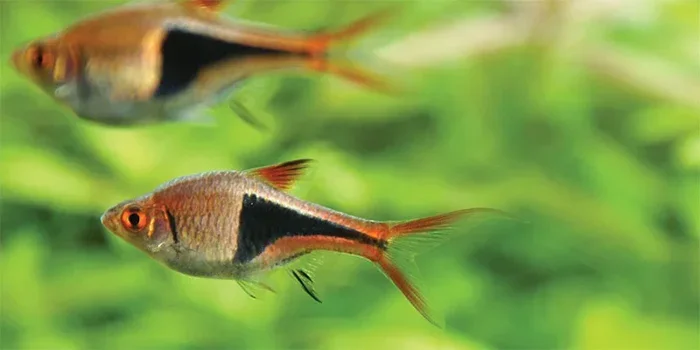
Small schooling fish can work in larger tanks because their movement pattern is different from a betta’s slow, deliberate cruising. A busy school may distract a betta and reduce targeting behavior, but only if the tank is roomy enough and the school is large enough to feel secure. If you want to compare specific species, you may also find can you put schooling fish with a betta useful when planning your community.
Fish to Approach with Caution
Some fish are simply too bold, too flashy, or too likely to nip fins. Others compete aggressively for food or need very different water conditions. Even if a species is generally peaceful, it may still clash with a particular betta. Always match temperament, not just size. For more guidance on mixing species safely, check can you put other types of fish with a betta before buying new tank mates.
Expert Insight
The best tank mate is not always the most colorful or interesting one. It is the fish that shares the tank without challenging your betta’s space, food, or peace of mind.
Tank Size, Setup, and Water Conditions That Support Compatibility
Compatibility is not only about species. It is also about the space and conditions you provide. A pair or group that might work in a large, well-planted tank can fail in a small, bare setup. Water quality, temperature stability, and layout all influence how fish behave toward one another. If you are new to betta care, you may also want to review can you put your betta fish in tap water so you understand how water choice affects overall health.
Why Space Changes Behavior
More space gives fish room to avoid each other when needed. It also reduces the feeling of being trapped, which can lower defensive behavior. In tight quarters, even mild curiosity can turn into repeated chasing. A larger tank supports better water stability too, which matters because stressed fish are more likely to act aggressively or become ill.
Layout and Hiding Places
A thoughtful layout helps fish establish zones without constant confrontation. Plants, leaf litter, rocks, and driftwood can break up sightlines and create safe retreats. This is especially useful when introducing new companions or when one fish needs a break from social pressure. A tank with variety usually feels more natural and less tense.
Water Quality and Stability
Stable water helps every fish stay calmer and healthier. Sudden changes in temperature, ammonia, nitrite, or nitrate can make a peaceful tank feel chaotic fast. Regular maintenance, careful feeding, and reliable filtration all support a more settled environment. Healthy fish usually handle social life better than fish that are already struggling.
How to Introduce New Fish Safely
Even compatible fish need a careful introduction. A rushed process can create bad first impressions that linger for weeks. The goal is to let the fish adjust gradually so they see each other as part of the environment instead of immediate rivals. If you want a visual overview of some of these interactions, you can also watch can you put betta fish together a video for extra context.
Step-by-Step Introduction Plan
A calm introduction works best when you follow a clear order. Use these steps as a simple framework:
- Prepare the tank first. Make sure water parameters are stable and the setup has shelter and open swimming areas.
- Add the new fish last. Let the existing fish settle before introducing a companion.
- Use a slow acclimation process. Match temperature and water conditions before releasing the new fish.
- Watch the first interactions closely. Expect some posturing, but look for repeated attacks or panic.
- Feed separately at first if needed. This reduces competition during the most sensitive period.
- Be ready to separate fish. Have a backup plan if behavior becomes unsafe.
Signs That the Pairing Is Working
A successful pairing usually looks calm after the first few days. Fish may ignore each other, share the tank peacefully, or interact only briefly without escalation. Feeding should stay normal, and no fish should spend all of its time hidden or damaged. When the tank feels balanced, your betta is more likely to relax and behave naturally.
Signs That You Should Separate Fish
Not every introduction ends well. Persistent chasing, torn fins, hiding all day, loss of appetite, and visible stress are warning signs. If one fish is clearly being bullied, do not wait for the situation to fix itself. Separate the fish and reconsider the pairing before injuries or illness develop.
Common Mistakes
- Adding too many fish at once
- Choosing tank mates based only on looks
- Skipping acclimation and water matching
- Ignoring early chasing because it seems minor
- Using a tank that is too small for the group
Choosing Companions by Species Type
Some owners want a simple community, while others want a more active tank with several species. Either goal can work if you match the fish carefully. The key is to think about feeding zones, swimming levels, and behavior rather than just picking fish that look nice together. For more ideas on mixed-species setups, you can explore can you put fish with betta fish and related compatibility guides.
Snails and Gentle Cleanup Crew Options
Snails are often appealing because they move slowly and usually stay out of a betta’s way. They can help keep the tank cleaner by grazing on leftover food and algae. Still, even snails need suitable water and enough space to avoid being stressed by strong currents or aggressive behavior. If you are considering a snail companion, review can you put fresh water snails in with betta fish for more detail.
Small Peaceful Fish for Larger Tanks
In bigger aquariums, some small peaceful fish can share the space without causing trouble. The best candidates usually stay calm, do not flash bright aggressive colors, and do not chase. They should also have similar water needs so you are not forcing one species to live in conditions it dislikes. A larger tank gives everyone more room to avoid conflict.
Species That Usually Create Problems
Certain fish are more likely to cause issues because they nip, compete aggressively, or provoke chasing. Others may be too active for a betta that prefers calm water. It is usually safer to avoid species that constantly dart around the betta or compete for the same surface feeding area. If you are comparing specific options, you may also want to look at can you put other fish in with a betta fish before deciding.
Comparison Table: Betta Pairing Options at a Glance
| Setup Type | Best For | Main Risk | Best Tank Size |
|---|---|---|---|
| Single male betta | Beginners, simple care, calm display tanks | Boredom if under-stimulated | Moderate to large |
| Female sorority | Experienced keepers, active social tanks | Hierarchy disputes during introduction | Large with cover |
| Male with peaceful bottom dwellers | Community-style tanks with different zones | Territorial guarding near bottom | Spacious and structured |
| Male with small schooling fish | Larger tanks with active mid-water movement | Chasing if school is too small | Large and well-planted |
| Male and female pairing | Temporary breeding plans | Long-term stress or harassment | Very large with escape routes |
Final Thoughts on What Betta Fish Can You Put Together
If you are still asking what betta fish can you put together, the best answer is simple: choose companions that respect your betta’s space and match the tank you actually have. A single male can live very well on his own, a carefully introduced female group can thrive with enough room, and some peaceful species can share the tank when the setup supports them. The wrong pairing, however, can turn a beautiful aquarium into a stressful one very quickly.
The most successful betta communities are built on patience, observation, and realistic expectations. Start with good water, enough space, and a calm layout. Add new fish slowly. Watch behavior every day during the first weeks. If something looks off, act early instead of hoping it will improve on its own. That approach gives your betta the best chance to stay healthy, colorful, and comfortable.
A well-planned tank is more than a decoration. It is a balanced little ecosystem where each fish has a role and a safe place to exist. When you choose companions thoughtfully, you create a setup that is easier to maintain and more enjoyable to watch. That is the real goal behind every good betta community.
Frequently Asked Questions
Can you put two male betta fish in the same tank?
Usually no, because two males often compete for territory and may injure each other. A very large, heavily divided tank can sometimes reduce conflict, but most home aquariums are better off with a single male.
Can female betta fish live together safely?
They can often live together if the tank is large enough and the group is introduced carefully. Some chasing is normal at first, but ongoing aggression means you should separate the fish.
What fish make the safest tank mates for a betta?
Peaceful bottom dwellers and small schooling fish are often safer choices when the tank is roomy and the fish are calm. The best match depends on your betta’s personality and the tank setup.
Can a betta live with snails?
Yes, many bettas live peacefully with snails, especially when the snails are small and the water conditions suit both animals. You should still monitor the tank because some bettas may investigate or nudge new tank mates.
Do bettas get lonely without other fish?
Not necessarily, because bettas do not need companions the way social schooling fish do. A well-enriched tank with plants, gentle activity, and proper care can keep a single betta healthy and engaged.
How do I know if my betta is stressed by tank mates?
Signs include constant hiding, faded color, torn fins, loss of appetite, and repeated chasing. If you see these problems, separate the fish and reassess the compatibility of the setup.