What Do Wild Betta Fish Eat in Their Natural Habitat
Wild betta fish are natural hunters that thrive on a varied diet of insects, larvae, and small crustaceans. Understanding what do wild betta fish eat helps you provide better nutrition for your captive betta. Their natural feeding habits focus on high-protein foods found in shallow rice paddies and slow-moving streams. Replicating this natural diet improves color, energy, and overall health in your home aquarium.
This is a comprehensive guide about what do wild betta fish eat.
Key Takeaways
- Insect-based diet: Wild bettas primarily consume insects, mosquito larvae, and small aquatic bugs.
- High-protein needs: Their natural habitat provides protein-rich foods that support vibrant colors and active swimming.
- Opportunistic feeders: Bettas eat whatever they can catch, including small crustaceans and worms.
- Seasonal changes: Food availability shifts with weather, affecting how much and what they consume.
- Captive diet comparison: You can mimic their wild diet with live foods, frozen options, and quality pellets.
- Avoid overfeeding: Wild bettas eat small amounts frequently, so replicate this pattern at home.
- Water quality matters: Their natural feeding environment stays clean, making tank maintenance crucial for health.
[FEATURED_IMAGE_PLACEHOLDER]
Introduction
Bettas are famous for their bright colors and flowing fins. Most people know them as popular aquarium pets. But few stop to think about where they come from. In the wild, these fish live in very different conditions than the small tanks we keep them in. Their food sources are just as different. If you have ever wondered what do wild betta fish eat, you are in the right place. Understanding their natural diet helps you make better choices for your own fish.
Wild bettas roam through shallow waters in Southeast Asia. They swim through rice fields, slow streams, and flooded grasslands. These environments are full of tiny moving snacks. The fish do not rely on one single food source. They hunt, scavenge, and sample whatever they can find. This varied eating style keeps them strong and healthy. It also explains why captive bettas do best with a mixed diet.
In this guide, we will break down their natural feeding habits in simple terms. You will learn what they catch, how they hunt, and why their diet changes with the seasons. We will also look at how you can bring those wild habits into your home tank. Let’s dive into the natural world of the betta fish.
What Do Wild Betta Fish Eat in Their Natural Habitat
The short answer is simple. Wild bettas eat mostly insects and tiny aquatic creatures. They are built for hunting small, moving prey. Their mouths are designed to snap up food quickly at the surface or in the water column. In their natural home, they rarely graze on plants or chew on hard objects. They want protein and movement.
You can think of them as opportunistic hunters. They do not plan meals. They take what they can get. A falling insect, a wiggly larva, or a small shrimp-like creature all become fair game. This flexible feeding style helps them survive in changing environments. When one food source disappears, they switch to another.
Insects and Mosquito Larvae
Insects make up the biggest part of their wild diet. Mosquito larvae are a favorite target. These larvae float near the surface and move in a way that triggers a betta’s hunting instinct. Bettas also eat adult mosquitoes when they land on the water. They catch gnats, small flies, and other surface insects that drift too close.
This insect-heavy diet is very important. It gives bettas the protein they need for growth and energy. It also provides fats that support their bright colors. In the wild, a betta that eats well has a stronger immune system and better fin condition. If you want to learn more about how bettas handle insects in their diet, you can read about do betta fish eat insects for more detail.
Small Crustaceans and Worms
Insects are not the only snack on the menu. Wild bettas also eat small crustaceans. Tiny shrimp-like creatures and water fleas are common in their habitat. These foods are rich in protein and easy to catch. Worms also appear in their diet, especially small aquatic worms that live in muddy bottoms.
These protein sources matter a lot. They help bettas build muscle and maintain steady energy. In shallow water, these tiny creatures often drift or crawl near the surface. That makes them easy targets for a hungry betta. If you are curious about how bettas handle shrimp-based foods, check out do betta fish eat shrimp pellets for a closer look at their feeding preferences.
Occasional Plant Matter and Debris
Bettas do not eat plants as a main food source. Still, they may nibble on soft plant matter or algae in passing. This usually happens when they are searching for insects hiding near roots or leaves. They might also swallow tiny bits of decaying plant material by accident while hunting.
This means plants are not a real meal for them. They are more like background noise in the feeding process. Their bodies are built for meat-based foods, not for grinding down tough fibers. If you ever see a betta touching a plant, it is usually curiosity or hunting behavior, not hunger for the plant itself. You can explore this more in do betta fish eat the roots of plants.
How Wild Bettas Hunt and Feed
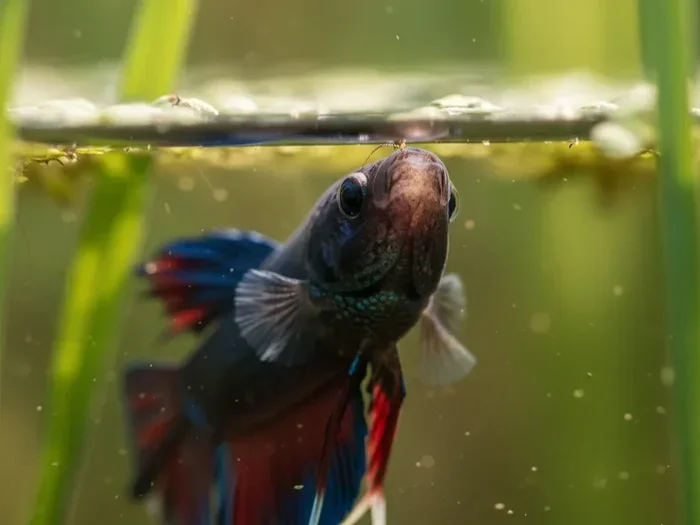
Wild bettas are patient hunters. They often hover near the top or middle of the water. They wait for movement. When something wiggles, they strike fast. Their feeding style is quick and precise. They do not chase prey for long distances. Instead, they use stealth and timing.
This hunting method matches their body shape. Bettas have a special lung-like organ called a labyrinth. It lets them breathe air from the surface. This helps them survive in low-oxygen water. It also keeps them near the top, where many insects gather. That is why so much of their natural food comes from the surface layer.
Surface Feeding Habits
Surface feeding is a big part of their daily routine. Many insects land on or near the water. Mosquito larvae also hang just below the surface. Bettas use this to their advantage. They watch, drift, and strike when the moment is right. This behavior is very different from bottom-feeding fish that scrape food off the substrate.
Their surface focus also affects how they eat in captivity. They often prefer food that floats or stays near the top. This is why many betta owners notice their fish ignoring food that sinks too fast. If you want to understand this better, you can read about do betta fish eat off the bottom of the tank.
Opportunistic Feeding Behavior
Bettas are not picky in the wild. They eat what is available. If insects are plentiful, they feast on them. If larvae are scarce, they switch to tiny crustaceans or worms. This flexibility helps them survive dry seasons and changing water levels. It also explains why captive bettas can adapt to different food types when needed.
This opportunistic style is useful for hobbyists too. It means bettas can thrive on a varied diet as long as the food is appropriate. They do not need one exact item. They need variety, protein, and regular feeding. That is a helpful mindset when planning a home diet.
Seasonal Changes in Their Natural Diet
The wild betta habitat changes with the weather. Rainy seasons bring more water, more insects, and more food. Dry seasons shrink the habitat and reduce available prey. These changes affect how much bettas eat and what they find.
During wet months, food is easier to find. Insects breed faster. Larvae fill shallow pools. Bettas eat more often and grow stronger. In drier periods, food becomes limited. They may eat less and move less. This natural cycle teaches us that bettas do not need constant heavy feeding. They are built for bursts of food, not endless meals.
Wet Season abundance
Rainy seasons create perfect hunting conditions. Shallow fields fill with water. Insects lay eggs in the new pools. Larvae appear in large numbers. Bettas take advantage of this boom. They feed often and store energy. This is when they are most active and visibly healthier.
More food also means more competition. Bettas still rely on stealth, not speed. They pick their moments and avoid waste. This smart feeding style helps them get enough nutrition without burning too much energy.
Dry Season survival
When water levels drop, food becomes harder to find. Insects may disappear from some areas. Larvae numbers fall. Bettas adjust by eating less and moving less. They conserve energy and wait for better conditions. This natural slowdown is normal and healthy for them.
This seasonal rhythm is important for aquarium keepers to understand. It shows that bettas can handle short periods of reduced feeding. It also reminds us that overfeeding is not natural for them. A lighter, balanced approach often works better than heavy daily meals.
How to Replicate a Wild Betta Diet in Captivity
You do not need to catch insects in your backyard to feed your betta well. You just need to match the spirit of their natural diet. That means high-protein foods, variety, and sensible feeding habits. A good captive diet mimics what they would find in the wild without causing stress or imbalance.
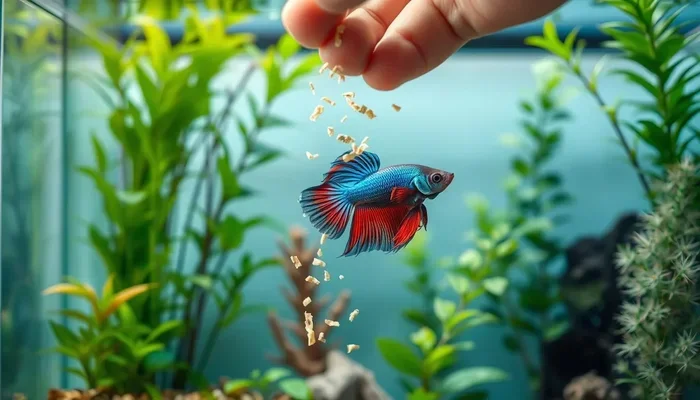
The best approach is to mix food types. Use quality pellets as a base. Add live or frozen foods for variety. Offer small amounts more than one time a day if your schedule allows. Keep portions modest. Bettas do best when they feel slightly hungry between meals.
Live and Frozen Food Options
Live foods are the closest match to wild feeding. Brine shrimp, bloodworms, and small worms are popular choices. They move, which triggers natural hunting behavior. Frozen versions are easier to store and still offer strong nutrition. These foods can be given as treats or as part of a regular rotation.
Live and frozen foods are especially helpful for picky eaters. They can also improve color and activity. Just keep portions small. Too much rich food can cause digestive issues. Variety is the goal, not excess.
High-Quality Pellets and Flakes
Pellets and flakes are convenient and balanced. Good betta pellets are made with protein as the main ingredient. They float or sink slowly, which suits a betta’s surface feeding style. Flakes can work too, but many bettas prefer food that stays near the top.
When choosing pellets, look for simple, clear ingredients. Avoid fillers that add bulk without real nutrition. A strong primary diet helps your betta stay healthy day to day. You can learn more about suitable staple foods in do betta fish eat regular fish food.
Feeding Schedule and Portion Control
A good rule is to feed small amounts that your betta can finish quickly. Many keepers feed once or twice a day. Some prefer one larger meal and one smaller one. The key is consistency and moderation. Watch how your fish responds. If food sits uneaten, reduce the portion.
It also helps to include a short fasting day now and then. This mimics natural food scarcity and supports digestion. It is not about starving your fish. It is about keeping feeding balanced and natural.
Common Mistakes When Feeding Bettas Like Wild Fish
Many new keepers try to copy the wild diet too literally. That can lead to problems. Wild bettas live in a very different environment than a home tank. They face natural competition, changing water, and constant movement. In a tank, the goal is balance, not exact replication.
Here are some common mistakes to avoid:
- Overfeeding rich foods: Too many live or frozen treats can upset digestion.
- Ignoring water quality: Extra food breaks down and pollutes the tank quickly.
- Assuming bettas eat plants: They do not need plant-based meals as a main diet.
- Feeding only one food type: Variety matters for long-term health.
- Forgetting portion size: Small, frequent meals work better than large heavy feedings.
Overfeeding and Water Quality Issues
Extra food does more than fill a stomach. It decays. That decay raises waste and stresses the filter. Poor water quality can cause fin trouble, dull color, and low energy. Wild bettas live in environments where food is available, but waste is also carried away by moving water. In a tank, you must manage that balance yourself.
Keep the tank clean. Remove uneaten food. Test water regularly. A healthy environment matters just as much as the food itself. If you want to understand how bettas behave around waste and unusual food sources, you can read do betta fish eat their poop for a closer look at common betta behaviors.
Wrong Food Types and Misunderstandings
Some people think bettas will eat anything small. That is not quite true. They may pick at things out of curiosity, but that does not mean those things are good food. They are not plant-eaters, and they do not need hard or filler-heavy foods. Their bodies want protein and easy-to-digest meals.
Another misunderstanding is that bettas should act like bottom feeders. They usually do not. They prefer food near the top or middle. If food sinks too fast, they may ignore it. That does not mean they are starving. It means the food style does not match their natural feeding habits.
Expert Insights and Quick Tips
Here are a few practical tips to keep your betta healthy and active:
- Rotate food types: Mix pellets with frozen or live treats during the week.
- Watch behavior: A healthy betta is alert, responsive, and eager to eat.
- Keep portions small: Feed only what your fish can finish in a few minutes.
- Use clean water: Good nutrition works best in a clean, stable tank.
- Match food to feeding style: Choose floating or slow-sinking foods for better uptake.
- Avoid constant snacking: Regular meals beat random overfeeding.
Quick Tip: Observe Before You Change
Before changing your betta’s diet, watch how it eats. Some bettas love live food right away. Others need time to adjust. Some prefer certain pellet brands. Your fish will tell you a lot if you pay attention. Small changes work better than big sudden switches.
Quick Tip: Keep It Simple
You do not need a complicated feeding plan. A good staple food, a few treat options, and a steady schedule are enough. Simple routines are easier to manage and easier for your betta to adapt to. Consistency is one of the best tools you have.
Conclusion
So, what do wild betta fish eat? They eat insects, larvae, tiny crustaceans, and other small moving prey found in shallow tropical waters. Their natural diet is high in protein and built around hunting, not grazing. This feeding style shapes their behavior, energy, and health. It also gives us a clear guide for feeding them in captivity.
The best home diet reflects that wild balance. Offer quality staple food. Add variety with safe live or frozen options. Keep portions modest. Maintain clean water. When you match their natural needs without overcomplicating things, your betta will usually show better color, stronger activity, and a healthier appetite.
If you remember one thing, let it be this: wild bettas thrive on variety, protein, and moderation. Use that idea as your guide, and you will give your fish a diet that feels closer to nature while still fitting your home aquarium.
Frequently Asked Questions
Do wild betta fish eat plants?
Wild bettas do not rely on plants for food. They may nibble soft plant matter while hunting, but their main diet is insects and small aquatic creatures.
What is the main food source for wild bettas?
The main food source is insects and insect larvae. They also eat small crustaceans and worms when they can find them in shallow water.
Can I feed my betta the same diet as wild bettas?
You can mimic the wild diet with high-protein pellets, frozen foods, and occasional live treats. Variety and moderation matter more than exact replication.
Do wild bettas eat other fish?
They usually do not hunt larger fish. They may eat very small fish or fry if the opportunity arises, but their main focus is insects and tiny prey.
How often do wild bettas eat?
They eat frequently when food is available, especially during wet seasons. In drier times, they eat less and conserve energy.
What human foods are safe for bettas?
Only a few human foods are safe in tiny amounts, such as plain peas or occasional cooked protein. Most human foods are not suitable for regular feeding.