How Much Do I Feed My Betta Fish for Best Health
Feeding your betta the right amount is one of the most important parts of daily care. How much do I feed my betta fish depends on age, activity level, and the type of food you use. Overfeeding can cause bloating, poor water quality, and even serious health issues. This guide breaks down exact portions, safe schedules, and simple tips so you can keep your betta healthy and active.
How much do I feed my betta fish is one of the most common questions new owners ask. The good news is that the answer is simple once you know a few basics. Bettas are small, active fish with fast metabolisms, but they do not need huge meals to stay healthy. In fact, giving them too much food is far more dangerous than giving them a little less. A steady, moderate feeding routine keeps their colors bright, their fins strong, and their tank water clean.
Many beginners worry that their fish looks hungry all the time. Bettas will often swim to the surface when they see you, but that behavior is more about curiosity than real hunger. These fish are used to small meals in the wild, so their bodies handle modest portions very well. The key is to learn what a proper meal looks like, stick to a simple schedule, and adjust based on how your fish responds. With a little practice, you will know exactly what works for your betta.
In this guide, we will walk through portion sizes, feeding times, safe food choices, and warning signs to watch for. You will also find practical tips for fry, adults, and fish that seem picky or slow. By the end, you will feel confident about your daily routine and ready to keep your betta in great shape.
Key Takeaways
- Portion size matters: Feed only what your betta can eat in two to three minutes to avoid waste and bloating.
- Twice a day is ideal: Split the daily amount into two small meals for steady energy and better digestion.
- Watch for overfeeding signs: Bloating, lethargy, and cloudy water often mean you are giving too much food.
- Vary the diet safely: Use high-quality pellets as a base, then add frozen or live treats in small amounts.
- Skip meals when needed: A short fasting day each week helps clear the digestive tract and prevents constipation.
- Remove uneaten food: Scoop out leftovers quickly to keep the water clean and protect your fish from stress.
- Adjust for age and size: Fry and young bettas need smaller, more frequent meals, while adults do well with modest portions.
📑 Table of Contents
How Much Do I Feed My Betta Fish Each Day
The short answer is that most adult bettas do best with a small amount twice a day. A good starting point is two to three pellets per meal, or a pinch of flakes that fits on the tip of a toothpick. If you use frozen or live foods, keep the portion tiny, about the size of a pea split into several pieces. The goal is to offer only what your fish can finish quickly without leaving leftovers behind.
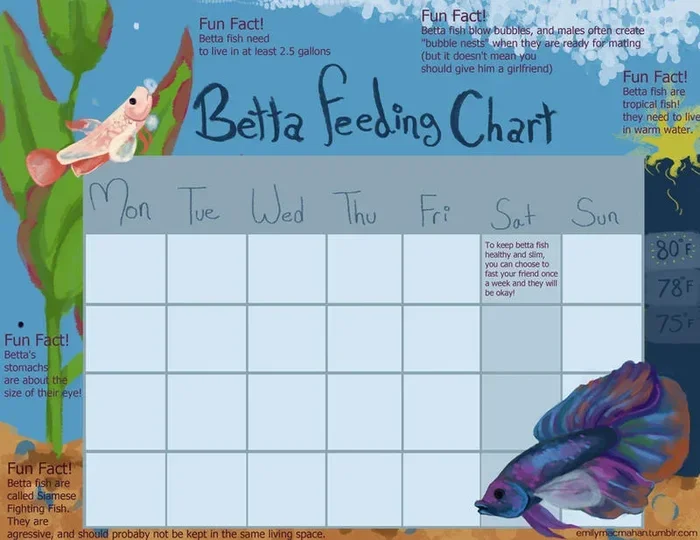
It helps to think of feeding as a daily habit rather than a big event. Bettas do not need a large dinner to feel satisfied. Their stomachs are roughly the size of their eye, which gives you a simple visual guide. If you notice food sinking to the bottom or floating for hours, you likely offered too much. On the other hand, if your betta looks thin or constantly searches for scraps, you may need to increase the portion slightly.
A Simple Starting Amount for Adults
For a healthy adult betta, try this easy routine:
- Morning meal: Two to three small pellets or a light pinch of flakes.
- Evening meal: The same small amount, given at roughly the same time each day.
- Treats: One or two frozen bloodworms, brine shrimp, or daphnia a few times a week, not every day.
This approach keeps meals consistent and easy to manage. You can adjust the amount after a week or two based on how your fish looks and how clean the tank stays. Remember that activity level matters too. A very active betta may use energy faster, while a calm or older fish may need a little less.
Adjusting Portions for Size and Age
Not every betta is the same size, and age plays a big role in how much food is right. Young bettas and growing fry need more frequent meals, but the portions should still stay small. Their bodies are building muscle and fins, so steady nutrition helps them develop. Adults, on the other hand, need maintenance rather than growth support. If your betta is fully grown and relaxed, a modest amount is usually enough.
If you are unsure, start small and watch the results. It is safer to add a little more later than to deal with the problems that come from overfeeding. You can also compare your betta’s shape over time. A healthy fish has a smooth, rounded body without a swollen belly. If the stomach looks puffy or the fish seems sluggish, scale back the portion and give the digestive system a break.
Best Feeding Schedule for Healthy Bettas
A steady schedule is one of the easiest ways to keep your betta healthy. Most owners do well with two feedings per day, spaced about twelve hours apart. This pattern mimics a natural rhythm and gives your fish time to digest between meals. Some people prefer once a day, which can work if the portion is right and the fish stays active. Still, two smaller meals usually feel more balanced and reduce the chance of hunger swings.
Timing also matters more than many people realize. Feeding at similar times each day helps your betta settle into a routine. You can feed after you check the tank, or at the same time you do your morning coffee. The exact clock time is not critical, but consistency is. When your fish knows what to expect, it feels more secure and less stressed.
Morning and Evening Routine
A simple daily rhythm might look like this:
- Morning: Check the water, remove any old food, then offer the first small meal.
- Midday: No feeding needed unless you are raising fry or treating a specific issue.
- Evening: Offer the second small meal, then watch your betta finish it.
- Before bed: Make sure no food remains on the surface or substrate.
This routine keeps things clean and predictable. It also gives you a chance to observe your betta twice a day, which makes it easier to spot changes in behavior or appearance. If you travel or need to change your schedule, a single daily feeding is usually fine for a short period. Just keep the portion modest and avoid doubling up later.
Should I Fast My Betta Sometimes
Yes, a short fasting day can be helpful. Many owners skip one meal each week, often on a slow day when the fish is less active. Fasting gives the digestive tract time to clear and can prevent constipation. It also reduces waste in the tank, which helps maintain better water quality. A full day without food is usually safe for a healthy adult betta, but you should not fast a young fish or a fish that looks thin.
If your betta seems bloated or sluggish, you can extend the break slightly and watch for improvement. Fasting is a simple tool, but it works best when paired with good portion control the rest of the week. Think of it as a reset rather than a regular diet plan.
Signs You Are Feeding Too Much or Too Little
Your betta will usually give you clear clues when the feeding routine is off. The trick is to pay attention before small problems turn into bigger ones. Overfeeding is the most common mistake, and it shows up in both the fish and the tank. Underfeeding can also cause issues, especially if the portions are too small for weeks at a time.
Common Overfeeding Warning Signs
Watch for these changes if you suspect you are giving too much food:
- Swollen belly: A round, puffy stomach that does not go away after a meal.
- Leftover food: Pellets or flakes lingering on the bottom or surface long after feeding.
- Cloudy water: Extra waste and decaying food can make the tank look murky.
- Lethargy: Your betta rests more than usual or loses interest in swimming.
- Frequent constipation: Hard stools or difficulty passing waste may point to too much food.
If you notice these signs, reduce the portion right away. Remove any uneaten food, and consider adding a short fasting day. In many cases, the fish recovers quickly once the routine is corrected.
Signs Your Betta May Need More Food
Underfeeding is less common, but it can happen if you are too cautious. Signs that your betta may need a slightly larger portion include:
- Thin body shape: The fish looks narrow or the spine is more visible than usual.
- Constant searching: Your betta keeps looking for food long after meals.
- Dull colors: A lack of nutrition can make colors look less vibrant over time.
- Low energy: The fish seems tired, though this can also signal water or health issues.
If you see these clues, increase the portion a little and monitor the response. Make changes slowly so you do not swing from one extreme to the other.
Safe Foods and Portion Sizes for Bettas
Bettas are carnivorous by nature, so they thrive on protein-rich foods. High-quality pellets made for bettas are a solid base because they are easy to measure and usually balanced for daily feeding. Frozen or live foods can be excellent supplements, but they should stay occasional rather than dominant. The best plan is a simple core diet with small treats added now and then.
Portion size depends on the food type, so it helps to know what you are offering. Pellets are easy because you can count them. Flakes can be trickier since they float and break apart, so use a very light pinch. Frozen foods should be thawed fully and given in tiny amounts. Live foods are fine in small numbers, but avoid offering anything too large or aggressive for your betta to handle.
Pellets, Flakes, and Frozen Options
Here is a quick way to think about portions by food type:
- Pellets: Two to three small pellets per meal is a common starting point for adults.
- Flakes: A tiny pinch that your betta can finish in a minute or two.
- Frozen bloodworms or brine shrimp: A few pieces, not a full block, and only a few times a week.
- Frozen daphnia: Small amounts work well as a light treat and may help with digestion.
If you want to learn more about specific treats, you can explore guides on safe options like feeding shrimp to your betta or offering live fish as a treat. These resources can help you choose foods that are appropriate and easy for your betta to eat.
Foods to Avoid or Limit
Some foods are not a good fit for bettas, even if they seem convenient. Human foods, greasy items, and large chunks can cause digestive trouble or dirty the tank quickly. It is also wise to avoid feeding random aquarium foods that are not made for bettas, since the nutrient balance may be wrong. If you are curious about foods that do not belong in a betta diet, articles on rice, bread crumbs, and peas can help you understand what to skip.
Stick to foods that are small, protein-focused, and easy to digest. When in doubt, choose the simplest option and keep the portion modest. A stable diet is usually better than a long list of random treats.
How to Feed Your Betta Without Making a Mess
Feeding seems simple, but a few small habits make a big difference. The first rule is to offer food slowly so your betta can catch it easily. Bettas are surface feeders, so floating food is often easier for them to grab than food that sinks too fast. If you use pellets, drop them in one at a time and watch how your fish responds. If you use flakes, sprinkle a tiny amount rather than dumping a large pinch into the tank.
It is also smart to feed away from strong filter flow if possible. Strong currents can push food around and make it harder for your betta to eat. In a small tank, this can create waste quickly. If your betta seems frustrated or misses food often, try reducing the current during feeding or placing the food in a calmer spot.
Quick Feeding Tips
- Start small: Offer less than you think your betta needs, then adjust after a few days.
- Watch the finish: Make sure the food is eaten within a few minutes.
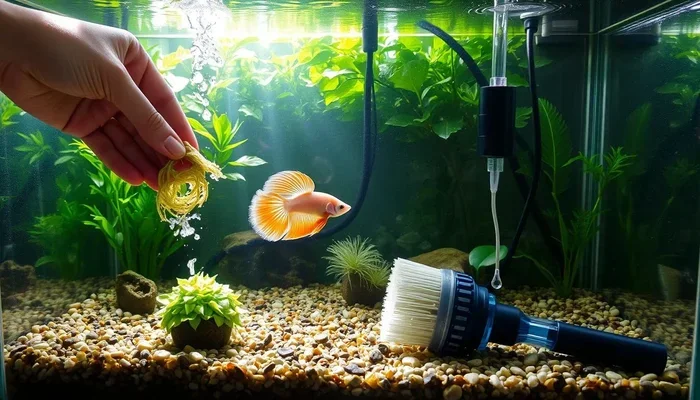
- Remove leftovers: Use a net or siphon to clear uneaten food before it breaks down.
- Keep it clean: Wash your hands before feeding and avoid introducing dirt or soap into the tank.
- Be consistent: Use the same general times and portions so your betta stays comfortable.
These habits keep the tank cleaner and make feeding less stressful for your fish. They also help you notice problems early, since you will be observing your betta up close every day.
Common Feeding Mistakes to Avoid
Even experienced owners can slip into bad habits now and then. Here are a few mistakes that are easy to prevent:
- Feeding by eye instead of portion: Guessing too often leads to uneven meals.
- Giving too many treats: Extra snacks add up quickly and can upset digestion.
- Leaving food in the tank: Uneaten food decays and harms water quality.
- Changing portions too fast: Sudden changes can confuse your fish and make it harder to judge what works.
- Ignoring the fish’s response: A betta’s body and behavior tell you a lot if you pay attention.
Avoiding these mistakes is mostly about staying consistent and observant. A simple routine usually works better than a complicated one.
Expert Insights on Feeding for Long-Term Health
Healthy feeding is not just about the amount. It is also about balance, observation, and good tank care. Many betta problems begin with food that is too abundant or too varied in the wrong way. A stable diet with small portions supports digestion, keeps waste lower, and helps your fish maintain a healthy body shape. Water quality matters too, because leftover food and extra waste can stress your betta even if the portions seem reasonable.
Experts often remind owners that bettas are not bottom feeders, so food should be offered where the fish can easily reach it. If you want to understand more about feeding behavior, you can read about whether bettas feed at the bottom to see why surface and mid-water feeding is usually more natural. It also helps to remember that each fish is a little different. Some bettas are energetic and eager, while others are calmer and eat more slowly. Adjust your routine to match the fish you actually have, not the one you imagined.
Key Takeaways for Healthy Feeding
- Keep portions small: A modest meal twice a day is usually enough for a healthy adult.
- Use a core diet: Quality pellets work well as the main food, with treats added sparingly.
- Clean up after feeding: Removing leftovers protects water quality and reduces stress.
- Watch body shape: A smooth, healthy belly is a better guide than hunger behavior alone.
- Make changes slowly: Small adjustments help you find the right amount without overcorrecting.
If your betta is growing, aging, or dealing with a health issue, the feeding plan may need a few tweaks. Young fish often need more frequent meals, while older fish may prefer smaller portions. A fish that seems unwell may need gentler food choices and closer observation. When you stay flexible and attentive, you give your betta the best chance to stay active and colorful.
At the end of the day, how much do I feed my betta fish is really a question about balance. Your betta does best with steady meals, clean water, and a diet that matches its size and age. Start with a small amount, keep the routine simple, and let your fish’s appearance guide you. With a little consistency, feeding becomes an easy part of care instead of a daily guessing game.
Frequently Asked Questions
How much should I feed my betta fish each day?
Most adult bettas do well with two small meals a day, usually two to three pellets or a tiny pinch of flakes per meal. The exact amount depends on your fish’s size, age, and activity level, so start small and adjust as needed.
Can I feed my betta fish once a day instead of twice?
Yes, once a day can work if the portion is right and your betta stays active and healthy. Twice a day is often easier on digestion and helps keep energy more steady, but a single modest meal is usually fine for many adults.
What happens if I feed my betta fish too much?
Overfeeding can lead to a swollen belly, sluggish behavior, constipation, and dirtier water from leftover food. It is one of the most common feeding mistakes, so it is better to offer less and increase slowly if needed.
How do I know if my betta fish is hungry?
A betta may swim toward you or search the surface, but that does not always mean it is truly hungry. A better sign is body shape and energy, so use those clues along with a consistent feeding routine rather than relying on begging behavior alone.
Can I give my betta fish treats like shrimp or live food?
Yes, small treats can be offered occasionally, but they should stay minor compared with the main diet. If you want to try treats, start with tiny amounts and watch how your betta handles them before making them a regular habit.
Should I remove uneaten food from the tank?
Yes, you should remove uneaten food as soon as you notice it. Leftovers can break down quickly, cloud the water, and create stress for your betta, so a quick cleanup after feeding is a smart habit.