How Many Days Can A Betta Fish Go Without Eating Safely
Betta fish can typically survive 7 to 14 days without food, but regular fasting beyond a few days harms their health. Short skips are fine, but prolonged hunger weakens their immune system and causes stress. Always plan ahead for trips and maintain a consistent feeding schedule. Understanding how many days can a betta fish go without eating helps you avoid dangerous mistakes and keep your fish thriving.
Key Takeaways
- Safe fasting window: Healthy adult bettas can handle 3 to 5 days without food, but longer gaps cause stress and health decline.
- Survival vs health: While bettas may survive up to two weeks without meals, their condition deteriorates quickly without proper nutrition.
- Age and condition matter: Young, sick, or elderly fish need more frequent feeding and cannot tolerate long fasting periods.
- Water quality affects tolerance: Clean, warm water helps fish cope better during short food breaks, while poor conditions worsen stress.
- Automatic feeders help: Reliable feeding devices prevent accidental starvation during weekends or short trips.
- Overfeeding is risky too: Giving too much food causes bloating and water pollution, so portion control matters just as much as consistency.
- Plan ahead for travel: Arrange backup care or use trusted feeding tools before leaving your betta unattended for more than a couple of days.
📑 Table of Contents
- Understanding How Many Days Can A Betta Fish Go Without Eating
- Safe Fasting Limits For Healthy Adult Bettas
- Survival Time Versus Healthy Time
- Factors That Change Fasting Tolerance
- How To Prepare When You Will Be Away
- Signs Your Betta Is Struggling Without Food
- Feeding Mistakes That Make Fasting Worse
- Expert Insights And Practical Takeaways
- Conclusion
Understanding How Many Days Can A Betta Fish Go Without Eating
Many new fish keepers ask how many days can a betta fish go without eating before real harm happens. The short answer is that a healthy adult betta can manage a few days without meals, but longer gaps create real problems. Fish do not handle starvation the same way mammals do. Their bodies slow down, their energy drops, and their immune system weakens fast.
Bettas are hardy in many ways, but they still need steady nutrition. A balanced diet supports bright colors, strong fins, and active behavior. When food disappears for too long, you may notice lethargy, fading color, or slow reactions. These signs show that the fish is struggling, even if it still looks alive.
It helps to think about feeding in two parts. First, there is short-term survival. Second, there is long-term wellness. A betta might survive a stretch without food, yet still suffer damage that takes weeks to recover from. That is why planning matters so much. If you know you will be away, set up a safe feeding plan before you leave.
Water conditions also play a big role. Clean water with stable temperature helps fish cope better during brief food breaks. Poor water quality adds stress and makes fasting much harder on the body. So the real answer depends on the whole environment, not just the calendar.
What Happens Inside A Betta During Fasting
When a betta stops eating, its body switches to stored energy. At first, this feels manageable. The fish may swim a little slower and show less interest in exploring. After a few days, the body starts conserving energy more aggressively. Muscle tone can drop, and the fish may rest more on leaves or the tank floor.
The digestive system also slows down. That sounds helpful, but it can cause issues when feeding returns. A sudden large meal after a long fast can shock the system. This is why reintroduction should be gentle. Small portions work better than a full feeding right away.
Stress hormones can rise during fasting too. Even if the tank looks calm, the fish may feel internal strain. This is especially true for younger fish or those already dealing with illness. A stable routine usually keeps stress lower and helps the fish stay resilient.
Safe Fasting Limits For Healthy Adult Bettas
For a healthy adult betta, a short break from food is usually fine. Many keepers find that 2 to 3 days causes little trouble when the tank is well maintained. Some fish can handle a bit longer, but that does not mean they should. The goal is not just survival. The goal is keeping your fish comfortable and strong.
After about 4 to 5 days, the risks start rising. You may see reduced activity, less vibrant color, or a lower appetite when food returns. These changes do not always mean disaster, but they do signal that the fish is under pressure. If you notice these signs, it is wise to resume feeding carefully and check the tank conditions.
Beyond a week, the situation becomes more serious. The body weakens, immunity drops, and the fish becomes more vulnerable to disease. Even if the betta survives, recovery can take time. That is why most experienced keepers avoid letting fasting stretch too far.
Short Trips And Weekend Absences
Weekend trips are common, and many people worry about leaving their fish behind. A brief absence of 2 days is usually manageable if the tank is healthy and the fish is in good condition. Still, it is better to prepare in advance rather than hope for the best. A small plan now can prevent a big problem later.
If you only step out for a couple of days, make sure the tank is clean before you go. Check the temperature, confirm the filter is working, and avoid overfeeding right before departure. Extra food left in the tank can spoil the water faster than the fish running out of meals.
For longer weekends, an automatic feeder or a trusted helper works well. These options keep the routine steady and reduce guesswork. If you want more detail on short absences, you can read this guide on can you leave a betta fish for 2 days. It explains what to watch for and how to prepare your tank before you step out.
When Fasting Becomes Risky
Fasting becomes risky when the fish is already stressed or unwell. Signs that your betta may not handle a food break well include:
- Faded or dull coloration
- Clamped fins
- Heavy breathing at the surface
- Hiding more than usual
- Visible spots, tears, or sores
If you see these issues, do not assume the fish can wait out a trip. A sick or weak betta needs more support, not less. In those cases, consistent feeding and stable water quality matter even more.
Survival Time Versus Healthy Time
There is a big difference between surviving and staying healthy. A betta may live through a longer fast, but that does not mean it stays in good shape. Survival time can stretch longer than many people expect, especially in clean water. Healthy time is much shorter because the fish needs regular fuel to stay active and resilient.
Think of it like this. A person can survive a rough stretch without enough food, but energy, mood, and strength still suffer. Fish experience a similar pattern. They may keep going, yet their body pays a price. That is why it is better to focus on what keeps your betta well, not just what keeps it alive.
If you are curious about longer gaps, it is worth looking at how bettas handle extended fasting in different situations. For example, this article on can a betta fish survive without food breaks down what happens when meals are missed for too long. It is useful context if you are trying to understand the limits of fasting.
Why Prolonged Hunger Harms The Fish
Long fasting periods affect more than appetite. They can influence:
- Energy levels
- Immune response
- Fin and scale condition
- Behavior and activity
- Recovery from minor stress
A betta that goes too long without food may become less responsive and less able to handle changes in the tank. Even small stressors, like a slight temperature shift or a minor water change, can feel harder when the fish is already depleted.
Factors That Change Fasting Tolerance
Not every betta handles food breaks the same way. Several factors change how long a fish can go without eating before problems appear. Age is one of the biggest ones. Younger fish often need more regular meals because they are still growing. Older fish may also struggle more if their digestion or energy reserves are not as strong.
Overall health matters too. A fish that is already dealing with illness, injury, or poor water quality has less room to cope. A strong, well-conditioned betta usually handles short gaps better. That is why it helps to look at the whole picture instead of relying on a single number.
Tank conditions also affect tolerance. Warm, clean, well-filtered water supports better metabolism and lower stress. Cold or dirty water makes everything harder. If the environment is unstable, even a short fast can feel much worse.
Age, Size, And Condition
Smaller or younger bettas often have fewer energy reserves. They may also burn energy faster because they are still developing. That means they should not go without food as long as a sturdy adult. Older fish can be more sensitive too, especially if they have less appetite or slower digestion.
Condition matters just as much as age. A betta in great shape usually handles a brief break better than one that is already thin or stressed. If your fish looks robust and active, short fasting is less risky. If your fish looks weak, it is better to keep feeding consistent.
Water Temperature And Tank Stability
Temperature has a strong effect on fish metabolism. When water stays in a healthy range, the betta’s body works more smoothly. When the temperature drops too low, digestion slows and the fish becomes less active. That can make fasting feel harder on the body.
Stable tanks also reduce stress. Sudden changes in water quality, flow, or temperature can make a food break much more difficult. Before leaving your fish for any length of time, make sure the setup is steady. A calm tank gives your betta a better chance to stay comfortable.
How To Prepare When You Will Be Away
The best way to avoid problems is to plan ahead. A little preparation goes a long way. First, check the tank a day or two before you leave. Make sure the water is clean, the temperature is steady, and the equipment is working. This is the easiest way to lower stress on your fish while you are gone.
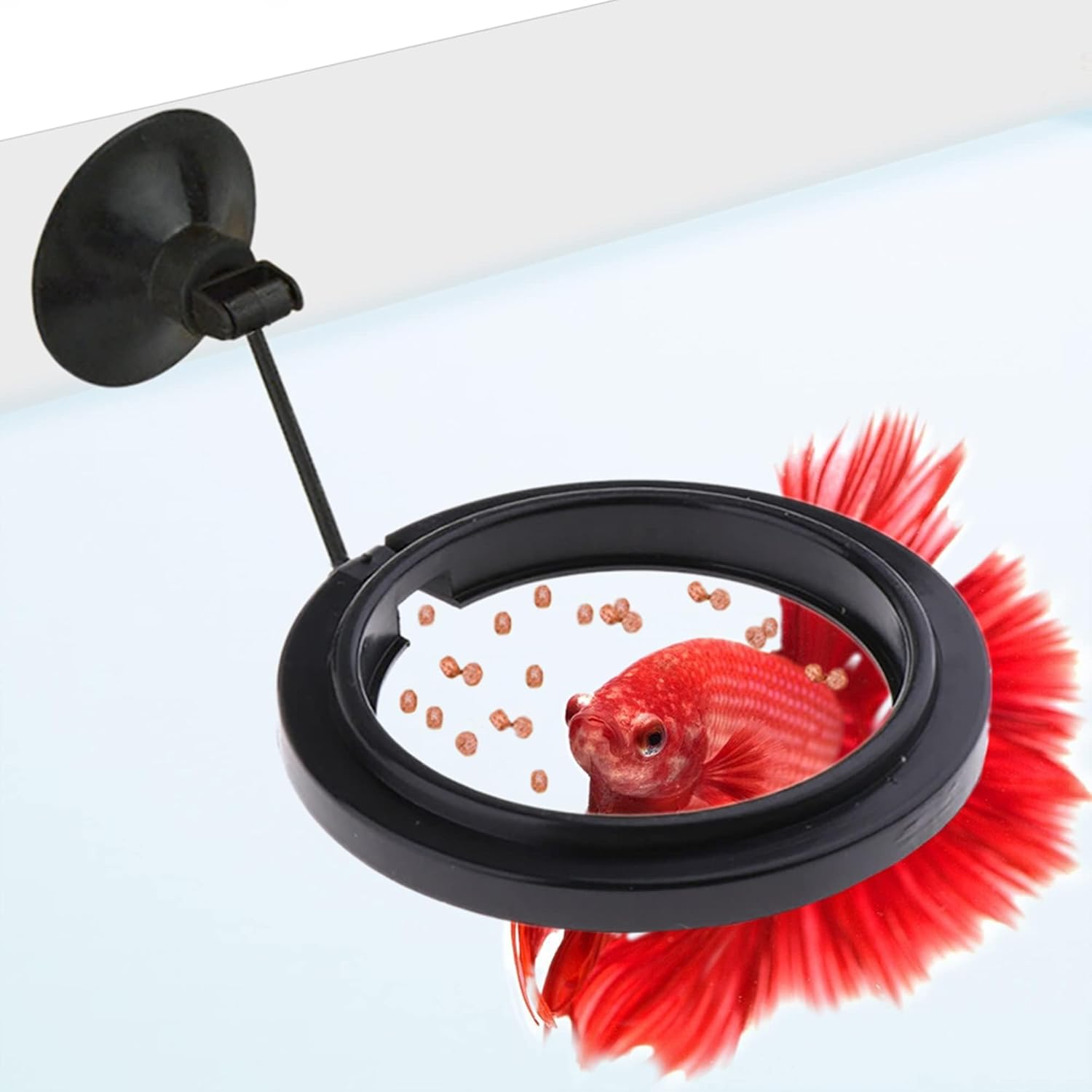
Next, think about feeding. If you will only be gone a short time, your betta may be fine with a small pre-departure meal and a clean tank. If you will be away longer, use a reliable backup. An automatic feeder can help keep portions consistent. A friend or family member can also help, as long as they understand the feeding amount.
Do not overfeed before you leave. Many people make the mistake of dumping extra food into the tank, thinking it will help. In reality, leftover food can cloud the water and create waste issues. Small, regular portions are safer than a big burst of food.
Best Practices Before Leaving
- Test the water and fix any obvious issues
- Confirm the heater and filter are working properly
- Feed a normal portion, not an extra-large one
- Remove excess waste and uneaten food
- Set up a backup feeding plan if you will be gone longer than a couple of days
If you are leaving for a weekend, you may also want to review can your betta fish go a weekend without food for practical guidance. It can help you decide whether your fish is likely to be fine alone or whether you need extra support.
Using Automatic Feeders Wisely
Automatic feeders can be very helpful, but they work best when you test them first. Run the feeder for a day or two while you are home so you can confirm the portion size and timing. This prevents surprises when you are away.
Keep the feeder filled with the right food and check that it releases the food where the fish can find it. Some tanks have spots where food gets trapped, so placement matters. A good setup should drop food in a predictable, accessible area.
Also remember that technology can fail. If you will be gone for an important trip, it is smart to have a backup plan. A trusted person who can check the tank is often the safest option.
Signs Your Betta Is Struggling Without Food
It is important to know what stress looks like. A betta that is handling a fast reasonably well may still swim, breathe normally, and react to movement. Trouble starts when the fish becomes noticeably dull, slow, or withdrawn. Those changes are clues that the tank needs attention.
Watch for changes in posture too. A betta that stays hunched, lies on surfaces more than usual, or floats oddly may be having a hard time. Appetite changes also matter. If your fish refuses food for a long time after feeding returns, something may be wrong.
Water quality should be checked if you see any of these signs. Sometimes the problem is not just the missing meals. It can be a combination of fasting, stress, and poor conditions. Fixing the environment often helps the fish recover faster.
What To Do If Your Fish Looks Weak
If your betta seems weak after a food gap, start by improving the tank conditions. Make sure the water is clean and the temperature is stable. Then offer a small, easy-to-digest meal. Small portions help the fish ease back into normal feeding without overload.
Keep an eye on behavior for the next day or two. If the fish starts moving more normally and shows interest in food, that is a good sign. If the condition worsens, or if you notice physical symptoms, it may be time to investigate further. You can also read can you save a betta fish from dying if you are worried about a fish that looks very unwell.
Feeding Mistakes That Make Fasting Worse
Many feeding problems come from simple habits. One common mistake is inconsistent feeding. Sometimes people feed a lot, then skip several days, then feed again. That rollercoaster can stress the fish more than a steady routine. A regular schedule usually works better.
Another mistake is overfeeding. Too much food can cause bloating and dirty water. Both of those issues make fasting harder later. It is better to give moderate portions that your betta can finish comfortably.
People also forget that food quality matters. A nutritious diet supports better health and better resilience. If the fish gets poor nutrition most of the time, even short breaks can hit harder. A varied, balanced diet helps the fish stay stronger overall.
Quick Tips For Healthier Feeding
- Feed small portions at regular times
- Remove uneaten food before it spoils
- Offer variety when possible for better nutrition
- Watch your fish’s response and adjust portions
- Keep the tank stable so feeding works better
If you are unsure whether you are giving too much, you may want to check can you over feed a betta fish. It explains why portion control matters and how excess food can create new problems.
Expert Insights And Practical Takeaways
Most experienced keepers agree on one thing: consistency beats extremes. A betta does not need constant meals all day, but it does need a reliable routine. Short, planned breaks are usually manageable. Long, unplanned gaps are where trouble starts.
It also helps to remember that each fish is a little different. Some bettas are vigorous and adaptable. Others are more delicate. The best approach is to learn your fish’s normal behavior. When you know what “normal” looks like, you can spot trouble sooner.
If you are planning a trip, think about the whole tank, not just the food. Stable temperature, clean water, and working equipment matter just as much as the feeding schedule. A well-prepared tank gives your betta a much better chance to stay comfortable while you are away.
Key Takeaways For Safe Feeding
- Keep feeding routine steady instead of swinging between too much and too little
- Prepare before travel with clean water, stable temperature, and a backup plan
- Watch for stress signs like dull color, low activity, or unusual posture
- Refeed gently after any longer gap
- Prioritize overall health, not just survival
Conclusion
So, how many days can a betta fish go without eating depends on the fish, the tank, and the situation. A healthy adult can usually handle a short break, but longer fasting brings real risks. Survival is possible for more days, yet health can decline fast when meals are missed for too long. The safest path is to keep feeding consistent, prepare before travel, and watch for early signs of stress.
If you take one thing from this guide, let it be this: do not use fasting as a default plan. A betta thrives with steady care, clean water, and sensible portions. With a little preparation, you can protect your fish’s health and avoid unnecessary worry.
Frequently Asked Questions
Can a betta fish go 3 days without food?
Yes, a healthy adult betta can usually handle 3 days without food if the tank is clean and the temperature is stable. Still, it is better not to make this a habit. Short breaks are manageable, but regular feeding supports better health.
Is it safe to leave a betta fish without food for a weekend?
A weekend absence is often okay for a healthy betta, especially if the tank is well prepared beforehand. However, a backup feeding plan is safer if you will be gone longer or if your fish is young, sick, or stressed. Planning ahead reduces risk.
How long can a betta fish survive without eating?
A betta may survive longer than many people expect, but survival does not mean it stays healthy. After several days without food, the fish can become weak and more vulnerable to stress and illness. It is best to avoid extended fasting whenever possible.
What are the signs that a betta fish is not eating enough?
Common signs include dull color, low activity, hiding more often, clamped fins, and little interest in food. You may also notice weight loss or a weaker response to movement outside the tank. If these signs appear, check water quality and feeding routines.
Should I overfeed before leaving to make up for missed meals?
No, overfeeding is usually a bad idea because leftover food can spoil the water and cause bloating. A normal portion before departure is safer than a large excess. Clean water and stable conditions matter just as much as food.
Can fasting hurt a betta fish permanently?
Short, occasional gaps usually do not cause permanent harm in a healthy fish, but long fasting can weaken the fish and make it more prone to illness. Repeated poor feeding habits can also affect long-term health. Steady nutrition is the safer choice.