What Food Is Best For Betta Fish A Complete Feeding Guide
Finding what food is best for betta fish can feel confusing with so many options on the market. This guide breaks down the top choices, from high-protein pellets to safe treats, so you can keep your finned friend thriving. You will learn exactly how much to feed, how often, and what to avoid for optimal health.
So, you brought home a beautiful betta fish. Now you might be asking, what food is best for betta fish to keep them vibrant and alive? Feeding your Siamese fighting fish sounds simple, but it is actually one of the most important parts of care. The right diet leads to bright colors, active swimming, and a long life. The wrong diet can cause sickness, dull scales, and a short lifespan.
Many new owners grab any flake food from the pet store shelf. This is a common mistake. Bettas have specific needs because they are carnivores in the wild. They eat insects and larvae, not plant-based flakes. Understanding this helps you choose the right meals. In this guide, we will walk through every option so you feel confident at feeding time.
Key Takeaways
- High Protein is Key: Bettas are carnivores and need meat-based foods like insects and larvae.
- Pellets vs. Flakes: Pellets are generally better than flakes because they hold nutrients better and create less mess.
- Feed Small Amounts: Only feed what your fish can eat in two minutes to prevent bloating and tank pollution.
- Variety Matters: Rotate between staple foods and treats like frozen or live food to ensure complete nutrition.
- Avoid Overfeeding: Excess food decays in the tank, harming water quality and your fish’s health.
- Watch for Signs: A healthy betta has bright colors and active fins, while a poorly fed one may look dull or lethargic.
- Fasting Helps: Skipping a meal once a week can aid digestion and prevent constipation.
📑 Table of Contents
Understanding the Betta Fish Diet
Before you buy food, you need to know what your fish needs. Bettas are not like goldfish or tropical community fish. They have a very specific biological design. Their stomachs are roughly the size of their eye. This means they cannot eat large meals. They also need high protein to build muscle and maintain their flowing fins.
In their natural habitat, bettas live in rice paddies and shallow streams. They hunt for small critters. This means their diet is mostly meat. Plant matter is not a major part of their nutrition. When you choose food, look at the ingredient list. The first few ingredients should be meat-based. If you see wheat or corn as the first item, put it back. That food is better for herbivores.
Carnivore Needs
Your betta needs protein to thrive. Look for foods with at least 30% to 40% protein. This supports their immune system and energy levels. Fat is also needed but in smaller amounts. Too much fat can lead to obesity. A balanced carnivore diet keeps them hunting and exploring.
Staple Foods vs. Treats
You should think of food in two categories. Staple foods are what you feed every day. Treats are for occasional variety. Staple foods should be nutritionally complete. Treats add fun and extra nutrients but should not replace the main meal. A good mix keeps your fish interested in eating.
Pellets vs. Flakes: What Works Best?
When shopping, you will see mostly pellets and flakes. Many owners wonder which one is superior. The general consensus among experts is that pellets are usually better for bettas. Here is why. Pellets sink slowly or stay suspended. They also hold their shape better in water. Flakes tend to dissolve quickly and cloud the water.
Cloudy water means more cleaning for you. It also means less food for your fish. If the flake dissolves before they eat it, the nutrients are lost. Pellets stay intact longer. This allows your betta to grab them easily. Since bettas are surface feeders, floating pellets are often a favorite choice.
Choosing the Right Size
Size matters when picking pellets. If the pellet is too big, your betta cannot swallow it. If it is too small, they might miss it. Look for micro-pellets designed for bettas. These are small enough to swallow whole. Some brands offer color-enhancing pellets. These contain natural pigments that make your fish pop with color.
Storage Tips
Keep your food fresh. Moisture is the enemy. Once a bag is open, moisture can get in and spoil the food. Use a clip to seal the bag tight. Store it in a cool, dry place. Do not keep it near the tank where humidity is high. Fresh food ensures your fish gets the vitamins they need.
Live and Frozen Foods for Variety
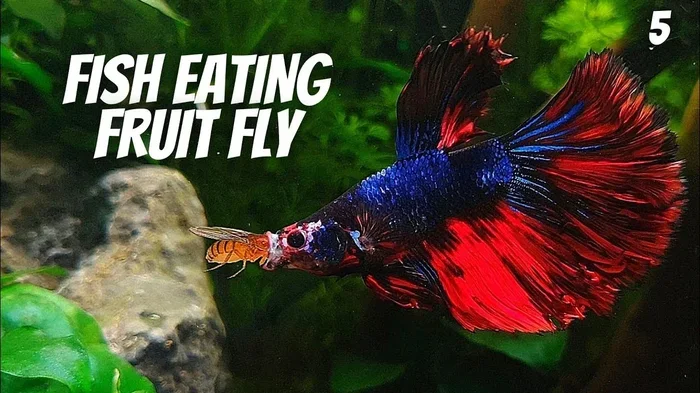
While pellets are great, variety is the spice of life. Live and frozen foods mimic what bettas eat in the wild. This triggers their natural hunting instincts. It is also a great way to bond with your fish. Many bettas get excited when they see movement in the water.
You can find live foods at specialty stores or even breed them at home. Frozen foods are easier to store and use. They are just as nutritious. Just make sure to thaw them before feeding. Never put frozen blocks directly into the tank. This can lower the water temperature and shock your fish.
Best Live Options
- Bloodworms: These are a classic favorite. They are rich in protein and easy to find.
- Brine Shrimp: These are tiny and perfect for younger bettas. They are also great for conditioning fish for breeding.
- Daphnia: These are small crustaceans. They act as a natural laxative and help with digestion.
- Mosquito Larvae: If you can find them safely, these are a natural treat. Bettas love hunting them.
Frozen Food Safety
Frozen food is convenient. You can keep a stash in your freezer. When it is feeding time, take out a small portion. Thaw it in a little bit of tank water. Then pour it in. This prevents temperature shock. It also prevents introducing parasites that might be in live food from the wild.
How Much and How Often to Feed
Overfeeding is the number one mistake new owners make. It is easy to think your fish is hungry when it swims to the top. But bettas will often beg even when they are full. They do not know when to stop. It is up to you to control the portion.
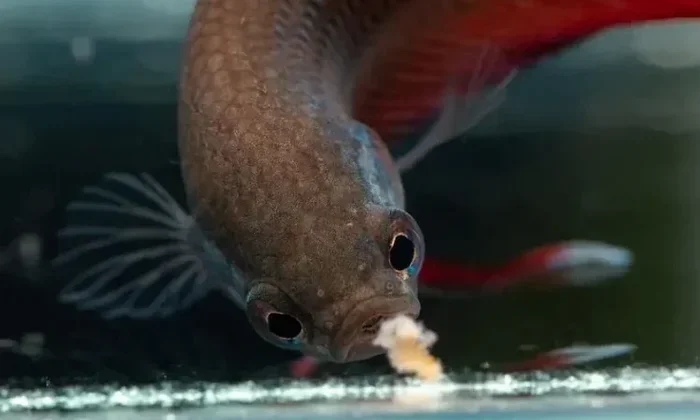
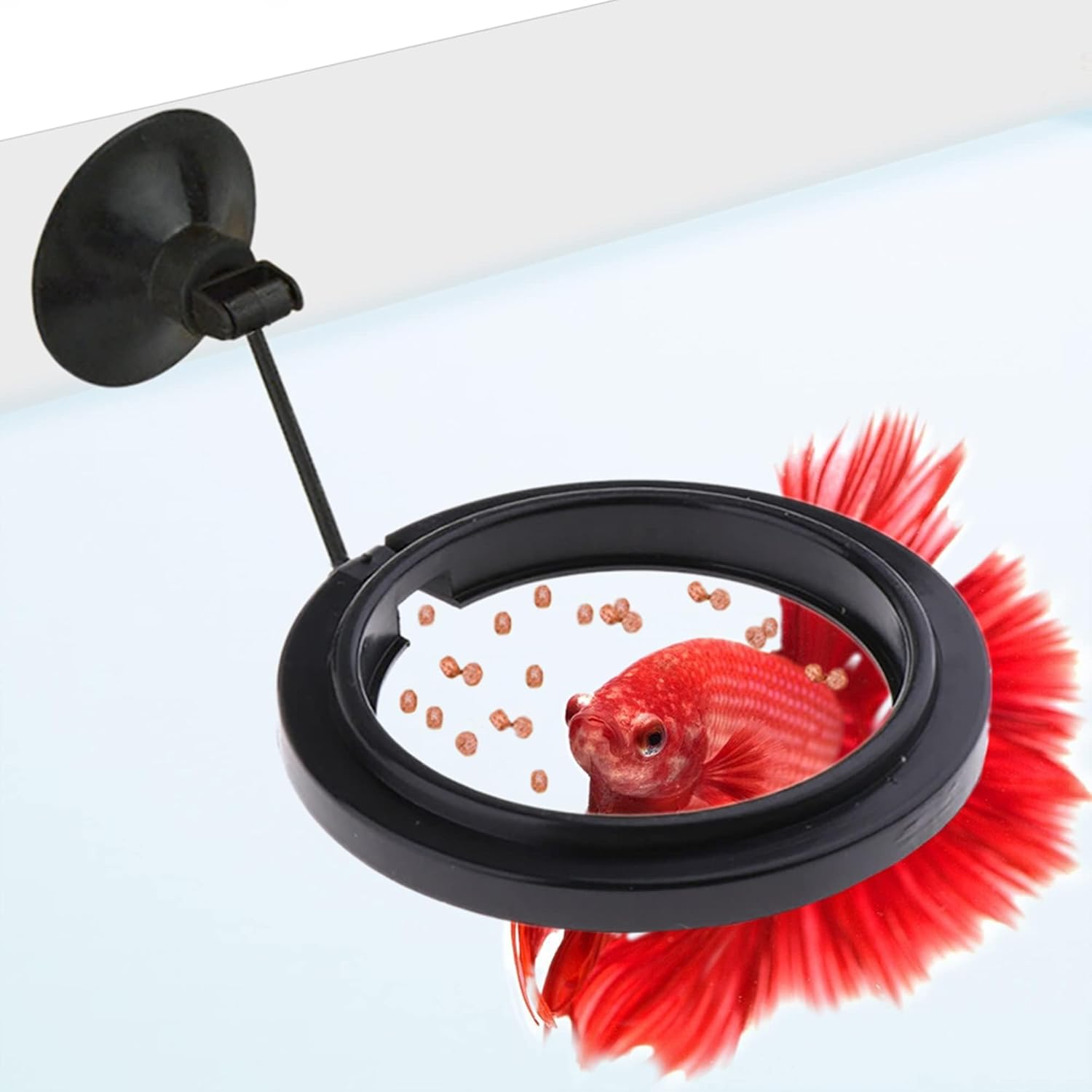
A good rule is to feed what they can eat in two minutes. For most adult bettas, this is about 2 to 3 pellets per meal. You can do this twice a day. Morning and evening works well. Consistency helps your fish feel secure. If you use frozen food, a small pinch is enough.
Signs of Overfeeding
How do you know if you are feeding too much? Watch your fish and the tank. A swollen belly is a clear sign. Lethargy or sitting at the bottom is another. You might also see uneaten food sinking to the bottom. This decays and creates ammonia. Ammonia is toxic to fish. Keep the tank clean by removing uneaten bits.
Fasting Days
Just like humans, bettas benefit from a break. Skipping one meal a week is a good idea. This is called fasting. It gives their digestive system a rest. It helps prevent constipation. Constipation is common in bettas and can be fatal if not managed. A simple fast day can keep their system running smoothly.
Treats and Human Food: What to Avoid
It is tempting to share your food with your pet. But human food is generally not safe for bettas. Their digestive systems are not made for bread, meat, or vegetables. Some owners ask if they can use table scraps. The answer is almost always no. Salt and spices in human food can harm your fish.
There are some safe treats, but they must be fish-specific. You might wonder about vegetables. Some owners blanch peas to help with digestion. This is a specific remedy for constipation, not a regular meal. For general snacking, stick to fish treats. You can read more about safe snacking options at Do Betta Fish Have Treats For A Snack.
Foods to Strictly Avoid
- Bread: It expands in the stomach and causes bloating.
- Processed Meat: Too much fat and salt.
- Dairy: Fish cannot digest lactose.
- Large Worms: Some worms are too big and can choke the fish.
Safe Treat Frequency
Treats should not be more than 10% of their diet. If you feed treats every day, they might not get enough balanced nutrition from their staple pellets. Use treats as a reward or a weekend special. This keeps the diet balanced. It also keeps your fish interested in their main food.
Water Quality and Feeding Connection
Feeding affects water quality. Every time you feed, you add organic matter to the tank. Uneaten food breaks down into ammonia. Fish waste also adds to this load. If you overfeed, the water gets dirty faster. Dirty water leads to stress and disease. This is why feeding the right amount is crucial for the whole ecosystem.
You also need to consider the water you use for the tank. If you are using tap water, you must condition it. Chlorine in tap water can kill your fish. There are many conditioners available. You can learn about safe water options at Can You Use Tap Water For Your Betta Fish. Clean water helps your fish digest food better and stay healthy.
Cleaning After Feeding
After you feed, check the tank. Use a net to remove any food that sinks and is not eaten. This simple step prevents decay. It also keeps the substrate clean. Doing this daily makes your weekly water changes much easier. A clean tank means a happy fish.
Water Changes
Regular water changes are part of feeding care. You do not need to change all the water. Changing 25% once a week is usually enough. This removes nitrates that build up from waste. It also replenishes minerals. Always use conditioned water for changes. This ensures the new water is safe for your betta.
Common Feeding Mistakes to Avoid
Even experienced owners make mistakes. Being aware of them helps you avoid them. Here are the most common errors seen in betta care. Avoiding these will save you money on vet bills and keep your fish alive longer.
Mistake 1: Feeding Too Much
This is the most common issue. Owners love their fish and want to please them. But more food is not better. It leads to waste and health issues. Stick to the two-minute rule. Your fish will not starve if you skip a few extra pellets.
Mistake 2: Wrong Food Type
Using generic tropical fish food is not ideal. These foods often have more plant matter. They do not meet the high protein needs of a betta. You might wonder if you can use food meant for other fish. You can read more about this at Can You Use Betta Food For Other Fish. Generally, it is best to stick to betta-specific formulas.
Mistake 3: Ignoring Water Temperature
Bettas are tropical fish. They need warm water to digest food properly. If the water is too cold, their metabolism slows down. They cannot process food efficiently. This leads to rot and illness. Keep your tank between 78 and 80 degrees Fahrenheit. Use a heater if needed.
Mistake 4: Not Varying the Diet
Feeding the same thing every day can lead to nutritional gaps. It can also make your fish bored. They might stop eating if they get tired of the same taste. Rotating foods keeps them healthy and interested. Mix pellets with frozen bloodworms once a week.
Mistake 5: Feeding at the Wrong Time
Feeding right before a water change is not ideal. The fish might be stressed. Feeding late at night when the lights are off is also not great. They need light to see the food. Establish a routine during the day when you are awake to monitor them.
Expert Insights on Betta Nutrition
Experts agree that consistency is key. A stable diet prevents shock to the system. If you want to change food brands, do it slowly. Mix the new food with the old food over a week. This prevents digestive upset. Sudden changes can cause stress.
Another insight is about color. Food affects how bright your fish looks. Carotenoids in food enhance red and orange colors. Look for foods that list these ingredients. A dull fish might just need a diet tweak. However, if your fish is dull and hiding, check the water parameters first. Health comes before color.
Monitoring Health Through Food
Your fish’s behavior tells you a lot. A healthy betta swims to the front when you approach. They have a good appetite. If they spit out food, they might be full or the food is too big. If they ignore food completely, check the water temperature. Loss of appetite is often the first sign of illness.
Growth and Age
Young bettas need more food for growth. Older bettas might need less. If you have a baby betta, they need smaller food particles. You can find specific info on baby needs at Do Baby Betta Fish Need Special Food. Adjusting portions as they age ensures they stay in shape.
Conclusion
Choosing what food is best for betta fish does not have to be hard. Focus on high-protein pellets as your staple. Add frozen or live treats for variety. Keep portions small to protect water quality. Remember that your betta is a carnivore with a tiny stomach. Overfeeding is a bigger risk than underfeeding.
By following this guide, you set your fish up for a long, colorful life. Watch their behavior and adjust as needed. A healthy diet leads to a happy fish. Enjoy watching your betta thrive with the right nutrition. Your effort in learning this shows you care deeply about your pet.
Frequently Asked Questions
Can I feed my betta fish flakes instead of pellets?
Yes, you can, but pellets are usually better. Flakes dissolve faster and can cloud the water. Pellets hold their shape and are easier for bettas to eat. If you use flakes, make sure they are high-protein betta specific flakes.
How often should I feed my betta fish?
You should feed your betta fish twice a day. Give them only what they can eat in two minutes. This is usually 2 to 3 pellets per meal. You can also skip one day a week to help their digestion.
Is frozen food safe for betta fish?
Yes, frozen food is safe and very nutritious. It is a great alternative to live food. Just make sure to thaw it in tank water before feeding. Never put frozen food directly into the tank as it can lower the temperature.
Can betta fish eat human food?
No, you should not feed human food to bettas. Their digestive systems cannot handle bread, meat, or dairy. Some vegetables like peas are used for constipation, but not as regular meals. Stick to food made for fish.
What happens if I overfeed my betta?
Overfeeding can cause bloating and constipation. It also pollutes the water with uneaten food and waste. This can lead to ammonia spikes and sickness. If you overfeed, remove the extra food and skip the next meal.
Do betta fish need variety in their diet?
Yes, variety is good for their health and interest. Feeding only one type of food can lead to nutritional gaps. Rotate between pellets, frozen bloodworms, and brine shrimp. This mimics their natural diet and keeps them active.