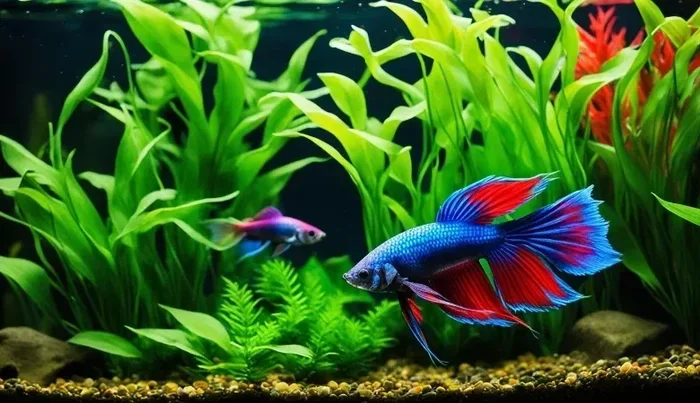
What Fish Is Compatible With Betta Fish For Peaceful Tanks
Finding the right tank mates for your betta can be tricky, but choosing peaceful species makes all the difference. What fish is compatible with betta fish depends on temperament, tank size, and water conditions. This guide covers safe companions, species to avoid, and practical tips for a stress-free community tank. You will learn how to introduce new fish, monitor behavior, and keep your betta happy.
This is a comprehensive guide about what fish is compatible with betta fish.
Key Takeaways
- Choose peaceful, non-aggressive species: Calm fish like neon tetras and corydoras work well with bettas.
- Avoid fin-nippers and territorial fish: Species like tiger barbs and angelfish often trigger stress or fights.
- Match tank size to community needs: A 20-gallon tank or larger gives everyone enough space to swim safely.
- Watch water parameters closely: Bettas prefer warm, clean water, so pick tank mates with similar needs.
- Introduce new fish slowly: Quarantine, dim lights, and rearrange decorations reduce territorial aggression.
- Monitor behavior daily: Early signs of stress or chasing let you act before injuries happen.
- Keep backups ready: Have a separate hospital tank for aggressive fish or injured bettas.
[FEATURED_IMAGE_PLACEHOLDER]
What Fish Is Compatible With Betta Fish For Peaceful Tanks
Keeping a betta fish is rewarding, but adding companions takes careful thought. You want a calm community tank, not a daily battle zone. What fish is compatible with betta fish comes down to temperament, size, and water needs. Some species swim peacefully in the background. Others chase, nip, or claim every inch of the tank. This guide walks you through safe choices, risky picks, and simple steps to build a harmonious aquarium.
Bettas are beautiful, but they carry a reputation for aggression. That reputation is only partly true. Males defend their space, especially in small tanks. Females can be social but still prefer calm neighbors. The trick is matching your betta personality with gentle tank mates. You also need enough swimming room, hiding spots, and stable water. When you get these basics right, your tank becomes a lively, peaceful ecosystem.
In this article, you will learn which species usually get along with bettas. You will also see which fish to skip, how to set up the tank, and what to watch during introductions. I keep the advice practical and straightforward. You can use these tips whether you are a beginner or an experienced hobbyist. Let us dive into the details and build a tank your betta will love.
Best Tank Mates That Usually Get Along With Bettas
The safest betta companions share a few traits. They stay peaceful. They do not flash bright colors that trigger chasing. They occupy different parts of the tank. They also tolerate warm water and gentle flow. When you pick fish with these habits, your chances of success go up dramatically.
Small Schooling Fish That Keep to Themselves
Schooling fish can work well if you choose calm species and keep them in proper numbers. A small school spreads attention away from your betta. The betta sees many targets instead of one lone fish. This reduces focus and lowers aggression. Good options include neon tetras, ember tetras, and black neon tetras. These fish stay small, swim mid-water, and generally ignore bettas.
You should also consider whether betta fish get along with tetras before adding any tetra species. Some tetras are fine, while others can be too active or nippy. Stick to peaceful types and avoid large schools in smaller tanks. A group of six to eight calm tetras often works better than a crowded tank full of motion.
Bottom Dwellers That Stay Out of the Way
Bottom dwellers can be excellent neighbors because they spend time near the substrate. They rarely compete with bettas for space. Corydoras catfish are a popular choice. They are gentle, social, and easy to feed. They also help keep the tank floor active without bothering your betta. Another option is a small plecostomus, though you must check the adult size carefully.
If you want to explore bottom dwellers, read more about betta fish compatibility with cory catfish. Corydoras usually stay peaceful, but they still need clean water and proper group sizes. A small school of six corys feels secure and behaves naturally. This setup leaves the upper and middle water columns open for your betta.
Snails and Shrimp as Low-Risk Companions
Some keepers prefer invertebrates over fish. Snails and shrimp add activity without much drama. Nerite snails, mystery snails, and ramshorn snails graze on algae and leftover food. They move slowly and rarely trigger aggression. Shrimp can work too, but bettas may view them as snacks. If you want shrimp, choose a heavily planted tank and accept some risk.
For more guidance on invertebrates, check whether betta fish do well with shrimp. This topic matters because shrimp bring color and cleanup benefits, yet they are not always safe. A well-planted environment gives shrimp hiding places and improves their odds. If your betta is very predatory, skip shrimp and choose snails instead.
Species To Avoid When Building A Community Tank
Not every fish makes a good neighbor. Some species chase relentlessly. Others compete for food or space. A few simply look too similar to bettas, which can spark territorial behavior. Knowing which fish to avoid saves time, money, and stress.
Fin-Nippers and Highly Active Fish
Fin-nippers are a bad match for bettas. Bettas display long, flowing fins that attract unwanted attention. Fish that pinch or chase fins can cause stress, injury, and disease. Tiger barbs are a classic example. They are active, bold, and known for nipping. Fast, chaotic swimmers can also overwhelm a betta, especially in a small tank.
If you are wondering about other risky pairings, you may want to review whether betta fish fight with guppies. Guppies are colorful and active, which can sometimes provoke a betta. Males may also compete with bettas for attention. In some tanks they coexist peacefully, but in others the betta becomes possessive or stressed. Proceed carefully and watch behavior closely.
Large or Territorial Fish
Big fish can intimidate bettas quickly. Large cichlids, big catfish, and dominant community fish may claim the whole tank. Even if they are not aggressive by nature, their size alone creates pressure. Turtles are another poor choice for most betta tanks. They need different conditions, and their behavior can be unpredictable.
You can learn more about betta fish compatibility with turtles if you are considering mixed setups. In many cases, turtles and bettas do not make a good long-term match. Water temperature, basking needs, and behavior differences create problems. It is usually safer to keep them in separate environments.
Similar-Looking or Highly Competitive Fish
Fish that resemble bettas in shape or color can sometimes trigger rivalry. This is not a hard rule, but it happens often enough to watch for it. Angelfish are a common concern because they are tall, graceful, and sometimes territorial. They may also compete for food and space. If you are curious, explore whether betta fish get along with angelfish before adding one to the same tank.
Goldfish are another pairing to avoid. They prefer cooler water, produce a lot of waste, and grow quickly. They also have very different care needs. If you want a detailed explanation, see whether betta fish could live with goldfish. In most home aquariums, this combination creates more problems than it solves.
How To Choose Compatible Fish Based On Tank Size And Conditions
Compatibility is not only about species. It is also about the environment. A peaceful fish can become stressed in the wrong tank. A betta can become aggressive when space is limited. Water quality, decoration, and flow all matter. When you match the tank to the fish, everyone fares better.
Why Tank Size Changes Everything
Small tanks magnify every problem. In a cramped space, a betta notices every movement. New fish have nowhere to escape. Territory disputes happen faster. A larger tank gives fish room to establish zones. It also supports better water stability. For a community setup, many keepers aim for 20 gallons or more. That size allows a betta, a small school, and a few bottom dwellers to share the space more comfortably.
If you are unsure how many fish your tank can handle, review whether you can put other fish in with a betta. The answer depends on tank dimensions, filtration, and the species you choose. A spacious, well-planted tank usually supports more stable relationships than a tiny bowl or nano tank.
Water Parameters And Flow Preferences
Bettas prefer warm water and gentle currents. Strong filters can stress them out. Tank mates should share similar temperature and water quality needs. Tropical community fish usually fit this profile. Coldwater species do not. Fast flow can also push a betta into constant swimming, which increases irritation. Use a filter that provides clear water without blasting the whole tank.
You may also want to check whether you can use a filter with a betta fish. The short answer is yes, but the setup matters. Sponge filters, adjustable flow outputs, and planted corners help reduce stress. A calm environment supports better behavior and healthier fish overall.
Setting Up The Tank For Peaceful Coexistence
A good setup prevents many problems before they start. Plants, hiding spots, and clear territories help fish feel secure. A thoughtful layout also breaks lines of sight. When a betta cannot stare at a newcomer all day, tension often drops. The goal is a tank that feels natural and balanced.
Plants, Decor, And Break Lines Of Sight
Live plants are one of the best tools for community tanks. They offer shelter, improve water quality, and create visual barriers. Java fern, anubias, and floating plants work well for bettas. Smooth decorations and caves give bottom dwellers places to explore. Avoid sharp ornaments that can tear fins. A tank with variety gives each fish a place to rest.
If you are wondering about adding greenery, see whether you can put plants in with betta fish. Plants usually help more than they hurt, as long as you choose safe options. They also make the tank look fuller and more natural, which can calm nervous fish.
Feeding Strategies That Reduce Competition
Food competition can spark trouble. If one fish hogs every meal, others may become stressed. Bettas often rise to the surface, while other fish feed mid-water or near the bottom. Spread feeding spots around the tank. Use sinking pellets for bottom dwellers and slow-sinking foods for mid-water species. Watch each fish eat so no one gets left out.
A balanced feeding routine also supports water quality. Overfeeding leads to waste, and waste leads to poor conditions. Poor conditions make fish irritable. Keep portions moderate and remove uneaten food when needed. A clean tank is a calmer tank.
Introducing New Fish And Reading Betta Behavior
Even perfect tank mates can fail if introductions go badly. The first few days matter a lot. Fish need time to adjust to new scents, shapes, and routines. A careful introduction lowers the chance of chasing and flare-ups. Patience pays off here.
Step-By-Step Introduction Tips
Start by quarantining new fish when possible. This protects your main tank from disease. Next, place the new fish in a floating bag or acclimation container. Let them adjust to temperature gradually. Dim the lights during the first introduction. Turn off bright aquarium lamps and avoid sudden movements. Then release the new fish gently and observe.
Another helpful step is rearranging a few decorations before adding fish. This changes established territories and gives everyone a fresh start. It can reduce the betta urge to defend the same spots. If you want broader context on community setups, read whether you can put schooling fish with a betta. Schooling species can help distract a betta, but they still need careful introduction and enough space.
Warning Signs And When To Separate Fish
Watch for chasing, clamping fins, hiding, loss of appetite, and injuries. A little curiosity is normal. Constant pursuit is not. If a betta stalks one fish nonstop, separation may be necessary. If a tank mate bullies the betta, that is also a problem. Injuries, torn fins, and stressed coloring mean you should act quickly.
Keep a backup plan ready. A small separate tank or breeder box can help during disputes. If you need to remove a fish, do it calmly and without shaking the tank. Then reassess your setup. Sometimes the issue is not the species but the tank layout, size, or group size. Small adjustments can solve big problems.
Common Mistakes And Expert Tips For Long-Term Success
Many community tank problems come from rushing. People add too many fish at once. They pick species based on color instead of behavior. They overlook filtration, water changes, and hiding spots. Avoiding these mistakes makes a huge difference. A little planning creates a tank that stays peaceful longer.
Mistakes That Often Cause Trouble
- Overcrowding the tank: Too many fish create stress and poor water quality.
- Ignoring adult size: A tiny juvenile can become a large, disruptive adult.
- Choosing flashy tank mates: Bright colors and long fins can provoke chasing.
- Skipping quarantine: New fish can bring disease into a stable tank.
- Adding fish all at once: Sudden changes make it hard to track behavior.
Expert Tips For A Calm Community Tank
- Start small and build slowly: Add one group at a time and observe.
- Match temperaments, not just colors: Calm species usually work best.
- Use plants and decor wisely: Break sightlines and create safe zones.
- Keep water stable: Regular water changes support healthier behavior.
- Watch daily: Early intervention prevents injuries and long-term stress.
If you want to compare common pairings at a glance, this table can help.
| Tank Mate Type | General Compatibility | Best Conditions |
|---|---|---|
| Neon tetras | Often good | School of 6+, 20+ gallons, calm flow |
| Corydoras catfish | Often good | Group of 6+, clean substrate, warm water |
| Guppies | Mixed results | Watch color and activity, monitor closely |
| Angelfish | Risky | Tall tank, careful monitoring, possible rivalry |
| Goldfish | Poor match | Different temperature and waste needs |
| Snails | Usually safe | Good for algae control, low aggression risk |
| Shrimp | Conditional | Heavily planted tank, accept some predation risk |
The right match depends on your betta personality as much as the species list. Some bettas ignore everyone. Others guard every corner. Observe your fish before making decisions. If your betta is calm, you have more options. If he is highly territorial, choose quieter companions and give him extra space.
Final Thoughts On Choosing Peaceful Betta Tank Mates
Finding what fish is compatible with betta fish is really about balance. You need calm species, enough space, stable water, and a thoughtful setup. When those pieces line up, a community tank can be beautiful and peaceful. You get the color and personality of a betta plus the movement of gentle companions. That combination makes the aquarium more enjoyable to watch and easier to maintain.
Remember that every betta is an individual. A species that works in one tank may not work in another. Start with safe choices, introduce fish slowly, and watch behavior closely. Keep plants, clean water, and hiding spots in mind. If something feels off, adjust early instead of waiting for injuries. With patience and observation, you can build a tank that feels calm, lively, and right for your betta.
Frequently Asked Questions
What fish is compatible with betta fish in a small tank?
In a small tank, the safest choices are usually calm snails or a single peaceful species that does not need much swimming room. Small community fish can work, but tight space increases stress, so keep the group modest and monitor closely.
Can betta fish live with tetras safely?
Many tetras can live with bettas if they are peaceful and kept in a proper school. Neon tetras and ember tetras are often better choices than more active species. Always watch for chasing and make sure the tank is large enough.
Are guppies good tank mates for bettas?
Guppies can work in some tanks, but they are not always ideal. Their bright colors and active movement may attract a betta attention. If you try guppies, introduce them carefully and be ready to separate them if trouble starts.
What fish should I avoid putting with a betta?
Avoid fin-nippers, highly aggressive fish, and species with very different water needs. Tiger barbs, large cichlids, and goldfish are common examples of poor matches. These fish can stress or injure a betta.
How many fish can I add to a betta tank?
The number depends on tank size, filtration, and the species you choose. A larger tank can support a small school and a bottom dweller more easily than a tiny setup. Add fish slowly and keep water quality high.
How do I know if my betta is stressed by tank mates?
Signs include hiding, clamped fins, faded color, loss of appetite, and repeated chasing. If you see these behaviors, check the tank size, layout, and compatibility of the species. Separate aggressive fish if the stress continues.