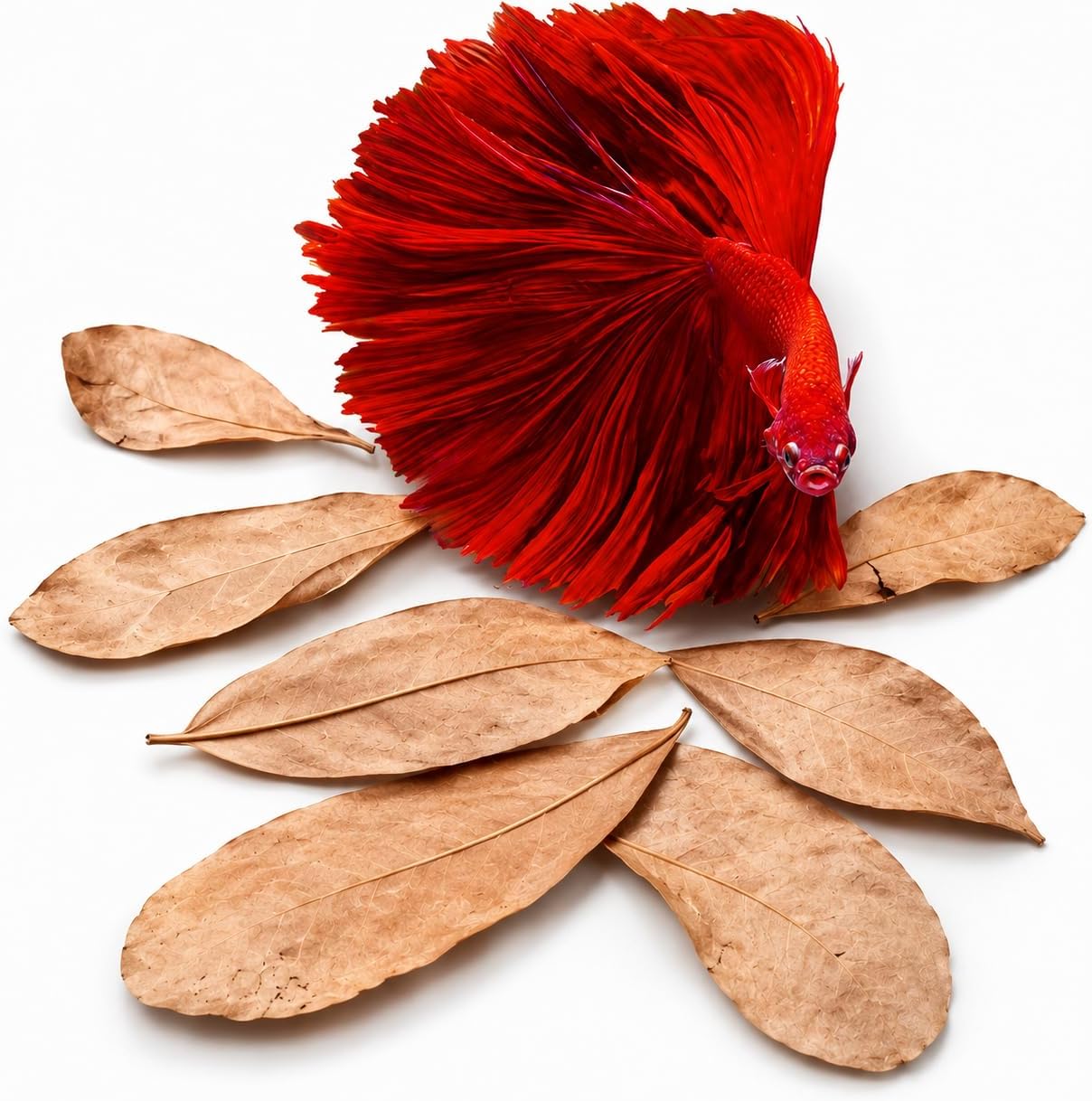
How to Train a Betta Fish With Easy Step by Step Tips
Training your betta fish is easier than you think when you use positive reinforcement and simple daily routines. You can teach your fish to follow your finger, swim through hoops, and even jump for treats with consistent practice and the right environment. This guide shows you how to train a betta fish safely while keeping your pet happy and healthy.
Many people think betta fish are boring pets that just float around all day. The truth is quite different. These colorful fish are smart, curious, and surprisingly responsive to training. If you want to build a fun bond with your pet, learning how to train a betta fish is a great place to start. You do not need fancy equipment or expensive tools. You just need patience, the right treats, and a calm approach.
Training your betta fish can feel like a fun daily game for both of you. It gives your fish mental stimulation and helps you notice its personality. It also makes feeding time more interactive and rewarding. In this guide, we will walk through simple steps that anyone can follow. You will learn how to prepare your tank, choose rewards, teach basic tricks, and avoid common mistakes that slow progress.
Before we dive in, it helps to understand one important idea. Betta fish do not think like dogs or cats. They respond to cues, routines, and food motivation. That means success comes from repetition and clear signals, not from complex commands. If you stay consistent and keep things positive, your betta can learn several fun behaviors over time.
Key Takeaways
- Start with trust: Spend time near the tank and move slowly so your betta feels safe before training begins.
- Use food rewards: Small treats like bloodworms or brine shrimp motivate your fish to repeat desired behaviors.
- Keep sessions short: Train for 5 to 10 minutes per day to avoid stress and keep your fish engaged.
- Master one trick at a time: Focus on a single behavior until your betta responds consistently before moving on.
- Maintain clean water: A healthy tank with proper temperature and filtration supports better learning and energy.
- Be patient and consistent: Regular practice and calm movements build a strong bond over weeks, not days.
📑 Table of Contents
What You Need Before You Start Training
Good training starts with a healthy, comfortable fish. If your betta feels stressed, it will not learn well. So the first step is making sure the tank setup supports calm behavior and steady energy. A relaxed fish is a trainable fish.
Create a Safe and Stable Environment
Your betta needs clean water, stable temperature, and enough space to move comfortably. A tank that is too small or too cold can make your fish sluggish and uninterested. Keep the water at a proper temperature and make sure the filter is gentle enough not to push your betta around. If you are unsure about filtration, you can read more about whether betta fish need filtered tanks to help you choose the right setup.
It also helps to keep the tank in a quiet area. Loud noise and constant movement can make your fish hide or stay still. A calm room gives your betta a better chance to focus on you during training.
Choose the Right Rewards
Food is the strongest motivator for most betta fish. Small, high-value treats work best because they are easy to eat and easy to digest. Good options include:
- Frozen or live bloodworms
- Brine shrimp
- High-quality betta pellets
- Occasional safe treat portions
Do not overfeed during training. Too much food can cloud the water and upset your fish. Use tiny portions and adjust regular feeding accordingly. If you want to know which snacks are safe, it is worth checking what kinds of treats betta fish can have without harming their health.
Watch Your Fish First
Spend a few days just observing your betta before you begin training. Notice when it is most active. Many bettas are more responsive during the day when the lights are on and the room is quiet. Learning your fish’s natural rhythm helps you pick the best training time.
How to Train a Betta Fish Using Positive Reinforcement
Positive reinforcement is the heart of successful training. The idea is simple. When your betta does something you like, you reward it right away. Over time, your fish connects the action with the reward. This is the same basic method used for many animals, including fish.
Start With Simple Association
Before teaching tricks, teach your betta to notice you as a positive presence. Stand or sit near the tank. Move slowly. Avoid tapping the glass, since that can stress your fish. Instead, use a soft visual cue like a finger movement or a small object outside the tank.
When your betta comes closer or watches you calmly, offer a tiny treat. Repeat this daily. Soon your fish will begin to associate your presence with good things. This builds trust and makes later training much easier.
Keep Training Sessions Short and Calm
Betta fish have short attention spans, so long sessions do not work well. Aim for 5 to 10 minutes at a time. If your fish seems tired or uninterested, stop and try again later. Short sessions also help prevent overfeeding and stress.
Stay patient. Some bettas learn quickly. Others need more time. Both are normal. The key is consistency. A few minutes each day is better than one long session once a week.
Use Clear Cues
Pick one simple signal for each trick. For example, you might use a finger point, a small wand, or a gentle movement above the water. Use the same cue every time. If you change signals too often, your betta may get confused.
Reward immediately after the desired behavior. Timing matters. If you wait too long, your fish may not connect the action with the treat.
Easy Tricks You Can Teach Your Betta Fish
Once your betta is comfortable with your presence and understands rewards, you can start teaching tricks. Begin with easy behaviors and build up gradually. Here are some beginner-friendly options.
Follow Your Finger
This is one of the easiest first tricks. Move your finger slowly along the outside of the glass. When your betta swims toward it, give a small reward. Repeat until your fish starts following the movement more reliably.
Keep the motion gentle. Fast movements can scare your betta or make it retreat. The goal is to create curiosity, not pressure.
Swim Through a Hoop
You can teach your betta to swim through a small hoop placed in the water. Start by holding the hoop still near the surface. Lure your fish toward it with a treat. When it passes through, reward it right away.
Over time, move the hoop to different spots. Keep the challenge easy at first. If the hoop is too large or placed awkwardly, your fish may ignore it.
Jump for a Treat
Some bettas can be taught to rise to the surface for a treat. Hold a tiny piece of food just above the water and wait for your fish to approach. When it breaks the surface or rises close enough, reward it.
Be careful with this trick. Do not force your fish to jump or lift it out of the water. The goal is a natural upward movement, not a stressful leap.
Target Training With a Simple Object
Target training uses a small object as a guide. You present the object, reward your fish for approaching it, and slowly shape more specific behavior. This method works well because it gives your betta a clear focus point.
You can use a clean stick, a small ring, or another safe item outside or partially inside the tank, depending on the trick. Keep everything gentle and clean. If you want to explore more advanced ideas, you can also learn whether bettas can be taught tricks beyond the basics.
Common Training Mistakes and How to Avoid Them
Even simple training can go wrong if a few common errors sneak in. Avoiding these mistakes will save you time and keep your betta healthier.
Moving Too Fast
One of the biggest mistakes is expecting quick results. Fish need repetition. If you change tricks too often, your betta may never master any of them. Stick with one behavior until it becomes reliable.
Overfeeding During Practice
Training should not turn into constant feeding. Too many treats can cause bloating, poor water quality, and less interest in regular meals. Use tiny rewards and keep the overall diet balanced. If you are wondering about food choices, you should also know that some human foods are not safe for bettas, such as peanut butter or bread.
Training in Poor Water Conditions
A dirty or unstable tank can make your fish tired and unresponsive. Regular water care matters a lot. If you want your betta to stay active and alert, make sure you understand whether bettas need water changes and how often to do them.
Using Loud Noises or Sudden Movements
Betta fish can startle easily. Tapping the glass, shouting, or making quick gestures can break trust. Train in a quiet way and let your fish approach at its own pace.
Ignoring Stress Signals
If your betta hides, flares constantly, loses color, or stops eating, it may be stressed. Pause training and check the tank conditions. A stressed fish will not learn well.
How to Keep Your Betta Engaged Long Term
Training works best when it stays fun. Once your betta learns a few tricks, keep things fresh. Change the order of tricks, try new cues, and vary the rewards slightly. This keeps your fish interested and helps prevent boredom.
Rotate Tricks and Cues
Do not practice the same trick for too long without a break. Mix in behaviors your betta already knows. This keeps training lively and gives your fish a sense of success.
Add Gentle Enrichment
Beyond tricks, your betta can enjoy a stimulating tank. Safe plants, smooth decorations, and open swimming space can make daily life more interesting. A tank that feels comfortable can also improve your fish’s willingness to interact. If you are curious about space needs, you may want to look into whether bettas like a lot of room to move.
Track Small Improvements
It helps to notice small wins. Maybe your betta follows your finger faster than before. Maybe it approaches the hoop without hesitation. These little changes show progress, even if the trick is not perfect yet.
Keep Your Expectations Realistic
Betta fish can learn, but they are still fish. They will not perform like mammals, and that is okay. The real value of training is the interaction, the mental stimulation, and the stronger connection between you and your pet.
Expert Tips for Better Results
If you want to improve your training results, a few simple habits can make a big difference. These tips come from careful observation and a lot of trial and error with betta behavior.
Train at the Same Time Each Day
Routine helps your betta expect training. Pick a time when your fish is usually active and stick with it. Predictability makes learning smoother.
Use the Smallest Reward That Works
You do not need a huge treat every time. Tiny portions often work better because they keep your fish motivated without filling it up too quickly.
End on a Positive Note
Finish each session with a success, even a small one. That leaves your betta with a good experience and makes it more likely to engage next time.
Stay Calm and Quiet
Your energy matters. If you feel frustrated, your fish may sense the tension. Take a break if needed. Training should feel relaxed for both of you.
Clean Up After Each Session
Remove any uneaten food quickly. This keeps the water cleaner and helps your betta stay healthy. Good hygiene supports better training overall.
Final Thoughts on Training Your Betta Fish
Learning how to train a betta fish is really about patience, trust, and steady practice. You do not need complex tricks or advanced equipment. You need a healthy tank, a calm approach, and a reward your fish enjoys. Start small. Build trust first. Then teach one simple behavior at a time.
The best part of training is that it deepens your relationship with your betta. You get to watch your fish respond, explore, and learn. That makes care feel more personal and more rewarding. So take your time, keep sessions short, and enjoy the process. With consistency, your betta can become more active, more responsive, and much more fun to watch.
Frequently Asked Questions
How long does it take to train a betta fish?
It depends on the trick and the fish, but many bettas begin responding within a few days to a couple of weeks. Simple behaviors like following your finger often come faster than more complex tricks. Consistency matters more than speed.
Can every betta fish learn tricks?
Most bettas can learn simple behaviors, but personality varies. Some fish are more curious and active, while others are shy or less interested. If your betta is healthy and comfortable, it has a better chance of learning.
What is the best treat for training a betta fish?
Small, high-value foods usually work best, such as bloodworms or brine shrimp. Tiny portions are important so you do not overfeed. You can also use a few pellets if your betta enjoys them.
Should I tap the glass to get my betta’s attention?
No, tapping can stress your fish and make it wary of the glass. It is better to use calm visual cues and gentle movement. A quiet approach usually works better for training.
Can training make a betta fish stressed?
It can if sessions are too long, too loud, or too demanding. Short, calm sessions with small rewards are much safer. If your fish hides or seems tired, stop and check the tank conditions.
Do I need special equipment to train my betta fish?
No, you do not need fancy tools. A healthy tank, a quiet space, and a few safe treats are enough to begin. Simple objects like a small hoop can help, but they should be used carefully and kept clean.