How to Know If Betta Fish Is Happy Signs to Look For
Knowing how to know if betta fish is happy comes down to observing their daily behavior, color vibrancy, and interaction with their environment. A content betta will swim actively, display bright colors, build bubble nests, and respond to you with curiosity rather than fear. By understanding these clear signs of a happy betta fish, you can adjust water quality, tank setup, and feeding habits to keep your finned companion thriving and stress-free.
If you have ever stared into a glass tank and wondered whether your colorful companion is truly thriving, you are not alone. Many new owners ask the same question: how to know if betta fish is happy. The good news is that bettas are surprisingly expressive once you learn their language. They show their mood through movement, color, appetite, and even the way they interact with you. When you pay attention to these daily cues, you can catch stress early and make simple changes that improve their quality of life.
A happy betta is not just a pretty fish. It is a fish that feels safe, eats well, swims naturally, and shows interest in its surroundings. This guide walks you through the most reliable signs of a happy betta fish, the common stressors that can mask those signs, and practical steps you can take to create a calm, enriching home. You will also learn how water quality, tank size, and routine care shape your betta mood every single day.
Key Takeaways
- Active swimming patterns: A happy betta explores the tank, swims smoothly, and does not hide constantly or float listlessly.
- Vibrant, consistent colors: Bright, rich scales signal good health and low stress, while dull or faded colors often point to poor water or illness.
- Bubble nest building: Males often create bubble nests when they feel secure, comfortable, and well-cared for in their environment.
- Healthy appetite and eager feeding: A content betta shows interest in food, eats regularly, and does not spit or ignore meals.
- Calm, curious interaction: Friendly bettas may follow your movement, recognize feeding times, and show interest without aggression or panic.
- Clean, stable water conditions: Proper temperature, filtration, and regular water changes create the foundation for a relaxed, thriving betta.
- Comfortable tank setup: Adequate space, gentle filtration, hiding spots, and compatible tank mates reduce stress and support natural behavior.
📑 Table of Contents
- How to Know If Betta Fish Is Happy Through Daily Behavior
- How to Know If Betta Fish Is Happy by Looking at Color and Appearance
- Feeding Habits That Show a Happy Betta Fish
- Social Interaction and How to Know If Betta Fish Is Happy Around You
- Water Quality and Tank Setup: The Foundation of a Happy Betta Fish
- Common Mistakes That Hide the Signs of a Happy Betta Fish
- Quick Tips for Supporting a Happy Betta Fish
- Expert Insights: Reading the Whole Picture
- Conclusion
How to Know If Betta Fish Is Happy Through Daily Behavior
The fastest way to understand your betta mood is to watch how it moves throughout the day. A content betta does not need to race around the tank, but it should show steady, purposeful activity. You want to see smooth swimming, regular exploration, and a natural rhythm between rest and movement. When a betta feels secure, it spends less time pressed against the glass or buried in decorations and more time investigating its space.
Active Swimming and Exploration
A happy betta swims with confidence. It may drift near the surface, glide along the bottom, or pause near a plant to observe. This relaxed movement shows that the fish is comfortable in its environment. You may also notice it turning toward you when you approach the tank, which is a strong sign of curiosity rather than fear. If your betta swims in circles only when you appear, that is usually interest, not panic.
On the other hand, constant hiding, freezing in place, or darting wildly can signal stress. A betta that stays pinned to one corner for long periods may be reacting to poor water conditions, strong currents, or a lack of cover. Watching for balanced activity helps you answer the question of how to know if betta fish is happy without guessing.
Resting Habits and Sleep Cycles
Bettas do rest, and they need downtime just like any other pet. A relaxed betta may hover near a leaf, settle on a broad plant, or tuck itself beside a gentle cave. This is normal. What matters is that the fish returns to activity afterward and does not seem weak or lethargic. Healthy rest looks calm, not exhausted.
If your betta spends most of the day lying on the substrate or floating awkwardly, that is worth investigating. Poor sleep can come from bright lights left on too long, uncomfortable water temperature, or illness. A stable day-night cycle and a cozy resting spot can make a big difference in betta mood.
Bubble Nests and Comfort Signals
One of the most charming signs of a happy betta fish is the bubble nest. Males often blow clusters of bubbles at the surface when they feel secure and settled. This behavior is linked to natural breeding instincts, but it also reflects overall comfort. A male that builds a nest is usually responding to good water quality, warm temperatures, and a low-stress routine.
Do not worry if your betta does not build a nest every day. Some fish simply do not show this behavior, especially if they are younger, older, or not in breeding condition. The absence of a nest is not a failure sign on its own. Instead, look for the broader picture of activity, color, and appetite.
How to Know If Betta Fish Is Happy by Looking at Color and Appearance
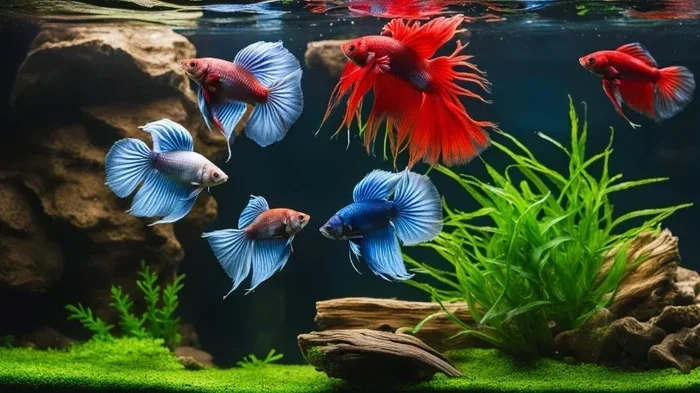
Color is one of the clearest windows into betta health. A vibrant, well-cared-for betta usually displays rich, saturated scales that catch the light beautifully. When stress rises, color can fade, darken, or develop uneven patches. That is why appearance matters when you are learning how to know if betta fish is happy.
Vibrant Colors and Healthy Fins
Bright, even coloration often means your betta is doing well. Healthy fins should look full and intact, without excessive fraying, clamping, or white edges. A content betta may flare its fins during gentle interaction or when it sees its reflection, but it should not hold them tightly closed all day. Open, flowing fins usually indicate confidence and comfort.
Regular observation helps you spot changes early. If the colors suddenly dull or the fins begin to look ragged, check your water parameters first. Stress from ammonia, nitrite, or temperature swings can affect appearance quickly. A stable environment supports both beauty and well-being.
Stress Colors and Warning Signs
Sometimes bettas show stress through color changes. You may notice pale patches, dark vertical bars, or a washed-out look. These shifts can happen when the fish feels threatened, when the tank is too bright, or when water conditions are off. It is helpful to compare your betta current look with its usual baseline, since every fish has its own normal shade.
Other warning signs include clamped fins, rapid breathing, or frequent rubbing against objects. These behaviors can point to irritation, poor water quality, or illness. If you see them, act quickly by testing the water and reviewing your care routine. Early attention often prevents bigger problems later.
Feeding Habits That Show a Happy Betta Fish
Appetite is a powerful indicator of mood and health. A happy betta usually shows interest in food, swims up when it sees you, and eats with enthusiasm. Feeding time is a great moment to observe behavior because it reveals confidence, energy, and comfort all at once.
Eager Response at Feeding Time
When you approach the tank, a content betta may become alert and move toward the surface. It might follow your hand or gather near the feeding spot. This kind of response suggests the fish feels safe enough to associate you with positive events. It also shows that the betta has enough energy to engage rather than hide.
Consistency matters here too. A betta that eats regularly and digests well is usually in a better state of mind than one that ignores meals. If your fish begins to lose interest, start by checking water quality and temperature before assuming the worst.
Healthy Eating Without Spitting or Ignoring Food
A happy betta typically takes food, chews it, and swallows without much trouble. Some bettas spit out food at first because they are adjusting to a new pellet size or because the food is too large. That can be normal in small amounts. But repeated spitting, refusal, or bloating can mean something is wrong with the diet or the environment.
Try offering a variety of appropriate foods, such as high-quality pellets, frozen treats, and occasional live options if you are comfortable with that. Keep portions modest to avoid waste and water pollution. A balanced feeding routine supports energy, color, and overall betta mood.
Social Interaction and How to Know If Betta Fish Is Happy Around You
Many people are surprised to learn that bettas can show real personality. They may recognize routines, respond to movement, and even seem to notice when their owner enters the room. This does not mean they experience emotions exactly like humans do, but it does mean they can form associations and display comfort or caution based on their environment.
Recognizing You and Showing Curiosity
A confident betta may swim to the front of the tank when you approach. It might track your movements or rise toward the surface during feeding. Some bettas even learn to follow a finger along the glass or wait near a familiar spot. These behaviors suggest the fish feels secure enough to pay attention instead of retreating.
If you want to encourage this kind of interaction, move calmly and avoid tapping the glass. Sudden vibrations can startle a betta and make it less trusting. Gentle consistency helps your fish learn that your presence is safe and predictable.
Friendly Behavior Without Constant Aggression
Bettas are known for their bold nature, and some flaring is normal, especially toward reflections or other fish. But a happy betta should not be in a constant state of aggression or fear. If your fish is always lashing out, hiding, or breathing heavily, it may be overwhelmed by its setup or by a stressful stimulus.
It is also worth considering whether your betta needs company or prefers solitude. Some bettas do better alone, while others can tolerate carefully chosen tank mates. If you are wondering do betta fish have to be kept alone, the answer depends on the individual fish, tank size, and the temperament of any companions. The main goal is to reduce conflict and keep the environment calm.
Water Quality and Tank Setup: The Foundation of a Happy Betta Fish
Behavior and color mean a lot, but they are shaped by the environment. A betta can only feel happy if its home supports basic needs. Clean water, stable temperature, enough space, and gentle flow create the conditions for natural behavior. When you focus on these basics, you make it much easier to see the positive signs of a content fish.
Stable Temperature and Clean Water
Bettas prefer warm, stable water. Sudden temperature drops or spikes can cause stress quickly. Consistent warmth supports metabolism, immunity, and comfortable movement. Clean water matters just as much, because built-up waste can irritate gills, dull color, and reduce appetite.
Many owners ask do betta fish have to have water changes, and the answer is yes, though the schedule depends on tank size and filtration. Regular partial water changes help keep conditions stable and reduce harmful buildup. If you are unsure about your setup, it is worth learning do betta fish have to have special water so you can avoid harmful additives and choose a routine that fits your tank.
Space, Filtration, and Hiding Places
A cramped tank can make a betta feel trapped, while a well-sized tank gives it room to explore and rest. Filtration helps maintain water quality, but the flow should not be so strong that the fish struggles to swim. If you are wondering do betta fish have to be in a filtered tank, filtration is generally helpful when it is matched to the tank and adjusted for gentleness.
Hiding places also matter. Plants, smooth caves, and resting leaves give your betta places to feel secure. These spots reduce stress and allow natural behaviors like exploring, resting, and observing. A tank with both open swimming areas and sheltered corners usually supports the best betta mood.
Routine Care and Consistency
Bettas thrive on predictability. Feeding at similar times, keeping lights on a steady schedule, and maintaining a regular cleaning routine all help your fish feel secure. Small, consistent actions often matter more than dramatic changes. If you ever need to add water, make sure it is treated and temperature-matched so you do not shock the tank. You can read more about safe practices in our guide on can you add water to betta fish tank.
If you want to understand how long your betta has been with you and what to expect over time, it can also help to learn can you tell how old a betta fish is. Knowing your fish age and history can give you useful context for its behavior and care needs.
Common Mistakes That Hide the Signs of a Happy Betta Fish
Even well-meaning owners can miss happiness cues if the tank setup or routine is off. A betta may look dull or inactive not because it is unhappy by nature, but because something in its environment is making it hard to show its true behavior. Avoiding these common mistakes helps your fish feel safe enough to be itself.
Overcrowding and Strong Currents
A small tank with too many decorations or a filter that creates a powerful current can wear a betta down. The fish may stop exploring, hide more often, or struggle to rest. Keep the layout open enough for swimming and calm enough for comfortable drifting. If your betta seems to fight the water flow, lower the current or add gentle barriers.
Inconsistent Feeding and Poor Water Monitoring
Skipping water tests or changing routines randomly can make a betta uneasy. Uneaten food, cloudy water, and fluctuating temperature all affect mood. It is better to keep a simple, steady schedule than to make frequent unpredictable changes. Consistency gives your betta a sense of stability.
Ignoring Subtle Stress Signals
Sometimes the earliest signs of trouble are easy to miss. A betta may briefly clamp its fins, hover near the bottom, or lose a little color before more obvious symptoms appear. Paying attention to these small changes gives you time to correct problems early. That is one of the best ways to protect long-term happiness.
Quick Tips for Supporting a Happy Betta Fish
- Keep water temperature stable and appropriate for your betta.
- Perform regular partial water changes suited to your tank size.
- Offer a varied, modest diet and remove uneaten food promptly.
- Use gentle filtration and avoid strong currents.
- Provide plants, leaves, or caves for resting and shelter.
- Maintain a consistent light schedule with clear day and night periods.
- Watch daily behavior so you can spot changes early.
Expert Insights: Reading the Whole Picture
The best way to judge betta happiness is to look at the full pattern, not just one moment. A single quiet afternoon does not mean your fish is miserable, just as one bubble nest does not guarantee perfect health. Instead, combine observations of movement, color, appetite, and interaction with a solid care routine. When all of those pieces line up, you are much more likely to have a content, thriving betta.
It also helps to remember that each betta has its own personality. Some are bold and curious. Others are calmer and more reserved. What matters most is whether your fish behaves consistently with its own baseline and shows no signs of ongoing stress. If you ever feel unsure, start with the water, the temperature, and the tank layout, because those basics influence almost everything else.
Conclusion
Learning how to know if betta fish is happy is really about paying attention to the small, everyday signals your fish gives you. Active swimming, bright color, steady appetite, relaxed resting, and curious interaction all point toward a comfortable, well-cared-for betta. When those signs are missing, the cause is often something simple like water quality, temperature, flow, or tank setup. By watching closely and making thoughtful adjustments, you can create an environment where your betta feels safe enough to show its best behavior. A happy betta is not just easier to enjoy. It is also a strong sign that your care routine is working.
Frequently Asked Questions
How to know if betta fish is happy on a daily basis?
Watch for smooth swimming, bright color, eager feeding, and calm curiosity when you approach the tank. A happy betta usually moves with confidence, rests without looking weak, and shows steady interest in its surroundings.
Do betta fish show happiness through bubble nests?
Bubble nests can be a good sign of comfort, especially in males that feel secure in clean, warm water. However, not building a nest does not automatically mean your betta is unhappy, since behavior varies by individual.
Can a betta fish be happy in a small unfiltered tank?
A betta may survive in a small tank, but it is usually more comfortable in a properly sized, stable setup with gentle filtration and good water quality. Better conditions make it easier for natural behaviors and positive mood to show.
Why does my betta fish lose color sometimes?
Color changes can happen from stress, poor water quality, temperature swings, or illness. If the dull color lasts, check your water parameters and review your care routine before assuming the problem is permanent.
How do I tell if my betta fish is stressed instead of just resting?
Resting bettas usually look calm and return to normal activity later, while stressed bettas may hide constantly, clamp fins, breathe rapidly, or stay lethargic. Comparing current behavior to your fish normal pattern helps you tell the difference.
What is the best way to make a betta fish feel more comfortable?
Keep the water clean, maintain stable temperature, reduce strong currents, and provide hiding spots and a consistent routine. Gentle interaction and regular observation also help your betta feel secure over time.