Can Betta Fish Live With Angelfish Best Guide
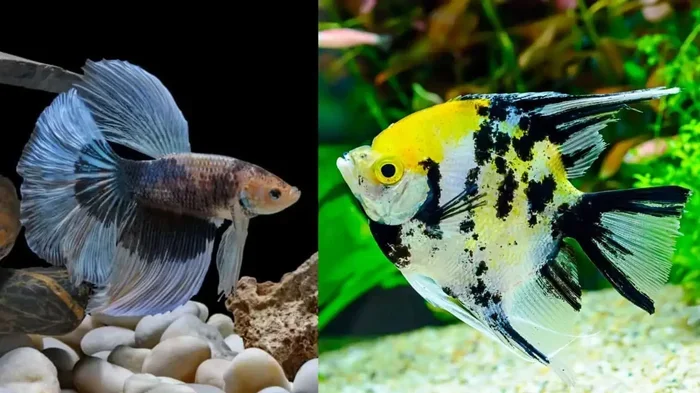
Can betta fish live with angelfish is a common question for aquarium owners. While it is technically possible, it comes with serious risks due to their different temperaments and space needs. You must carefully plan your tank setup, monitor behavior closely, and provide plenty of hiding spots. This guide will walk you through everything you need to know before making this pairing.
Many new aquarium owners dream of a vibrant community tank. You want colorful fish swimming together in harmony. But not every pairing works out as planned. One of the most debated combinations is mixing bettas with angelfish. Both species are stunning, but they have very different personalities and needs.
If you are asking yourself can betta fish live with angelfish, you are not alone. This question comes up constantly in fish forums and pet stores. The short answer is that it is possible, but it is not simple. Success depends on tank size, individual fish temperament, proper tank layout, and careful monitoring. In this guide, we will break down everything you need to know so you can make a smart decision for your aquarium.
Key Takeaways
- Tank Size Matters: A minimum 30-gallon tank is needed to reduce stress and aggression between betta fish and angelfish.
- Temperament Mismatch: Both species can be territorial, making close supervision essential for long-term success.
- Water Parameters Align: Both fish prefer warm, slightly acidic to neutral water, which simplifies care requirements.
- Hiding Places Are Crucial: Live plants, caves, and driftwood help reduce conflict and give weaker fish an escape route.
- Feeding Competition: Angelfish are fast eaters, so you may need to feed in separate zones to ensure your betta gets enough food.
- Not All Bettas Are Equal: Some bettas are more peaceful and may tolerate tank mates better than others.
- Always Have a Backup Plan: Be ready to separate the fish if aggression, fin damage, or stress signs appear.
📑 Table of Contents
- Understanding the Personalities of Both Species
- Tank Size and Setup Requirements
- Water Conditions and Compatibility Factors
- Feeding Challenges and Competition
- Signs of Aggression and Stress to Watch For
- When This Pairing Can Work and When It Should Not
- Common Mistakes to Avoid
- Expert Insights for a Safer Community Tank
- Final Thoughts on This Tank Mate Question
Understanding the Personalities of Both Species
Before you mix any fish, you must understand their natural behavior. Bettas are famous for their brilliant colors and flowing fins. They are also known for being territorial, especially males. In the wild, male bettas guard small territories and react aggressively to rivals. In a tank, this instinct does not disappear. They may flare, chase, or nip at fish that swim too close.
Angelfish are different, but they share some similar traits. They are graceful, tall, and elegant. They also come from the cichlid family, which means they can be bold and territorial. Angelfish often claim certain areas of the tank as their own. They may chase slower fish or show aggression during breeding. This behavior can create serious conflict in a shared space.
Why Temperament Matters More Than Looks
It is easy to choose tank mates based on color or shape. But behavior is the real deciding factor. Two fish might look perfect together, yet constantly fight. A peaceful community tank requires species that respect boundaries. When you pair a territorial betta with a bold angelfish, you are walking a fine line. Some aquarists have succeeded, while others have seen stress and injury.
You also need to think about size. Angelfish grow much larger than bettas. A full-grown angelfish can easily outcompete a betta for food and space. Their long fins can also trigger chasing behavior in some bettas. On the other hand, angelfish may view a betta as an intruder in their territory. This mutual potential for conflict is why careful planning is so important.
Tank Size and Setup Requirements
If you want to give this pairing a fair chance, your tank must be large enough. Small tanks create stress, limit escape routes, and amplify aggression. A cramped environment makes every fish feel threatened. That is a recipe for trouble. A spacious tank gives both fish room to establish their own zones.
A minimum of 30 gallons is strongly recommended. Some experienced keepers prefer 40 gallons or more. Larger volumes of water also help maintain stable water conditions. Stable water means less stress for both species. Stress is one of the biggest triggers for disease and aggression, so this matters a lot.
Creating a Balanced Tank Layout
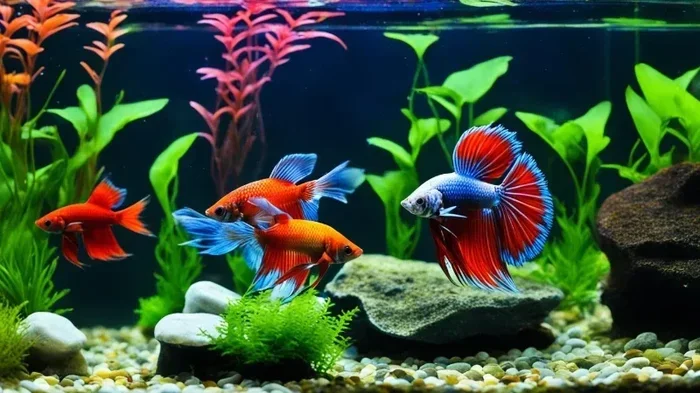
Your tank layout can make or break this combination. You need clear territories and plenty of hiding spots. Here are some practical setup tips:
- Use live plants: Dense planting breaks up sightlines and gives fish places to hide. If you are wondering can you put a live water plant with betta fish, the answer is yes, and it can actually help reduce tension.
- Add driftwood and rocks: These create natural barriers and visual breaks in the tank.
- Leave open swimming space: Angelfish need vertical and horizontal room to move comfortably.
- Avoid sharp decorations: Betta fins are delicate and can tear easily on rough edges.
A well-planted tank also supports water quality. Healthy plants absorb waste and provide oxygen. This creates a cleaner environment for both fish. If you want to learn more about plant safety, you can read about can you put a live plant with betta fish to see which species work best.
Water Conditions and Compatibility Factors
One reason people consider this pairing is that both fish have similar water preferences. That is a positive factor. Bettas thrive in warm water around 78 to 80 degrees Fahrenheit. Angelfish also prefer temperatures in that same range. This overlap makes temperature management easier.
pH is another important factor. Bettas do well in slightly acidic to neutral water, usually between 6.5 and 7.5. Angelfish also prefer a similar range. Soft to moderately hard water works for both. When water parameters match, you do not have to constantly compromise one species for the other.
Maintaining Stable Water Quality
Even when preferences match, stability is the real goal. Sudden changes in temperature or chemistry can shock fish. That stress can lead to illness or aggressive behavior. Here are a few habits that help:
- Test water weekly for ammonia, nitrite, nitrate, and pH.
- Perform regular partial water changes.
- Use a reliable heater and thermometer.
- Avoid overfeeding, which clouds water and increases waste.
Good filtration is also essential. Angelfish produce a fair amount of waste, and bettas need clean water to stay healthy. A filter that provides gentle flow is ideal. Bettas do not like strong currents because their fins make swimming harder. Angelfish can handle moderate flow, but calm areas are still beneficial.
Feeding Challenges and Competition
Feeding time can reveal a lot about tank dynamics. Angelfish are active hunters and fast eaters. They often rush to the surface or midwater when food appears. Bettas are also surface feeders, but they may be more cautious. In a shared tank, the angelfish can easily outcompete the betta.
If your betta does not get enough food, it may become weak or stressed. That can lead to color loss, lethargy, or a weaker immune system. You need a feeding strategy that gives both fish a fair chance.
Smart Feeding Strategies
You can reduce competition with a few simple adjustments:
- Feed in multiple spots: Drop food in different areas so one fish cannot monopolize it.
- Use sinking and floating foods: Offer a mix so both species can eat comfortably.
- Watch closely: Make sure the betta is actually eating during each session.
- Consider timed feeding: Some keepers feed one species first, then add more food later.
It is also helpful to observe body language during meals. If the angelfish chases the betta away from food repeatedly, that is a warning sign. You may need to adjust the tank setup or separate the fish temporarily. Consistent bullying at feeding time is not a good indicator for long-term cohabitation.
Signs of Aggression and Stress to Watch For
Even with a perfect setup, behavior can change. Fish are living animals, and their reactions are not always predictable. You must watch for early warning signs. Catching problems early can prevent injury and illness.
Aggression is not always obvious at first. It may start with brief chasing or flaring. Over time, it can escalate into constant harassment. Stress may show up in more subtle ways. A betta that hides all day, loses color, or clamps its fins may be struggling. Angelfish can also show stress through erratic swimming or loss of appetite.
Common Warning Signs
Keep an eye out for these red flags:
- Torn fins: Ripped betta fins often indicate chasing or fin nipping.
- Constant hiding: A fish that never comes out may feel unsafe.
- Flaring and charging: Repeated aggressive displays are a bad sign.
- Weight loss or lethargy: These can signal chronic stress or poor feeding.
- Surface gasping or breathing changes: This may point to water quality issues or fear.
If you notice these problems, act quickly. Add more hiding places, rearrange the tank, or be ready to move one fish to a separate tank. Sometimes a simple layout change reduces tension. Other times, the pairing simply does not work. There is no shame in separating fish to protect their health.
When This Pairing Can Work and When It Should Not
So, can betta fish live with angelfish in a peaceful community tank? In some cases, yes. In many cases, it is risky. Success usually depends on the individual fish, not just the species. A calm, well-settled betta may tolerate an angelfish better than a highly aggressive one. Likewise, a peaceful angelfish may ignore a betta instead of challenging it.
Young angelfish may seem harmless at first, but they grow quickly. As they mature, their territorial instincts can increase. That means a pairing that looks fine today may become problematic later. You need to think long term, not just about the first week.
Best Practices if You Decide to Try It
If you still want to give it a try, follow these best practices:
- Choose a large tank: More space reduces conflict and gives both fish room to establish territory.
- Introduce the betta last: This can sometimes help the betta settle without immediately triggering territorial defense.
- Monitor daily: Spend time watching interactions, especially during the first few weeks.
- Keep a backup plan ready: Have a separate tank or container available in case separation is needed.
- Avoid breeding conditions: Breeding increases aggression in both species, so do not encourage it in a shared tank.
Some keepers also prefer female bettas for community setups because they can be less aggressive than males. However, personality varies widely. A peaceful male may do better than an aggressive female. You really have to evaluate the individual fish.
If you want to explore other tank mate options, you may find it helpful to read about can a betta fish live with angelfish for additional perspectives. You can also look into can your betta fish live with other fish to compare safer community choices.
Common Mistakes to Avoid
Many failed pairings come from avoidable mistakes. Learning from these errors can save your fish a lot of stress. Here are the most common problems keepers run into:
- Using a tank that is too small: Limited space increases competition and aggression.
- Ignoring individual temperament: Not every betta or angelfish behaves the same way.
- Adding too many fish at once: Overstocking creates chaos and makes it harder to monitor behavior.
- Skipping the quarantine step: New fish can introduce disease, which weakens everyone in the tank.
- Assuming it will stay peaceful: Behavior can change as fish mature or as water conditions shift.
Another mistake is focusing only on appearance. A beautiful tank is wonderful, but harmony matters more. If fish are constantly stressed, the tank will not stay beautiful for long. Healthy fish display better colors, swim more naturally, and live longer.
Expert Insights for a Safer Community Tank
Experienced aquarists often say that compatibility is about management, not just selection. You can improve your odds by thinking like a fish behavior observer. Notice which areas of the tank each fish claims. Watch how they react when startled. Pay attention to feeding patterns and resting spots.
It also helps to keep expectations realistic. A successful community tank is not one where fish never interact. It is one where interactions stay calm and non-injurious. Brief chasing can be normal, but constant harassment is not. If you see a stable balance over several weeks, that is a good sign.
Quick Tip: Keep a simple daily log of behavior. Note any chasing, hiding, or feeding issues. Over time, patterns become easier to spot, and you can act before small problems become big ones.
Final Thoughts on This Tank Mate Question
Deciding whether can betta fish live with angelfish is right for your setup takes careful thought. The two species can share similar water needs, but their temperaments create real challenges. A large tank, thoughtful layout, and close monitoring give you the best chance of success. Even then, you should be prepared to separate them if needed.
The safest path is to prioritize the well-being of both fish over the look of the tank. A peaceful environment is always better than a beautiful but stressful one. If you choose to try this pairing, go slowly, observe carefully, and make changes when necessary. With the right approach, you can build a tank that supports healthy, happy fish.
Frequently Asked Questions
Can betta fish live with angelfish in a small tank?
No, a small tank is not a good idea because both fish need space to reduce stress and aggression. A larger tank gives them room to establish territories and lowers the chance of constant conflict.
What size tank is best for keeping bettas and angelfish together?
A tank of at least 30 gallons is recommended, though bigger is always better for long-term stability. More water volume helps maintain steady conditions and gives both fish a better chance to coexist peacefully.
Will angelfish attack a betta fish?
They can, especially if the angelfish becomes territorial or feels threatened. Aggression is more likely in cramped tanks or during breeding, so close monitoring is very important.
Can betta fish nip the fins of angelfish?
Yes, some bettas may chase or nip at the long fins of angelfish, especially if they see them as rivals. This can cause injury and stress, so you should watch for fin damage and separation needs.
What are better tank mates for a betta fish?
Gentle, non-territorial species that do not compete aggressively for space are usually safer choices. You can explore options like snails, certain small peaceful fish, or shrimp if your betta has a calm personality.
Should I separate them if I see chasing?
Yes, if chasing becomes frequent or one fish seems stressed, you should separate them right away. It is better to act early than wait for injury, exhaustion, or illness to develop.