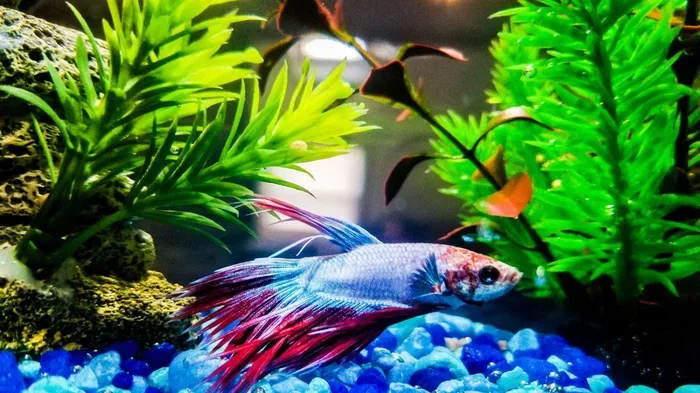
What Is the Ideal Temperature for a Betta Fish to Thrive
What is the ideal temperature for a betta fish is a question every owner should answer before setting up a tank. Keeping your water between 78°F and 80°F creates the perfect tropical environment your fish needs to stay active and vibrant. Too cold or too hot can cause stress, illness, or even death. This guide breaks down everything you need to know about heating, monitoring, and adjusting your aquarium temperature safely.
If you just brought home a beautiful betta fish, you probably want to give it the best start possible. One of the most important factors in betta care is water temperature. These colorful fish come from warm tropical waters in Southeast Asia. They thrive when their aquarium matches the conditions they would find in the wild. Getting the temperature right helps your fish stay active, eat well, and fight off illness.
Many new owners wonder what is the ideal temperature for a betta fish and how to maintain it without stress. The good news is that you do not need fancy equipment to keep your tank in the right range. You just need a reliable heater, a good thermometer, and a little routine. This article walks you through the exact temperature range, why it matters, and simple steps to keep your water stable.
Key Takeaways
- Optimal Range: The ideal temperature for a betta fish sits between 78°F and 80°F (25.5°C to 26.5°C) for peak health and activity.
- Avoid Drastic Swings: Sudden temperature shifts stress your fish and weaken their immune system over time.
- Use a Reliable Heater: A submersible adjustable heater with a built-in thermostat keeps water stable day and night.
- Monitor Regularly: Check water temperature daily with a trusted thermometer to catch problems early.
- Room Temperature Matters: Cold rooms, drafts, and direct sunlight can all push your tank temperature out of range.
- Adjust Slowly: Never change water temperature quickly. Gradual shifts prevent shock and keep your betta calm.
- Watch for Warning Signs: Lethargy, clamped fins, and loss of appetite often signal that your water is too cold or too warm.
📑 Table of Contents
- Why Temperature Matters for Your Betta Fish
- What Is the Ideal Temperature for a Betta Fish
- Choosing the Right Heater for Your Tank
- Monitoring and Maintaining Stable Water Temperature
- Signs Your Betta Is Too Cold or Too Hot
- Common Temperature Mistakes to Avoid
- Key Takeaways for a Healthy, Happy Betta
Why Temperature Matters for Your Betta Fish
Betta fish are tropical creatures. Their bodies work best in warm water that stays within a narrow range. When the water sits in the right zone, your fish can digest food properly, swim comfortably, and show off those stunning fins. Temperature affects almost every part of your betta life, from metabolism to behavior.
Cold water slows everything down. Your fish may become sluggish, eat less, and hide more often. Warm water that goes too high can speed up metabolism too much and reduce oxygen levels. Both extremes put stress on your fish and open the door to disease. A stable, warm environment gives your betta the best chance to live a long, happy life.
The Role of Tropical Habitats
In nature, bettas live in shallow rice paddies, slow-moving streams, and warm ponds. These waters stay fairly consistent because they sit in hot climates. Your home aquarium cannot perfectly copy nature, but you can get close. Matching the natural warmth of their home range helps your fish feel secure and behave naturally.
How Temperature Affects Metabolism
Water temperature controls how fast your betta burns energy. In the right range, your fish processes food efficiently and stays active. If the water drops too low, digestion slows and food may go uneaten. That leftover food can foul the water and create more problems. Keeping the temperature steady helps your fish eat well and keeps the tank cleaner.
What Is the Ideal Temperature for a Betta Fish
So, what is the ideal temperature for a betta fish? The sweet spot sits between 78°F and 80°F (25.5°C to 26.5°C). This range supports healthy growth, strong immunity, and natural behavior. Many experienced keepers aim for about 78.5°F as a daily target. Your fish will usually do very well anywhere in that band as long as the temperature stays steady.
You may see some sources suggest a wider range, but tighter control is safer for long-term health. A betta can survive brief dips or spikes, but survival is not the same as thriving. Consistent warmth in the ideal zone helps your fish show bright colors, build energy, and interact with you during feeding time.
Minimum and Maximum Safe Limits
Bettas can tolerate short periods outside the ideal range, but you should avoid making that a habit. Water below 74°F starts to stress most bettas. Water above 82°F can reduce oxygen and raise stress levels. If your tank drifts toward either edge, take action to bring it back to the ideal range as soon as you can.
Why Consistency Beats Perfect Numbers
A stable 78°F tank is better than a tank that swings between 76°F and 81°F all day. Fish handle small, steady changes better than sudden jumps. Your goal is to keep the temperature flat and predictable. A good heater and a quality thermometer make that much easier.
Choosing the Right Heater for Your Tank
A reliable heater is the heart of temperature control. Not all heaters work the same way, so picking the right one matters. You want a unit that fits your tank size, heats evenly, and holds a set temperature without constant adjustment.
Submersible heaters are a popular choice because they sit fully underwater and distribute heat well. Adjustable models let you set the exact temperature you want. Look for a heater with a clear temperature dial or digital control. A built-in thermostat helps the unit turn on and off as needed to maintain your target range.
Heater Size and Tank Volume
Heater power should match your tank size. A small heater in a large tank will run constantly and still struggle to keep up. A heater that is too strong for a tiny tank may overshoot the temperature. Check the manufacturer guidelines for wattage based on gallons or liters. When in doubt, choose a heater rated for a tank slightly smaller than yours so it does not overwork.
Placement and Safety Tips
Place the heater where water flow can spread the warmth evenly. Keep it away from direct contact with decor that could crack the glass. Always unplug the heater before doing water changes or reaching into the tank. A heater guard can protect your fish from burns and protect the heater from damage.
Monitoring and Maintaining Stable Water Temperature
Once your heater is in place, you need a way to check the water regularly. A simple thermometer gives you the real numbers instead of guessing. Stick-on strip thermometers are easy to read, and digital probes can be very accurate. Pick one that fits your routine and check it at the same time each day.
Room temperature plays a big role in tank stability. A cold draft from a window or a hot spot near a lamp can shift your water temperature. Keep your tank away from direct sunlight, vents, and doors that open often. If your room gets chilly at night, your heater may need to work harder to hold the ideal range.
Daily Checks and Simple Routine
Make temperature checks part of your daily care. A quick glance takes only a few seconds and can catch problems early. If the reading looks off, verify it with a second thermometer before making changes. Small adjustments are safer than big corrections.
Handling Seasonal Changes
Seasons change, and your tank will feel those changes too. Winter may call for a heater that runs more often. Summer may require you to move the tank away from warm rooms or sunlight. Watch your thermometer closely during weather shifts and adjust your setup before the water drifts too far.
Signs Your Betta Is Too Cold or Too Hot
Your betta will give you clues when the temperature is off. Learning to read those signs helps you act fast. Fish cannot tell you directly that they feel uncomfortable, so behavior is your best guide.
A betta that is too cold may sit at the bottom, hide among plants, or swim very slowly. You may notice clamped fins and a dull color. The fish might also ignore food or spit it out. These signs often point to a water temperature that has dropped below the ideal range.
A betta that is too warm may gasp near the surface more often and seem restless. You might see faster breathing and less interest in resting. High heat can also lower oxygen levels, which makes your fish work harder to breathe. If the water feels hot to the touch, check the heater and reduce the temperature gradually.
Quick Troubleshooting Steps
- Check the thermometer reading twice before changing anything.
- Inspect the heater for damage or incorrect settings.
- Move the tank away from drafts, sunlight, or heat sources.
- Adjust the temperature slowly in small steps.
- Watch your fish for improvement over the next few hours.
Common Temperature Mistakes to Avoid
Even careful owners can make temperature mistakes. The good news is that most of them are easy to prevent once you know what to watch for. Avoiding these pitfalls keeps your betta calm and your tank stable.
One common mistake is relying on the heater dial alone without checking the actual water. Dials are not always accurate, and water temperature can differ from the setting. Another mistake is making big changes too quickly. Sudden shifts can shock your fish and cause stress-related illness.
Some owners place the tank in a room that swings wildly in temperature. Others forget to check the thermometer after a water change. New water often comes in at a different temperature, so match it to the tank before adding it. A little care during maintenance goes a long way.
Expert Tips for Long-Term Stability
- Use a separate thermometer to verify heater accuracy.
- Keep a backup heater on hand for emergencies.
- Insulate the tank from cold floors or walls if needed.
- Match new water temperature before every water change.
- Keep the tank in a room with a steady, moderate climate.
If you ever travel or need to leave your fish unattended, make sure your heater and thermometer are working well before you go. A stable setup gives you peace of mind and keeps your betta comfortable while you are away. You can learn more about short absences and feeding plans in our guide on Can You Leave A Betta Fish For A Week.
Temperature also connects to other parts of betta care, like water quality and tank setup. Warm, clean water with gentle filtration supports better health than cold, stagnant water. If you are curious about filtration needs, read Do Betta Fish Have To Be In A Filtered Tank for a closer look at how filtration and temperature work together.
Key Takeaways for a Healthy, Happy Betta
Getting the temperature right is one of the simplest ways to improve your betta care. The ideal temperature for a betta fish sits in a warm, steady range that matches their tropical roots. When you choose a good heater, check the water often, and avoid sudden changes, your fish has a much better chance to thrive.
Pay attention to behavior, keep your tank away from temperature extremes, and make small adjustments when needed. A stable environment turns day-to-day care into a simple routine instead of a constant worry. With the right setup, your betta can show off bright colors, steady energy, and natural habits.
Start with the basics, stay consistent, and trust your thermometer. Your betta will reward you with a more active, vibrant life in a tank that feels just right.
Frequently Asked Questions
What is the ideal temperature for a betta fish in Celsius?
The ideal temperature for a betta fish in Celsius is about 25.5°C to 26.5°C. This range matches their tropical needs and helps them stay active and healthy. Keep the water steady within this band for the best results.
Can a betta fish survive in room temperature water?
A betta fish may survive in room temperature water for a short time, but it is not ideal for long-term health. Room temperature often falls below the warm range bettas prefer. A heater helps keep the water in the safe tropical zone.
How do I know if my betta tank is too cold?
Signs that your tank is too cold include sluggish swimming, hiding, clamped fins, and less interest in food. Your fish may also look duller than usual. Check your thermometer and raise the temperature slowly if you see these signs.
Is 82°F too hot for a betta fish?
82°F is a bit warm for most bettas and can lower oxygen levels over time. It may be tolerated briefly, but it is better to bring the water back toward the ideal range. Watch your fish for signs of stress if the temperature stays high.
Do I need a heater for a betta fish tank?
Yes, a heater is usually the best way to keep a betta tank in the ideal temperature range. Even in warm rooms, nighttime drops can still stress your fish. A reliable heater makes temperature control much easier and more stable.
How quickly can I change the water temperature safely?
You should change the water temperature slowly, not all at once. Small adjustments over time are safer and reduce the risk of shock. If you need to correct a big difference, do it in gentle steps while watching your fish closely.