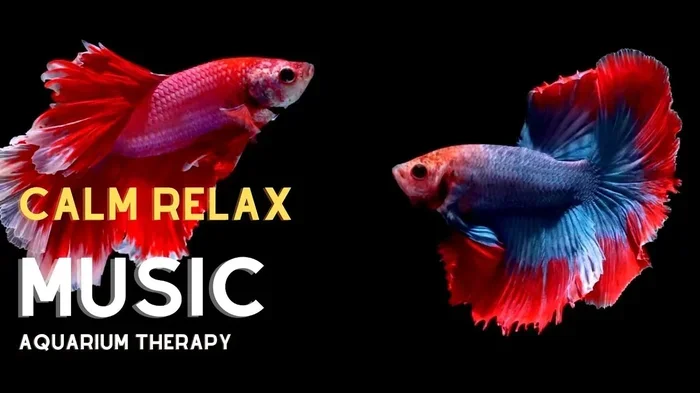
Do Betta Fish Like Classical Music Explore The Truth
Many owners wonder do betta fish like classical music when setting up their tanks. Research shows fish respond to vibrations, but calm melodies may reduce stress. Understanding betta fish behavior helps create a peaceful home for your pet.
Key Takeaways
- Sound sensitivity: Bettas hear vibrations through water, not air.
- Stress response: Loud noises can scare your fish quickly.
- Music preference: Gentle classical tunes may calm them down.
- Tank placement: Keep speakers away from the aquarium glass.
- Observation matters: Watch your fish for signs of discomfort.
- Silence is fine: Bettas do not need music to stay healthy.
- Natural environment: Mimic quiet water conditions for best results.
📑 Table of Contents
- Understanding Do Betta Fish Like Classical Music
- Do Betta Fish Like Classical Music and Stress Levels
- Do Betta Fish Like Classical Music for Enrichment
- Do Betta Fish Like Classical Music and Tank Placement
- Do Betta Fish Like Classical Music and Feeding Times
- Do Betta Fish Like Classical Music and Common Mistakes
- Conclusion
Understanding Do Betta Fish Like Classical Music
Many people ask do betta fish like classical music when they want to make their tank feel special. It is a sweet question. Owners care deeply about their pets. They want the best environment possible. Sound travels very well in water. Fish feel vibrations more than actual noise. This means your music choices matter. You should think about how sound moves through the tank. A calm room helps your fish feel safe. Loud speakers can cause stress fast. Let us look at the facts together.
Bettas are smart little creatures. They notice changes in their world. New objects or sounds catch their attention. Some owners play soft tunes daily. Others keep the room quiet all day. Both approaches can work well. The key is watching your fish closely. If they swim normally, they feel fine. If they hide often, something may bother them. You know your pet best. Trust your eyes and your instincts.
How Fish Hear Sounds in Water
Fish do not have ears like humans. They use lateral lines to sense movement. Water carries sound waves very efficiently. Low frequencies travel farther than high ones. This means bass sounds may feel stronger. Classical music often has soft strings. These gentle waves might feel soothing. Hard rock drums could feel too intense. Think about the water as a speaker itself. Every vibration reaches your fish directly. Keep this in mind when choosing playlists.
The Science Behind Aquarium Acoustics
Studies show fish respond to sound patterns. Some research suggests calm music lowers stress markers. Other studies show no clear preference at all. Fish adapt to their routine quickly. If music plays at the same time daily, they get used to it. Sudden loud sounds startle them more than steady tunes. Consistency matters more than genre. Your betta will likely accept whatever you play regularly. The most important factor is volume control.
Do Betta Fish Like Classical Music and Stress Levels
Stress is a big concern for aquarium owners. A stressed fish gets sick easier. Their colors fade and their appetite drops. Many people hope music can help reduce tension. Soft classical pieces might create a peaceful mood. Slow tempo songs mimic calm water flow. This can help your betta relax after feeding time. However, not all classical music is quiet. Some orchestral pieces have sudden loud bursts. Watch your fish during these moments. If they dart around, lower the volume.
Signs Your Betta Is Stressed by Sound
You can spot stress with simple observation. Look for these common warning signs:
- Hiding behind plants or decorations constantly
- Fading color on their bright scales
- Rapid breathing at the surface
- Clamped fins held close to the body
- Loss of interest in food
- Erratic swimming patterns
These signs mean something is wrong. Sound could be the culprit. Check your room noise levels first. Then adjust your music habits. Your fish will tell you what they need. Pay attention to their daily routines. Small changes make big differences over time.
Choosing the Right Volume and Tempo
Start with very low volume settings. Your betta should barely notice the sound. Place speakers away from the tank glass. Vibrations travel through solid surfaces too. A distant speaker works better than a close one. Slow tempos under eighty beats per minute work well. Avoid sudden dynamic shifts in the music. Pick consistent, gentle tracks for daily play. You can test different options over weeks. Note which songs make your fish swim calmly. Build a playlist from those choices.
Do Betta Fish Like Classical Music for Enrichment
Enrichment keeps intelligent fish happy. Bettas explore their tanks with curiosity. They enjoy new plants and hiding spots. Some owners add sound as another enrichment tool. Music can break the monotony of silence. It adds gentle background activity to the room. This might stimulate your fish in a good way. Just remember that bettas also need rest. Constant noise prevents proper sleep cycles. Turn the music off at night for best results.
Balancing Music with Quiet Time
Your tank needs both sound and silence. Fish require dark, quiet periods to rest. They do not sleep like humans do. They enter a low activity state instead. Loud music during this time causes disruption. Set a schedule for your playlists. Play music during your viewing hours only. Let the tank stay quiet while you sleep. This mimics natural day and night cycles. Your betta will follow a healthier rhythm. Consistency builds trust between you and your pet.
Alternative Enrichment Ideas
Music is just one option for fun. Try these other enrichment methods too:
- Live plants that sway gently in water
- Safe tank decorations with smooth edges
- Mirror viewing sessions for short periods
- Varied feeding routines with different foods
- Gentle water flow from adjustable filters
Mix these ideas with your music choices. A varied environment keeps your betta engaged. Watch how they interact with each change. Remove anything that causes fear or stress. Keep what brings out their natural colors. Your fish will show you what they enjoy most.
Do Betta Fish Like Classical Music and Tank Placement
Where you put your tank matters a lot. Floor vibrations travel up through stands. Wall sounds bounce around the room. A corner location often feels quieter. Keep the tank away from heavy foot traffic. Loud conversations near the glass startle fish. Your music setup should fit this quiet zone. Avoid placing speakers directly on the tank lid. This sends strong vibrations straight into the water. A separate shelf works much better.
Room Noise Factors to Consider
Think about all the sounds in your room. Air conditioners create steady hums. Televisions produce sudden audio spikes. Vacuum cleaners cause major disturbances. Even closing doors can shock your fish. Classical music should blend into the background. It should not compete with other loud noises. Pick times when the house is calm. Morning hours often work well for soft tunes. Evening times may be too busy with family activity.
Creating a Peaceful Aquarium Environment
A calm tank leads to a healthy fish. Follow these steps for a better setup:
- Choose a stable surface away from windows
- Use foam pads under the tank stand
- Keep loud electronics far from the water
- Maintain consistent room temperatures daily
- Add soft lighting that mimics natural daylight
These changes support your music efforts. A peaceful room makes classical tunes feel nicer. Your betta will swim with more confidence. They will show off their beautiful fins often. Health and happiness go hand in hand here.
Do Betta Fish Like Classical Music and Feeding Times
Feeding time is a special moment for owners. Many people play music while they feed their fish. This can create a positive association for your betta. They may link the tunes with tasty food. Classical music during meals works well for some. Keep the volume low during feeding though. Loud sounds can scare fish away from food. They might miss their meals entirely. Watch them eat comfortably every time.
Building Positive Associations with Sound
Fish can learn simple patterns over time. If music plays before feeding, they notice. They may swim to the surface sooner. This shows they connect the sound with food. Use gentle classical pieces for this routine. Avoid aggressive or loud genres during meals. Your betta will feel safer during feeding. They will eat more regularly too. Healthy eating supports bright colors and growth. This simple trick helps your whole routine.
Do Betta Fish Like Classical Music and Common Mistakes
Owners often make small errors with sound. These mistakes can stress your fish out. Avoid placing speakers on the tank hood. Do not play music at full volume ever. Skipping quiet nights harms their rest cycles. Changing playlists too often confuses them. Ignore your fish behavior at your own risk. They will show you when something is wrong. Fix these issues quickly for better results.
Expert Tips for Music and Betta Care
Experts suggest keeping things simple and steady. Here are some trusted recommendations:
- Start with five minutes of music daily
- Increase time only if your fish stays calm
- Never blast sound directly into the water
- Observe your fish for at least a week
- Keep a journal of their behavior changes
These steps protect your pet from harm. You can enjoy music without risking health. Your betta will thank you with vibrant colors. They will swim with more energy too. Care and observation lead to great outcomes.
Conclusion
So, do betta fish like classical music? The answer depends on your specific fish. Soft, gentle tunes often create a calm mood. Loud or sudden sounds cause stress quickly. Your betta cares more about safety than genre. Watch their behavior closely after any changes. Adjust volume and timing based on their reactions. A quiet tank with optional soft music works best. Your fish will thrive in a peaceful home. Trust your observations and enjoy the journey.
Frequently Asked Questions
Does classical music really calm betta fish?
Gentle classical music may help some bettas relax. Soft vibrations mimic calm water conditions. However, every fish reacts differently to sound. Watch your pet for signs of comfort or stress.
Can loud music hurt my betta fish?
Yes, loud sounds can stress your fish quickly. Sudden volume spikes startle them badly. This may cause hiding or loss of appetite. Keep all music at a low, steady volume.
Should I play music for my betta every day?
Daily music is fine if your fish accepts it. Keep sessions short and quiet at first. Turn the sound off at night for rest. Consistency matters more than constant playback.
What kind of music is best for aquariums?
Soft classical pieces with slow tempos work well. Avoid heavy drums or sudden loud changes. Instrumental tracks are usually safer than vocal songs. Test different options and observe your fish.
Do betta fish hear music through the water?
Fish sense vibrations through their lateral lines. They do not hear air sounds the same way we do. Water carries sound waves very efficiently. This is why volume control matters so much.
How do I know if my betta dislikes the music?
Look for hiding, faded colors, or rapid breathing. Clamped fins and poor appetite are also warning signs. If you see these, lower the volume or stop playing music. Your fish will tell you what they need.