When to Feed Your Betta Fish

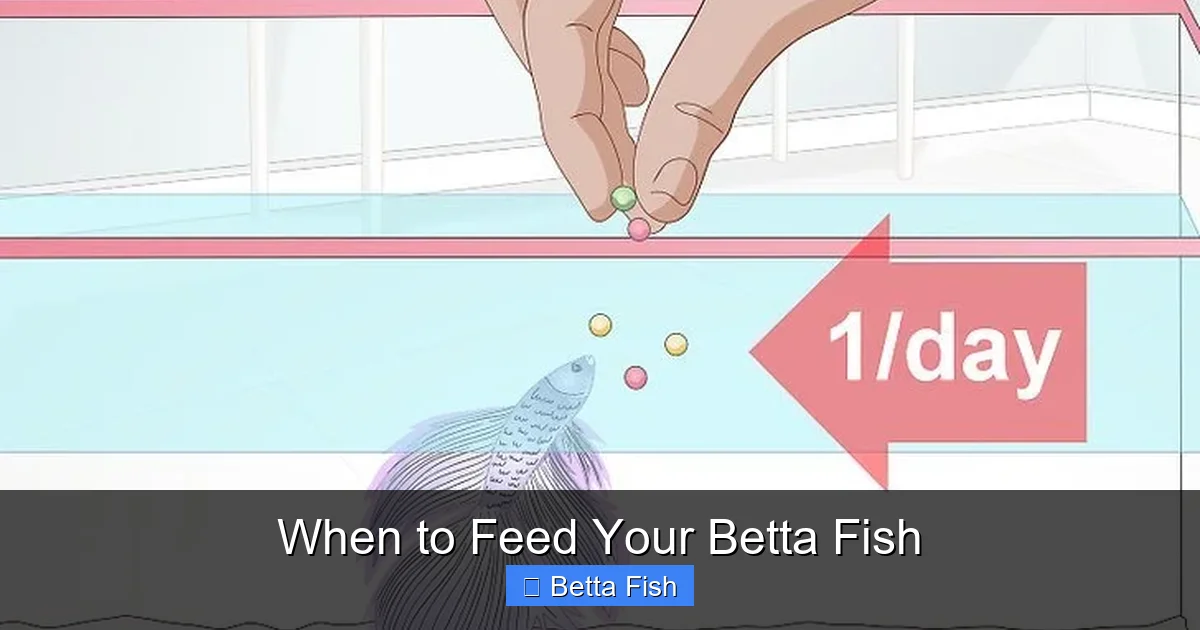
Feeding your betta fish correctly is crucial for its health and longevity. The general rule is to feed adult bettas once or twice daily, offering only what they can consume in 2-3 minutes. Overfeeding is the most common mistake and leads to serious health issues like constipation and swim bladder disease. Always consider factors like water temperature, age, and activity level when determining feeding times and portions.
Key Takeaways
- Feed Adults Once or Twice Daily: A consistent schedule prevents overfeeding and mimics natural eating patterns.
- Portion Size is Critical: A betta’s stomach is roughly the size of its eye; offer 2-3 pellets or a small pinch of flakes per meal.
- Observe the 2-3 Minute Rule: Any uneaten food after this time must be siphoned out to maintain water quality.
- Temperature Dictates Metabolism: Colder water (below 76°F) slows digestion, reducing feeding frequency and quantity.
- Fasting is Beneficial: Skipping one meal per week aids digestion and can prevent constipation.
- Life Stage Matters: Fry (babies) need 3-4 small feedings daily, while older bettas may eat less.
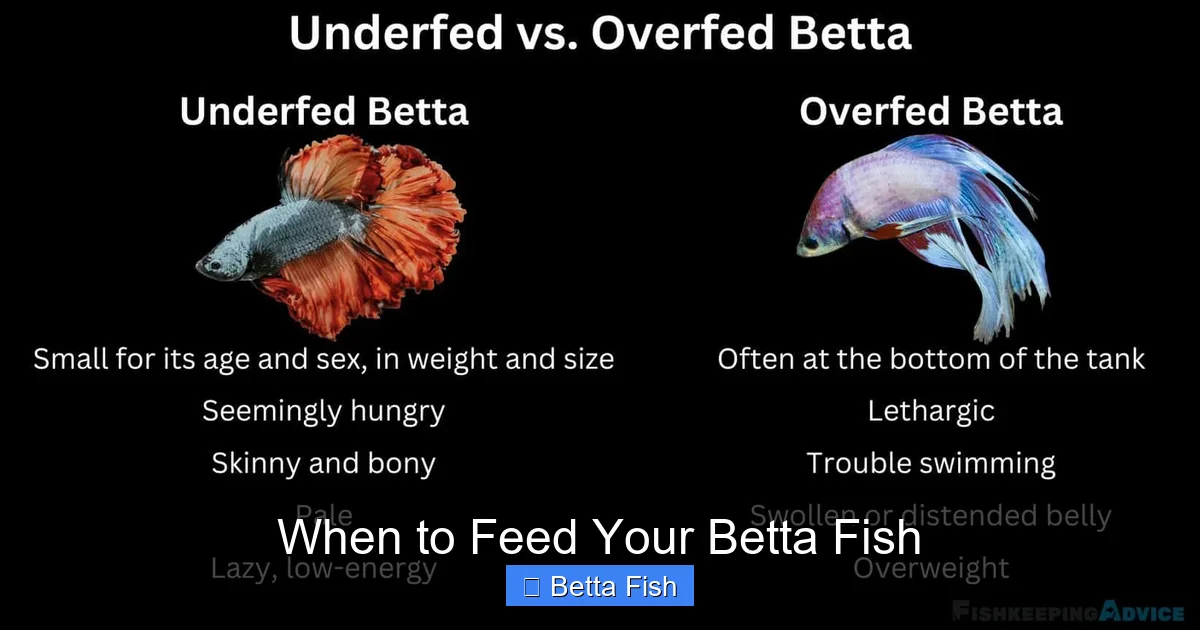
- Watch for Fullness: A slightly rounded, not bloated, belly indicates a proper meal; a visibly swollen abdomen means overfeeding.
📑 Table of Contents
- Why Timing and Routine Matter for Your Betta
- The Ideal Daily Feeding Schedule: Finding Your Betta’s Rhythm
- Factors That Change Your Feeding Schedule and Amount
- What to Feed: The Foundation of Good Timing
- Common Feeding Mistakes and How to Avoid Them
- Special Situations: Vacations, New Fish, and Breeding
- Signs You’re Feeding Correctly (and Incorrectly)
- Conclusion: Building a Lifetime of Health Through Simple Routines
Why Timing and Routine Matter for Your Betta
You’ve brought home that magnificent, flowing-finned betta fish, and everything seems perfect in its little aquatic world. The tank is set up, the water is conditioned, and your new pet glides with regal confidence. But then comes the inevitable question: when should I feed my betta fish? It’s not just a simple matter of dumping some food in the tank. The answer is a cornerstone of responsible betta ownership, directly impacting your fish’s vibrant colors, energy levels, and lifespan. Getting the timing and routine right is one of the most powerful tools you have to ensure your betta thrives, not just survives.
Betta fish, or Siamese fighting fish, are carnivorous surface feeders by nature. In the wild, they don’t have a constant buffet. They skitter across the water’s surface, snatching insects, larvae, and tiny crustaceans. This means their digestive systems are designed for sporadic, protein-rich meals, not endless grazing. When we bring them into our homes, we must replicate this natural rhythm as closely as possible. An improper feeding schedule is the fastest route to common betta ailments. Overfeeding pollutes the water with decaying nutrients, leading to toxic ammonia spikes and harmful bacterial blooms. It also physically stresses your fish, often resulting in constipation, swim bladder disorder (that frustrating inability to swim upright), and fatty liver disease. Underfeeding, while less common, leads to lethargy, faded colors, and a weakened immune system. Therefore, understanding when to feed your betta fish is intrinsically linked to understanding how much and what to feed.
The Ideal Daily Feeding Schedule: Finding Your Betta’s Rhythm
So, what does a perfect feeding day look like for a domestic betta? The consensus among experienced aquarists and veterinarians is clear and consistent. For a healthy adult betta (over 6 months old) in a properly heated tank (78-80°F/25-27°C), the ideal schedule is once or twice per day. This frequency respects their slow metabolism and prevents the buildup of waste from frequent, large meals.
Visual guide about When to Feed Your Betta Fish
Image source: fishkeepingadvice.com
The Morning vs. Evening Debate
Is there a best time? Not inherently. The key is consistency. Pick a time that works for your daily routine—perhaps once in the morning when you get up and, if feeding twice, once in the early evening (at least 2-3 hours before the tank lights go out). Avoid feeding right before bed, as your betta will be less active and the food will sit and decay overnight. Many keepers find a single, slightly larger morning feeding works best, as the betta has the entire day to be active and digest. If you choose two feedings, make the second meal smaller than the first. The most important rule is to feed at roughly the same times each day. This predictability reduces stress for your fish, as they learn to anticipate and expect their meals, which can actually make them more interactive and curious when you approach the tank.
The 2-3 Minute Rule: Your Non-Negotiable Guideline
Here is the single most important practical rule in betta care: offer an amount of food your betta can completely consume within 2 to 3 minutes. This isn’t a vague suggestion; it’s your primary defense against overfeeding. Place the food in the water and watch. A healthy, hungry betta will dart up and devour pellets or flakes almost instantly. If food is still sinking or floating after 2 minutes, you’ve likely offered too much. Use a net or turkey baster to immediately remove any uneaten particles. This practice is non-negotiable for maintaining pristine water quality, which is arguably more important than the feeding itself in the long-term health of your fish.
Factors That Change Your Feeding Schedule and Amount
The “once or twice daily” rule is a fantastic starting point, but it’s not a universal law. Several critical factors require you to adjust your timing and portions. A truly attentive betta keeper learns to read these variables.
Visual guide about When to Feed Your Betta Fish
Image source: wikihow.com
Water Temperature: The Master Regulator
This is the biggest variable. Betta metabolism is directly tied to water temperature. In their optimal tropical range of 78-80°F (25-27°C), their digestion is efficient, and they are active and hungry. However, if your tank is on the cooler side (say, 75°F or below), their metabolism slows significantly. In this case, reduce feeding to once every other day or even just once every two days, and offer even smaller portions. A cold betta with a full stomach is a prime candidate for constipation and swim bladder issues. Conversely, if your water is consistently warmer (82°F+), their metabolism speeds up, and you may need to offer a tiny bit more food or monitor their condition closely to ensure they aren’t hungry. Always use a reliable aquarium thermometer—never guess.
Age and Life Stage: From Fry to Senior
Fry (0-3 months): These tiny babies have voracious appetites and rapid growth demands. They need 3-4 small feedings per day of specially sized foods like infusoria, baby brine shrimp, or micronized fry food. Their tiny stomachs empty quickly.
Juveniles (3-6 months): As they grow, you can taper to 2-3 feedings daily of high-quality, small-sized pellets.
Adults (6 months – 3 years): The standard 1-2 feedings apply.
Seniors (3+ years): Older bettas often lose some appetite and digestive efficiency. Feed a high-quality, easily digestible food once daily, and be prepared for them to eat less than they used to. Watch their body condition closely.
Health and Activity Level
A betta recovering from illness (like fin rot or velvet) or suffering from chronic issues (like a permanent swim bladder tilt) may have a diminished appetite. Never force food. Offer a tiny amount at a regular time. If they don’t eat it within 5 minutes, remove it. For constipated bettas (recognized by a swollen, pinecone-like abdomen), the first step is always a fast for 2-3 days. This allows their digestive system to clear completely. After the fast, feed a small, cooked pea (deseeded and skinned) or a daphnia to act as a natural laxative. An extremely active, curious betta in a spacious, enriched tank may burn more calories and appreciate a consistent, adequate meal schedule.
What to Feed: The Foundation of Good Timing
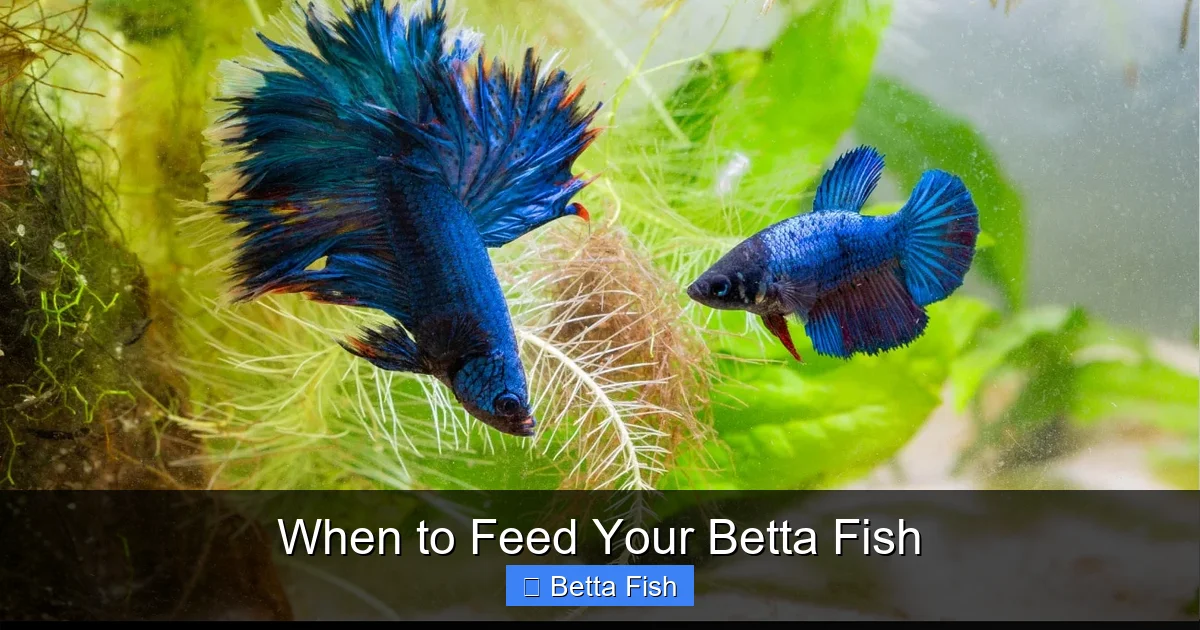
You can’t discuss when to feed without briefly touching on what to feed. The quality and type of food dictate how much you can safely offer and how often they need it. A poor diet, even if fed correctly in terms of schedule, will lead to long-term health problems.
Visual guide about When to Feed Your Betta Fish
Image source: buildyouraquarium.com
Pellets vs. Flakes: The Best Choice
High-quality betta pellets are the undisputed champion. They are formulated to sink slowly, allowing your betta to grab them at the surface (their natural feeding zone). They provide a balanced mix of protein (at least 40%), fats, and vitamins. Choose a pellet that lists whole fish or shrimp as the first ingredient. Avoid “filler” pellets with wheat, soy, or potato as primary components.
Flakes are less ideal. They often float and scatter, making it hard to gauge portions. Many are plant-heavy and low in the animal protein bettas require. If you use flakes, choose a high-quality “betta” or “carnivore” formula and crush them lightly to make them easier to consume. Pellets are almost always the better tool for maintaining a precise schedule.
The Importance of Dietary Variety
Even with the best pellets, variety is key to optimal health. Think of pellets as your betta’s staple “grain.” You should supplement 2-3 times per week with frozen or live foods. Excellent options include:
- Bloodworms: A favorite, but high in fat. Use as a treat, not a staple.
- Brine Shrimp (especially baby brine shrimp): Excellent for digestion and providing roughage. Great for fry and adults alike.
- Daphnia: The ultimate digestive aid. These tiny water fleas are like a natural probiotic and laxative. Perfect for preventing or treating constipation.
- Mysis Shrimp: High in protein and appealing to picky eaters.
When feeding these treats, you should reduce or skip their pellet meal that day. A treat *is* their meal. This variety not only provides different nutrients but also stimulates their natural hunting instincts, reducing boredom.
Common Feeding Mistakes and How to Avoid Them
Even with the best intentions, mistakes happen. Recognizing these pitfalls is the first step to correcting them.
The Overfeeding Epidemic
This is, by far, the number one mistake. It stems from a human desire to show love through food and a misjudgment of a betta’s tiny stomach. The consequences are severe and often mistaken for other diseases:
- Water Quality Crash: Excess food decomposes into ammonia and nitrite, poisoning your fish and causing algae blooms.
- Constipation: A swollen, stringy waste trail, lethargy, and loss of appetite.
- Swim Bladder Disorder (SBD): The most visible sign. The fish floats upside down, sinks and can’t rise, or swims erratically. This is often directly caused by a full, constipated gut pressing on the swim bladder.
- Obesity and Fatty Liver: A visibly fat, lethargic betta with clamped fins is suffering internally.
The fix is simple but requires discipline: strictly measure portions, follow the 2-3 minute rule, and fast your betta for one full day per week. This weekly fast is a natural reset for their digestive system and is highly recommended by experts.
Feeding the Wrong Foods
Bread, crackers, or human food are absolute no-nos. Their digestive systems cannot process carbohydrates or starches. Even some “betta foods” from big-box stores are low-quality. Always read ingredient lists. Avoid foods with excessive fillers, artificial colors (which can cause allergies), and preservatives. Stick to reputable aquatic brands or high-quality frozen foods.
Inconsistent Timing and Ignoring the Fast
Feeding at random times stresses your betta, as it never knows when to expect food. This can lead to anxiety and gulping air at the surface (a sign of poor water quality or hunger stress). Similarly, never skipping that weekly fast because you “feel bad.” Your betta’s biology is not designed for daily food. The fast is a gift to its system.
Special Situations: Vacations, New Fish, and Breeding
Life happens, and your betta’s feeding schedule needs to adapt. Here’s how to handle special circumstances without causing harm.
Going on Vacation
Never use vacation feeders (those large, slow-dissolving blocks). They are packed with excessive nutrients and will foul your water terribly. The safest option is to have a trusted friend or family member come over to feed a single, pre-measured pellet portion every other day. Provide clear instructions: “Tap the glass. If she comes, give her 2 pellets. If not, don’t add more.” If you have no one, the best and safest course is to fast your betta for the duration of a short trip (up to 7 days). A healthy adult betta can easily go 1-2 weeks without food. This is far safer than risking water pollution from an automatic feeder or vacation block. Ensure the tank is clean and the filter is functioning perfectly before you leave.
Introducing a New Betta
When you first bring a betta home, it may be stressed and not eat for a day or two. This is normal. Offer a small amount of food at the usual time. If it doesn’t eat, remove it and try again the next day. For particularly picky or stressed fish, try tempting them with a tiny piece of frozen bloodworm or a live daphnia. Once they start eating, immediately transition back to a high-quality pellet diet. Do not indulge picky eating with constant treats, as this will create a fussy eater.
Breeding Pair Feeding
Breeding bettas have different needs. Conditioning the pair requires high-quality, protein-rich meals twice daily for 2-4 weeks prior to spawning. Live foods like brine shrimp and bloodworms are excellent for this, as they closely mimic the natural diet that triggers breeding behavior. During the actual spawning process, the male may stop eating as he tends the bubble nest. This is normal. Resume light feeding once the fry are free-swimming and the parents’ focus shifts.
Signs You’re Feeding Correctly (and Incorrectly)
Your betta’s body and behavior are the ultimate feedback system. Learn to read them.
Positive Indicators of a Proper Diet
A well-fed betta on a correct schedule will display:
- Vibrant, rich colors: Good nutrition enhances natural pigmentation.
- Active and curious behavior: Swims throughout the tank, flares at its reflection, and greets you at the glass.
- Healthy body condition: A sleek, torpedo-shaped body. From above, you should see a gentle curve, not a sharp spine. From the side, the belly should be slightly rounded but not bulging.
- Strong, flowing fins: Fin rot is often linked to poor water quality from overfeeding.
- Regular, small waste: Waste should be short, brown, and in small amounts. Long, stringy, clear or white waste indicates constipation or parasites.
Red Flags of Feeding Problems
Act immediately if you see:
- Visible bloating or swelling: Especially if the scales are raised (a sign of dropsy, often secondary to poor water quality from overfeeding).
- Lethargy and clamped fins: A betta that just sits on the bottom or at the surface, fins tightly against its body, is stressed or ill.
- Constipation: A swollen abdomen with no waste passage, or long, stringy feces.
- Swim bladder issues: Any abnormal swimming pattern (sinking, floating uncontrollably, swimming upside down).
- Rapid deterioration after feeding: If your betta seems fine one day and bloated/SBD the next after a meal, overfeeding is the prime suspect.
If you observe any of these, start with a 3-day fast, ensure your water parameters are perfect (ammonia and nitrite at 0), and consider a cooked pea or daphnia to relieve constipation. If problems persist, consult a vet experienced with fish.
Conclusion: Building a Lifetime of Health Through Simple Routines
Mastering when to feed your betta fish boils down to embracing a philosophy of moderation, consistency, and observation. It’s not about complex charts or exotic foods. It’s about understanding that your betta is a small carnivore with a delicate system. Stick to a simple schedule of 1-2 meals per day for adults, with a mandatory weekly fast. Measure portions to the size of their eye. Remove all uneaten food within 3 minutes. Adjust for water temperature and life stage. And above all, watch your fish. Its body is a living report card on your care. The reward for this disciplined approach is immense: a betta that lives for 4, 5, or even 6+ years, displaying the brilliant colors and captivating personality that made you fall in love with them in the first place. You’re not just feeding a pet; you’re curating the environment for a thriving, beautiful life. Start with that simple routine today, and watch your betta flourish.
Frequently Asked Questions
Can I feed my betta fish every day?
Yes, adult bettas should be fed every day, but typically only once or twice daily. The critical point is the portion size, not the daily feeding itself. Skipping one day per week (a weekly fast) is highly recommended for digestive health.
What time of day is best to feed a betta fish?
There is no single “best” time. The best time is whatever creates a consistent routine for you, such as once in the morning. If feeding twice, do morning and early evening (at least 2-3 hours before lights out). Consistency reduces stress for your betta.
How do I know if I’m feeding my betta too much?
The clearest signs are visible bloating or swelling in the abdomen, stringy or excessive waste, lethargy, and the development of swim bladder disorder (swimming erratically or upside down). Uneaten food left in the tank after 3 minutes is also a direct sign of overfeeding.
Should I feed my betta if the water is cold?
No, you should reduce feeding significantly if the water is below 76°F (24°C). Cold water slows a betta’s metabolism dramatically. In cooler temperatures, feed only once every other day or even less, and offer very small portions to prevent constipation and digestive issues.
Is it okay to skip feeding my betta for a day?
Absolutely. In fact, a 24-hour fast once a week is strongly recommended. This gives their digestive system a rest, helps prevent constipation, and is a natural part of their biology. A healthy adult betta can easily go 7-10 days without food if necessary.
What should I do with leftover food after feeding?
You must immediately remove any uneaten food with a net, siphon, or turkey baster within 2-3 minutes. Leaving it to decompose will spike toxic ammonia and nitrite levels, harming your betta and degrading water quality. This is a non-negotiable part of proper feeding.