Can Betta Fish Males and Females Together

Male and female betta fish can only be kept together temporarily under very specific conditions, primarily for breeding purposes. Outside of controlled breeding attempts, housing them together long-term almost always results in aggression, stress, and injury. Understanding betta behavior, tank setup, and proper introduction methods is essential if you’re considering putting male and female betta fish together.
Key Takeaways
- Temporary cohabitation only: Male and female betta fish should only be housed together briefly for breeding, not as permanent tank mates.
- Male aggression is the biggest risk: Male bettas are highly territorial and may attack or kill a female if she is not ready to spawn or if the tank is too small.
- A heavily planted tank is essential: If attempting to keep them together, a minimum 20-gallon tank with plenty of hiding spots and visual barriers is required.
- Close monitoring is non-negotiable: You must watch for signs of aggression, fin nipping, stress stripes, or injury and be ready to separate them immediately.
- Female betta sororities are a better option: If you want multiple bettas, a group of female bettas in a well-planted tank is far safer than mixing genders.
- Breeding requires a specific process: Successful betta breeding involves conditioning both fish, using a breeding tank with a divider, and removing the female after spawning.
- Most experts advise against it: The vast majority of experienced betta keepers recommend keeping male and female bettas in separate tanks permanently.
📑 Table of Contents
- Can Betta Fish Males and Females Together? The Complete Guide
- Understanding Betta Fish Behavior and Aggression
- When Can Male and Female Bettas Be Together?
- Setting Up a Tank for Male and Female Bettas
- Signs of Trouble: When to Separate Immediately
- Alternatives to Keeping Male and Female Bettas Together
- Common Myths About Male and Female Betta Cohabitation
- Expert Recommendations and Final Thoughts
Can Betta Fish Males and Females Together? The Complete Guide
If you’ve ever watched a male betta fish flare his magnificent fins, you’ve probably wondered whether he could share his space with a female. It’s one of the most common questions new and experienced betta keepers ask. The short answer is: it’s complicated. While male and female betta fish can be placed together under very specific circumstances, doing so without proper knowledge and preparation often ends in disaster.
Betta fish, also known as Siamese fighting fish, earned their name for a reason. Males are notoriously aggressive toward other bettas, and females can be feisty too. But nature didn’t design them to be enemies — in the wild, males and females interact for breeding. The key is understanding when and how this can work in a home aquarium. In this guide, we’ll walk you through everything you need to know about keeping male and female betta fish together, including the risks, the right setup, and what most experts actually recommend.
Understanding Betta Fish Behavior and Aggression
Why Are Male Bettas So Aggressive?
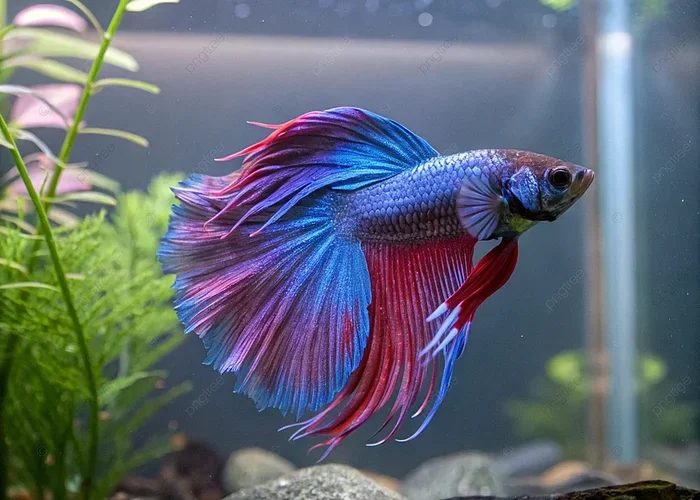
Male betta fish are hardwired to defend their territory. In the shallow rice paddies and slow-moving streams of Thailand, a male betta claims a small area and guards it fiercely against rival males. This instinct doesn’t disappear in a home aquarium. When a male betta sees another betta — male or female — his first instinct is often to attack.

Visual guide about Can Betta Fish Males and Females Together
Image source: koala.sh
This aggression isn’t personal. It’s survival. In the wild, a male who fails to defend his territory won’t attract a mate or protect his bubble nest. So when you place a female in his space, he may see her as a threat rather than a potential partner, especially if she isn’t displaying breeding behavior.
How Do Female Bettas Behave?
Female bettas are generally less aggressive than males, but they’re not pushovers. A female betta can be territorial, especially in smaller tanks. When a male becomes aggressive, a female will often fight back rather than simply submit. This can lead to torn fins, scale damage, and extreme stress for both fish.
Interestingly, female bettas can sometimes live together in groups called sororities, which is something you can explore if you want multiple bettas. You can learn more about this in our guide on keeping female betta fish together. But mixing genders is an entirely different challenge.
The Role of Hormones and Breeding Instincts
Here’s where things get interesting. A male betta’s aggression toward a female decreases significantly when she displays breeding signals — a vertical stripe pattern on her body (called breeding bars) and a swollen belly full of eggs. In this state, the male is more likely to court her than attack her. But this window is brief, and once breeding is complete, his aggression returns with a vengeance.
When Can Male and Female Bettas Be Together?
Breeding: The Only Recommended Scenario
The one situation where male and female betta fish should be in the same tank is controlled breeding. Even then, they should never simply be thrown together. Breeding bettas is a careful process that requires preparation, the right environment, and constant supervision.

Visual guide about Can Betta Fish Males and Females Together
Image source: jungleaquatics.com
Here’s how responsible betta breeding typically works:
- Condition both fish separately: Feed high-quality live or frozen foods like bloodworms and brine shrimp for one to two weeks to get them into breeding condition.
- Use a breeding tank: A dedicated 10- to 20-gallon breeding tank with shallow water (about 6 inches deep) and a heater set to 78-80°F is ideal.
- Introduce the female first: Place the female in a clear container or behind a divider inside the breeding tank so the male can see her but not reach her.
- Watch for signs of readiness: The male will build a bubble nest at the surface. The female will display breeding bars and may respond to the male’s displays.
- Release the female: Once both fish are showing breeding behavior, release the female into the tank. The male will embrace the female, and eggs will be released and fertilized.
- Remove the female immediately after spawning: This is critical. Once the eggs are in the bubble nest, the male will become aggressive toward the female. She must be removed to a separate tank right away.
Why Long-Term Cohabitation Almost Never Works
Outside of breeding, there is virtually no scenario where a male and female betta should live together permanently. Even in large, heavily planted tanks, the risk is simply too high. The male may tolerate the female for days or even weeks, but betta behavior is unpredictable. A sudden change in hormones, water conditions, or even the female’s mood can trigger a violent attack.
Many betta keepers have shared stories of keeping a male and female together “successfully” for months — only to find the female dead or severely injured overnight. The stress of living under constant threat also weakens the female’s immune system, making her susceptible to diseases like fin rot and ich.
Setting Up a Tank for Male and Female Bettas
Minimum Tank Size Requirements
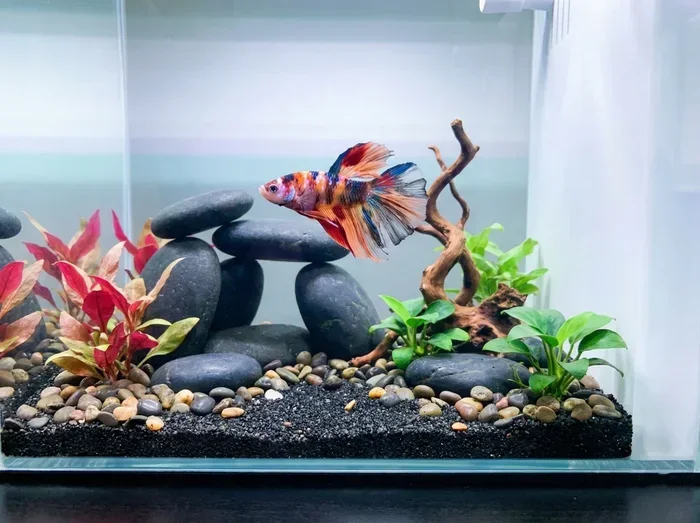
If you’re attempting to introduce a male and female betta — whether for breeding or a temporary cohabitation trial — tank size matters enormously. A standard 5-gallon betta tank is far too small. You need a minimum of 20 gallons, and 30 gallons or more is even better.

Visual guide about Can Betta Fish Males and Females Together
Image source: pangovet.com
The extra space serves several purposes. It gives the female room to escape the male’s territory. It allows you to create distinct zones with plants and decorations. And it dilutes the concentration of territorial pheromones in the water, which can reduce aggression.
Essential Tank Features
A tank housing both a male and female betta needs to be set up with their safety in mind. Here’s what you’ll need:
- Live or silk plants: Dense planting provides hiding spots and breaks up sight lines. Java fern, anubias, and hornwort are excellent choices. Avoid plastic plants, which can tear delicate betta fins.
- Caves and hiding spots: Terracotta pots, betta logs, and coconut caves give the female places to retreat when the male gets aggressive.
- Floating plants: Indian water lettuce, frogbit, or water sprite provide cover at the surface and help the male build a bubble nest if breeding.
- A divider or breeding box: Having a tank divider on hand lets you separate the fish quickly if things go wrong. Some breeders use a clear acrylic divider during the introduction phase.
- Gentle filtration: Bettas prefer calm water. A sponge filter is ideal because it provides biological filtration without creating strong currents.
- Heater and thermometer: Keep the water temperature stable between 76-80°F. Temperature fluctuations can increase stress and aggression.
Water Parameters to Maintain
Stress from poor water quality can trigger aggression in both male and female bettas. Keep these parameters in check:
- Temperature: 76-80°F (24-27°C)
- pH: 6.5-7.5
- Ammonia and nitrite: 0 ppm
- Nitrate: Below 20 ppm
- Water changes: 25-30% weekly
Clean, stable water is one of the most overlooked factors in betta aggression. A stressed fish is an aggressive fish.
Signs of Trouble: When to Separate Immediately
Physical Signs of Aggression
Even with the best setup, things can go wrong fast. Watch for these warning signs every time you observe your bettas:

Visual guide about Can Betta Fish Males and Females Together
Image source: articles.hepper.com
- Torn or shredded fins: This is the most obvious sign of fighting. If you see ragged edges on either fish’s fins, separate them immediately.
- Missing scales or open wounds: Scale loss along the body indicates serious attacks. These wounds can become infected quickly.
- Bite marks: Small circular marks on the body or fins are bite wounds from the other fish.
- Clamped fins: A betta holding its fins tight against its body is stressed or frightened.
Behavioral Warning Signs
Sometimes the danger is visible in behavior before any physical damage occurs:
- Constant flaring: If the male is flaring at the female nonstop, he’s in attack mode.
- Chasing: Occasional chasing is normal during breeding, but relentless pursuit means the female is in danger.
- Hiding: If the female spends all her time hiding and won’t come out to eat, she’s under extreme stress.
- Stress stripes: Horizontal stripes along the body (different from vertical breeding bars) indicate fear and stress.
- Loss of appetite: A stressed betta often stops eating. If either fish refuses food, it’s a red flag.
What to Do When Aggression Occurs
If you see any of these signs, act fast. Have a separate tank or container ready before you even attempt to house male and female betta fish together. Use a net or cup to remove the female first — she’s usually the one at greater risk. Never use your hands, as this can damage the fish’s protective slime coat.
After separation, treat any wounds with aquarium salt or a mild antifungal treatment. Monitor both fish closely for signs of infection over the following days.
Alternatives to Keeping Male and Female Bettas Together
Keeping a Female Betta Sorority
If you love the idea of having multiple bettas, a female sorority is a much safer and more rewarding option. A group of four to six female bettas can live together in a 20-gallon or larger planted tank. They establish a social hierarchy and generally coexist peacefully, especially when introduced all at once.

Visual guide about Can Betta Fish Males and Females Together
Image source: i.ytimg.com
That said, sororities require careful management. You need plenty of hiding spots, a backup tank for any aggressive individuals, and close observation during the first few weeks. For a detailed guide, check out our article on keeping multiple betta fish together.
Choosing Peaceful Tank Mates Instead
Rather than adding another betta, consider giving your male betta some peaceful community tank mates. Species like neon tetras, corydoras catfish, harlequin rasboras, and mystery snails can coexist with a male betta in a properly sized tank. These fish occupy different areas of the tank and generally don’t trigger the betta’s territorial instincts.
Of course, every betta has a unique personality. Some are more tolerant than others. Always have a backup plan and monitor new additions carefully. You can explore more options in our guide on what fish can live with betta males.
Visual Separation: The Best of Both Worlds
Here’s a clever approach many betta keepers use: place two tanks side by side with a divider between them. The male and female can see each other through the glass, which provides visual stimulation without any physical risk. This setup can actually enrich their lives — bettas are intelligent fish that benefit from environmental stimulation.
Some keepers use a single large tank with a permanent opaque divider, creating two separate territories within one aquarium. This gives each fish plenty of space while allowing them to sense each other’s presence safely.
Common Myths About Male and Female Betta Cohabitation
Myth: “They’ll Get Used to Each Other”
This is perhaps the most dangerous myth in the betta-keeping world. While some individual bettas may tolerate a tank mate for a while, this tolerance is fragile and temporary. Betta aggression is instinctual, not learned. A male who seems calm today may attack tomorrow due to a hormonal shift, a change in water parameters, or simply a bad day.

Visual guide about Can Betta Fish Males and Females Together
Image source: i.ytimg.com
The fact that it sometimes works doesn’t mean it’s safe. It’s like playing Russian roulette with your fish’s life.
Myth: “A Bigger Tank Solves Everything”
A larger tank certainly helps reduce aggression, but it doesn’t eliminate it. Even in a 40-gallon planted tank, a determined male betta can harass a female to death. Space is a tool, not a guarantee. The only truly safe approach is separation.
Myth: “Female Bettas Are Always Peaceful”
Female bettas are less aggressive than males on average, but they’re not docile. A female who feels threatened will fight back, and a female who is in breeding condition may actually provoke the male. Assuming a female is “safe” just because of her gender is a mistake that can cost both fish their lives.
Myth: “If They’re Not Fighting, They’re Fine”
Chronic stress is invisible but deadly. A female betta who isn’t being physically attacked may still be under constant psychological stress from the male’s presence. This suppresses her immune system, shortens her lifespan, and reduces her quality of life. Just because you don’t see blood doesn’t mean everything is okay.
Expert Recommendations and Final Thoughts
What Experienced Breeders Say
Ask any experienced betta breeder whether male and female bettas should live together, and the answer is almost universally no. The risks far outweigh any potential benefits. Even breeders who work with bettas professionally only bring males and females together for the brief spawning process and separate them immediately afterward.

Visual guide about Can Betta Fish Males and Females Together
Image source: thesprucepets.com
The consensus in the betta-keeping community is clear: if you want both a male and a female betta, keep them in separate tanks. You’ll have healthier, happier fish, and you won’t have to worry about coming home to a tragedy.
The Bottom Line
So, can betta fish males and females be kept together? Technically, yes — but only temporarily, only for breeding, and only with extensive preparation and constant supervision. For everyday fishkeeping, the answer is a firm no. The combination of male aggression, female stress, and unpredictable behavior makes long-term cohabitation a dangerous gamble.
If you’re drawn to the idea of keeping both genders, the safest and most rewarding approach is to set up two separate tanks. Give each betta its own space, its own territory, and its own enrichment. You’ll be amazed at how much more vibrant and active a betta becomes when it’s not living in fear.
Betta fish are stunning, intelligent, and full of personality. They deserve to live in environments where they can thrive — not just survive. Whether you’re a beginner setting up your first betta tank or an experienced aquarist considering breeding, always prioritize the well-being of your fish over the novelty of an unusual setup.
Your bettas will thank you for it — with brilliant colors, active swimming, and years of companionship.
Frequently Asked Questions
Can male and female betta fish live together permanently?
No, male and female betta fish should not live together permanently. The male’s territorial aggression makes long-term cohabitation extremely dangerous for the female. They should only be placed together temporarily under controlled breeding conditions and separated immediately after spawning.
What size tank do I need to keep a male and female betta together?
If you are attempting to house a male and female betta together, even temporarily, you need a minimum of 20 gallons with heavy planting, caves, and visual barriers. A 30-gallon or larger tank is even better. However, most experts recommend keeping them in separate tanks regardless of size.
How do I introduce a male and female betta for breeding?
Place the female in a clear container or behind a tank divider inside the male’s breeding tank. Watch for breeding signs — the male will build a bubble nest and the female will display vertical breeding bars. Only release the female when both fish are showing clear breeding behavior, and remove her immediately after spawning is complete.
Can two female betta fish live together safely?
Yes, female bettas can sometimes live together in groups called sororities, typically four to six fish in a 20-gallon or larger heavily planted tank. This is generally much safer than mixing male and female bettas, though it still requires careful setup and monitoring.
What are the signs that my bettas are fighting?
Watch for torn or shredded fins, missing scales, bite marks, clamped fins, constant flaring, relentless chasing, and stress stripes (horizontal lines on the body). If you notice any of these signs, separate the fish immediately to prevent serious injury or death.
What are good tank mates for a male betta instead of a female?
Peaceful community fish like neon tetras, corydoras catfish, harlequin rasboras, and ember tetras can make good tank mates for a male betta in a 20-gallon or larger tank. Bottom dwellers like mystery snails and nerite snails are also excellent choices that rarely trigger aggression.