Can Betta Fish Eat Sun Dried Shrimp

Sun‑dried shrimp can be a tasty occasional treat for betta fish, but it must be prepared correctly. Use tiny, re‑hydrated pieces, watch for additives, and feed sparingly to keep your betta thriving.
Key Takeaways
- Safe with preparation: Sun‑dried shrimp are safe only after thorough soaking and rinsing to remove salt and preservatives.
- Protein boost: They provide high‑quality protein that mimics a betta’s natural carnivorous diet.
- Feed in moderation: Over‑feeding can cause digestive issues; a few tiny pieces once or twice a week is enough.
- Watch for additives: Avoid shrimp that contain garlic, onion, or artificial coloring, which can harm bettas.
- Observe your fish: Always monitor your betta after a new food trial for signs of stress or illness.
- Pair with staple diet: Sun‑dried shrimp should complement, not replace, high‑quality betta pellets or frozen foods.
- Use reliable sources: Purchase shrimp from reputable suppliers and store them in airtight containers.
Quick Answers to Common Questions
Is it safe to feed my betta sun‑dried shrimp without soaking?
No. Soaking softens the shrimp and removes excess salt, making it safe for your betta.
How often should I give my betta sun‑dried shrimp?
Once or twice a week, with only one or two tiny pieces per feeding.
Can I use the same shrimp I feed my cat for my betta?
Only if the shrimp contain no additives and have been properly re‑hydrated and rinsed.
Will sun‑dried shrimp replace the need for pellets?
Never. Pellets provide a balanced nutrient profile that shrimp alone cannot supply.
What should I do if my betta shows signs of illness after eating shrimp?
Stop the shrimp immediately, remove any uneaten pieces, and observe. If symptoms persist, consult a vet.
📑 Table of Contents
- Introduction: Why the Question Comes Up
- 1. Betta Fish Basics: What They Really Need
- 2. Sun‑Dried Shrimp: What’s Inside?
- 3. Preparing Sun‑Dried Shrimp for Betta Feeding
- 4. Feeding Guidelines: How Much and How Often?
- 5. Potential Risks and How to Avoid Them
- 6. Frequently Asked Questions About Sun‑Dried Shrimp and Betta Care
- Conclusion: A Balanced Approach Works Best
Introduction: Why the Question Comes Up
Betta owners love to spoil their little “Siamese fighting fish” with treats. A crunchy, aromatic snack sounds appealing, and sun‑dried shrimp often sit on the snack shelf of hobby stores. The big question is simple: can betta fish eat sun dried shrimp? The answer isn’t a straight “yes” or “no.” It depends on how the shrimp are prepared, what additives are present, and how often you offer them.
In this guide we’ll break down the biology of bettas, the nutritional profile of sun‑dried shrimp, step‑by‑step preparation, feeding schedules, and safety tips. By the end you’ll know exactly how to incorporate this treat without risking your fish’s health.
1. Betta Fish Basics: What They Really Need
1.1 Natural diet in the wild
In their native Thai streams, bettas hunt insects, larvae, and tiny crustaceans. Their mouths are built for grabbing and swallowing small, protein‑rich prey. This makes them obligate carnivores – they need animal protein to grow, display vibrant colors, and maintain strong fins.
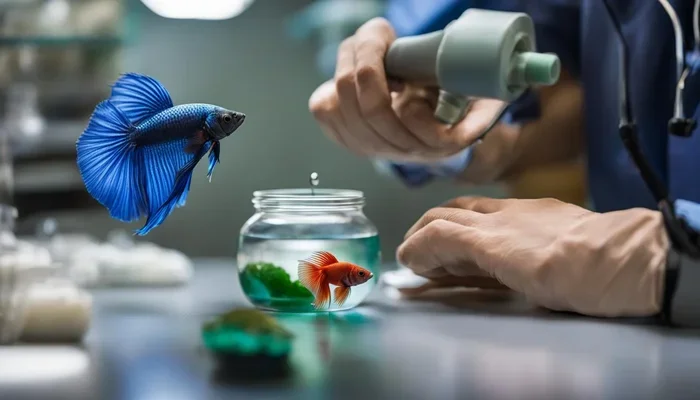
Visual guide about Can Betta Fish Eat Sun Dried Shrimp
Image source: ieuri.com
1.2 Commercial diets and why treats matter
Most hobbyists feed high‑quality pellets or frozen foods like bloodworms and brine shrimp. These staples cover basic nutrition but can become monotonous. A treat such as sun‑dried shrimp adds variety, stimulates natural hunting instincts, and can be a bonding tool during feeding time.
1.3 Common misconceptions
Many people think any “seafood” is safe for bettas. In reality, some foods contain heavy salts, preservatives, or seasonings that are toxic. That’s why it’s essential to evaluate each product before offering it.
2. Sun‑Dried Shrimp: What’s Inside?
2.1 Nutritional profile
Sun‑dried shrimp are essentially raw shrimp with most moisture removed. Per 100 g they contain:

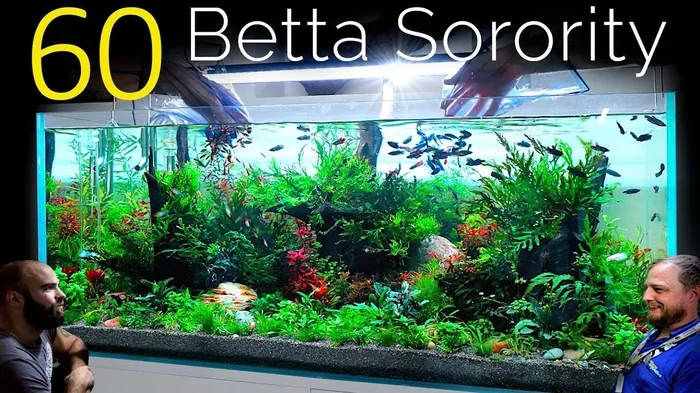
Visual guide about Can Betta Fish Eat Sun Dried Shrimp
Image source: thumbs.dreamstime.com
- Protein: 70‑80 g – excellent for muscle and fin development.
- Fat: 1‑3 g – a small energy source.
- Minerals: calcium, phosphorus, zinc, and iodine.
- Vitamins: B‑complex and a trace of vitamin A.
This mirrors the high‑protein needs of bettas, making sun‑dried shrimp a potentially valuable supplement.
2.2 Additives to watch for
Commercial packs often include:
- Salt – too much can cause osmoregulatory stress.
- Preservatives (e.g., sodium benzoate) – can irritate the gut.
- Flavor enhancers like garlic or onion – toxic to many fish.
- Artificial colors – unnecessary and sometimes harmful.
Always read the ingredient list. If you see any of the above, it’s best to skip that brand.
3. Preparing Sun‑Dried Shrimp for Betta Feeding
3.1 Re‑hydration is a must
Dry shrimp are hard and can damage a betta’s delicate mouth. Soak them in clean, de‑chlorinated water for 10‑15 minutes until they become soft and pliable. Change the water once during soaking to wash away excess salt.
3.2 Rinsing and trimming
After soaking, rinse the shrimp under running water. Use a fine mesh strainer to remove bits that are still too large. Cut the shrimp into pieces no bigger than the size of a pea – ideally 1–2 mm for a betta.
3.3 Optional blanching
If you’re unsure about hidden preservatives, a quick 30‑second boil in fresh water can neutralize many chemicals. Let the shrimp cool completely before feeding.
3.4 Storage tips
Keep re‑hydrated shrimp in a sealed container in the refrigerator and use within 24 hours. Freshness prevents bacterial growth that could upset your fish’s digestive system.
4. Feeding Guidelines: How Much and How Often?
4.1 Frequency
Sun‑dried shrimp should be an occasional treat, not a daily staple. Aim for 1–2 small feedings per week. This mirrors the natural frequency of catching wild prey.
4.2 Portion size
One to two tiny pieces per feeding is sufficient for a single adult betta. Over‑feeding can lead to constipation, bloating, and cloudy water.
4.3 Observing your betta
After the first few feedings, watch for:
- Rapid gulping – indicates the piece is too large.
- Spitting out food – may signal texture or taste issues.
- Changes in coloration or activity – could hint at nutritional imbalance.
If any negative signs appear, discontinue the treat and revert to your regular diet.
4.4 Pairing with staple foods
Offer the shrimp after a regular pellet feeding so your betta isn’t overly hungry and will bite gently. This also helps prevent the shrimp from being the sole source of nutrition.
5. Potential Risks and How to Avoid Them
5.1 Salt toxicity
Even a small amount of residual salt can disrupt a betta’s delicate fluid balance. That’s why thorough rinsing and a fresh water soak are critical.
5.2 Digestive upset
Hard, unsoftened shrimp can cause mouth injuries or blockages. Always ensure the pieces are soft and appropriately sized.
5.3 Allergic reactions
While rare, some bettas may develop a sensitivity to crustacean proteins. If you notice persistent loss of appetite or unusual spots, stop feeding shrimp and consult a vet.
5.4 Water quality impact
Uneaten shrimp can decompose quickly, raising ammonia levels. Feed only what your betta can consume in 2–3 minutes and remove any leftovers promptly.
6. Frequently Asked Questions About Sun‑Dried Shrimp and Betta Care
6.1 Can betta fish eat sun dried shrimp raw?
No. Raw sun‑dried shrimp are too hard and often contain high salt levels. Always re‑hydrate, rinse, and cut them into bite‑size pieces before offering.
6.2 How does sun‑dried shrimp compare to frozen brine shrimp?
Both are high‑protein crustaceans, but frozen brine shrimp retain natural moisture and have no added salt. Sun‑dried shrimp are convenient for storage but require extra preparation steps.
6.3 Will my betta become dependent on shrimp treats?
Only if you feed them daily. Used sparingly, shrimp act as a supplemental protein source and will not replace a balanced staple diet.
6.4 Can I feed sun‑dried shrimp to juvenile bettas?
Yes, but use even smaller pieces (about 1 mm) and monitor closely. Juveniles have more delicate mouths and faster metabolisms.
6.5 Is it okay to mix sun‑dried shrimp with other treats?
Mixing is fine as long as total treat volume stays under 10 % of the weekly diet. Over‑mixing can lead to nutrient imbalances.
Conclusion: A Balanced Approach Works Best
So, can betta fish eat sun dried shrimp? The short answer is yes—provided you re‑hydrate, rinse, and offer only tiny, salt‑free pieces as an occasional treat. This snack can boost protein intake, stimulate natural hunting behavior, and add variety to your betta’s menu.
Remember the golden rule: treat, not staple. Keep the core diet of high‑quality pellets or frozen foods, use shrimp sparingly, and always watch your fish for any signs of stress. With careful preparation, sun‑dried shrimp can become a safe and enjoyable addition to your betta’s culinary repertoire.
Frequently Asked Questions
Can betta fish eat sun dried shrimp?
Yes, but only after proper soaking, rinsing, and cutting into very small pieces. Treat it as an occasional supplement.
What are the main risks of feeding sun dried shrimp to bettas?
High salt content, hard texture, and possible preservatives can cause stress, mouth injuries, or digestive upset if not prepared correctly.
Do I need to refrigerate re‑hydrated shrimp?
Yes. Store re‑hydrated shrimp in a sealed container in the fridge and use within 24 hours to prevent bacterial growth.
How does sun‑dried shrimp compare to other crustacean treats?
It offers similar protein levels to brine or bloodworms but requires more preparation to remove salt and soften the texture.
Can I feed sun‑dried shrimp to a community tank with bettas?
Only if the shrimp are prepared safely and you monitor all fish for competition or over‑eating. Some community fish may also find the shrimp appealing.
Where can I learn more about what bettas can safely eat?
Check out our guide on what can betta fish eat for a full list of safe foods and feeding tips.