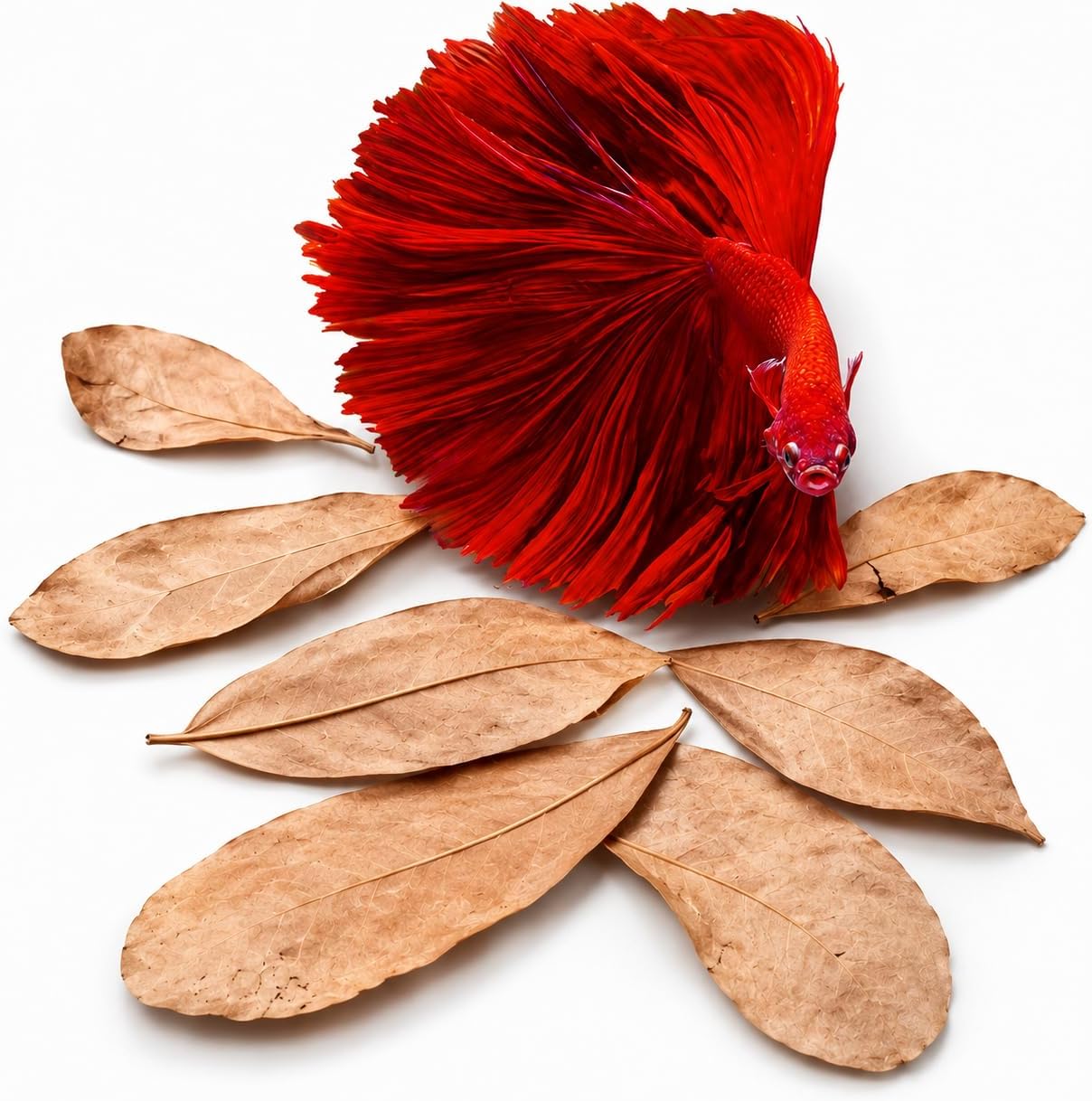
Can Betta Fish Eat Banana

Betta fish can try a tiny piece of banana as an occasional treat, but it must be prepared correctly and given in very small amounts. While bananas provide some vitamins, they lack the protein bettas need, so fruit should never replace a balanced carnivorous diet.
Key Takeaways
- Banana is an occasional treat: A tiny bite once a week is safe for most healthy bettas.
- Preparation matters: Peel, rinse, and mash the banana; remove any strings or large chunks.
- Protein first: Betta staples like high‑quality pellets or frozen brine shrimp must remain the main diet.
- Watch for digestion issues: Over‑feeding fruit can cause bloating, constipation, or water quality problems.
- Individual differences: Some bettas love the taste, others ignore it—never force food.
- Use fruit sparingly: Too much sugar can stress a betta’s liver and immune system.
- Monitor health: If your betta shows any sign of illness after fruit, stop feeding it immediately.
📑 Table of Contents
- Introduction: Why the Banana Question Pops Up
- 1. Understanding a Betta’s Natural Diet
- 2. Nutritional Profile of Banana
- 3. How to Prepare Banana for Your Betta
- 4. Frequency and Portion Control
- 5. Signs of Success—or Trouble
- 6. Alternatives to Banana: Other Safe Fruit & Treats
- Conclusion: The Bottom Line on Banana for Betta Fish
Introduction: Why the Banana Question Pops Up
When you first bring home a betta fish, you quickly learn they love live or frozen protein like brine shrimp or bloodworms. But many owners love to experiment with “human‑grade” foods—tiny bits of fruit, veggies, or even a spoonful of yogurt. Banana often lands on the shortlist because it’s sweet, easy to find, and seems harmless.
So, can betta fish eat banana? The short answer is yes, but only in a very limited, carefully prepared form. This article breaks down the science, the practical steps, and the pros and cons of feeding banana to your betta. By the end, you’ll know exactly how to offer a banana treat safely, and when to skip it altogether.
1. Understanding a Betta’s Natural Diet
1.1. Carnivorous Roots
Betta fish (Betta splendens) are native to shallow, slow‑moving waters of Thailand and Cambodia. In the wild they hunt insects, larvae, and tiny crustaceans. Their digestive systems are built for protein and fat, not plant matter.
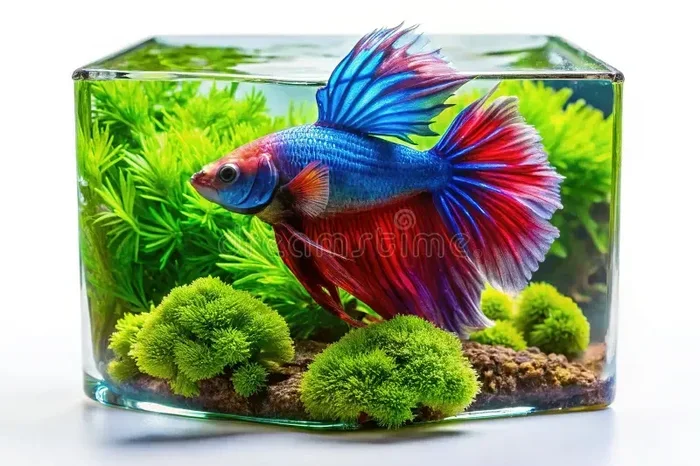
Visual guide about Can Betta Fish Eat Banana
Image source: forbesthailand.com
1.2. What They Need Daily
- Protein: 30‑40% of their diet should come from high‑quality sources like pellets, frozen bloodworms, or daphnia.
- Fats: Essential for coloration and energy; found in the same protein foods.
- Vitamins & Minerals: Naturally present in live foods; many commercial pellets are fortified.
Because bettas are obligate carnivores, any plant‑based treat is purely supplemental. For a full overview of what bettas can safely eat, see our guide on what can betta fish eat.
2. Nutritional Profile of Banana
2.1. What’s Inside a Banana?
Bananas are rich in potassium, vitamin C, vitamin B6, and dietary fiber. They also contain natural sugars (fructose, glucose, sucrose) that give a quick energy boost. However, they lack the essential amino acids bettas need for growth and maintenance.

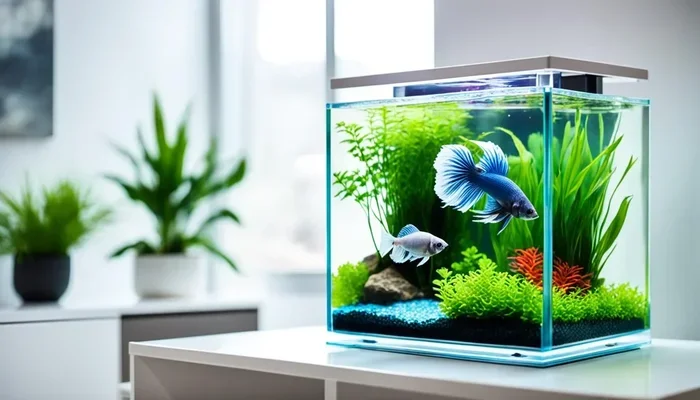
Visual guide about Can Betta Fish Eat Banana
Image source: megamich.com
2.2. Benefits for Betta Fish
- Vitamin C: May support immune function, especially in stressed bettas.
- Potassium: Helps with nerve and muscle function, but bettas already get enough from their regular diet.
- Fiber: Can aid digestion in tiny amounts, but too much may cause constipation.
2.3. Potential Risks
- High Sugar: Can spike blood sugar and stress the liver.
- Water Quality: Fruit pieces decay quickly, raising ammonia and nitrate levels.
- Digestive Upset: Over‑feeding may cause bloating or constipation.
3. How to Prepare Banana for Your Betta
3.1. Choose the Right Banana
Use a ripe, but not over‑ripe, banana. Over‑ripe fruit is mushier and sweeter, increasing the risk of fermentation in the tank.

Visual guide about Can Betta Fish Eat Banana
Image source: i.redd.it
3.2. Step‑by‑Step Preparation
- Peel the banana: Remove all skin – it contains pesticides and is hard for a betta to chew.
- Rinse: Give the flesh a quick rinse under cold water to wash away any residue.
- Dice tiny pieces: Cut a piece no larger than 2 mm (about the size of a betta’s eye).
- Mash lightly: Use a fork to create a soft paste; this helps the betta swallow.
- Blot dry: Pat the mash with a paper towel to remove excess moisture that could cloud the water.
3.3. Feeding Technique
Place the banana morsel on a clean spoon or a piece of lettuce leaf and gently lower it near the surface where your betta feeds. Watch for interest; if the fish ignores it, remove the piece within a minute to keep the water clean.
4. Frequency and Portion Control
4.1. How Much Is Too Much?
A single betta should get no more than a pea‑sized (≈2 mm) piece of banana once a week. That translates to roughly 0.1 % of its body weight—a negligible caloric load.
4.2. Scheduling Treats
- Weekly Treat: Offer the banana after a regular feeding session, so the fish isn’t overly hungry and will nibble out of curiosity.
- Observe Behavior: If the betta shows excitement, you can repeat after a week. If it seems indifferent or stressed, stop offering.
4.3. Adjusting for Age and Health
Juvenile bettas have faster metabolisms and may tolerate a tiny treat slightly more often, but still never exceed twice a week. Sick or stressed bettas should avoid fruit entirely until they recover.
5. Signs of Success—or Trouble
5.1. Positive Indicators
- Active swimming and bright coloration after the treat.
- Normal waste production (no excess floating debris).
- No change in water parameters within 24 hours.
5.2. Warning Signs
- Bloated abdomen or visible constipation.
- Loss of appetite for regular pellet food.
- Cloudy water, increased ammonia, or foul odor.
If any of these appear, perform a partial water change (20‑30 %) and cease fruit feeding immediately.
6. Alternatives to Banana: Other Safe Fruit & Treats
6.1. Safer Fruit Options
While banana is the most commonly asked about, other fruits such as peeled mango or cantaloupe can be offered in the same tiny, occasional manner. Always follow the same preparation steps.
6.2. Commercial Treats
Many betta‑specific treat pellets contain small amounts of fruit puree, providing a balanced approach without the risk of water contamination.
6.3. When to Choose Protein Over Fruit
For growth, breeding, or recovery from illness, prioritize high‑protein foods. If you’re curious about fruit, keep it as a novelty, not a staple.
Conclusion: The Bottom Line on Banana for Betta Fish
Yes, betta fish can eat banana, but only as a very small, infrequent treat. The key is proper preparation, strict portion control, and vigilant observation of your fish’s health and water quality. Remember that a betta’s primary nutritional needs are met through protein‑rich foods; fruit never replaces that foundation.
By following the steps outlined above, you can safely share a tiny taste of banana with your betta without compromising its wellbeing. Enjoy the occasional novelty, but keep the focus on a balanced, carnivorous diet for a happy, vibrant fish.
Frequently Asked Questions
Can betta fish eat banana every day?
No. Daily banana can overload a betta with sugar and cause digestive issues. Limit it to a tiny piece once a week at most.
Will banana replace the need for protein in a betta’s diet?
Absolutely not. Betta fish are obligate carnivores and require protein from pellets, brine shrimp, or similar foods for growth and health.
How do I know if my betta liked the banana?
If the betta approaches the treat, nudges it with its mouth, or briefly swallows, it shows interest. Lack of response means the fish isn’t interested—remove the piece promptly.
Can I feed banana to other aquarium fish?
Some small omnivorous fish may accept banana, but most tropical fish share the same carnivorous needs as bettas. Always research each species before offering fruit.
What should I do if the water becomes cloudy after feeding banana?
Perform a partial water change (20‑30 %) and remove any remaining fruit. Check your filter and consider reducing the frequency of fruit treats.
Is there a risk of banana causing disease in bettas?
Decaying fruit can raise ammonia levels, which stress fish and make them susceptible to disease. Keep portions tiny and remove leftovers quickly to avoid this risk.