Betta fish love warm water, but there’s a sweet spot you must hit. Keeping the temperature between 76°F – 82°F (24°C – 28°C) mimics their natural habitat and supports strong colors, active behavior, and long life. Learn the signs of temperature stress and simple tricks to maintain a stable, perfect‑warm tank.
Key Takeaways
- Ideal range: Betta fish thrive best at 76‑82°F (24‑28°C).
- Stability matters: Sudden swings of more than 2°F can stress or kill a betta.
- Heating options: Submersible heaters, heater mats, and thermostats keep water consistently warm.
- Testing is key: Use a reliable thermometer and check daily.
- Warm + clean: Warm water speeds up beneficial bacteria, but also accelerates waste buildup – regular water changes are essential.
- Room temperature: In cooler homes, a heater is a must; in hot climates, a chiller may be needed.
- Compatibility: Proper temperature helps bettas coexist with select tank mates; see our guide on compatible species.
📑 Table of Contents
- Introduction: Why Temperature Is the Heartbeat of a Betta’s Life
- 1. The Perfect Temperature Range
- 2. Setting Up a Warm‑Water Tank
- 3. Monitoring Temperature: Tools & Routine
- 4. Warm Water and Tank Mates
- 5. Common Problems & How to Fix Them
- 6. Practical Tips to Keep Warm Water Perfect
- Conclusion: Warm Water = Happy Betta
Introduction: Why Temperature Is the Heartbeat of a Betta’s Life
Imagine moving to a new city where the climate is either an icy tundra or a scorching desert. You’d feel out of place, right? Betta fish feel the same when their water temperature is off. These vibrant little fighters come from the warm, slow‑moving waters of Southeast Asia, so they expect a cozy, steady warmth.
In this guide we’ll answer the burning question “can betta fish be in warm water?” and walk you through the perfect temperature range, how to maintain it, and what to watch for if things get too hot or too cool. By the end, you’ll be able to set up a tank that feels like a tropical spa for your betta.
1. The Perfect Temperature Range
What science says
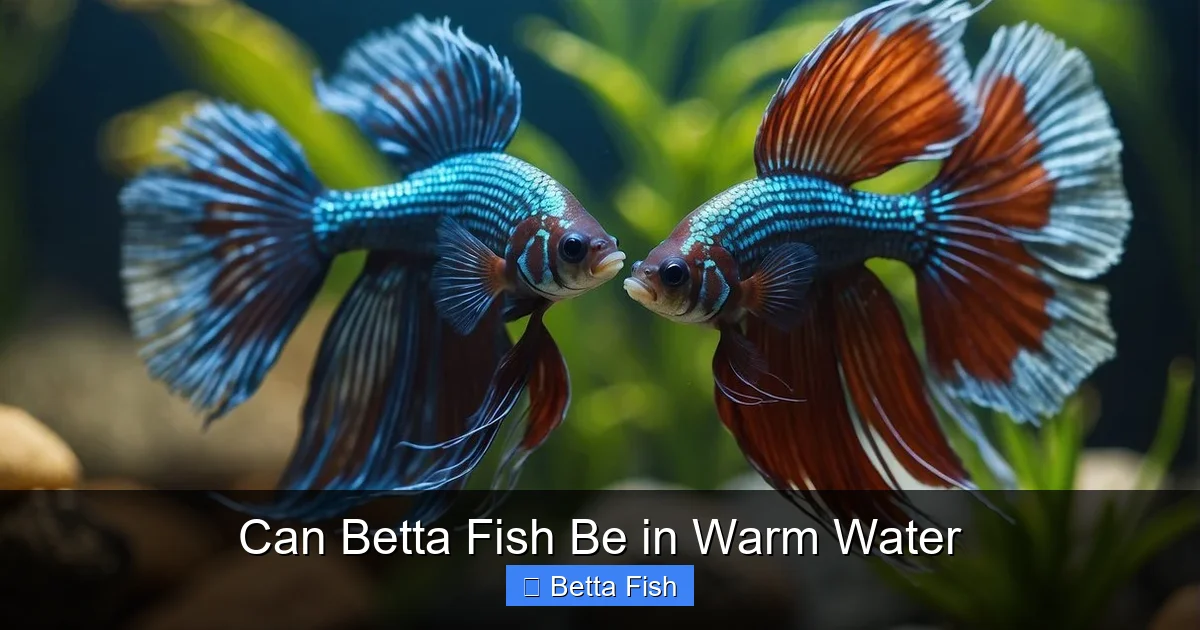
Betta fish are tropical, meaning their natural waters sit around 78°F (25.5°C). Most experts agree the safe, optimal window is 76‑82°F (24‑28°C). Within this band, the fish’s metabolism, immune system, and color expression work at their best.
Visual guide about Can Betta Fish Be in Warm Water
Image source: koala.sh
Why not hotter?
Raising the temperature above 84°F (29°C) speeds up metabolism so much that the fish burns through oxygen quickly. Warm water holds less dissolved oxygen, and the betta can become lethargic, gasp at the surface, or develop fungal infections.
Why not cooler?
Dropping below 74°F (23°C) slows digestion and weakens the immune response. Cold‑stressed bettas become prone to ich and lose their brilliant coloration. In extreme cold, they may become comatose.
2. Setting Up a Warm‑Water Tank
Choosing the right heater
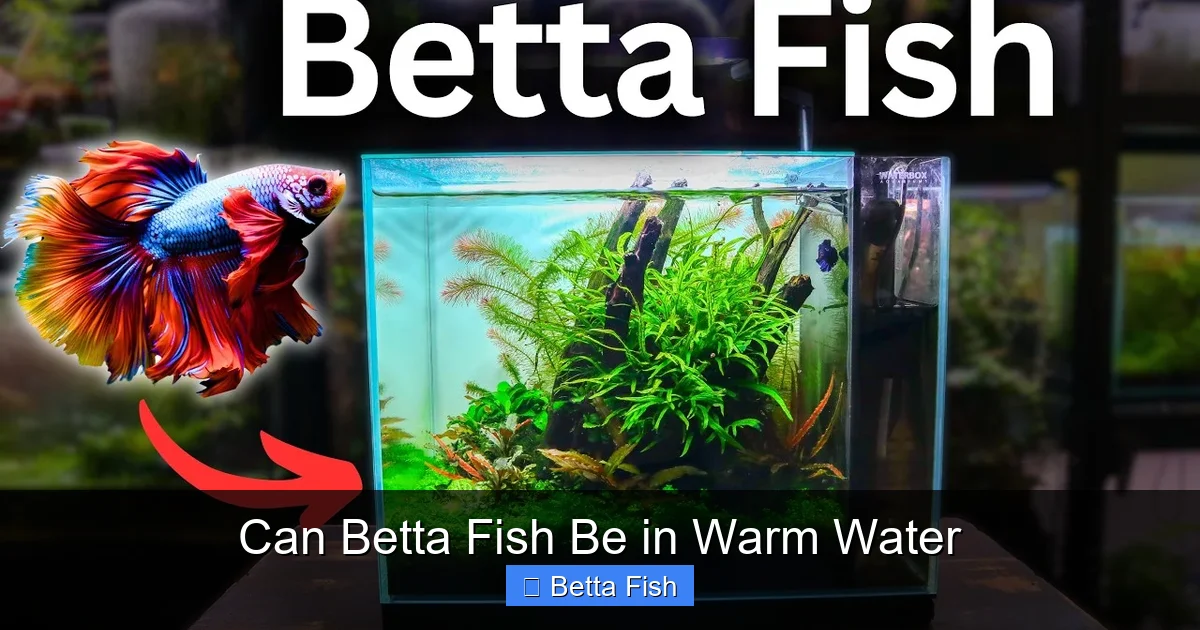
For a 5‑gal tank, a 25‑50 W submersible heater is usually enough. Look for models with an adjustable thermostat and a built‑in safety shut‑off. Heater mats are a good backup if the heater fails.
Visual guide about Can Betta Fish Be in Warm Water
Image source: i.ytimg.com
Placement tips
- Place the heater near a water flow (like a gentle filter) to distribute heat evenly.
- Avoid direct contact with the glass; this can cause cracks.
- Use a sturdy thermometer on the tank lid for quick checks.
Maintaining stability
Temperature should not fluctuate more than 1‑2°F (0.5‑1°C) per day. Sudden changes stress the fish’s gills and can lead to shock. If you live in a climate with big day‑night swings, consider a tank cover to insulate the water.
3. Monitoring Temperature: Tools & Routine
Thermometers you can trust
Digital stick‑on thermometers are cheap and accurate. For the most precise reading, use a floating glass thermometer and compare it to the digital readout weekly.

Visual guide about Can Betta Fish Be in Warm Water
Image source: i.ytimg.com
Daily checklist
- Check the thermometer each morning.
- Listen for the heater’s subtle buzzing – if it’s silent, verify it’s still on.
- Observe your betta: bright colors and active swimming mean the temperature is right.
When to adjust
If the reading is consistently low, increase the heater setting by 1°F and give it 24 hours to stabilize. If it’s high, lower the setting or add a small fan blowing across the tank surface.
4. Warm Water and Tank Mates
Compatibility basics
Many community fish prefer the same temperature range as bettas, making co‑habitation possible. However, aggression and fin‑nipping are common issues. For a peaceful setup, choose small, non‑aggressive species that stay near the bottom.
Suggested tank mates
- Neon tetras (but keep them in a school of six or more).
- Corydoras catfish – they love the warm bottom layer.
- Harlequin rasboras – they’re active but not overly boisterous.
For more ideas on compatible fish, see our article Which Fish Can Be With Betta Fish.
5. Common Problems & How to Fix Them
Over‑heating
Signs: Gasping at the surface, rapid breathing, loss of color. Solution: Turn the heater down, add a small fan, or replace the heater with a lower wattage.
Under‑heating
Signs: Lethargy, pale fins, occasional shivering. Solution: Increase heater setting, ensure the heater is fully submerged, and check for drafts near the tank.
Algae bloom in warm water
Warmer water encourages algae. Reduce light to 8‑10 hours a day, perform weekly 25% water changes, and add some fast‑growing plants like Java moss.
6. Practical Tips to Keep Warm Water Perfect
Use a tank cover
A lid reduces heat loss and prevents temperature spikes from room AC or heating vents.
Regular water changes
Even though warm water accelerates bacterial activity, it also speeds up waste buildup. Change 20‑30% of the water weekly with pre‑conditioned water at the same temperature.
Seasonal adjustments
In winter, room temperature may drop 10°F (5‑6°C). Raise the heater slightly and insulate the tank with a foam sleeve. In summer, if your home runs hot, consider a small aquarium chiller or a portable fan.
Testing water parameters
Warm water can affect pH and hardness slightly. Use a liquid test kit weekly to keep ammonia, nitrite, and nitrate in check.
Conclusion: Warm Water = Happy Betta
Answering the core question, yes—betta fish not only can be in warm water, they need it. Keeping the temperature steady between 76‑82°F (24‑28°C) creates a comfortable environment that supports vibrant colors, strong health, and natural behavior. By choosing the right heater, monitoring daily, and making simple adjustments, you’ll provide a tropical haven that any betta would love to call home.
Remember, temperature is just one piece of the puzzle. Combine it with clean water, proper diet, and thoughtful tank mates, and you’ll have a thriving betta that dazzles everyone who watches.
Frequently Asked Questions
What is the ideal temperature for a betta fish?
The ideal temperature is 76‑82°F (24‑28°C). This range mimics their natural tropical habitat and promotes healthy growth and coloration.
Can bettas survive in water hotter than 84°F?
Temperatures above 84°F (29°C) can reduce dissolved oxygen and cause stress, leading to health problems or death if sustained.
Do I need a heater if my room stays warm?
If your room consistently stays within the 76‑82°F range, a heater may not be necessary, but a thermostat is still useful to prevent sudden drops.
How often should I check the water temperature?
Check the temperature at least once a day, preferably in the morning, and keep a log to notice any trends.
Can I keep a betta with other fish in a warm tank?
Yes, as long as the tank mates share the same temperature range and are non‑aggressive. See our guide on compatible species for more ideas.
What signs show my betta is too cold?
Lethargy, pale fins, and reduced appetite indicate the water is too cool. Raise the temperature gradually to avoid shock.

