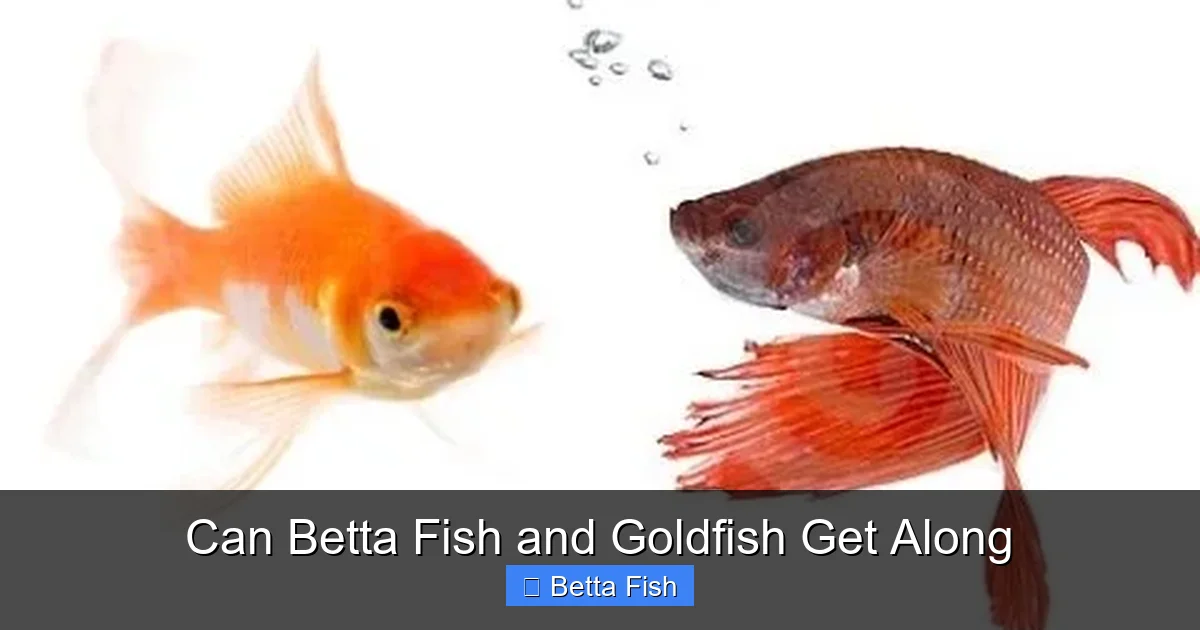
Can Betta Fish and Goldfish Get Along
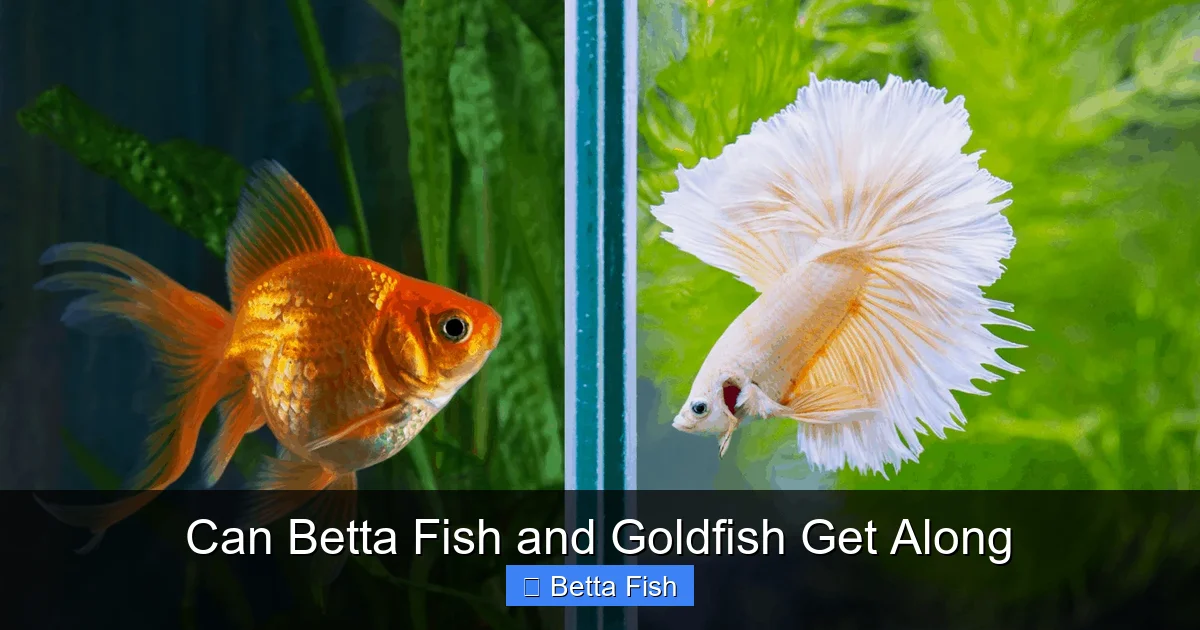
Betta fish and goldfish have very different needs, making coexistence tricky. With the right tank size, careful monitoring, and proper species selection, you may create a harmonious setup, but many experts recommend keeping them separate for safety.
Key Takeaways
- Temperament clash: Betta’s aggressive nature often conflicts with goldfish’s calm demeanor.
- Temperature mismatch: Betta thrive at 76‑82°F, while goldfish prefer cooler water (65‑75°F).
- Tank size matters: A minimum of 30‑gal is needed for any chance of peaceful co‑habitation.
- Water quality is critical: Goldfish produce heavy waste; strong filtration is a must.
- Feeding differences: Betta need protein‑rich foods, goldfish need plant‑based diets.
- Alternative companions: Consider peaceful community fish like snails or small tetras instead of goldfish.
- Observation is essential: Watch for signs of stress and be ready to separate them immediately.
📑 Table of Contents
Introduction: Why the Question Comes Up
Anyone who has ever watched a vivid betta flare its fins and a goldfish glide gracefully wonders if these two beauties can share a home. Both are popular among beginners, both are relatively inexpensive, and both bring color to a tank. Yet, the simple answer is not “yes” or “no.” It depends on many factors—temperature, temperament, tank size, and water quality. In this guide we’ll unpack the science, share real‑world examples, and give you a step‑by‑step plan to decide whether you can keep a betta fish and goldfish together safely.
Before we dive into the details, remember the core question: can betta fish and goldfish get along? If you’re looking for a definitive “yes,” you may be disappointed. If you’re ready to experiment with a large, well‑filtered aquarium and keep a close eye on behavior, there’s a slim but possible path to peace.
Understanding the Species
Betta Fish Basics
Betta fish (Betta splendens) are native to shallow, warm waters of Southeast Asia. Males are famous for their flamboyant fins and territorial aggression, especially toward other males or fish with similar bright colors. They thrive at 76‑82°F (24‑28°C) and prefer slightly acidic to neutral pH (6.5‑7.5). Their diet is high‑protein, consisting of live or frozen foods and quality betta pellets.

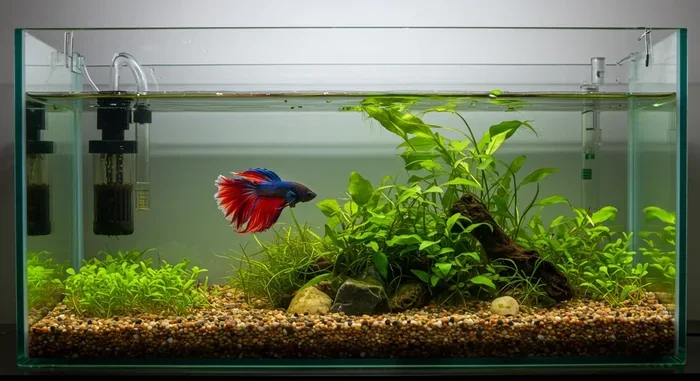
Visual guide about Can Betta Fish and Goldfish Get Along
Image source: thevetdesk.com
Goldfish Basics
Goldfish (Carassius auratus) come from cool, temperate lakes in East Asia. They are hardy, social, and grow much larger than bettas—common varieties reach 6‑12 inches, fancy types even larger. Goldfish love cooler water, typically 65‑75°F (18‑24°C), and they are heavy waste producers, needing strong filtration. Their diet is primarily plant‑based, with flake or pellet foods rich in vegetables.
Key Differences That Affect Compatibility
- Temperature: Betta need warm water; goldfish prefer cool.
- Size and Growth: Goldfish quickly outgrow a small community tank.
- Water Parameters: Goldfish generate more ammonia, requiring robust filtration.
- Temperament: Betta are territorial; goldfish are passive.
Can Betta Fish and Goldfish Get Along? The Science
Temperature Compatibility
The first barrier is water temperature. Betta fish become lethargic and prone to disease below 76°F, while goldfish can become stressed above 75°F. Some hobbyists attempt to find a “middle ground” around 75‑77°F, but this is a compromise that may still stress one or both fish. If you cannot maintain a stable temperature in this narrow range, the odds of a successful cohabitation drop dramatically.
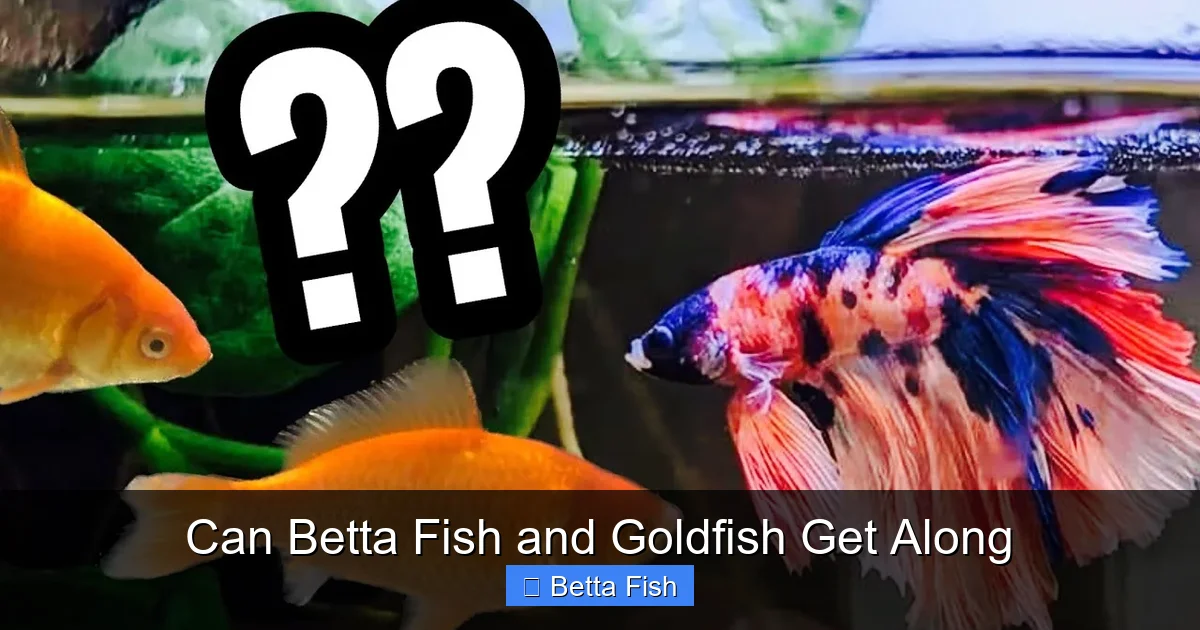
Visual guide about Can Betta Fish and Goldfish Get Along
Image source: i.ytimg.com
Behavioral Interactions
Betta fish are naturally aggressive toward anything that resembles a rival—bright colors, flowing fins, or even a moving shadow can trigger a flare. Goldfish, with their long, flowing tails, often look like a betta’s own reflection, prompting the betta to attack. Conversely, goldfish may unintentionally nip at a betta’s delicate fins while foraging, causing stress or injury.
Water Quality Concerns
Goldfish excrete a lot of waste. In a small tank, ammonia levels can spike quickly, which is toxic to bettas that are more sensitive to water quality. A 30‑gallon (or larger) tank with a high‑capacity filter is essential if you decide to try housing them together. Regular water changes (25‑30% weekly) become non‑negotiable.
Real‑World Examples
Some aquarists report short‑term success when they introduce a juvenile goldfish to an adult betta in a spacious, well‑filtered tank. The goldfish often stays at the bottom, while the betta occupies the upper levels, reducing direct encounters. However, these setups rarely last beyond a few weeks. Stress signs—faded colors, torn fins, or ragged swimming—appear quickly, indicating the need for separation.
Expert Opinions
Most reputable sources, including the article Can Betta Fish And Goldfish Live Together, advise against mixing the two unless you have a very large tank and are prepared to monitor constantly. The consensus is that the risks outweigh the benefits for most hobbyists.
Setting Up a Tank Where They Might Co‑Exist
Tank Size and Layout
To give any chance of peace, aim for at least a 30‑gallon long tank. This provides enough vertical space for the betta to claim the upper region and enough horizontal room for the goldfish to roam at the bottom. Use plenty of live plants or silk decorations to create visual barriers. Dense planting helps break the line of sight, reducing territorial flare-ups.
Visual guide about Can Betta Fish and Goldfish Get Along
Image source: i.ytimg.com
Filtration and Maintenance
Choose a canister or hang‑on‑back filter rated for at least double the tank volume. Goldfish produce a lot of waste, so a filter with mechanical, chemical, and biological media is ideal. Test water weekly for ammonia, nitrite, and nitrate, and perform a 25‑30% water change each week.
Temperature Control
Install a reliable aquarium heater with an adjustable thermostat. Set it to 76‑77°F and watch the goldfish closely for signs of overheating (lethargy, loss of appetite). If the goldfish shows stress, you may need to lower the temperature and accept that the betta will be less active.
Choosing the Right Goldfish
Smaller, less active varieties such as the “Comet” or “Fantail” are better candidates than large, fancy goldfish with long flowing fins that can easily irritate a betta. A juvenile goldfish (around 2‑3 inches) is less likely to intimidate the betta and is easier to accommodate in a shared space.
Introducing the Fish
- Quarantine: Keep both fish in separate quarantine tanks for at least two weeks to ensure they are disease‑free.
- Acclimation: Float the betta’s bag in the new tank for 15‑20 minutes to equalize temperature, then slowly add tank water to the bag before releasing.
- Placement: Release the goldfish first, allowing it to explore the bottom. Then add the betta gently near the surface.
- Observation: Watch for any aggressive displays for the first 24‑48 hours. If the betta flares or the goldfish shows signs of stress, be ready to separate them.
Feeding Strategies
Feed the betta high‑quality pellets or frozen brine shrimp once or twice daily, and give the goldfish a separate portion of goldfish flakes or pellets. Use a feeding ring or feed them at opposite ends of the tank to avoid competition. Never rely on the betta’s food for the goldfish; their nutritional needs differ significantly.
When to Separate
If you notice torn fins, faded colors, or the goldfish being chased, it’s time to move one fish to a separate tank. A quick split can prevent lasting injury and stress. Keep a spare tank or a large, well‑cycled hospital tank ready for emergencies.
Alternatives to Mixing Betta and Goldfish
Peaceful Community Fish
If you love the idea of a mixed community, consider pairing a betta with small, fast‑moving fish like neon tetras, rasboras, or small catfish that stay out of the betta’s territory. The article Can You Keep Guppies And Betta Fish Together offers a good overview of compatible species.
Separate Displays
Many hobbyists choose to keep bettas in a dedicated 5‑gallon “solo” tank with a beautiful planted setup, while goldfish enjoy a larger, cooler community tank. This approach lets each species thrive under optimal conditions without compromise.
Use of Dividers
Some aquarists install acrylic or glass dividers within a single large tank, creating two separate ecosystems with shared filtration. This can be a cost‑effective way to display both fish, but each side still needs appropriate temperature and décor.
Health and Safety Tips
Watch for Stress Indicators
- Betta: faded colors, clamped fins, constant hiding.
- Goldfish: loss of appetite, erratic swimming, white spots.
Maintain Water Parameters
Keep ammonia at 0 ppm, nitrite at 0 ppm, and nitrates below 20 ppm. Use a water testing kit weekly and adjust as needed.
Prevent Disease Transmission
Quarantine new arrivals, and avoid over‑feeding, which can cloud water and promote bacterial growth. If one fish becomes ill, isolate it immediately to protect the other.
Conclusion: Making the Right Choice for Your Aquarium
The short answer to the title question is: betta fish and goldfish rarely get along without extensive setup and constant vigilance. Their differing temperature needs, waste production, and temperaments create a challenging environment. While a large, heavily filtered tank can sometimes allow a peaceful coexistence, most hobbyists find it easier and safer to keep them separate. If you’re determined to try, follow the detailed steps above, monitor behavior closely, and be prepared to separate the fish at the first sign of trouble.
Ultimately, the health and happiness of your fish should guide your decision. Choose the setup that lets each species thrive, whether that means a beautiful solo betta display, a bustling goldfish community, or a carefully managed mixed tank.
Frequently Asked Questions
Can betta fish and goldfish live together long term?
Long‑term cohabitation is rare. Even in a large, well‑filtered tank, temperament clashes and temperature differences often lead to stress or injury.
What temperature should I set for a tank with both betta and goldfish?
The compromise temperature is around 75‑77°F, but this is still a stretch for goldfish comfort and can make bettas less active.
Do bettas eat goldfish food?
Betta fish can eat goldfish flakes in a pinch, but the diet lacks the protein they need and should not be a regular feeding strategy. See Can A Betta Fish Eat Goldfish Food for more details.
Can goldfish eat betta fish food?
Goldfish can nibble at betta pellets, but the high protein content isn’t ideal for their digestive system. A balanced goldfish diet is essential.
Is a 10‑gallon tank enough for a betta and a goldfish?
No. A 10‑gallon tank is far too small for a goldfish, which quickly outgrows the space and produces too much waste for a betta to handle safely.
What are better tank mates for a betta fish?
Peaceful, fast‑moving fish such as neon tetras, rasboras, or small catfish are generally more compatible with bettas than goldfish.