Can any fish live with bettas? While bettas are often seen as solitary, many peaceful species can share a well‑planted tank when conditions are right. This guide breaks down the best companions, tank requirements, and tips to keep everyone happy.
Key Takeaways
- Temperament matters: Male bettas are territorial; females are more tolerant but still need space.
- Tank size is crucial: A minimum of 10‑20 gallons gives room for swimming and hiding.
- Choose peaceful, non‑fin‑nipping species: Small tetras, rasboras, and snails are top picks.
- Provide plenty of plants and décor: Hiding spots reduce stress and aggression.
- Monitor water parameters: Consistent temperature (78‑80 °F) and soft‑to‑medium hardness keep bettas healthy.
- Introduce fish slowly: Acclimate new residents with a net or divider to avoid sudden clashes.
- Watch for signs of stress: Faded colors, frantic swimming, or torn fins signal incompatibility.
📑 Table of Contents
- Introduction: Why the Question Matters
- Understanding Betta Behavior
- Tank Requirements for a Mixed Community
- Top Fish Candidates That Can Coexist with Bettas
- Fish to Avoid: Common Mistakes
- Step‑by‑Step Guide to Introducing New Fish
- Case Studies: Real‑World Success Stories
- Frequently Overlooked Factors
- Conclusion: Making the Right Decision
Introduction: Why the Question Matters
If you’ve ever watched a betta flare its gorgeous fins and wondered, “Can any fish live with bettas?” you’re not alone. Bettas (Betta splendens) are famous for their striking colors and feisty personalities, which often leads new hobbyists to keep them in tiny solo bowls. But a single betta can thrive even better in a community tank that mimics its natural habitat—provided you pick the right companions.
In this article we’ll explore the science behind betta behavior, the types of fish that can coexist peacefully, and practical steps to set up a harmonious aquarium. By the end, you’ll know exactly which tank mates are safe and how to avoid common pitfalls.
Understanding Betta Behavior
Male vs. Female Temperaments
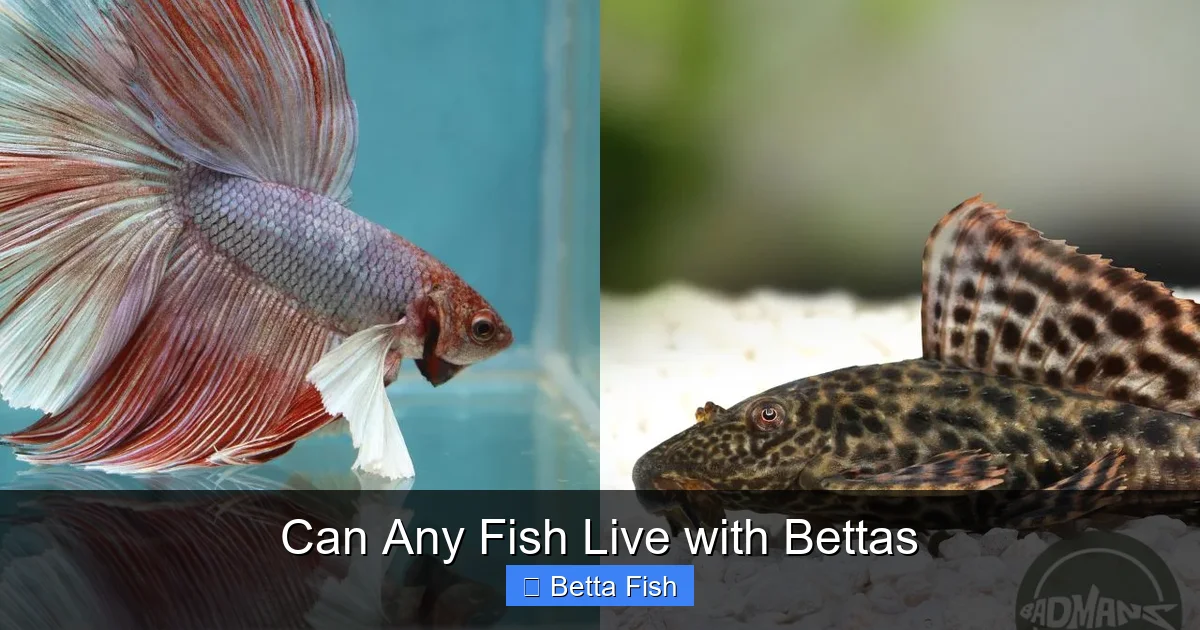
Male bettas are notorious for defending their space, especially when they see bright fins or slow‑moving fish that might be mistaken for rivals. Females, on the other hand, are generally less aggressive and can tolerate a larger group, though they still need enough room to establish personal territories.
Visual guide about Can Any Fish Live with Bettas
Image source: aquariumia.com
Fin‑Nipping Risks
Many community fish have a habit of nibbling on long fins. Bettas’ flowing tails make them an easy target. This is why selecting “non‑fin‑nipping” species is a top priority.
Environmental Triggers
Stress triggers—like sudden temperature changes, poor water quality, or overcrowding—can turn a normally calm betta into a defender. Maintaining stable parameters (78‑80 °F, pH 6.5‑7.5) is essential.
Tank Requirements for a Mixed Community
Size and Layout
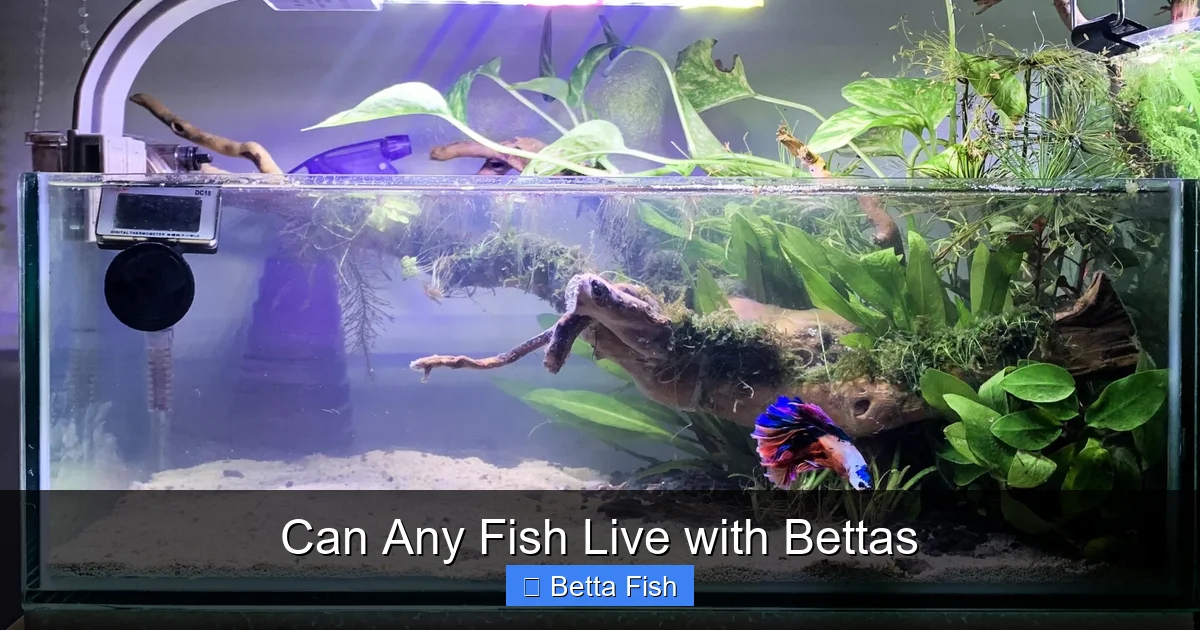
While a 5‑gallon tank might hold a single betta, it’s far too small for any community setup. Aim for at least 10 gallons for a male betta with a few peaceful companions, and 20 gallons if you plan a more diverse group.
Visual guide about Can Any Fish Live with Bettas
Image source: aquariumia.com
Plants, Hides, and Flow
Live plants like Java fern, Anubias, and floating “duckweed” provide cover and break the line of sight, which reduces aggression. Add décor such as caves, driftwood, and smooth rocks to give each fish a place to retreat.
Filtration and Water Quality
A gentle filter that creates a low current is ideal—bettas prefer calm water. Change 25 % of the water weekly and test for ammonia, nitrite, and nitrate to keep the environment pristine.
Top Fish Candidates That Can Coexist with Bettas
Below are the most reliable species that answer the question “can any fish live with bettas?” while maintaining peace and visual appeal.
1. Small Tetras (Neon, Ember, and Black Skirt)
Tetras are fast‑swimming, schooling fish that usually ignore a betta’s flares. Neon tetras, in particular, add a splash of electric blue that complements a betta’s reds. Keep them in groups of six or more to encourage schooling behavior.
Can Neon Fish Live With Bettas provides a deeper dive into this pairing.
2. Rasboras (Harlequin and Chili)
Rasboras are peaceful, mid‑water dwellers that stay out of the betta’s territory. Their slightly larger size compared to tiny tetras makes them less likely to be mistaken for a rival.
3. Corydoras Catfish
These bottom‑dwelling catfish are gentle and spend most of their time scavenging the substrate. Their armored plates protect them from accidental nips, and they help keep the tank clean.
4. Snails (Nerite and Mystery)
Snails are excellent tank mates because they never nip fins. They also help control algae. Just be sure to provide enough calcium for healthy shells.
Read more about snails in Can Betta Fish Live With Snails.
5. Shrimp (Cherry and Ghost)
Freshwater shrimp are another safe option. They’re fast enough to avoid a betta’s curiosity and contribute to tank cleanliness by eating leftover food.
6. Peaceful Livebearers (Endlers and Guppies)
While guppies have bright tails that can sometimes trigger a male betta, the smaller Endler guppy strains are usually safe if the tank is well‑planted and the betta is not overly aggressive.
For more on guppies, see Can A Betta Fish Live With Guppies.
Fish to Avoid: Common Mistakes
Fin‑Nipping Species
Barbs, tigerfish, and some loaches love to nip at long fins. Even if they seem friendly at first, they can cause serious damage over time.
Other Bettas
Two male bettas in the same tank almost always end in a fight. Even a male with a female can lead to stress unless the tank is huge (30+ gallons) and heavily divided.
Large Aggressive Cichlids
Species like Oscars or Red‑eyed Cichlids view bettas as prey. Their size and aggression make coexistence impossible.
Step‑by‑Step Guide to Introducing New Fish
1. Quarantine New Arrivals
Isolate any new fish for at least two weeks to prevent disease introduction.
2. Use a Divider
Place a clear acrylic divider in the tank for the first 48‑72 hours. This lets the betta see the newcomers without direct contact.
3. Gradual Acclimation
Drip‑feed the new fish into the tank water to match temperature and pH. This reduces shock.
4. Observe Behavior
Watch for flaring, chasing, or fin damage. If aggression occurs, consider re‑homing the new fish.
5. Adjust Décor if Needed
Add more plants or caves to break sight lines and give each fish a refuge.
Case Studies: Real‑World Success Stories
Case 1: Male Betta with Ember Tetras
John set up a 15‑gallon tank with a male betta, 8 ember tetras, and a few Corydoras. After a week of divider use, the betta accepted the tetras and even displayed calmer behavior.
Case 2: Female Betta with a Small School of Harlequin Rasboras
Alice kept a female betta with six harlequin rasboras in a 20‑gallon tank. The fish formed distinct zones, and water tests stayed stable for months.
Case 3: Mixed Community Gone Wrong
Mike tried adding a dwarf gourami to a betta tank. Within hours, the betta flared and attacked, leading to fin loss. The lesson: avoid any fish with bright, flowing fins that resemble a betta.
Frequently Overlooked Factors
Lighting
Bright lighting can stress bettas. Use a moderate 8‑hour photoperiod and dim the lights when adding new fish.
Feeding
Feed bettas high‑quality pellets or frozen foods once daily. Offer sinking foods to bottom dwellers so everyone gets nutrition.
Water Temperature Consistency
Even a 2‑degree swing can cause a betta to become territorial. Use a reliable heater and a thermometer.
Conclusion: Making the Right Decision
So, can any fish live with bettas? The answer is a qualified “yes”—but only when you choose peaceful, non‑fin‑nipping species, provide ample space, and maintain stable water conditions. By following the guidelines above, you can create a vibrant, community aquarium where a betta’s beauty shines alongside its tank mates.
Remember, each betta has a unique personality. Start with a small, compatible group, observe closely, and be ready to adjust. With patience and careful planning, you’ll enjoy a lively underwater world that showcases the best of both bettas and their companions.
Frequently Asked Questions
Can a male betta live with other fish?
Yes, but only with very peaceful, non‑fin‑nipping species in a tank of at least 10 gallons. Use a divider at first to gauge aggression.
Are female bettas more tolerant of tank mates?
Female bettas are generally less territorial than males and can share a community tank with small schooling fish, provided the tank is spacious.
What are the safest fish for a betta community?
Small tetras, rasboras, Corydoras catfish, snails, and shrimp are among the safest options because they stay out of the betta’s line of sight and don’t nip fins.
How can I tell if my betta is stressed?
Signs of stress include faded colors, constant flaring, rapid swimming, and torn fins. Adjust water parameters and provide more hiding places if you notice these signs.
Do bettas get along with goldfish?
Generally no. Goldfish are active, produce a lot of waste, and prefer cooler water, which conflicts with a betta’s temperature and temperament needs.
Is it okay to keep bettas with snails?
Yes, snails are excellent tank mates because they never nip fins and help control algae. Just ensure the snails have enough calcium for healthy shells.

