Can a sick fish get better? Yes—most illnesses are treatable if you act fast. Identify symptoms, improve water quality, and use proper medication to give your finned friend a real chance at recovery.
Key Takeaways
- Early detection matters: Spotting symptoms within 24‑48 hours dramatically raises survival odds.
- Water is medicine: Clean, stable water parameters are the single most important factor in healing.
- Targeted treatment works: Proper diagnosis lets you choose the right medication, avoiding harmful over‑use.
- Stress reduction speeds recovery: Lower lighting, minimal handling, and hiding spots calm a sick fish.
- Quarantine prevents spread: Isolating the ill fish protects tankmates from contagious diseases.
- Nutrition fuels healing: High‑protein, easily digestible foods boost the immune system.
- Patience is key: Some conditions need weeks of care; don’t give up too soon.
📑 Table of Contents
Introduction: Why Your Fish’s Health Matters
Keeping a betta healthy isn’t just about bright colors and flowing fins—it’s about creating a thriving mini‑ecosystem. When a fish gets sick, the whole tank can feel the impact. The big question on every hobbyist’s mind is simple: can a sick fish get better? The answer is a hopeful “yes,” but it comes with a roadmap of observation, water management, and targeted care.
In this guide we’ll walk you through the most common signs of illness, how to diagnose problems, and step‑by‑step treatments that give your betta the best shot at recovery. Think of it as a friendly chat over a cup of tea, with plenty of practical tips you can start using today.
1. Spotting the Warning Signs
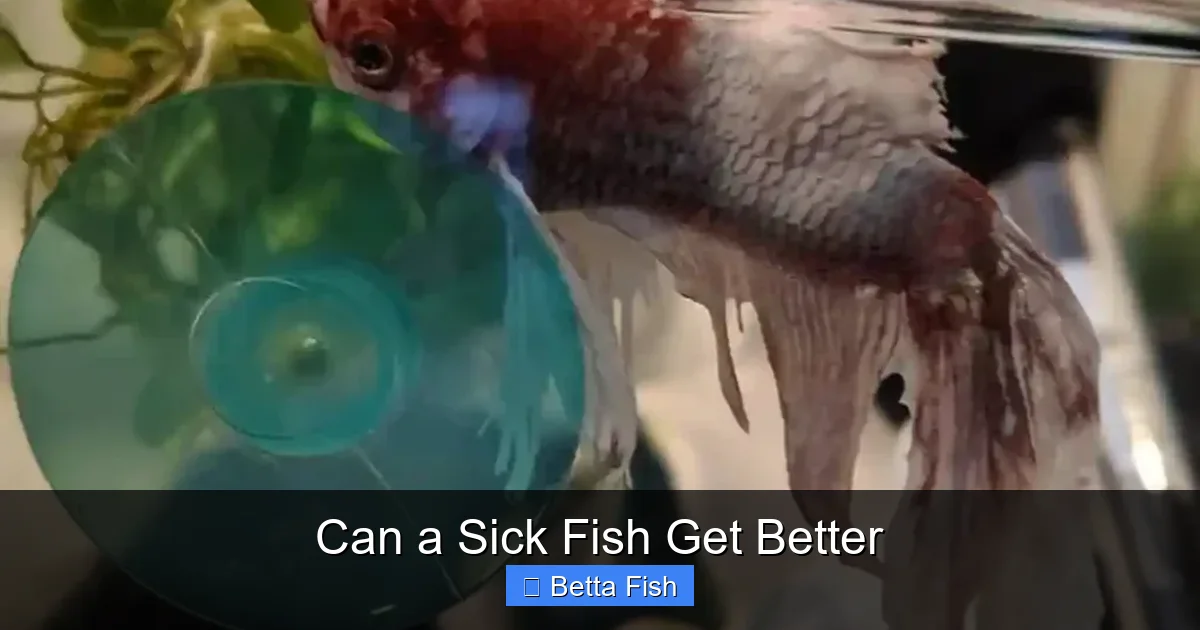
Before you can help, you need to know what “sick” looks like. Betta fish are masters at hiding pain, so subtle changes are often the first clues.
Visual guide about Can a Sick Fish Get Better
Image source: oceanbitez.com
Physical Indicators
- Faded or blotchy coloration: A healthy betta boasts vivid blues, reds, or greens. Dull or patchy colors often signal stress or disease.
- Clamped fins: Fins that stick close to the body suggest weakness or infection.
- White spots or cotton‑like growth: These are classic signs of Ich or fungal infections.
- Swollen abdomen: Could indicate constipation, internal parasites, or organ failure.
Behavioral Clues
- Loss of appetite or refusing food.
- Labored breathing at the surface (gasping for air).
- Lethargy—spending most of the day hiding or staying still.
- Erratic swimming, such as darting to the top and then sinking.
When you notice any of these signs, act fast. Early intervention dramatically improves the odds that a sick fish can get better.
2. The Core of Recovery: Water Quality
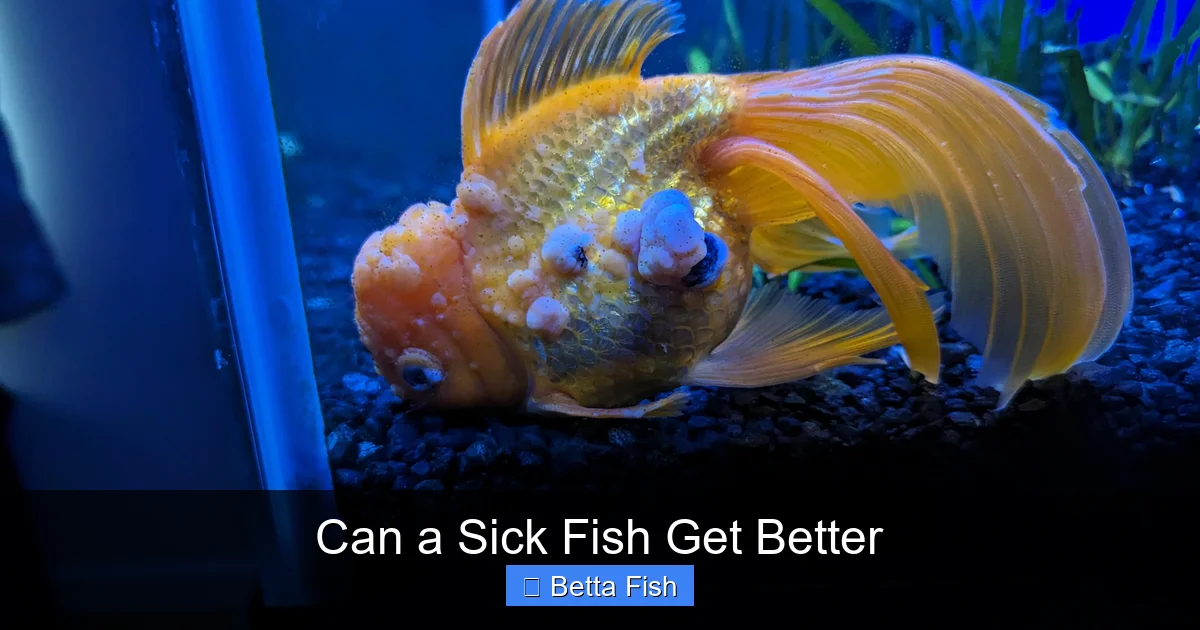
For bettas, water is literally life‑support. Poor parameters are the number one cause of disease, and they also hinder recovery.
Visual guide about Can a Sick Fish Get Better
Image source: i.redd.it
Testing and Adjusting Parameters
- Temperature: Keep the tank at 76‑82°F (24‑28°C). Sudden drops stress the immune system.
- pH: Aim for 6.5‑7.5. Use a pH buffer if needed.
- Ammonia & Nitrite: Both must be zero. Even low levels can damage gills.
- Nitrate: Below 20 ppm is ideal for a sick betta.
Perform a partial water change (25‑30%) every 24 hours until parameters stabilize. Use a water conditioner that removes chlorine and chloramine, and consider adding a stress‑relief additive like Indian almond leaves.
Quarantine: A Safe Space for Healing
Set up a separate hospital tank (2‑3 gallons) with the same temperature and a gentle filter. This prevents disease spread and lets you treat the fish without stressing tankmates.
3. Diagnosing Common Betta Illnesses
Not all illnesses are created equal. Below are the most frequent problems betta owners face, along with quick diagnostic tips.
Visual guide about Can a Sick Fish Get Better
Image source: petfishonline.com
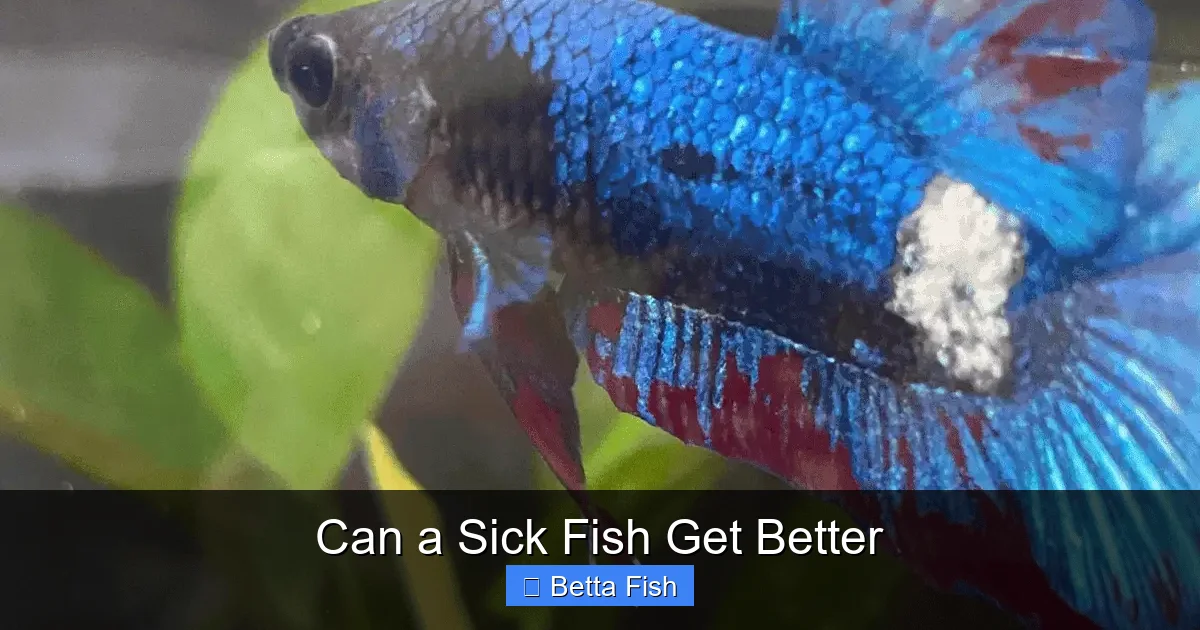
Ich (White Spot Disease)
Look for tiny white dots resembling salt grains. The fish may scratch against objects. Treatment: raise temperature to 84°F (29°C) and add an Ich medication (e.g., copper‑based or herbal).
Fin Rot
Fins appear ragged, frayed, or blackened. Often caused by poor water quality. Treatment: increase water changes, add a bacterial supplement, and use a broad‑spectrum antibiotic like Maracyn.
Velvet (Gold Dust Disease)
Fuzzy gold‑ish coating on the body, especially visible under bright light. Treat with copper medication for 7‑10 days.
Swim Bladder Disorder
The fish floats upside‑down or has trouble staying upright. Causes include overfeeding, constipation, or infection. Fast‑acting remedy: a pea (blanched, shelled) to relieve constipation, followed by a balanced diet.
Bacterial Infections
Red streaks, ulcers, or cloudy eyes. Use an antibacterial treatment such as Kanaplex or Furan 2‑Pet.
4. Tailored Treatment Plans
Once you’ve identified the issue, it’s time to act. Below is a step‑by‑step plan that works for most betta ailments.
Step 1: Isolate the Fish
Move the sick betta to the quarantine tank. Keep the water temperature consistent with the main tank to avoid shock.
Step 2: Medicate Correctly
- Read the label; dosage is usually based on tank volume, not fish size.
- Never mix medications unless the product says it’s safe.
- Continue treatment for the full recommended period, even if the fish looks better early on.
Step 3: Boost Nutrition
Offer high‑protein foods that are easy to digest. Freeze‑dried bloodworms, daphnia, or specialized betta pellets work well. Feed small amounts 2‑3 times a day.
Step 4: Reduce Stress
- Cover the tank lightly to dim bright lights.
- Provide hiding spots using live plants or silk decorations.
- Avoid handling the fish unless absolutely necessary.
Step 5: Monitor Progress
Check water parameters daily and observe behavior. If symptoms worsen after 48 hours, consider a second opinion from a vet or a more aggressive treatment.
5. Preventing Future Illness
Prevention is cheaper—and kinder—than cure. Implement these habits to keep your betta thriving and reduce the chance of a relapse.
Routine Water Maintenance
- Weekly 25% water changes.
- Monthly deep clean of substrate and filter.
- Test water at least once a week.
Optimal Tank Setup
Even though many wonder can you keep betta fish in a bowl, a 5‑gallon tank with a gentle filter and heater provides a stable environment that supports immune health.
Smart Feeding Practices
Feed only what the fish can consume in 2‑3 minutes, once or twice daily. Overfeeding leads to ammonia spikes and digestive issues.
Regular Health Checks
Spend a few minutes each week watching for any change in color, fin condition, or behavior. Early detection is the secret weapon that makes the answer to “can a sick fish get better” a confident yes.
Conclusion: Hope and Patience Go Hand in Hand
So, can a sick fish get better? Absolutely—provided you act quickly, maintain pristine water, and give targeted care. Betta fish are resilient, and with the right steps, most ailments are reversible. Remember, the journey may take days or weeks, but each small improvement is a sign you’re on the right track. Keep a calm attitude, stay consistent with water changes, and trust that your dedication will pay off in a vibrant, lively betta once again.
Frequently Asked Questions
What are the first signs that my betta is sick?
Look for faded colors, clamped fins, loss of appetite, or abnormal swimming. Early detection is key to successful treatment.
How long does it take for a betta to recover from Ich?
With proper medication and a temperature increase, most bettas improve within 5‑7 days, though the full course should run 10‑14 days.
Can I use the same tank for treatment and then return the fish to the main aquarium?
Yes—once the fish is symptom‑free and water parameters are stable, a gradual acclimation back to the main tank is safe.
Is it safe to give my betta frozen bloodworms while sick?
Frozen bloodworms are high‑protein and easy to digest, making them an excellent choice for a recovering betta.
Do I need a separate filter for a quarantine tank?
A gentle sponge filter works well; it provides filtration without strong currents that could stress the sick fish.
Can poor water quality cause chronic illness in bettas?
Absolutely. Consistently high ammonia or nitrate levels weaken the immune system, making fish prone to recurring infections.

