Betta fish and hermit crabs can share a tank, but only under very specific conditions. Key factors include separate water zones, compatible tank size, and careful monitoring of behavior. Follow our step‑by‑step guide to create a thriving environment for both species.
Key Takeaways
- Different habitats: Betta fish need fully aquatic space, while hermit crabs require both water and land.
- Tank size matters: A minimum of 20 gallons is recommended to provide enough room for both.
- Water parameters: Keep temperature around 78‑80°F and pH 6.5‑7.5 for bettas; hermit crabs tolerate this range.
- Separate zones: Use a land platform or sloping substrate so the crab can escape the water.
- Monitor aggression: Betta fins are delicate; watch for nipping and be ready to separate if stress appears.
- Filtration & flow: Gentle flow prevents the crab from being swept away and keeps water clean.
- Feeding strategy: Offer both species their preferred foods without competition.
📑 Table of Contents
Introduction: A Curious Pair
If you’ve ever watched a betta fish flash its fins and a hermit crab scuttle across a rock, you might wonder if they could become tank‑mates. The idea sounds fun, but mixing a tropical fish with a semi‑aquatic crustacean isn’t as simple as tossing them together. In this article we’ll explore the biology of each creature, the practical challenges, and the step‑by‑step setup that gives both the best chance to thrive.
We’ll keep the tone friendly—think of us as the friend who’s helped set up dozens of community tanks. By the end, you’ll know whether a betta and a hermit crab can coexist, and exactly how to make it work if you decide to try.
Understanding the Basics
Betta Fish Needs
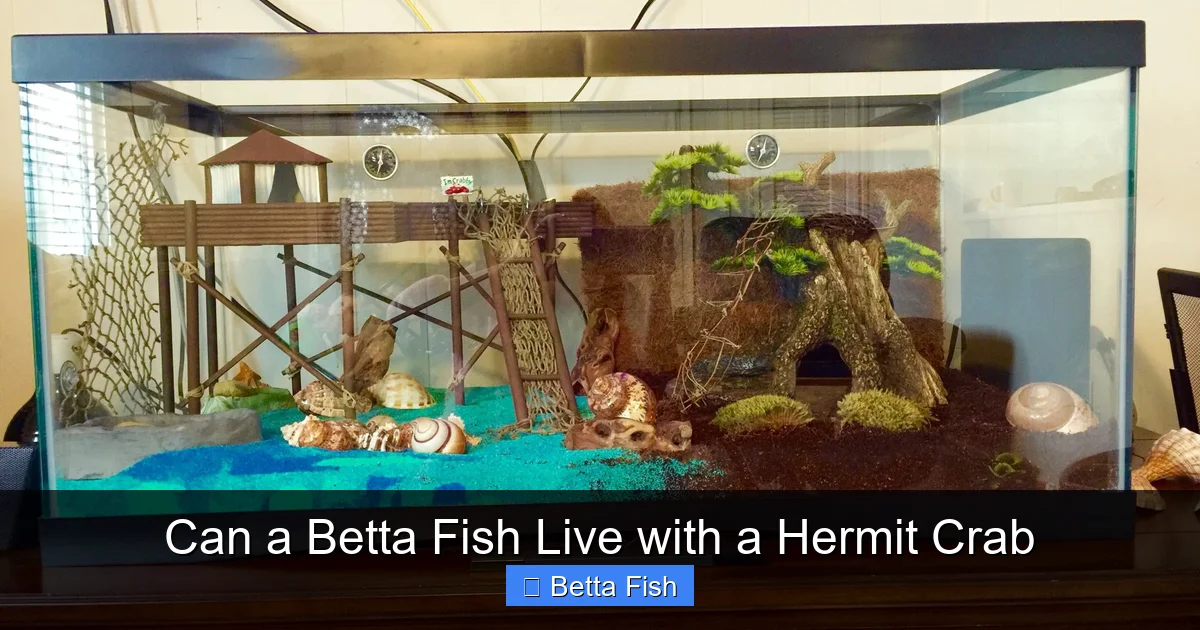
Betta splendens, often called the Siamese fighting fish, is a small but charismatic freshwater species. They thrive in warm water (78‑80°F), slightly acidic to neutral pH (6.5‑7.5), and low‑to‑moderate flow. Betta fish are surface dwellers that love to explore the water column, but they also appreciate places to rest, such as floating plants or smooth rocks.
Visual guide about Can a Betta Fish Live with a Hermit Crab
Image source: i.pinimg.com
Hermit Crab Requirements
Terrestrial hermit crabs (most commonly Coenobita species) need a moist environment, a dry land area, and a supply of calcium for shell growth. In captivity they live in a “paludarium”—a tank that combines water and land. While they can tolerate fresh water, they must have a place to leave the water to avoid drowning.
Why Compatibility Is Tricky
Betta fish are territorial and may see a wandering crab as a threat, especially if the crab wanders into the water column. Conversely, hermit crabs can become stressed if constantly submerged or if the water is too turbulent. Matching these opposite needs is the core challenge.
Setting Up a Shared Habitat
Choosing the Right Tank
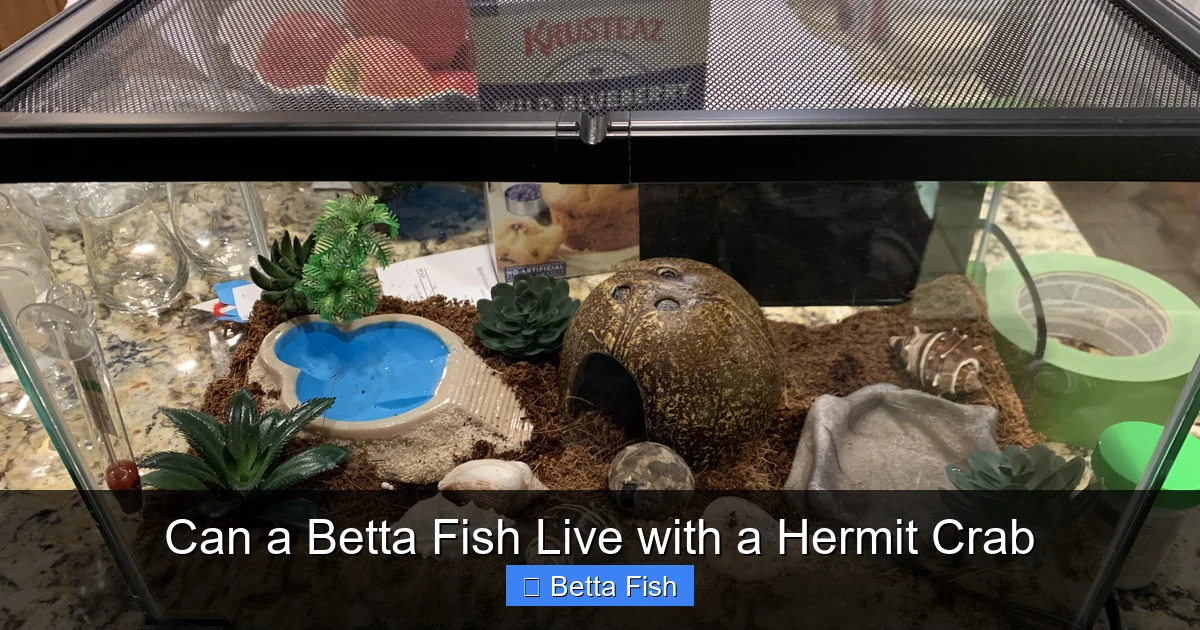
A 20‑gallon long tank is the sweet spot. It offers enough vertical space for the betta and enough horizontal area to build a secure land platform for the crab. Smaller tanks increase stress and aggression, while larger setups give more flexibility for future additions.
Visual guide about Can a Betta Fish Live with a Hermit Crab
Image source: i.redd.it
Creating Distinct Zones
- Land Platform: Use a piece of cork bark, a driftwood slab, or a custom silicone ramp to create a dry area that rises at least 4‑6 inches above the water line.
- Water Depth: Keep the water level shallow (2‑3 inches) for the betta, but deep enough (4‑5 inches) for the crab to submerge when it wants to.
- Substrate: Fine sand or smooth river rocks work well. Avoid sharp gravel that could injure the crab’s legs.
Filtration and Heating
Use a sponge filter or a low‑flow hang‑on‑back filter set to “quiet” mode. Strong currents will push the crab onto the land platform and may stress the betta. A reliable heater set to 79°F maintains the ideal temperature for both.
Decor and Hiding Spots
Live plants like Java fern, Anubias, and floating duckweed give the betta places to rest. For the crab, add a half‑log, ceramic caves, and a pile of coconut husk for burrowing. Ensure all décor is aquarium‑safe and free of sharp edges.
Daily Care and Feeding
Feeding the Betta
Betas thrive on high‑protein pellets, occasional frozen bloodworms, and occasional brine shrimp. Feed 2‑3 small meals per day, removing uneaten food within two minutes to keep water quality high.
Visual guide about Can a Betta Fish Live with a Hermit Crab
Image source: hometanks.com
Feeding the Hermit Crab
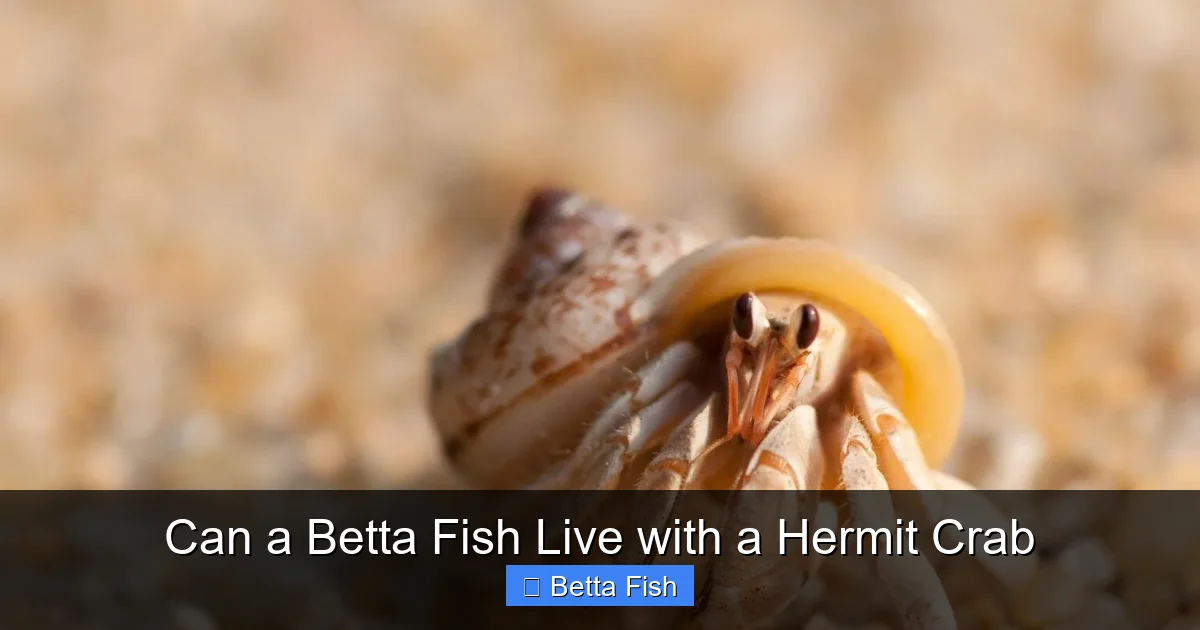
Offer a varied diet: commercial hermit crab pellets, fresh fruit (apple, mango), vegetables (carrot, zucchini), and a source of calcium like cuttlebone. Place food on the land platform so the crab can eat without entering the water.
Water Changes
Perform 25‑30% water changes weekly. Use a water conditioner that removes chlorine and chloramines but leaves beneficial bacteria intact.
Behavior Monitoring and Problem Solving
Signs of Stress
For the betta, look for faded colors, clamped fins, or constant hiding. For the crab, watch for lethargy, loss of appetite, or a shell that looks damaged. Early detection prevents serious health issues.
Dealing With Aggression
If the betta starts nipping at the crab’s legs, increase the distance between zones by adding more plants or a taller land platform. In severe cases, a temporary divider (clear acrylic) can keep them apart while you adjust the setup.
When to Separate
Never force coexistence if one animal shows persistent stress. A separate tank is better than risking injury or death.
Pros and Cons of a Mixed Betta‑Hermit Crab Tank
Advantages
- Unique visual appeal – the contrast of bright betta colors with a moving crustacean.
- Educational value – great for teaching kids about different habitats.
- Efficient use of space for hobbyists with limited room.
Disadvantages
- Higher maintenance – need to balance water quality and land humidity.
- Potential aggression – requires vigilant observation.
- Limited tank mates – the setup leaves little room for additional fish or invertebrates.
Is It Worth Trying? Final Verdict
In short, a betta fish can live with a hermit crab, but only if you commit to a well‑planned paludarium, maintain strict water parameters, and keep a close eye on both animals. For beginners, it may be safer to start with a single-species tank and gain experience before attempting this hybrid setup.
If you decide to go ahead, follow the steps outlined above, be ready to intervene quickly, and enjoy the fascinating interaction of two very different creatures sharing a home.
Related Reading
To broaden your knowledge on community tanks, check out these helpful guides:
- Can a Betta Fish Live With Other Fish
- What Fish Can Live With a Betta
- Can You Have a Snail With a Betta Fish
Conclusion
Mixing a betta fish and a hermit crab is an adventurous project that can succeed with the right environment, careful monitoring, and a willingness to adjust. By respecting each animal’s natural needs and providing clear water, adequate land, and proper diet, you create a mini‑ecosystem that’s both beautiful and educational. Remember, the health of your pets always comes first—if signs of stress appear, be prepared to separate them for the well‑being of both.
Frequently Asked Questions
Can betta fish and hermit crabs share the same water temperature?
Yes. Both thrive around 78‑80°F, which is ideal for bettas and acceptable for most hermit crab species.
Do hermit crabs need a filtration system?
They benefit from gentle filtration that keeps the water clean without creating strong currents that could sweep them into the water.
What size tank is the minimum for this combination?
A 20‑gallon long tank is the minimum recommended to provide enough space for both land and water zones.
Can I keep other fish with a betta and hermit crab?
It’s best to keep the setup limited to just these two. Adding more fish increases competition and stress, making the environment unstable.
How often should I change the water?
Replace 25‑30% of the water weekly, using a conditioner that removes chlorine and chloramines.
What signs indicate my betta is stressed by the crab?
Look for faded colors, clamped fins, excessive hiding, or frequent darting away from the crab.

