Wondering if bottled water is safe for your betta? While it can work in a pinch, plain bottled water lacks essential minerals and may harm your fish. Proper conditioning and testing are key to a happy, healthy betta.
Key Takeaways
- Pure bottled water isn’t ideal: It lacks the minerals bettas need for osmoregulation.
- Conditioning is essential: Add a water conditioner and trace minerals before use.
- Test regularly: Monitor pH, hardness, and ammonia to keep the environment stable.
- Temporary solution only: Use bottled water only when tap water isn’t an option.
- Proper filtration matters: Even in bottled water, a gentle filter helps remove waste.
- Temperature control is critical: Bottled water can be colder or warmer than ideal.
- Know the source: Not all bottled water is the same; choose brands with low mineral content.
📑 Table of Contents
- Introduction: The Bottled Water Dilemma
- Understanding Betta Water Requirements
- Is Bottled Water Safe for Betta Fish?
- How to Properly Use Bottled Water for Your Betta
- Comparing Bottled Water to Tap Water
- Setting Up the Ideal Betta Habitat
- Common Mistakes and How to Avoid Them
- Conclusion: Make Informed Choices for Your Betta
Introduction: The Bottled Water Dilemma
Imagine you just brought home a gorgeous male betta, and the only water you have on hand is a case of bottled spring water. You might ask, can a betta fish live in bottled water? The short answer is “it can, but it’s not the best long‑term solution.” Betta fish are hardy, but they still need the right balance of minerals, stable pH, and proper temperature to thrive.
In this guide we’ll break down everything you need to know about using bottled water for bettas. We’ll compare it to tap water, explain how to condition and test the water, and give you practical tips for setting up a safe home. By the end, you’ll be confident whether bottled water is a temporary fix or a recipe for disaster.
Understanding Betta Water Requirements
What Betta Fish Need from Their Water
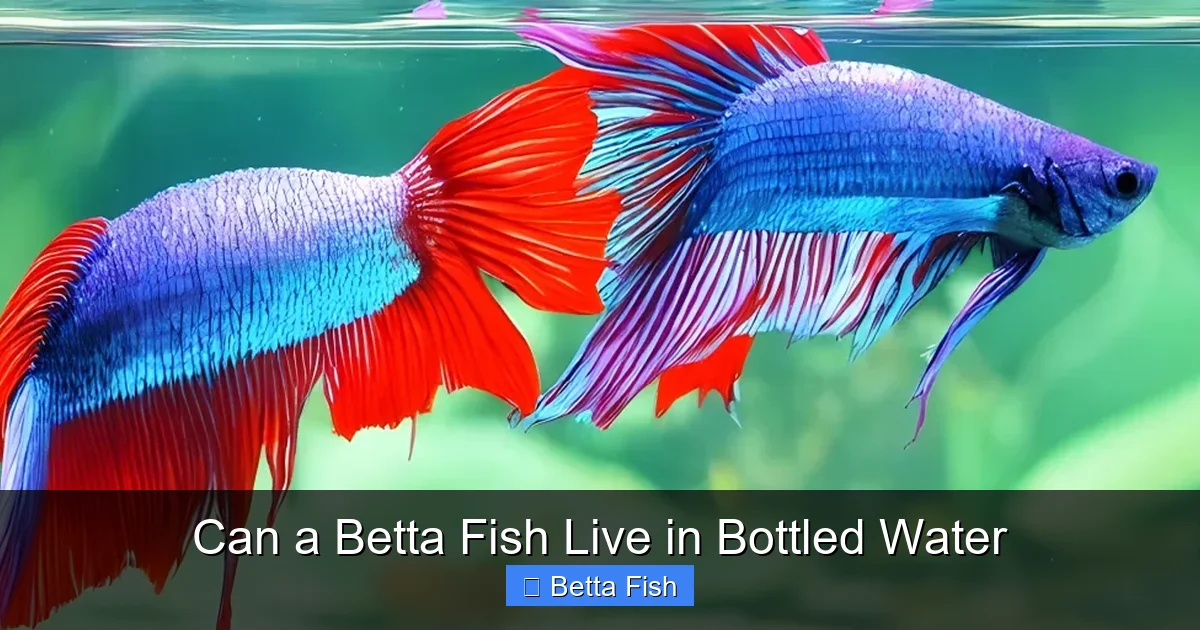
Betta fish (Betta splendens) come from shallow, warm rice paddies in Southeast Asia. Their natural habitat is soft, slightly acidic water with a pH around 6.0‑7.0 and low to moderate hardness (2‑8 dGH). They also rely on a stable temperature between 76°F and 82°F (24°C‑28°C). These parameters help them regulate the salts in their bodies—a process called osmoregulation.
Visual guide about Can a Betta Fish Live in Bottled Water
Image source: tankofish.com
Why Minerals Matter
Pure water, whether it’s distilled or certain bottled varieties, contains almost no dissolved minerals. Without calcium, magnesium, and other trace elements, a betta’s gills can become stressed, leading to poor health, weakened immunity, and even death. That’s why many hobbyists add “trace mineral supplements” when using very soft water.
Is Bottled Water Safe for Betta Fish?
Types of Bottled Water
Not all bottled water is created equal. The main categories are:
Visual guide about Can a Betta Fish Live in Bottled Water
Image source: petaquariums.com
- Spring water: Usually contains some natural minerals; pH can range from 6.5 to 8.0.
- Purified (distilled or reverse‑osmosis) water: Almost no minerals; very low conductivity.
- Mineral water: High in calcium and magnesium; often too hard for bettas.
If you’re asking can a betta fish live in bottled water, the answer depends on which type you have. Spring water is the closest match, but you’ll still need to condition it.
Potential Risks
Using bottled water without conditioning can cause:
- Fluctuating pH leading to stress.
- Mineral deficiency, affecting scale growth and fin health.
- Temperature shock if the water is stored in a cold place.
How to Properly Use Bottled Water for Your Betta
Step‑by‑Step Conditioning Process
- Check the label: Choose a low‑mineral spring water (typically 50‑150 ppm total dissolved solids).
- Measure parameters: Use a test kit to record pH, GH, and KH.
- Add a water conditioner: A few drops will neutralize chlorine/chloramine (if any) and detoxify heavy metals.
- Supplement minerals: Add a betta‑specific trace mineral solution according to the product directions.
- Adjust temperature: Warm the water to 78°F (25.5°C) using an aquarium heater or a warm water bath.
- Let it sit: Allow the water to sit for at least 30 minutes so the conditioner and minerals fully dissolve.
- Test again: Re‑check pH and hardness. Aim for pH 6.5‑7.2 and GH 2‑6 dGH.
Once the water meets these targets, it’s safe to introduce your betta.
Maintaining Water Quality
Even after the initial setup, bottled water can become problematic if you don’t change it regularly. A good rule of thumb is a 25% water change every 2‑3 days for a betta in a 2‑gal tank. Use the same conditioning steps for each change.
Comparing Bottled Water to Tap Water
Pros and Cons
Tap water is often readily available and, after treatment with a conditioner, provides a stable mineral profile. However, some municipal supplies contain high chlorine levels or unwanted heavy metals. Bottled water eliminates those contaminants but may lack essential minerals.
For a deeper dive into tap water, see our article on Can Betta Fish Live In Tap Water.
When to Choose Bottled Over Tap
- If your tap water is extremely hard (>200 ppm) and you lack a reverse‑osmosis system.
- When traveling and you need a portable water source for a temporary setup.
- If you live in an area with frequent boil‑water advisories.
Setting Up the Ideal Betta Habitat
Tank Size and Filtration
A 2‑5 gallon tank with a gentle filter (or a sponge filter) works well. Even though bettas can survive in small bowls, a tank provides better water stability. Learn more about tank choices in Can Betta Fish Live In A Bowl.
Decoration and Hiding Spots
Live plants, driftwood, and silk plants give your betta places to rest and explore. Avoid sharp plastic decorations that can tear delicate fins.
Temperature Control
Invest in an aquarium heater with a thermostat. Keep the water between 76°F and 82°F. Use a thermometer to double‑check.
Common Mistakes and How to Avoid Them
Skipping the Conditioner
Even bottled water can contain trace chlorine or chloramine. A conditioner neutralizes these chemicals and protects your betta’s delicate gills.
Ignoring pH Swings
Sudden pH changes are stressful. Test the water after each change and adjust slowly with pH‑up or pH‑down solutions if needed.
Using High‑Mineral Bottled Water
Hard mineral water can raise GH too much, making it hard for bettas to excrete excess salts. Stick to low‑mineral spring water or dilute harder water with distilled water.
Conclusion: Make Informed Choices for Your Betta
So, can a betta fish live in bottled water? Yes, but only when you condition it properly and monitor the water quality closely. Bottled water can be a lifesaver in emergencies or when tap water is unsuitable, but it should not replace a well‑maintained tank with regular water changes.
Remember the key steps: choose low‑mineral spring water, condition it, add trace minerals, keep the temperature stable, and test frequently. By following these guidelines, you’ll give your betta a safe, comfortable home—whether the water comes from the tap or a bottle.
Frequently Asked Questions
Is it safe to use any bottled water for a betta?
No. Only low‑mineral spring water is suitable. Distilled or heavily mineralized bottled water can cause health problems if not properly treated.
Do I need a water conditioner with bottled water?
Yes. Even bottled water can contain chlorine or chloramine. A few drops of conditioner will neutralize these chemicals and protect your betta’s gills.
How often should I change bottled water in a betta tank?
Change about 25% of the water every 2‑3 days. Treat the new water the same way—condition it and add trace minerals before adding it to the tank.
Can I mix bottled water with tap water?
You can, but be sure to test the combined water’s pH and hardness. Adjust with conditioners or mineral supplements to keep parameters in the betta‑friendly range.
What temperature should bottled water be before adding it to the tank?
Warm the water to 78°F (25.5°C) using an aquarium heater or by placing the container in warm water. Sudden temperature changes can stress the fish.
Are there any brands of bottled water that are better for bettas?
Look for brands labeled “spring water” with low total dissolved solids (under 150 ppm). Avoid “mineral water” and “purified” varieties unless you add the necessary minerals yourself.

