Can a Baby Betta Fish Eat Betta Pellets
Yes, baby betta fish can eat betta pellets, but you must choose the right size and introduce them gradually. Proper feeding ensures strong growth, prevents digestive issues, and keeps your fry thriving.
Key Takeaways
- Pellet size matters: Use micro‑pellets or crush regular pellets for fry.
- Start slow: Offer only a few pellets a day and watch for uneaten food.
- Balanced diet: Combine pellets with live or frozen foods for optimal nutrition.
- Water quality: Remove excess pellets quickly to keep the tank clean.
- Feeding frequency: Young bettas need 2‑3 small meals daily.
- Monitor growth: Adjust portion size as the fry grow into juveniles.
- Seek reliable sources: Buy pellets formulated for tropical fish and check ingredients.
📑 Table of Contents
- Introduction: Why Feeding Baby Betta Fry Matters
- Understanding Betta Fry Nutrition
- Choosing the Right Pellet for Fry
- How to Introduce Pellets to Baby Bettas
- Complementary Foods: Live and Frozen Options
- Water Quality and Pellet Management
- When to Transition to Juvenile Diet
- Practical Tips from Experienced Keepers
- Frequently Overlooked Questions
- Conclusion: Feed Wisely, Grow Healthy
- Further Reading
Introduction: Why Feeding Baby Betta Fry Matters
Bringing home a batch of tiny betta fry is exciting, but the joy can turn into worry if you’re unsure what to feed them. The question “can a baby betta fish eat betta pellets?” pops up for many new owners. The answer is yes—but with important caveats. Feeding the right food at the right time sets the stage for healthy growth, vivid coloration, and a strong immune system.
In this guide we’ll break down everything you need to know: from choosing the perfect pellet size to mixing in live foods, from feeding schedules to water‑quality tips. Think of it as a friendly chat over a cup of coffee, where we’ll share practical examples, common mistakes, and easy‑to‑follow steps.
Understanding Betta Fry Nutrition
What do baby bettas need?
Baby bettas, also called fry, have a high metabolism and tiny stomachs. They require:
Visual guide about Can a Baby Betta Fish Eat Betta Pellets
Image source: i.redd.it
- Protein: Essential for muscle and fin development.
- Fats: Provide energy for rapid growth.
- Vitamins & minerals: Support immune health and coloration.
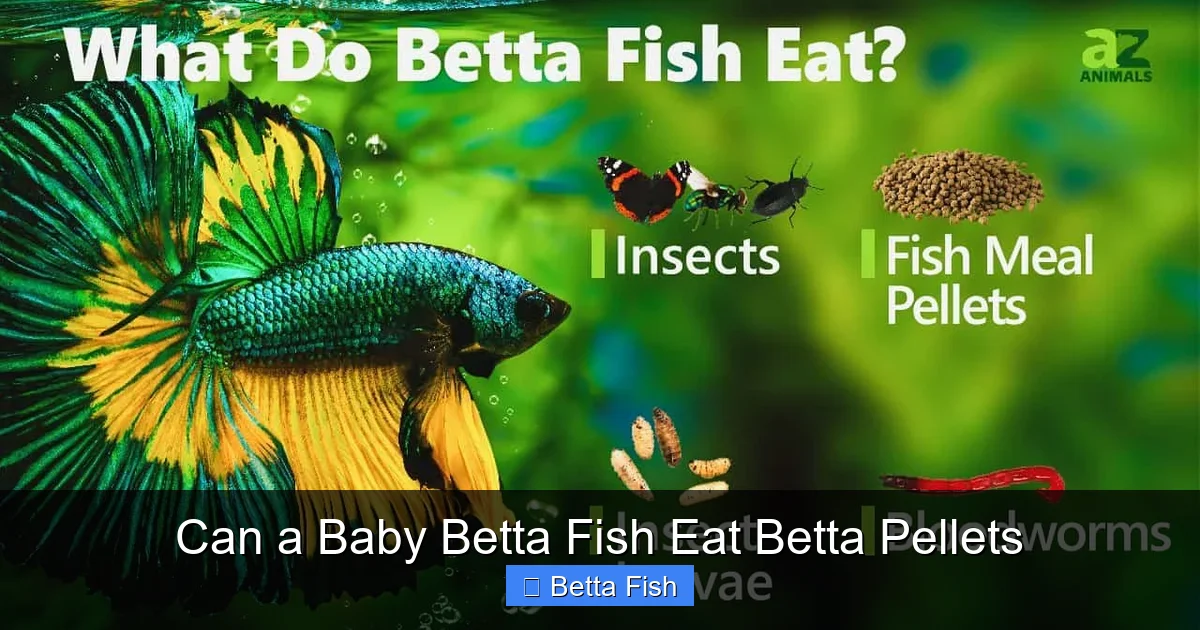
In the wild, fry would eat microscopic zooplankton and insect larvae. In captivity, we replicate this with finely ground foods.
Why pellets can be a good choice
High‑quality betta pellets are formulated with the right protein‑to‑fat ratio and often contain added vitamins. When they’re sized correctly, pellets offer a convenient, mess‑free option compared to live foods that can die quickly or introduce parasites.
Choosing the Right Pellet for Fry
Micro‑pellets vs. regular pellets
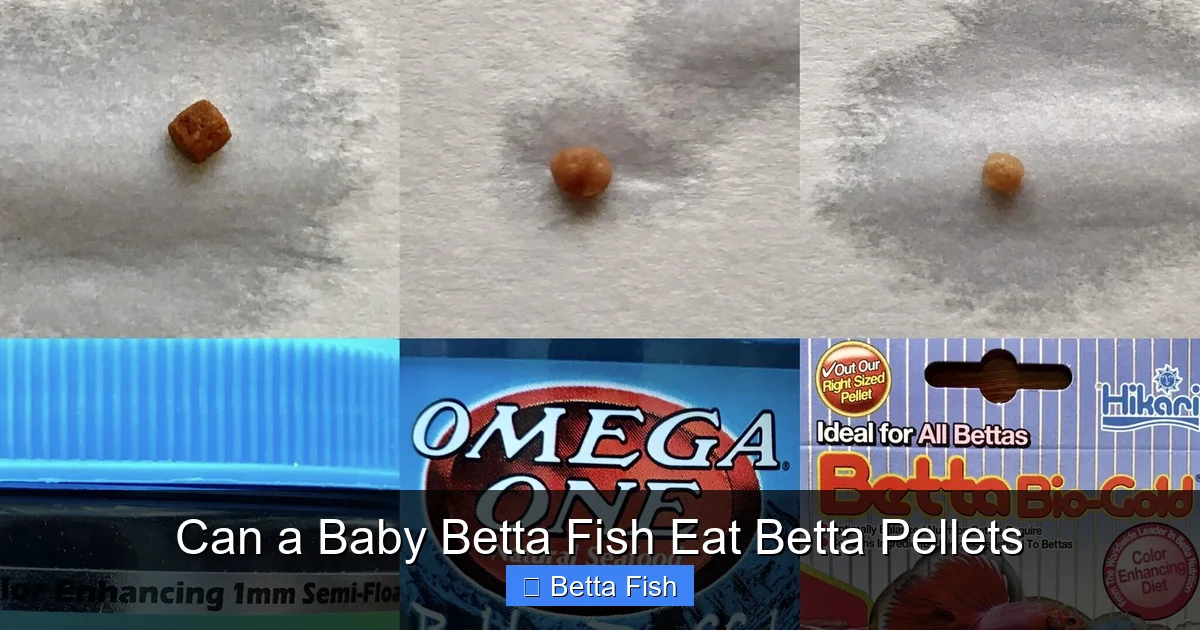
Most commercial betta pellets are 2‑3 mm in diameter—perfect for adult bettas but too large for fry. Look for “micro‑pellets” (around 0.5‑1 mm) or “fry food” that dissolves easily. If you only have regular pellets, you can crush them into a fine powder using a mortar and pestle.
Visual guide about Can a Baby Betta Fish Eat Betta Pellets
Image source: a-z-animals.com
Ingredients to look for
Read the label. Ideal ingredients include:
- High‑quality fish or shrimp meal
- Whole wheat or rice bran for fiber
- Natural color enhancers (e.g., spirulina)
- No unnecessary fillers like soy or wheat gluten that can cause bloating
Brands that work well
While we won’t endorse specific brands, many hobbyists recommend products labeled “Betta Fry Food” or “Micro Betta Pellets.” Check reviews and ensure the manufacturer lists a protein content of at least 40% for fry.
How to Introduce Pellets to Baby Bettas
Step‑by‑step feeding plan
- Prepare the food: If using regular pellets, crush them into a fine dust. If using micro‑pellets, rinse a tiny pinch in tank water to soften.
- Start with a pinch: Sprinkle just enough for the fry to see and chase. Too much food can cloud the water.
- Observe: Watch the fry for 5‑10 minutes. They should be actively swimming toward the food.
- Remove leftovers: Use a small net or siphon to clear any uneaten pieces.
- Repeat 2‑3 times daily: Small, frequent meals mimic their natural feeding pattern.
Common mistakes to avoid
- Over‑feeding: Excess food decays, raising ammonia and stressing fry.
- Large pellets: Can cause choking or digestive blockages.
- Feeding only pellets: Fry benefit from live or frozen foods for variety.
Complementary Foods: Live and Frozen Options
Why mix in live foods?
Live foods such as brine shrimp and daphnia are rich in protein and stimulate natural hunting behavior. They also provide essential fatty acids that pellets may lack.
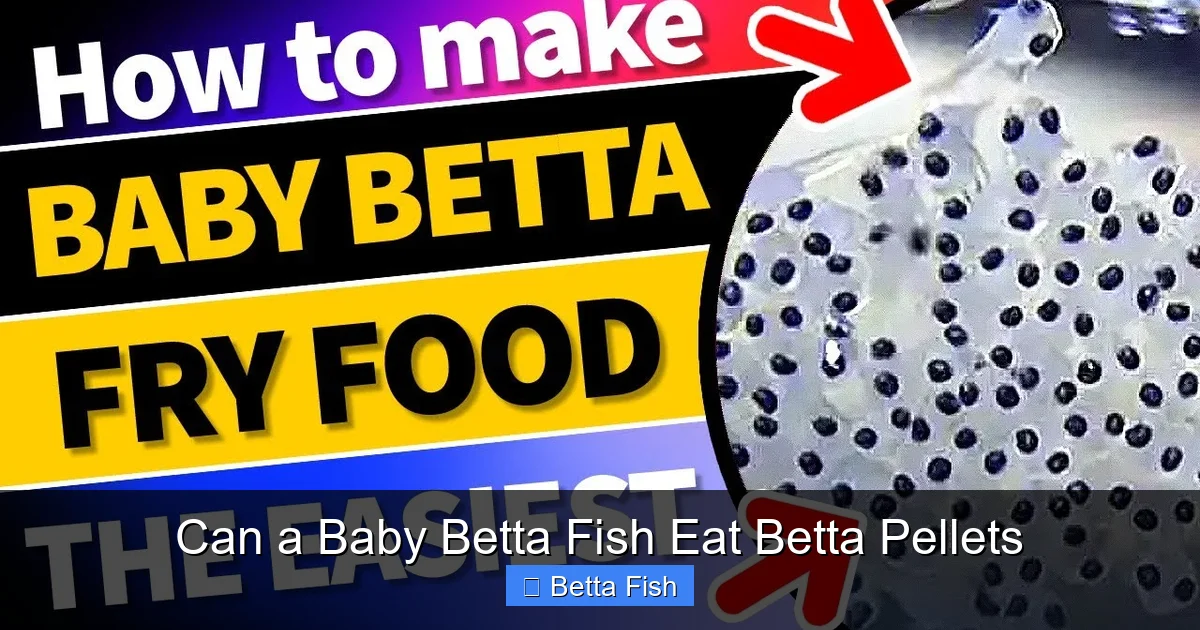
Visual guide about Can a Baby Betta Fish Eat Betta Pellets
Image source: i.ytimg.com
Practical feeding schedule
Try this routine for the first few weeks:
- Morning: 1 pinch of crushed pellets + a few newly hatched brine shrimp.
- Afternoon: Small amount of microworms (available at pet stores).
- Evening: Light sprinkle of micro‑pellets only.
As the fry grow (about 2‑3 weeks), you can gradually increase pellet portions and reduce live foods.
Water Quality and Pellet Management
Impact of uneaten food
Uneaten pellets decompose quickly, releasing ammonia and nitrite—both toxic to delicate fry. Keeping the tank clean is as important as the food you give.
Cleaning routine
- Perform a 25% water change daily during the first two weeks.
- Use a fine mesh net to skim the surface after each feeding.
- Test water parameters (ammonia, nitrite, nitrate) at least twice a week.
When to Transition to Juvenile Diet
Signs of growth
When fry reach about 5 mm and can swallow larger particles, you can start offering standard betta pellets. Watch for:
- Increased activity and confidence
- Visible growth in body length
- Ability to chase larger food pieces without hesitation
Gradual switch
Begin mixing a 1:1 ratio of micro‑pellets to regular pellets for a week, then shift to 75% regular and 25% micro, finally 100% regular pellets by week six.
Practical Tips from Experienced Keepers
- Use a feeding dish: A shallow dish keeps food in one spot, making it easier to monitor consumption.
- Batch‑feed: Prepare small batches of crushed pellets each day to keep them fresh.
- Watch temperature: Fry thrive at 78‑80°F (25‑27°C). Warmer water speeds metabolism, meaning they may need slightly more frequent feedings.
Frequently Overlooked Questions
Can a baby betta fish eat betta pellets if they are frozen?
Frozen pellets are not common, but you can freeze micro‑pellets for storage. Thaw them in a cup of tank water before feeding to avoid shocking the fry.
What if the fry refuse the pellets?
Try sprinkling a tiny amount of live food on top of the crushed pellets. The movement may entice them to investigate.
Conclusion: Feed Wisely, Grow Healthy
Answering “can a baby betta fish eat betta pellets?” is simple: yes, with the right preparation and care. By selecting appropriately sized pellets, supplementing with live foods, and maintaining pristine water, you give your fry the best chance to become vibrant, robust adult bettas. Remember to monitor growth, adjust portions, and keep the tank clean. Happy feeding!
Further Reading
For a broader view of betta nutrition, check out what can betta fish eat. To learn how much you should feed at each stage, see how much should a betta fish eat. If you’re curious about cross‑species feeding, read can a betta fish eat goldfish food.
Frequently Asked Questions
Can I feed regular betta pellets to baby bettas?
Only if you crush them into a fine powder. Whole pellets are too large and can cause choking or digestive problems for fry.
How often should I feed betta fry?
Feed small amounts 2‑3 times a day. Fry have fast metabolisms and need frequent, but modest, meals.
What is the best live food for betta fry?
Newly hatched brine shrimp and microworms are excellent choices because they are tiny, high in protein, and easy to digest.
Will over‑feeding pellets harm my fry?
Yes. Excess food pollutes the water, raising ammonia levels which can be fatal to delicate fry.
When can I switch to standard betta pellets?
Usually when the fry are about 5 mm long and can comfortably swallow larger particles, typically around 4‑6 weeks old.
Do I need a special tank for feeding betta fry?
A small, well‑filtered tank with a gentle sponge filter works well. Keep water temperature stable and perform frequent water changes during the early weeks.