Yes, two female bettas can share a tank—but only under the right conditions. Proper space, plenty of hiding spots, and careful monitoring are key to preventing aggression. Follow our step‑by‑step guide to create a peaceful home for your pair.
Key Takeaways
- Space matters: A minimum of 10‑20 gallons gives each fish room to claim territory.
- Plants and décor: Live plants, caves, and driftwood create neutral zones and reduce stress.
- Temperament varies: Not all females are peaceful; observe behavior before adding a second.
- Water quality is critical: Stable temperature (76‑82 °F) and low ammonia keep fights from escalating.
- Gradual introduction works: Use a divider or a quarantine tank first to gauge compatibility.
- Backup plan: Have a separate tank ready in case the pair becomes hostile.
- Monitor daily: Early signs of fin nipping or hiding signal a problem that needs swift action.
📑 Table of Contents
- Introduction: Why the Question Matters
- 1. Understanding Female Betta Behavior
- 2. Tank Size and Setup Essentials
- 3. Preparing for the Introduction
- 4. The Introduction Day: Step‑by‑Step
- 5. Ongoing Care and Monitoring
- 6. Frequently Asked Questions About Female Betta Pairings
- Conclusion: Making the Decision
Introduction: Why the Question Matters
Betta fish, often called Siamese fighting fish, are famous for their dazzling fins and feisty personalities. Most beginners hear the warning “bettas don’t get along” and assume a single fish is the only safe option. However, many hobbyists have successfully kept two female bettas together, turning that warning into a myth—if you know the rules.
This article breaks down everything you need to know about housing two female bettas in the same aquarium. We’ll cover biology, tank requirements, step‑by‑step introductions, and what to watch for once they’re sharing space. By the end, you’ll feel confident deciding whether this setup fits your home and your fish.
1. Understanding Female Betta Behavior
1.1 Natural temperament
Female bettas are less aggressive than males, but they are still territorial. In the wild, they defend small patches of vegetation along slow‑moving streams. In a tank, that instinct translates to defending a chosen spot—usually a plant, a leaf, or a piece of décor.
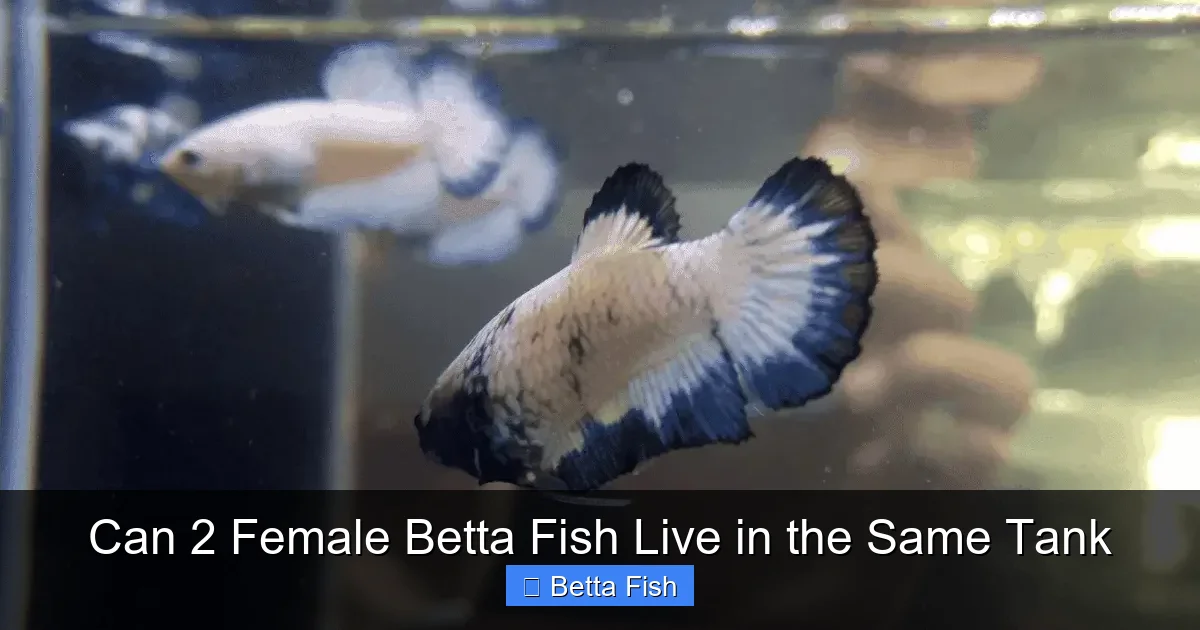
Visual guide about Can 2 Female Betta Fish Live in the Same Tank
Image source: petfishonline.com
1.2 Social hierarchy
When two females are placed together, a dominance hierarchy often forms. The “alpha” female claims the best hiding places and the prime feeding area. The “beta” may become shy or, if space is limited, turn aggressive. Observing these dynamics early helps you intervene before injuries occur.
1.3 Personality differences
Just like people, bettas have unique personalities. Some females are remarkably docile and will happily share a tank, while others are “bully” types that will nip at any newcomer. The only way to know is to watch each fish individually before pairing them.
2. Tank Size and Setup Essentials
2.1 Minimum tank volume
While a 2‑gallon bowl may be enough for a single betta, two females need at least a 10‑gallon (38‑liter) tank. More space (12‑20 gallons) provides extra swimming room and reduces the chance of territorial disputes.
Visual guide about Can 2 Female Betta Fish Live in the Same Tank
Image source: fishtankmaster.com
2.2 Filtration and water flow
Betta fish prefer calm water, but a gentle filter is essential for water quality. Choose a sponge filter or a low‑flow hang‑on‑back unit. The flow should be weak enough that the fish can rest near the surface without being constantly pushed around.
2.3 Temperature and pH
Maintain a steady temperature between 76‑82 °F (24‑28 °C) with an aquarium heater. Use a reliable thermometer and keep the temperature within 2 °F of the target. Betta-friendly pH ranges from 6.5 to 7.5.
2.4 Hiding places and décor
Live plants (Java fern, Anubias, or moss) are excellent because they provide cover and improve water quality. Add caves, driftwood, and ceramic pots to create multiple “neutral zones.” The goal is to give each fish at least three distinct areas to claim.
2.5 Lighting
Provide a 10‑hour light cycle using a dimmable LED. Too bright a light can stress bettas and encourage aggression, especially during introductions.
3. Preparing for the Introduction
3.1 Quarantine and health check
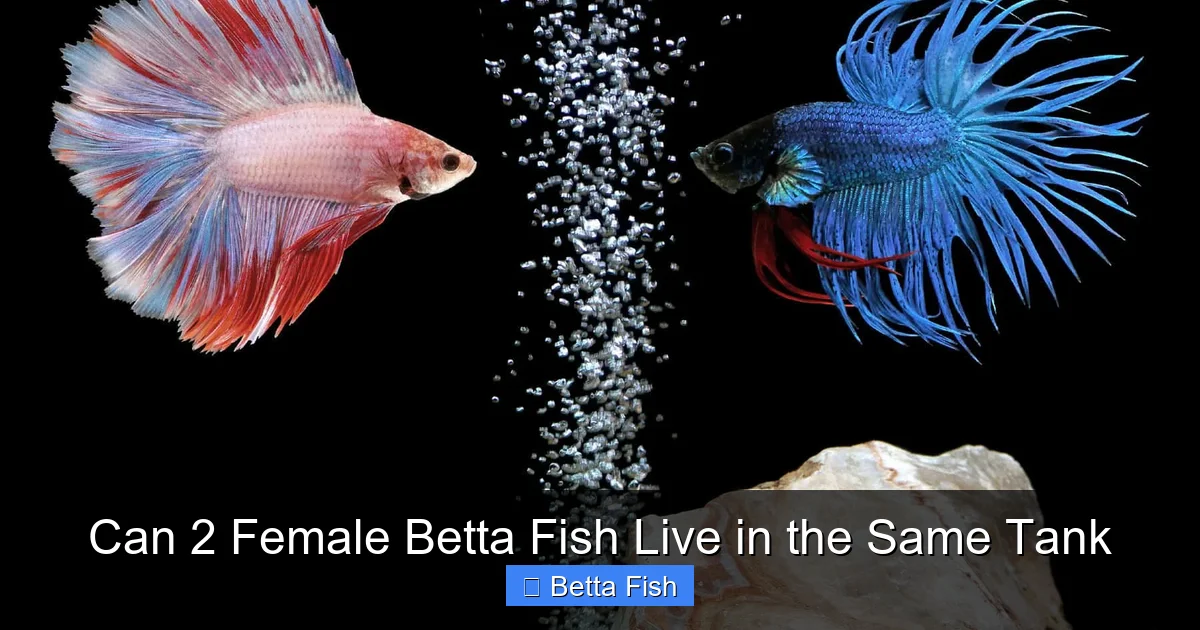
Before any cohabitation, quarantine each betta for at least two weeks. Look for signs of disease—white spots, torn fins, or abnormal swimming. Healthy fish are less likely to become overly defensive.
Visual guide about Can 2 Female Betta Fish Live in the Same Tank
Image source: aquariadise.com
3.2 Using a tank divider
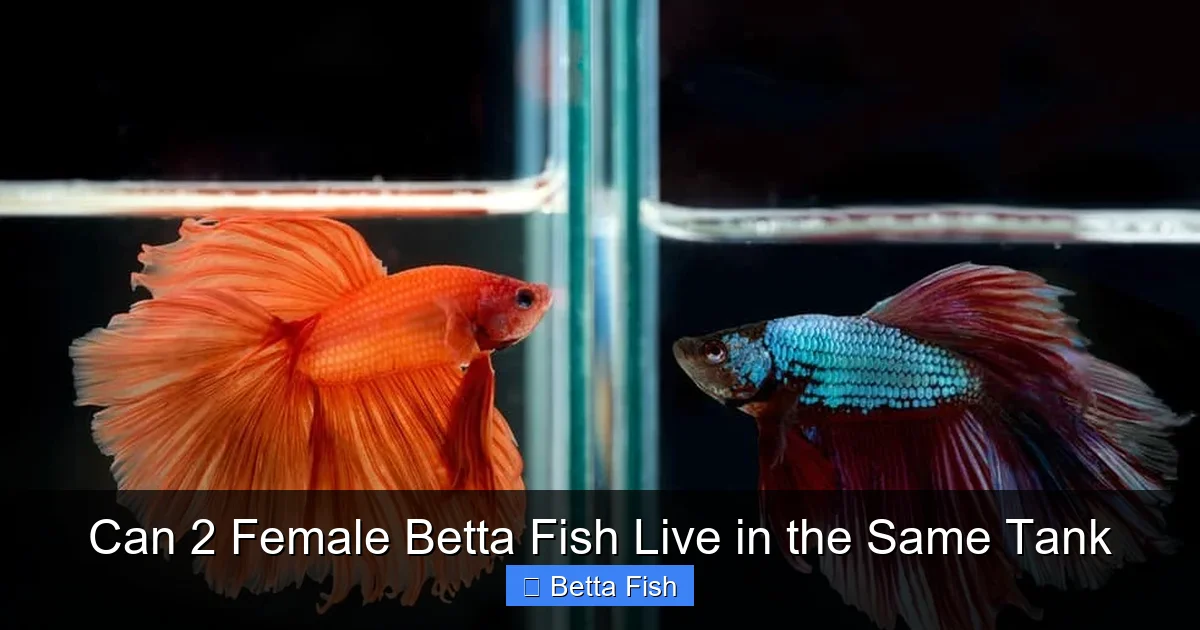
A clear acrylic or mesh divider lets the fish see each other without physical contact. Place the divider in the middle of the tank and let the bettas observe each other for 3‑5 days. If they display calm curiosity rather than frantic flaring, they may be compatible.
3.3 The “slow release” method
Another option is to keep the newcomer in a separate, small container (5‑gallon) inside the main tank. This allows chemical cues to mix while preventing direct interaction. After 24‑48 hours, gently introduce the second fish into the main tank during a feeding time when both are distracted.
3.4 Choosing the right time
Introduce the fish when water parameters are optimal and you have time to observe for several hours. Early morning or late afternoon works well because ambient room activity is lower.
4. The Introduction Day: Step‑by‑Step
4.1 Prepare a “neutral” zone
Before adding the second fish, rearrange décor so that the area where they will meet is new to both. This reduces territorial claims on existing spots.
4.2 Transfer with a soft net
Use a soft, fine‑mesh net to avoid damaging delicate fins. Gently scoop the newcomer from its quarantine container and place it near the surface of the main tank, close to a plant or hiding spot.
4.3 Feed simultaneously
Offer a small amount of high‑quality betta pellets or frozen brine shrimp at both ends of the tank. Feeding distracts the fish and encourages them to associate each other with a positive experience.
4.4 Observe for 30‑60 minutes
Watch for signs of stress: rapid gill movement, flaring fins, or sudden darting. Light nipping of the fins can be normal as they test boundaries, but aggressive lunges or persistent chasing mean the pair is not compatible.
4.5 Have a backup plan
If aggression escalates, be ready to remove the newcomer quickly using a net and place it back in its quarantine tank. You can try again after a week with a different tank layout or consider a larger tank.
5. Ongoing Care and Monitoring
5.1 Daily checks
Spend a few minutes each day watching the pair. Look for one fish being constantly chased or hiding for long periods. These are early warning signs of stress.
5.2 Weekly water tests
Test ammonia, nitrite, nitrate, and pH weekly. Even with a filter, bettas produce waste, and poor water quality can increase aggression.
5.3 Feeding routine
Feed small portions twice daily. Overfeeding leads to excess waste, which can cloud the water and trigger territorial disputes.
5.4 Trim and prune plants
Keep plants healthy and trim any overgrown leaves that could become “territory wars” hotspots. Healthy plants also provide natural hiding spots.
5.5 When to separate
If you notice persistent fin damage, loss of appetite, or one fish becoming lethargic, separate them immediately. A 5‑gallon “hospital” tank is ideal for temporary isolation while you decide on a permanent solution.
6. Frequently Asked Questions About Female Betta Pairings
Below are quick answers to the most common concerns from new betta owners.
Can 2 female betta fish live in the same tank forever?
Yes, many pairs live peacefully for years if the tank is large enough, well‑planted, and the fish have compatible temperaments.
Do female bettas need a larger tank than males?
Both sexes benefit from larger spaces when kept together. For two females, aim for at least 10 gallons; a single male can thrive in 5 gallons.
What if one female constantly hides?
Provide additional hiding spots and consider rearranging décor to give the shy fish a new “home base.” If hiding persists, the pair may be incompatible.
Can I add a third female later?
Adding a third female is risky. Betta groups larger than two often become chaotic unless the tank is very large (30+ gallons) and heavily planted.
Is it okay to keep other fish with two females?
Yes, peaceful community fish like small rasboras or snails can coexist if the tank is spacious and the bettas are not overly territorial. See our guide on which fish can live with betta fish in a tank for safe tank mates.
Do I need a heater for a community tank with females?
Absolutely. Betta fish are tropical and require a stable temperature of 76‑82 °F. A reliable heater keeps both bettas and any tank mates comfortable.
Conclusion: Making the Decision
Keeping two female bettas together can be a rewarding experience, offering vibrant colors and lively interaction without the constant aggression seen in male pairings. The key is preparation: a suitably sized, well‑planted tank, careful observation, and a willingness to separate the fish if needed.
If you follow the steps outlined above, you’ll give your bettas the best chance at a harmonious life together. Remember, every fish is an individual—what works for one pair may not work for another. Stay patient, stay observant, and enjoy the beautiful display of two graceful bettas sharing a home.
Frequently Asked Questions
Can 2 female betta fish live in the same tank?
Yes, they can, provided the tank is large enough, well‑decorated, and the fish show compatible temperaments.
How big should the tank be for two female bettas?
A minimum of 10 gallons is recommended; larger tanks (12‑20 gallons) give each fish more space and reduce aggression.
What are the signs of incompatibility?
Persistent fin nipping, one fish constantly hiding, or frequent flaring are clear warnings that the pair may need to be separated.
Can I keep other fish with two female bettas?
Yes, peaceful species like small rasboras, neon tetras, or snails can coexist if the tank is spacious and well‑planted. See which fish can live with betta fish in a tank for details.
Do I need a filter for a dual‑female betta tank?
Yes. A gentle filter maintains water quality and reduces the risk of disease, which can heighten aggression.
What should I do if aggression starts?
Immediately separate the fish into individual tanks, reassess tank size and décor, and consider trying again after a few weeks or opting for a single betta setup.

