Betta fish can live peacefully with the right tank mates, but choosing compatible species is crucial. This guide breaks down the best companion fish, essential tank requirements, and step‑by‑step introductions so you can create a harmonious community aquarium.
Key Takeaways
- Temperament matters: Male bettas are territorial; females are more tolerant.
- Tank size is critical: A minimum of 10‑20 gallons gives enough space for a betta and companions.
- Peaceful, non‑fin‑nipping species thrive best: small tetras, rasboras, and dwarf shrimp are top choices.
- Water parameters must match: Keep temperature, pH, and hardness consistent for all inhabitants.
- Introduce slowly and monitor: Use a quarantine tank or a divider before full integration.
- Avoid bright‑colored, long‑fin fish: They can trigger aggression in a betta.
- Regular maintenance keeps stress low: Clean water and hiding spots reduce conflicts.
📑 Table of Contents
- Introduction: The Betta’s Social Dilemma
- Understanding Betta Behavior
- Choosing the Right Tank Mates
- Setting Up the Tank for Harmony
- Step‑by‑Step Introduction Process
- Common Mistakes and How to Fix Them
- Real‑World Example: A Successful Community Tank
- Conclusion: Yes, There Are Other Fish That Can Go With a Betta
Introduction: The Betta’s Social Dilemma
Betta fish, often called Siamese fighting fish, are famous for their vivid colors and flowing fins. Many newcomers assume a betta is a solitary creature that must live alone. While it’s true that a male betta can be aggressive toward his own kind, the reality is more nuanced. With the right tank mates, a betta can coexist peacefully and even thrive in a community setting.
In this article we answer the question “are there other fish that can go with a betta?” by exploring compatible species, tank requirements, and practical steps for a successful introduction. Think of it as a friendly chat over coffee—simple language, short sentences, and plenty of real‑world tips.
Understanding Betta Behavior
Male vs. Female Temperaments
Male bettas are naturally territorial. They guard their space and may flare at anything that looks like a rival, especially other fish with bright colors or long fins. Female bettas are generally less aggressive, but they can still show dominance if the tank is cramped.
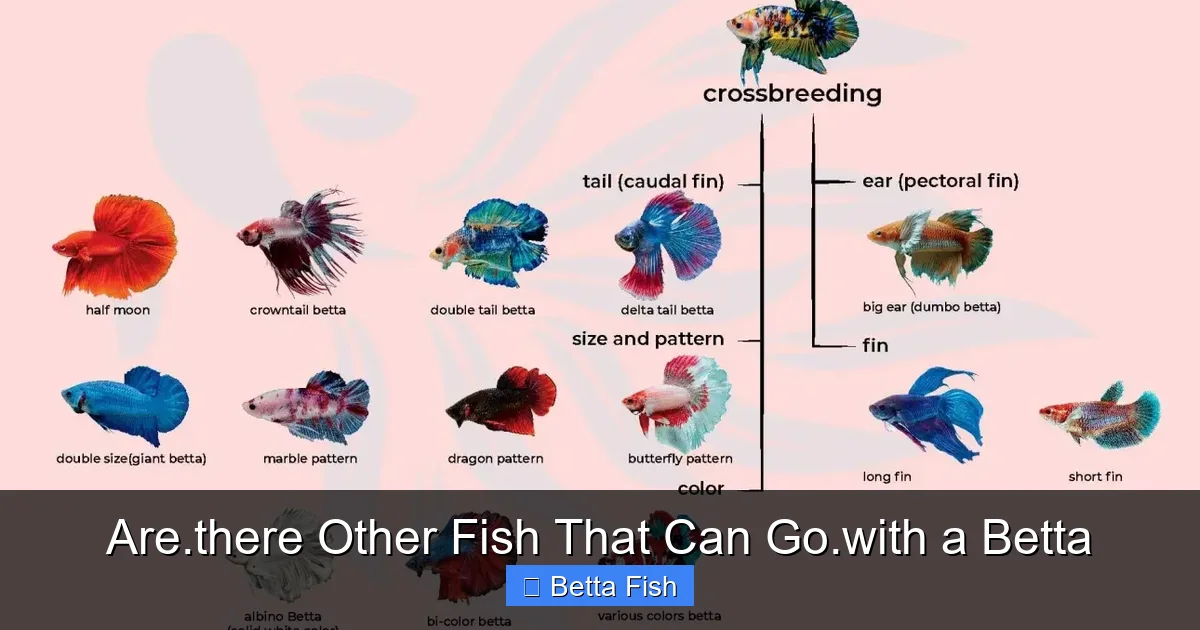
Visual guide about Are.there Other Fish That Can Go.with a Betta
Image source: ekk4j69ebaa.exactdn.com
Why Some Betta Owners Keep Them Solo
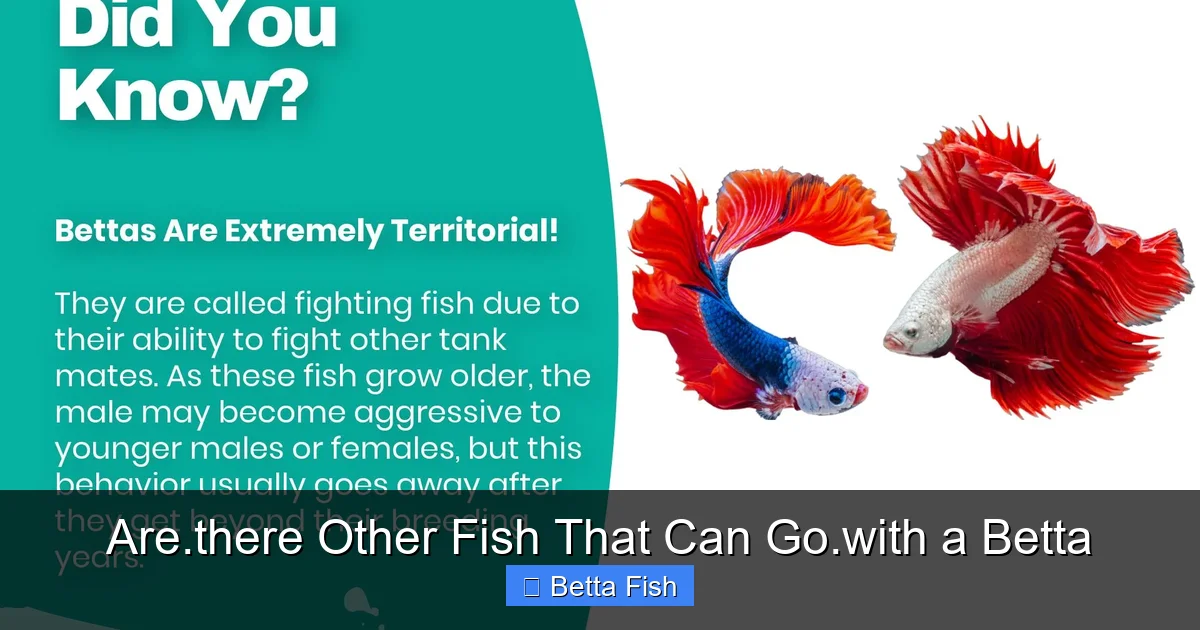
Many beginners read headlines like “Betta fish can’t live with other fish” and assume the worst. The truth is that aggression often stems from poor tank conditions—overcrowding, low water quality, or incompatible tank mates.
Choosing the Right Tank Mates
Key Factors to Consider
- Size: Choose fish that are small enough not to be seen as a threat but large enough not to become prey.
- Fin shape: Avoid species with flowing, bright fins that may trigger a betta’s defensive instincts.
- Temperament: Look for peaceful, mid‑water swimmers that keep to themselves.
- Water needs: Match temperature (78‑82°F), pH (6.5‑7.5), and hardness.
Top Compatible Species
Below are some of the most reliable companions for a betta. Each option includes a brief description and why it works.
Visual guide about Are.there Other Fish That Can Go.with a Betta
Image source: majesticfins.com
- Neon Tetra (Paracheirodon innesi): Small, schooling fish that stay in the middle of the tank. Their bright blue‑red stripe is less likely to provoke a betta.
- Harlequin Rasbora (Trigonostigma heteromacula): Peaceful, active swimmers that prefer the lower half of the tank, keeping distance from the betta’s surface territory.
- Corydoras Catfish (Corydoras spp.): Bottom dwellers that are gentle and help clean leftover food.
- Otocinclus Catfish (Otocinclus sp.): Tiny algae eaters that glide on surfaces, adding utility without competition.
- Cherry Shrimp (Neocaridina davidi): Colorful, non‑aggressive crustaceans that provide natural cleaning.
- Snails (Nerite or Mystery): Excellent algae controllers and generally ignored by bettas.
Species to Avoid
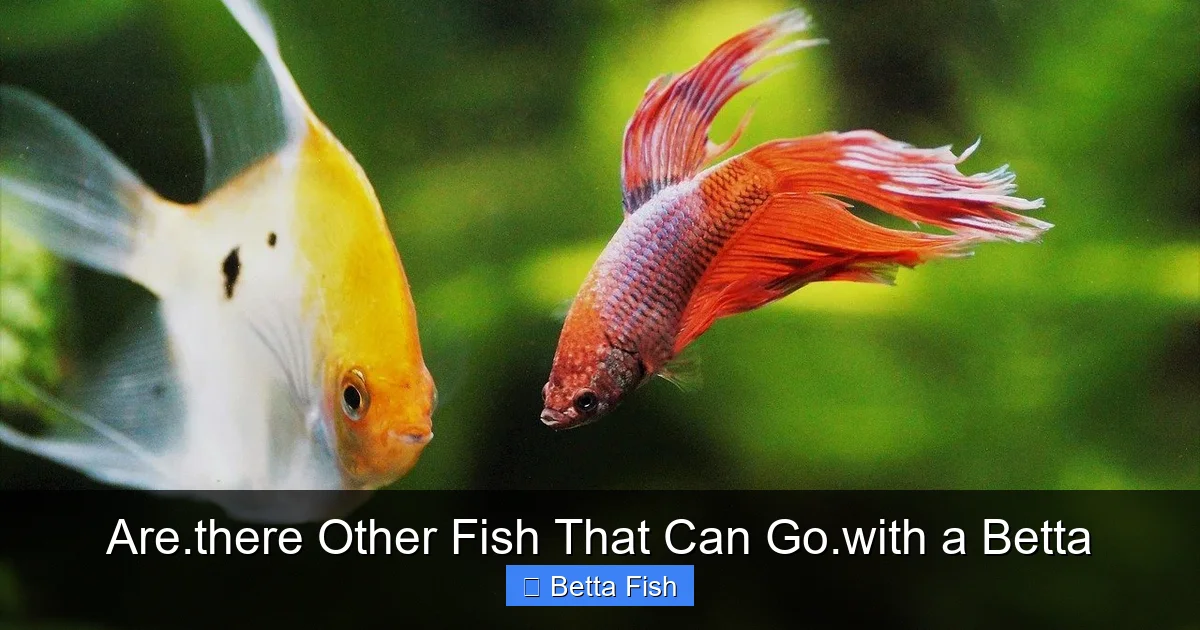
Fish with long, flowing fins (e.g., guppies, fancy goldfish) or bright, similar colors (e.g., betta-like gouramis) can trigger aggression. Also steer clear of fin‑nippers such as tiger barbs.
Setting Up the Tank for Harmony
Size and Layout
A minimum of 10 gallons is recommended for a single betta with a few small tank mates. Larger tanks (20‑30 gallons) provide more swimming space and reduce territorial disputes.
Visual guide about Are.there Other Fish That Can Go.with a Betta
Image source: coralrealm.com
Plants and Hiding Spots
Live or silk plants create natural barriers. Java moss, Anubias, and floating lettuce give the betta places to rest and the other fish places to hide.
Water Parameters
Maintain a temperature of 78‑82°F, pH 6.5‑7.5, and gentle water flow. Use a reliable heater and a sponge filter to keep water clean without strong currents that stress bettas.
Step‑by‑Step Introduction Process
1. Quarantine New Arrivals
Keep any new fish or invertebrates in a separate tank for at least two weeks. This prevents disease transfer.
2. Use a Divider
Place a clear acrylic divider in the betta’s tank. This lets both sides see each other without direct contact, allowing the betta to get used to the new presence.
3. Observe Behavior
Watch for flaring, chasing, or hiding. If the betta remains calm for 48‑72 hours, you can consider a full introduction.
4. Gradual Release
Turn off the filter for a few minutes, then gently add the new fish using a net. Turn the filter back on to help disperse any lingering scents.
5. Monitor Daily
For the first week, keep a close eye on interactions. If aggression spikes, re‑introduce the divider and try again later.
Common Mistakes and How to Fix Them
Overcrowding
Too many fish increase stress and competition for food. If you notice constant chasing, consider moving some fish to a separate tank.
Incompatible Water Conditions
Mixing species with different temperature or pH needs leads to illness. Always double‑check each species’ requirements before adding them.
Ignoring Hiding Places
A betta without a place to retreat may become overly aggressive. Add more plants or decorations if you see constant fin‑flaring.
Real‑World Example: A Successful Community Tank
Emily, a first‑time betta owner, started with a 15‑gallon tank. She added a male betta, a small group of neon tetras, a few Corydoras, and a handful of cherry shrimp. By following the steps above—quarantining the tetras, using a divider, and providing plenty of floating plants—her betta settled within a week. She now enjoys a calm, colorful tank that requires only weekly water changes.
Conclusion: Yes, There Are Other Fish That Can Go With a Betta
Answering the headline question: are there other fish that can go with a betta? Absolutely—provided you choose the right companions, size the tank appropriately, and introduce them carefully. With patience and a bit of research, your betta can share a beautiful, lively aquarium rather than a lonely bowl.
Remember to keep water conditions stable, give each fish a place to hide, and always watch for signs of stress. When done right, the result is a vibrant community where your betta thrives alongside peaceful tank mates.
Frequently Asked Questions
Can a male betta live with other fish?
Yes, a male betta can live with peaceful, non‑fin‑nipping fish if the tank is large enough and the mates are chosen carefully.
What are the safest fish for a betta tank?
Neon tetras, harlequin rasboras, Corydoras catfish, and Otocinclus are among the safest choices because they are small, calm, and occupy different tank levels.
How long should I keep a divider in place?
Typically 48‑72 hours is enough for the betta to become accustomed to the new fish’s presence, but you can extend the period if the betta shows signs of stress.
Is it okay to keep a betta with a goldfish?
Generally no; goldfish produce a lot of waste and require cooler water, which conflicts with a betta’s warm‑water needs.
Can I keep shrimp with my betta?
Yes, shrimp such as cherry shrimp or Amano shrimp are usually ignored by bettas and help clean up leftovers.
Do bettas need a heater if they share a tank with other fish?
All tropical fish, including bettas and their tank mates, need a stable temperature of 78‑82°F, so a reliable heater is essential.

