Are Tackles Better the Live Bait for Freshwater Fishing
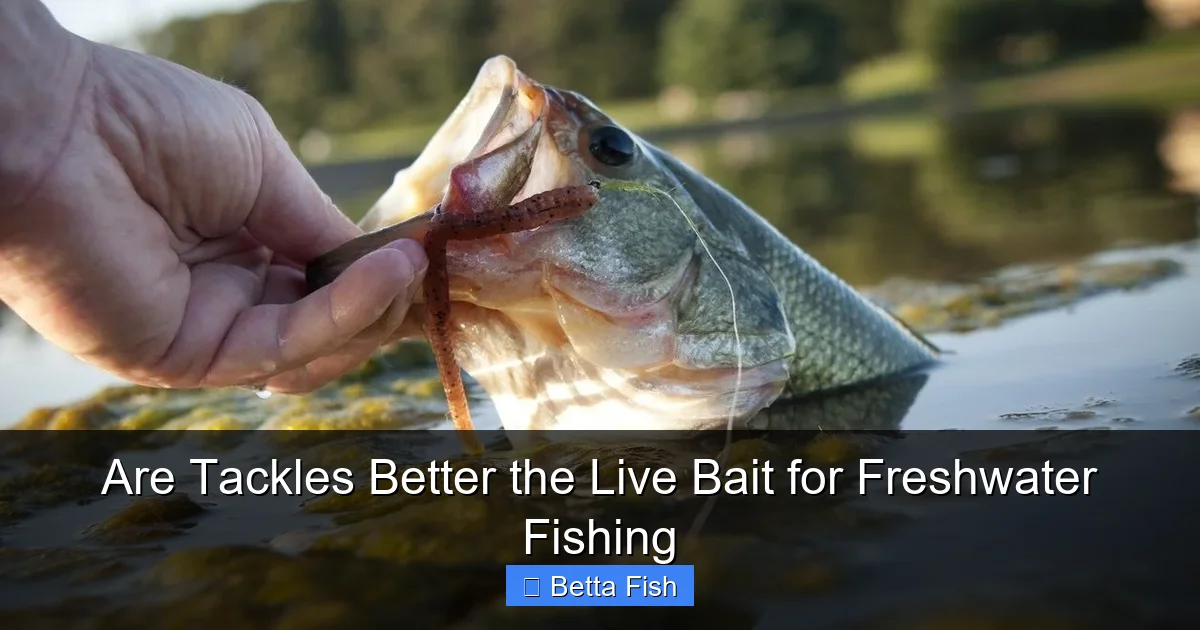
Are tackles better than live bait for freshwater fishing? This guide breaks down the strengths of artificial lures versus live bait, helping you choose the right gear for any situation. From cost to convenience, we cover everything you need to know to make smarter fishing decisions.
Key Takeaways
- Cost efficiency: Tackle kits often cost less over time than continuously buying live bait.
- Versatility: Artificial lures can imitate many prey types, adapting to changing conditions.
- Convenience: No need to store or handle live organisms, making trips easier.
- Effectiveness: In certain waters, specific lures outperform live bait by triggering predator instincts.
- Seasonal factors: Live bait may still dominate during spawning runs or cold months.
- Skill development: Using tackles hones casting and retrieval techniques.
- Environmental impact: Tackle reduces the risk of introducing invasive species.
📑 Table of Contents
- Introduction: The Age‑Old Debate
- 1. Understanding the Basics: What Are “Tackles”?
- 2. Cost Comparison: Wallet‑Friendly or Not?
- 3. Convenience and Practicality on the Water
- 4. Effectiveness: Hook‑Up Rates and Fish Behavior
- 5. Skill Development and Angler Satisfaction
- 6. Environmental and Ethical Aspects
- 7. Practical Tips: When to Choose Tackle Over Live Bait
- Conclusion: The Balanced Answer
Introduction: The Age‑Old Debate
When you stand on a quiet lake shore, the question often pops into your mind: are tackles better than live bait for freshwater fishing? It’s a conversation that has been buzzing in tackle shops, on fishing forums, and around campfires for decades. Some anglers swear by the natural scent and movement of a wriggling worm, while others champion the flash of a spinner or the subtle vibration of a soft plastic. Both sides have solid arguments, and the truth usually lies somewhere in the middle.
In this article, we’ll walk through the major factors that influence the answer to are tackles better the live bait for freshwater fishing. We’ll compare cost, convenience, effectiveness, and environmental impact, and we’ll give you practical tips you can try on your next outing. By the end, you’ll have a clear picture of when to reach for a lure and when to let a live bait do the work.
1. Understanding the Basics: What Are “Tackles”?
Definition and Types
In fishing lingo, “tackle” refers to any artificial equipment used to catch fish. This includes:
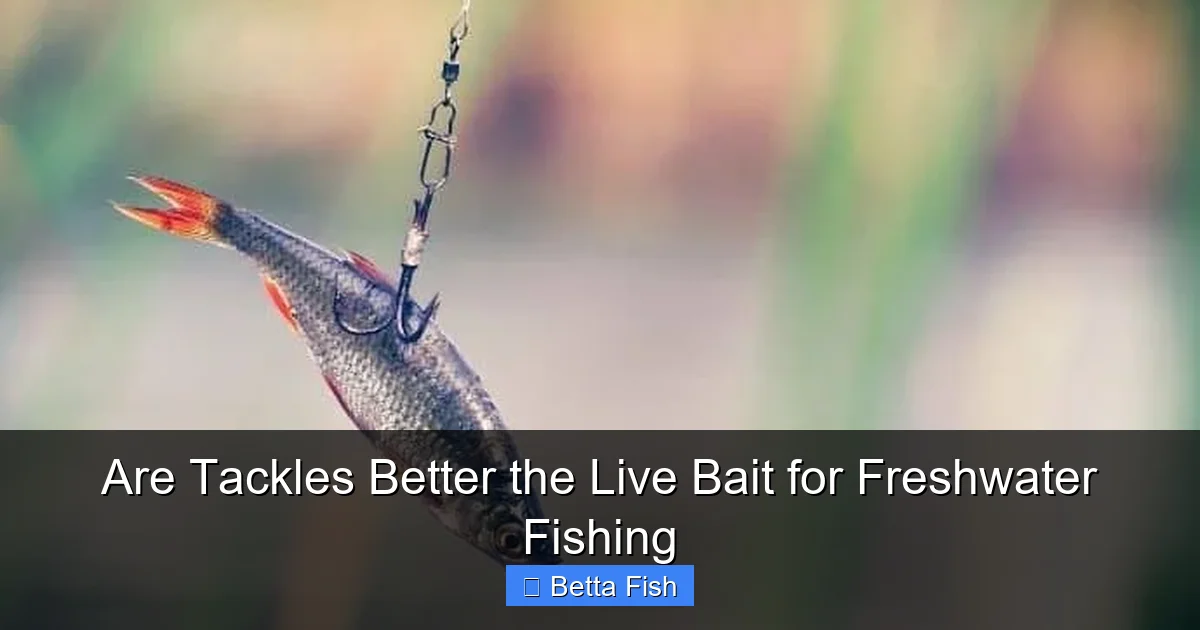
Visual guide about Are Tackles Better the Live Bait for Freshwater Fishing
Image source: castandspear.com
- Spinners and spoons
- Soft plastics (worms, grubs, creature baits)
- Hard‑body minnows and crankbaits
- Jigs, buzzbaits, and topwater poppers
Each type mimics a different prey behavior—flash, vibration, or realistic swimming action. The variety gives you the ability to match the hatch without needing a live organism.
Why Some Anglers Prefer Lures
Artificial lures are engineered for durability and repeatability. You can cast them hundreds of times without losing their action, and many come with built‑in attractants like scent or UV‑reactive pigments. This makes them especially appealing for anglers who fish frequently.
2. Cost Comparison: Wallet‑Friendly or Not?
Initial Investment vs. Ongoing Expenses
When you ask are tackles better the live bait for freshwater fishing from a budget perspective, the numbers speak loudly. A basic spinner set may cost $10–$15, and a handful of soft plastics might run $5–$10. Live bait, on the other hand, is a recurring expense—worms, minnows, or insects need to be purchased or collected regularly.
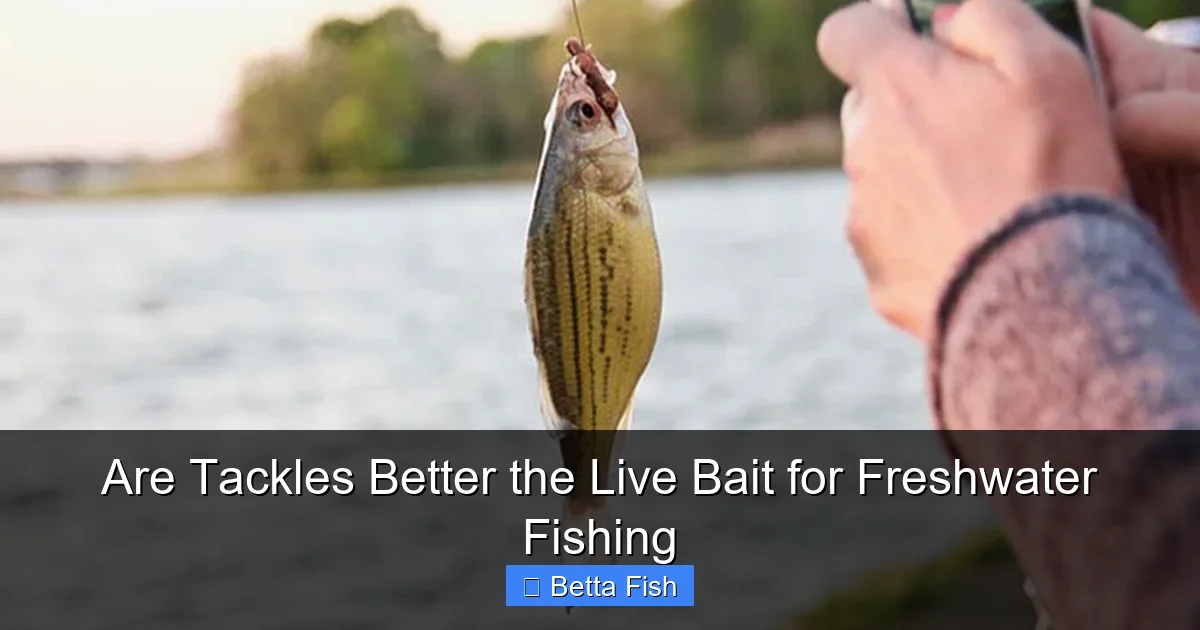
Visual guide about Are Tackles Better the Live Bait for Freshwater Fishing
Image source: d2v1xobx8qu3lm.cloudfront.net
Over a season, the cumulative cost of live bait can quickly exceed the price of a modest tackle box. That’s why many hobbyists view lures as a more economical long‑term choice.
Hidden Savings
Beyond the price tag, tackles reduce other hidden costs:
- No need for a cooler or aerator to keep bait alive.
- Less time spent sourcing bait on the water.
- Fewer trips to the store for fresh bait.
3. Convenience and Practicality on the Water
Transport and Storage
Imagine loading a boat with a bucket of live minnows versus a compact tackle bag. The latter is lighter, odor‑free, and doesn’t require special handling. This directly answers the question, are tackles better the live bait for freshwater fishing, when you value ease of transport.
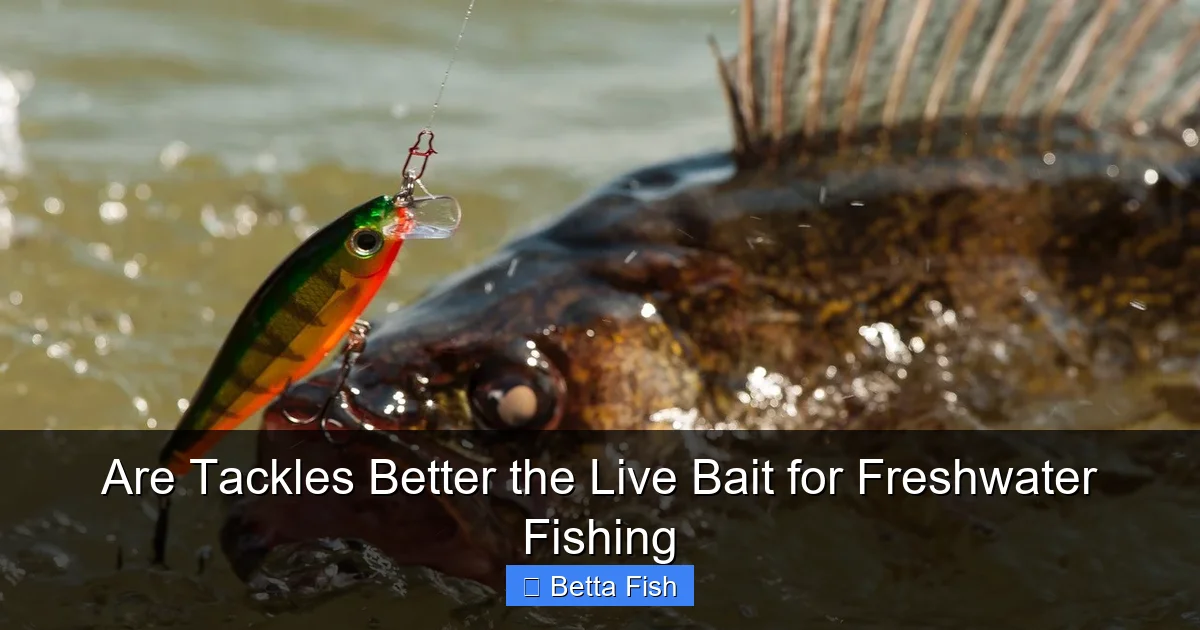
Visual guide about Are Tackles Better the Live Bait for Freshwater Fishing
Image source: greenbaytrophyfishing.com
Weather and Seasonal Considerations
During hot summer days, live bait can die quickly, losing its effectiveness. Lures, however, stay ready regardless of temperature. In colder months, some live bait becomes sluggish, while a well‑chosen jig can still provoke a bite.
4. Effectiveness: Hook‑Up Rates and Fish Behavior
Matching the Hatch
Fish are opportunistic predators. If the local forage consists of shiny minnows, a silver spinner can be more enticing than a worm. Conversely, during a hatch of insects, a soft plastic that mimics a mayfly may outperform a generic crankbait.
Scientific Insights
Studies show that artificial lures that produce both visual and vibratory cues often trigger a “strike reflex” in bass and trout. This supports the notion that are tackles better the live bait for freshwater fishing in many scenarios where the predator relies on motion detection.
Real‑World Examples
- Lake trout in early spring: A 3‑inch jig tipped with a soft plastic worm often outperforms a live minnow because the fish are still sluggish and respond better to vibration.
- Sunfish in warm summer ponds: Tiny spinnerbaits create flash that mimics a school of fry, leading to higher bite rates than a single worm.
5. Skill Development and Angler Satisfaction
Learning Curve
Using tackles forces you to master casting techniques, retrieve speeds, and hook sets. This skill set adds a layer of satisfaction that many anglers miss when they rely solely on live bait.
Creative Freedom
From “drop‑shot” presentations to “trolling” with a spoon, lures open a world of possibilities. If you love experimenting, the answer to are tackles better the live bait for freshwater fishing may lean toward tackles simply because they let you be creative.
6. Environmental and Ethical Aspects
Impact on Local Ecosystems
Transporting live bait across waters can unintentionally introduce invasive species or pathogens. Tackle eliminates that risk, making it a more environmentally responsible choice.
Animal Welfare
Using artificial lures avoids the ethical concerns some anglers have about keeping live creatures in buckets for extended periods.
7. Practical Tips: When to Choose Tackle Over Live Bait
Assess the Water Conditions
- Clear water with abundant natural prey – try matching the hatch with a soft plastic.
- Stained or murky water – use a spinner or spoon that creates strong vibrations.
Consider the Target Species
For largemouth bass, a combination of jigs and crankbaits often beats live bait during the pre‑spawn period. For trout, a small nymph or dry fly may still be the go‑to, but a tiny blade bait can be equally effective on windy days.
Time of Day and Weather
During low light (dawn/dusk), topwater poppers and buzzbaits excel. In overcast or rainy conditions, subtle soft plastics can be more productive than a noisy spinner.
Budget and Frequency
If you fish weekly, investing in a diverse tackle box will save money and hassle. If you only cast a few times a year, a small supply of live bait might be more practical.
Conclusion: The Balanced Answer
So, are tackles better the live bait for freshwater fishing? The short answer is: it depends. Tackle shines in cost‑effectiveness, convenience, and versatility, especially for frequent anglers who enjoy refining their technique. Live bait still holds a vital place when you need natural scent, when targeting specific hatch events, or when fishing in conditions where fish are highly selective.
The smartest approach is to keep both options in your arsenal. Learn which lures work best for the species and water you frequent, and carry a small amount of live bait for those moments when nature calls for a genuine meal. By blending the strengths of both, you’ll boost your catch rates, protect the environment, and enjoy every cast.
Frequently Asked Questions
Do artificial lures work in all freshwater habitats?
Most lures are designed for a range of habitats, but matching the local forage and water clarity is key. In heavily vegetated ponds, a soft plastic may work better than a spinner.
Can I use the same tackle for both bass and trout?
While some lures are versatile, bass often prefer larger, louder presentations, whereas trout respond to subtle, natural‑looking baits. It’s best to have species‑specific options.
How often should I replace my live bait?
Live bait should be kept fresh and replaced daily, especially in warm water, to maintain scent and movement.
Is it legal to use live bait in all freshwater lakes?
Regulations vary by state and lake. Always check local fishing rules before using live bait, as some areas restrict certain species.
What are the best storage tips for tackle?
Keep lures in a dry, temperature‑controlled box. Separate soft plastics from hard baits to avoid damage, and rinse them after each use.
Can using tackles help reduce invasive species spread?
Yes. Since lures are reusable and don’t involve transporting live organisms, they lower the risk of accidentally introducing non‑native species.