Are Square Fish Tanks Better Than Round Bowls
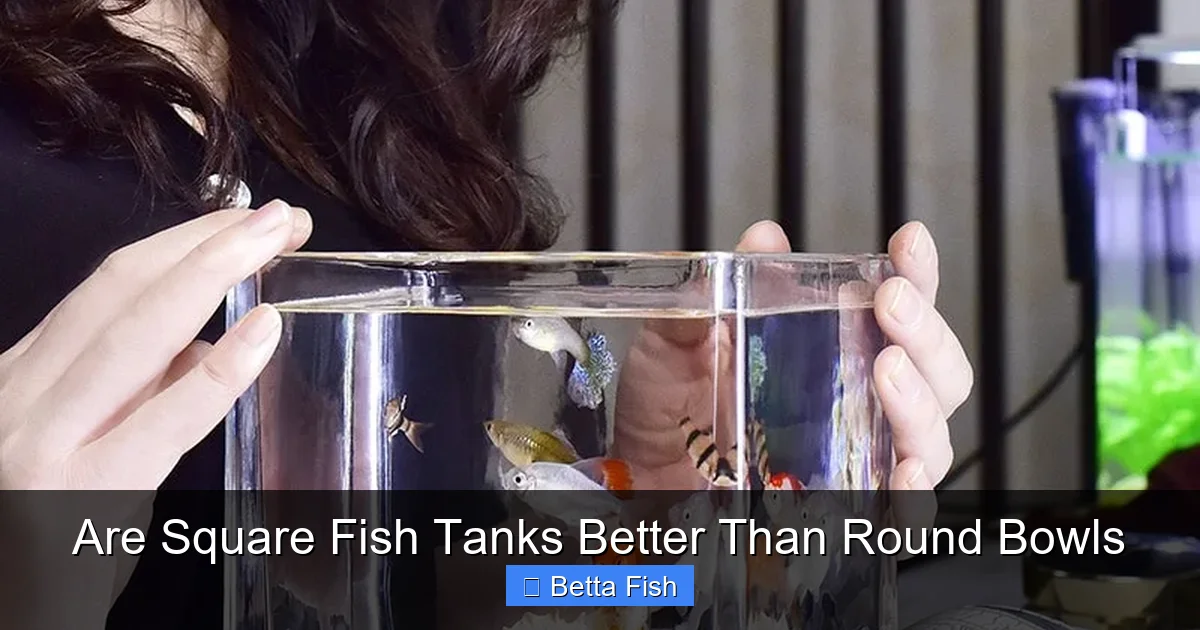
Square fish tanks often provide more swimming space, better water stability, and easier decoration than round bowls, making them a superior choice for most betta owners. However, round bowls can still work if you manage size, filtration, and temperature carefully.
Key Takeaways
- Space matters: Square tanks give more usable surface area for bettas to surface‑breathe.
- Water quality stays steadier: Larger volume and straight walls reduce temperature swings.
- Decoration is easier: Plants and ornaments sit securely on flat sides.
- Cost difference is small: Square tanks are often only slightly pricier than bowls.
- Round bowls aren’t dead‑ends: With proper filtration and heating they can work for short‑term setups.
- Betta behavior improves: More room reduces stress and encourages natural fin displays.
- Maintenance is simpler: Cleaning a square tank takes less time than a curved bowl.
📑 Table of Contents
- Introduction: Why the Shape of the Home Matters
- 1. The Geometry of Comfort: Surface Area vs. Volume
- 2. Space to Swim: The Real‑World Impact of Shape
- 3. Water Quality and Filtration: Easier to Keep Clean
- 4. Decoration and Plant Life: Making a Home, Not a Bowl
- 5. Cost, Availability, and Practical Considerations
- 6. When a Round Bowl Might Still Work
- Conclusion: The Verdict
Introduction: Why the Shape of the Home Matters
If you’ve ever stood in a pet store staring at a glittering round bowl next to a sleek square tank, you’ve probably wondered which is best for your betta. The answer isn’t just about looks; it’s about how the shape influences water stability, swimming space, and overall fish health. In this guide we’ll answer the big question: are square fish tanks better than round bowls for betta fish?
We’ll break down the science, share real‑world tips, and help you decide what will keep your finned friend thriving. Think of this as a friendly chat over coffee—no jargon, just clear advice you can act on right away.
1. The Geometry of Comfort: Surface Area vs. Volume
How surface area affects a betta’s breathing
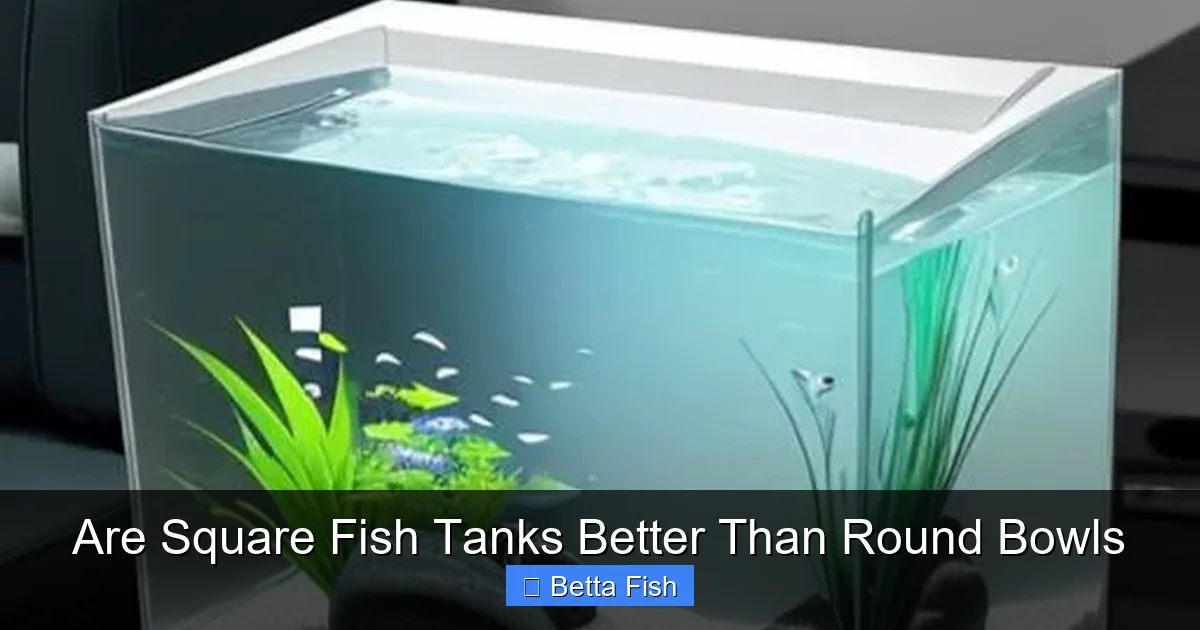
Betta fish are “labyrinth” fish, meaning they gulp air from the surface with a specialized organ. The more surface area they have, the easier it is for them to breathe. A square tank with the same water volume as a round bowl typically offers 20‑30% more surface area because the water spreads out over flat sides instead of curving into a sphere.
Visual guide about Are Square Fish Tanks Better Than Round Bowls
Image source: i.pinimg.com
Volume matters for temperature stability
Even a small increase in volume smooths out temperature fluctuations. In a round bowl, the water is thinner and warms or cools faster, which can stress a betta. A square tank’s extra depth and width act like a thermal buffer, keeping the water closer to the heater’s set point.
2. Space to Swim: The Real‑World Impact of Shape
Usable swimming space
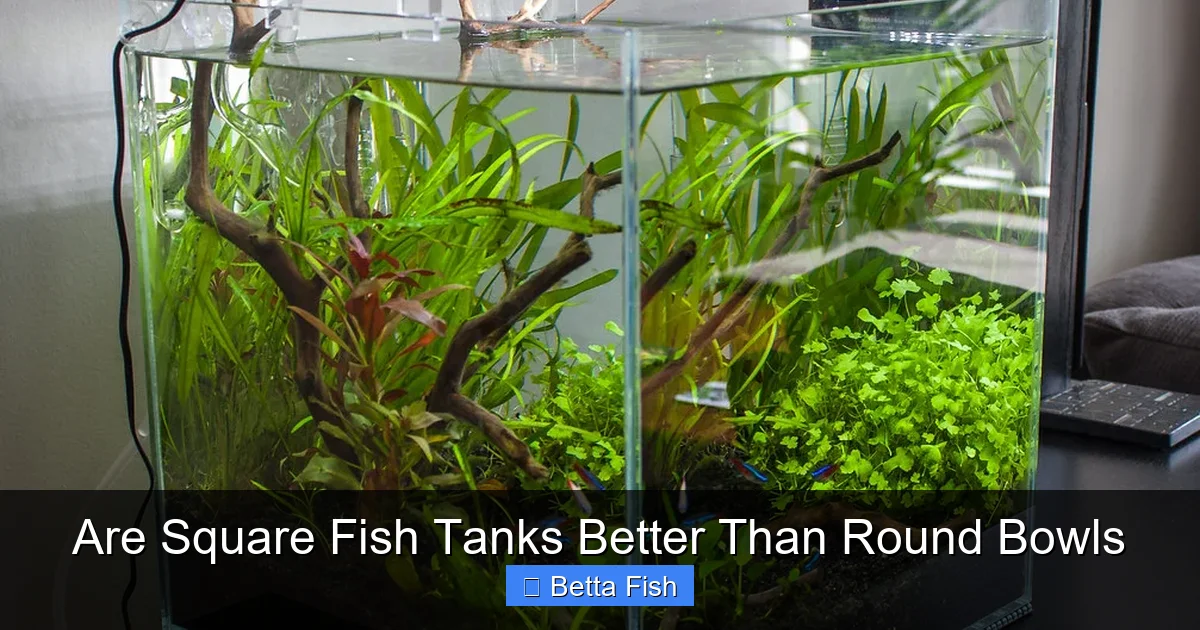
Betta fish love to flare their fins and explore. In a round bowl, the curved walls can feel cramped, limiting horizontal movement. In contrast, a square tank provides straight walls that create clear “zones” for swimming, hiding, and displaying.
Visual guide about Are Square Fish Tanks Better Than Round Bowls
Image source: farm9.staticflickr.com
Behavioral benefits
Studies from hobbyists show that bettas in larger, square tanks display more natural behaviors—like building bubble nests and performing their signature “galloping” display. Reduced stress also means fewer fin rot incidents and a stronger immune system.
3. Water Quality and Filtration: Easier to Keep Clean
Filtration options
Square tanks accept a wider range of filter types—hang‑on‑back, sponge, or even a small canister. The straight walls allow even water flow and prevent dead spots where waste can accumulate. Round bowls often rely on cheap sponge filters or no filter at all, leading to rapid ammonia spikes.

Visual guide about Are Square Fish Tanks Better Than Round Bowls
Image source: ae01.alicdn.com
Cleaning simplicity
When it’s time to change water, a square tank’s flat sides make a scraper or sponge glide smoothly. In a bowl, the curve can hide algae and make scrubbing tedious, increasing the chance of missed spots.
4. Decoration and Plant Life: Making a Home, Not a Bowl
Live plants thrive better in square tanks
Live plants need stable roots, proper lighting, and space. Flat sides let you anchor plants securely, and the extra surface area provides more room for root growth. This not only looks beautiful but also improves water quality by absorbing nitrates.
Aesthetics and creativity
With a square tank you can create layers—background, midground, foreground—just like an aquarium designer. Round bowls limit you to a single “panorama,” which can look flat and less engaging for both you and your betta.
5. Cost, Availability, and Practical Considerations
Price comparison
Today’s market shows that a 2‑gallon square tank often costs only $5‑$10 more than a comparable round bowl. The extra cost buys you a more stable environment, better filtration options, and a longer lifespan for the tank itself.
Space and placement
Square tanks fit neatly against walls, desks, or shelves, using space efficiently. Round bowls need a clear area around them to avoid tipping and to allow easy access for cleaning.
6. When a Round Bowl Might Still Work
Short‑term setups or breeding
If you need a temporary home—perhaps while waiting for a larger tank— a round bowl can suffice. Just be sure to add a reliable heater, a small sponge filter, and perform daily water changes.
Choosing the right bowl
Pick a bowl that holds at least 5‑6 gallons. Smaller bowls (< 2 gallons) are the biggest culprit behind poor betta health, as explained in Why Are Betta Fish Kept In Small Bowls. Larger round containers reduce the stress caused by limited space.
Conclusion: The Verdict
So, are square fish tanks better than round bowls? For most betta owners, the answer is a resounding yes. Square tanks provide more surface area, steadier temperatures, easier filtration, and a canvas for creative decoration—all of which translate into a healthier, happier fish.
That said, a well‑maintained round bowl can work if you’re diligent about water changes, heating, and filtration. The key is to understand the limitations of each shape and to give your betta the space it truly needs.
Ready to upgrade? Start by measuring the space you have, set a budget of $20‑$30 for a 2‑5 gallon square tank, and add a gentle filter and heater. Your betta will thank you with brighter colors and more flamboyant fin displays.
Frequently Asked Questions
Do bettas need more than 5 gallons of water?
While bettas can survive in smaller containers, a 5‑gallon square tank gives them room to swim, stable temperature, and better water quality.
Can I use a heater in a round bowl?
Yes, but the heater must be submersible and you’ll need to monitor temperature closely because bowls lose heat faster.
What type of filter is best for a square tank?
A low‑flow sponge filter or a hang‑on‑back filter works well, providing gentle water movement without stressing the betta.
How often should I change the water in a round bowl?
At least 30% weekly, or more often if you notice cloudiness or a rise in ammonia levels.
Is it okay to keep live plants in a round bowl?
It’s possible, but the limited space makes root anchoring difficult; a square tank is far more plant‑friendly.
Will a square tank help my betta build a bubble nest?
Yes, the extra surface area and stable water conditions encourage natural nest‑building behavior.