Are Some Betta Fish Shy
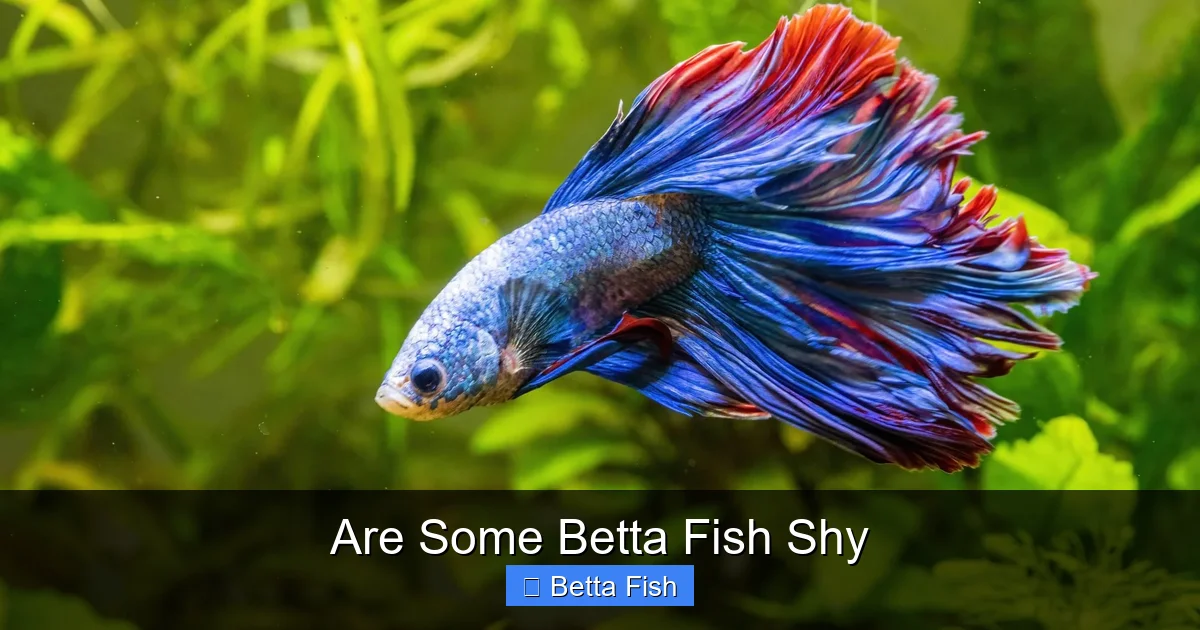
Betta fish aren’t always the bold, flamboyant fighters we picture. Many are naturally shy and need a calm environment to feel safe. Understanding their timid side helps you create a stress‑free tank, promoting vibrant colors and healthy growth.
Key Takeaways
- Shy behavior is normal: Not all bettas are aggressive; many prefer hiding.
- Tank setup matters: Plants, caves, and proper lighting reduce stress.
- Social cues differ: Male and female bettas show shyness in different ways.
- Health signals: A shy betta may be ill; watch for faded colors and fin damage.
- Gradual acclimation: Introducing a new betta slowly helps build confidence.
- Observation is key: Regularly note behavior to catch changes early.
- Gentle handling: Minimal disturbance keeps shy bettas calm and active.
📑 Table of Contents
Introduction: The Quiet Side of the Siamese Fighting Fish
When most people think of betta fish, the first image that pops into their mind is a bright, flaring male showing off his fins like a tiny superhero. The truth is a bit more nuanced. While many bettas love to display, a surprising number are quite shy. They tuck themselves behind plants, linger near the tank’s corners, and avoid the usual “show‑off” behavior.
Understanding why are some betta fish shy helps you become a better caretaker. It also means you’ll enjoy a healthier, more colorful companion that isn’t constantly stressed. In this guide we’ll explore the reasons behind shyness, how to spot it, and practical steps to create a supportive home for even the most timid betta.
1. What Makes a Betta Shy?
Genetics and Species Variations
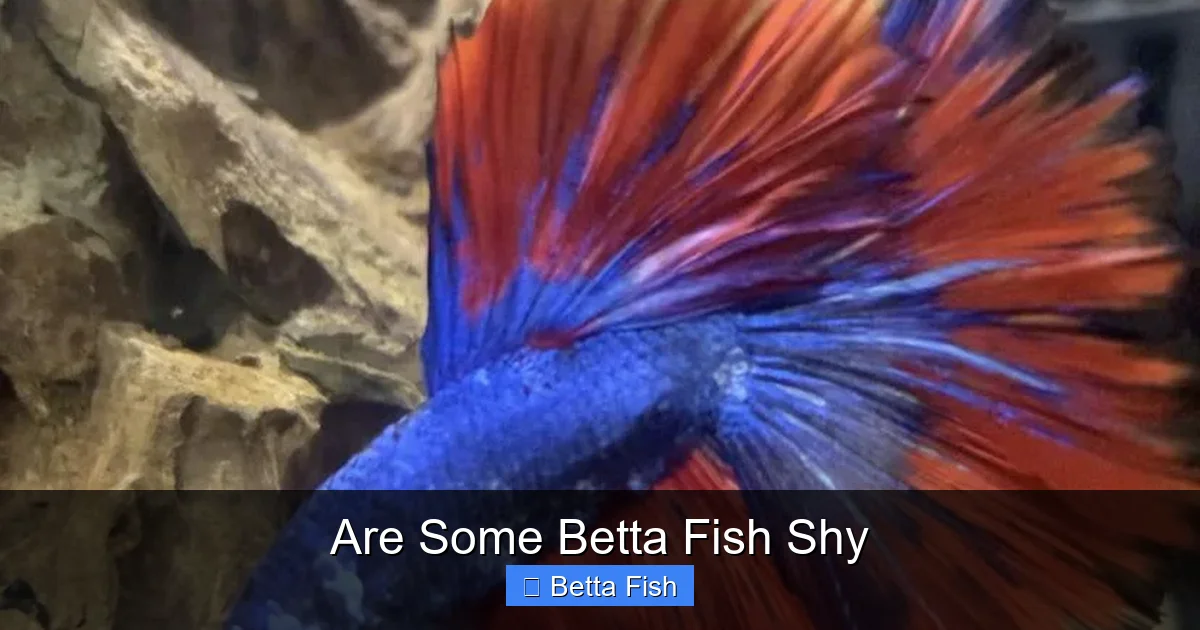
Just like people, bettas inherit personality traits from their parents. Some strains, especially wild‑type and certain half‑moon varieties, are naturally less confrontational. Their ancestors lived among dense vegetation in Thai rice paddies, where hiding was a survival skill.
Visual guide about Are Some Betta Fish Shy
Image source: i.redd.it
Environmental Stressors
Bright lights, noisy rooms, and constant movement can overwhelm a betta. If the water parameters swing dramatically—temperature, pH, or ammonia spikes—the fish will retreat to the safest spot it can find.
Previous Social Experience
Betas that have been bullied by other fish, or have seen other males fight, may develop a cautious demeanor. Even a single aggressive encounter can teach a betta that the world is a dangerous place.
Sex Differences
Male bettas are often the show‑offers, but not all are bold. Some males are naturally more reserved, especially if they have been raised with other males in close proximity. Female bettas, on the other hand, tend to be less aggressive overall, and many display shy behavior from the start.
2. Recognizing Shy Behavior in Your Betta
Hiding Spots and Positioning
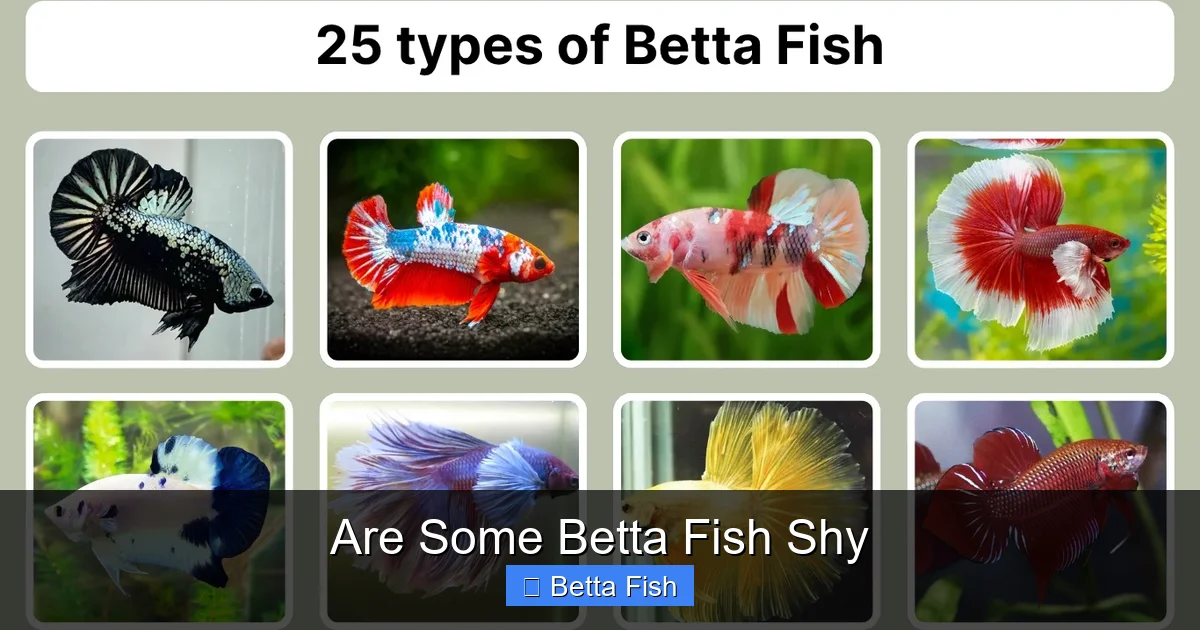
A shy betta will spend most of its time near the bottom, pressed against the glass, or tucked behind decorations. If you notice your fish rarely swimming the mid‑water column, it may be a sign of timidity.
Visual guide about Are Some Betta Fish Shy
Image source: spiderzoon.com
Lack of Fin Flaring
Instead of expanding its gorgeous fins, a shy betta keeps them folded close to its body. This is not a sign of illness—just a reluctance to draw attention.
Feeding Hesitation
When you sprinkle food into the tank, a timid betta may linger near the surface but never actually take the bite. You might need to use a feeding stick or place food right at the corner where it hides.
Color Dulling
Stress can cause a betta’s colors to fade. If a normally bright fish looks pale, check for other stress signs before assuming a disease.
3. Creating a Shy‑Friendly Tank Setup
Planted Hideaways
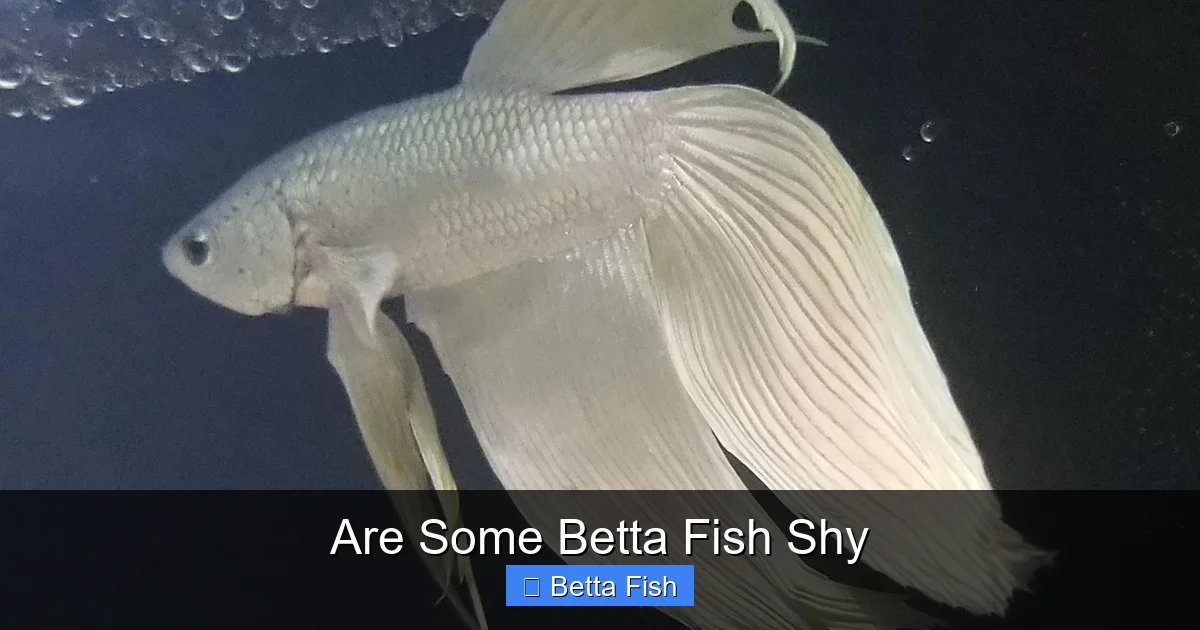
Live plants such as Java fern or Anubias provide natural cover. Even silk plants work well and are easier to maintain.
Visual guide about Are Some Betta Fish Shy
Image source: i.redd.it
Provide Caves and Ornaments
Small ceramic caves, PVC pipes, or driftwood logs give a shy betta a place to retreat. Make sure any decorations have no sharp edges that could tear delicate fins.
Lighting and Day‑Night Cycle
Use a gentle LED light on a 10‑hour on/14‑hour off schedule. Dimmer lighting during the “night” period mimics the betta’s natural environment and reduces anxiety.
Water Quality is Non‑Negotiable
Maintain temperature between 76‑82°F (24‑28°C), keep ammonia and nitrite at 0 ppm, and change 25‑30 % of water weekly. Stable water conditions are the foundation of a confident fish.
4. Gentle Interaction Techniques
Slow Introductions
If you’re adding a new betta to an existing tank (only possible with a divider), let the fish see the other side for a few days before removing the barrier. This reduces shock.
Hand‑Feeding and Target Training
Using a small pipette, offer a tiny dab of bloodworm directly to the betta’s mouth. Over time, the fish learns to associate your presence with food, building trust.
Avoid Over‑Handling
Only net the fish when absolutely necessary. When you must move it, use a soft, fine‑mesh net and keep movements calm.
Observing Body Language
Learn the subtle signs: a slightly raised dorsal fin, gentle side‑to‑side swimming, or a calm hover near the surface are all positive indicators that the betta is becoming comfortable.
5. When Shyness Signals a Problem
Health Check
Sometimes shyness masks illness. Look for white spots, frayed fins, or labored breathing. If you spot any, consult a vet or an experienced aquarist.
Stress‑Induced Color Loss
Prolonged stress can lead to permanent color fading. If your betta’s hues don’t improve after adjusting the tank, consider a temporary “quiet period” with reduced lighting and fewer decorations.
Compatibility Issues
While bettas are often kept alone, some owners try community setups. A shy betta may feel threatened by fast‑moving fish. If you must share the tank, choose peaceful species like small rasboras or neon tetras and keep the betta’s territory well‑defined.
6. Real‑World Success Stories
Case Study: The Timid Half‑Moon
Emily bought a half‑moon male that spent all day behind a leaf. She added a silk plant, dimmed the light, and hand‑fed him daily. Within two weeks the fish began to explore, and his colors brightened dramatically.
Case Study: The Female “Wallflower”
Mark’s female betta hid behind a rock and barely ate. He introduced a small bubble nest maker and a floating leaf surface. After a week she ventured out to the surface for food, and her fins grew stronger.
Conclusion: Embrace the Quiet Betta
Not every betta is a flamboyant show‑off. Many are shy, and that’s perfectly natural. By recognizing the signs, providing plenty of hiding places, and keeping water conditions stable, you can coax even the most timid fish into a happy, healthy life. Remember, a shy betta that feels safe will eventually display the brilliant colors that made you fall in love with the species in the first place.
Enjoy the journey of getting to know your betta’s unique personality—because a calm, confident fish is a joy to watch every day.
Frequently Asked Questions
Why does my betta hide most of the time?
Hiding is a common sign of shyness or stress. Check water parameters, provide plants or caves, and reduce sudden movements around the tank.
Can lighting affect a betta’s confidence?
Yes. Bright, harsh lighting can stress a shy betta. Use a soft LED on a regular day‑night cycle to create a calm environment.
Is it normal for a shy betta to have dull colors?
Dull colors often indicate stress. Improving tank conditions and adding hiding spots usually restores vibrancy.
Should I keep a shy betta alone?
Keeping a shy betta alone is safest. If you want a community tank, choose very peaceful tank mates and ensure plenty of territory.
How can I tell if shyness is actually a health issue?
Look for additional symptoms like white spots, torn fins, or labored breathing. If any appear, treat the underlying health problem promptly.
Do male and female bettas show shyness differently?
Male bettas may hide but still flare occasionally, while females often stay low in the water column and are less likely to display fins.