Betta fish do lay eggs, but only under specific conditions. Females release a clutch after mating, and the male guards them until they hatch. Proper tank setup, water parameters, and nutrition are key to successful breeding.
Key Takeaways
- Betta fish lay eggs: Only females produce eggs, and they need a male’s courtship to fertilize them.
- Temperature matters: Warm water (78‑80°F / 25‑27°C) triggers spawning behavior.
- Tank setup is crucial: Use a separate breeding tank with plants or a spawning mop.
- Male guardianship: After fertilization, the male protects the eggs until they hatch.
- Egg care: Remove the male after hatching to prevent him from eating fry.
- Feeding fry: Start with infusoria, then move to baby brine shrimp as they grow.
- Patience pays off: Not every pairing will spawn; keep trying with healthy, mature bettas.
📑 Table of Contents
- Introduction: Why the Question Comes Up
- 1. The Biology Behind Egg‑Laying
- 2. Setting Up the Perfect Breeding Environment
- 3. Introducing the Pair: Courtship and Mating
- 4. Caring for the Eggs and Fry
- 5. Common Mistakes and How to Avoid Them
- 6. When Breeding Isn’t Working: Troubleshooting
- Conclusion: Celebrate the Tiny Miracle
Introduction: Why the Question Comes Up
If you’ve ever watched a betta swim in circles, flaring its fins, you might wonder, “are betta fish suposed to lay?” The short answer is yes—female bettas lay eggs, but the process is a bit more involved than most people expect. Many new owners think bettas are just decorative pets that never reproduce, especially because they’re often kept alone in tiny bowls.
Understanding the breeding cycle helps you provide the right environment, avoid common mistakes, and enjoy the fascinating sight of tiny betta fry hatching. In this guide we’ll break down everything from the biology of egg‑laying to step‑by‑step tips for a successful spawn.
1. The Biology Behind Egg‑Laying
Male vs. Female Roles
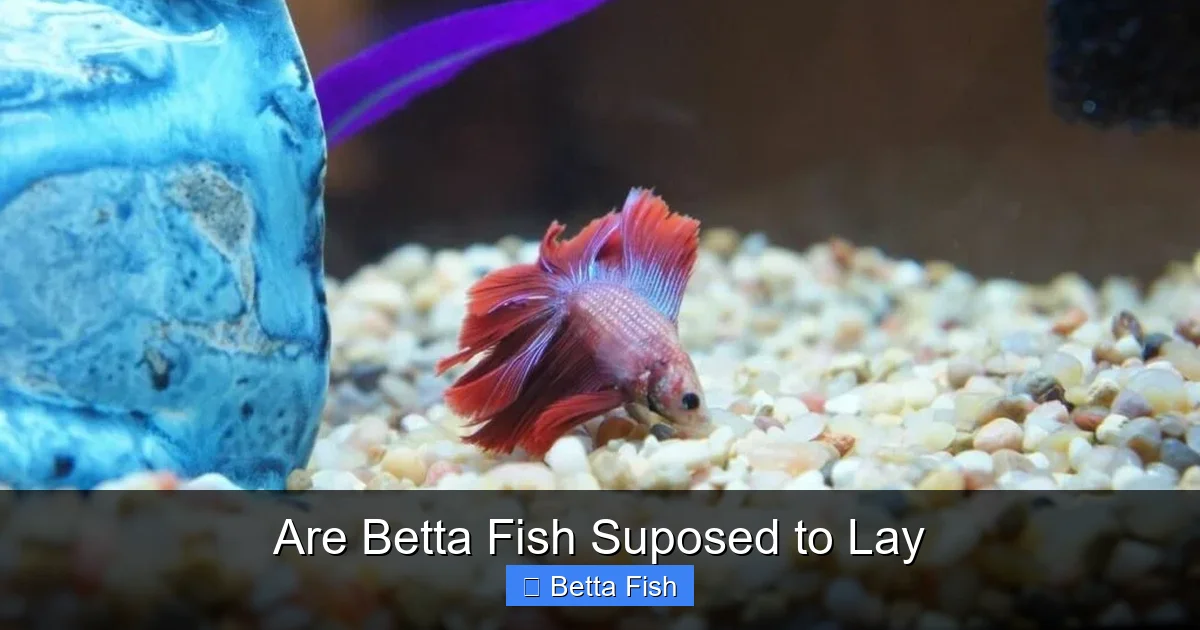
Only the female betta has the ability to lay eggs. She carries mature eggs in her ovaries and releases them when she feels ready. The male’s job is to court her, fertilize the eggs, and then guard the clutch until the babies hatch.
Visual guide about Are Betta Fish Suposed to Lay
Image source: aquariumsource.com
When Does a Female Release Eggs?
Egg release, or “spawning,” usually occurs when the fish are:
- Between 4‑6 months old (sexual maturity).
- In warm water (78‑80°F or 25‑27°C).
- Exposed to a healthy, active male that displays bright colors and flares his gills.
Temperature is a big trigger; a sudden drop can stop a ready female from laying.
2. Setting Up the Perfect Breeding Environment
Choosing the Right Tank
A dedicated breeding tank of 5‑10 gallons works best. It should be separate from any other fish to avoid stress. Use a sponge filter to keep water flow gentle—strong currents can damage delicate eggs.
Visual guide about Are Betta Fish Suposed to Lay
Image source: worldanimalfoundation.org
Plants, Mops, and Hiding Spots
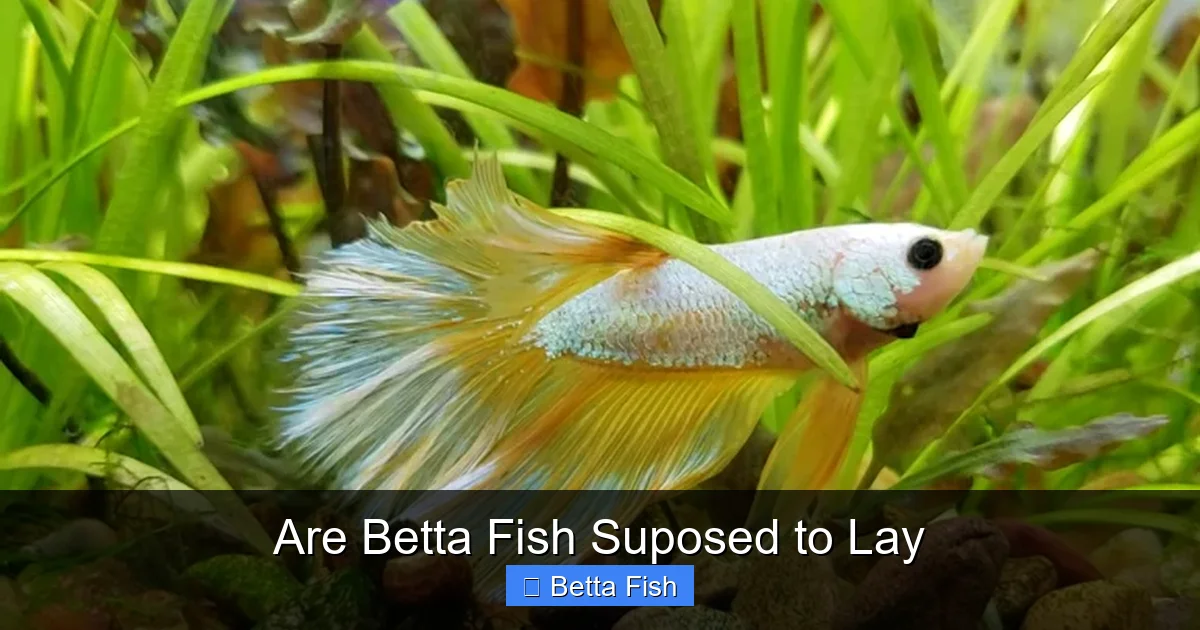
Female bettas like to deposit eggs on fine leaves, floating plants, or a spawning mop made of synthetic fibers. Live plants such as Java moss are ideal because they provide a natural surface and help keep water quality high.
For more ideas on live plants, check out our guide on where to buy live plants for betta fish.
Water Parameters
- Temperature: 78‑80°F (25‑27°C).
- pH: 6.5‑7.5.
- Soft to moderately hard water (50‑150 ppm GH).
Perform a small water change (20‑30%) a day before introducing the pair to keep the environment pristine.
3. Introducing the Pair: Courtship and Mating
How to Tell If Betta Fish Are Male or Female
Before you even think about spawning, you need to know the gender. Males have longer, more elaborate fins and a broader “face,” while females have shorter fins and a more rounded body. Learn more in our article how to tell if betta fish are male or female.

Visual guide about Are Betta Fish Suposed to Lay
Image source: i.ytimg.com
The Dance of Love
When the male spots a receptive female, he will flare his gills, spread his fins, and perform a “bubble nest” ritual—building a floating nest of bubbles at the water surface. The female will respond by approaching, shaking her body, and eventually laying a clutch of 20‑30 eggs.
Fertilization Process
After the female releases the eggs, the male quickly gathers them in his mouth and releases them into the bubble nest, simultaneously fertilizing each egg. This can look frantic, but it’s a natural, efficient system.
4. Caring for the Eggs and Fry
Male Guard Duty
The male will guard the nest for 2‑3 days, keeping the eggs clean and aerated. He may even “massage” the eggs with his mouth to ensure good oxygen flow.
When to Intervene
If the male shows signs of stress—such as loss of color or constant hiding—consider moving the eggs to a separate rearing tank. Once the fry hatch (usually 24‑36 hours after fertilization), remove the male to prevent him from eating the newborns.
Feeding the Tiny Fry
- Day 1‑3: Infusoria (microscopic organisms) or commercial liquid fry food.
- Day 4‑7: Baby brine shrimp (nauplii) once the fry are large enough to see.
- After 2 weeks: Gradually introduce finely crushed high‑protein pellets.
Consistent, small feedings (3‑4 times a day) keep the fry healthy and growing.
5. Common Mistakes and How to Avoid Them
Using the Wrong Tank Size
Breeding in a tiny bowl leads to poor water quality and high egg mortality. Always use a separate, adequately sized tank.
Ignoring Water Quality
Even a small ammonia spike can kill eggs. Test water daily and perform partial changes as needed.
Feeding Inadequate Nutrition
Both parents need a protein‑rich diet before spawning. Offer high‑quality betta pellets, frozen or live foods like daphnia, and occasional brine shrimp.
Not Recognizing When Females Are Ready
A ready female will display a “gravid” belly—slightly swollen and more rounded. Patience is key; forcing a pair together can cause stress and aggression.
6. When Breeding Isn’t Working: Troubleshooting
Pairs Not Spawning
If weeks pass without any spawning behavior, check:
- Water temperature—raise it a degree.
- Age—both fish should be at least 4‑5 months old.
- Health—any signs of disease can halt reproduction.
Eggs Not Hatching
Possible reasons include low temperature, poor oxygenation, or fungal infection. Adding a few drops of antifungal medication (safe for bettas) can help, but prevention is better: keep water clean and maintain proper temperature.
Male Eating the Eggs
This happens if the male feels threatened or if the eggs are not properly placed in the bubble nest. Ensure the nest is sturdy and the tank is free from sudden movements or loud noises.
Conclusion: Celebrate the Tiny Miracle
So, are betta fish suposed to lay eggs? Absolutely—when the conditions are right, a female will lay a clutch, and a diligent male will guard them until the fry emerge. By providing the correct temperature, a well‑equipped breeding tank, and proper nutrition, you can witness one of the most rewarding experiences in the betta hobby.
Remember, breeding is a learning curve. Each attempt teaches you more about water chemistry, fish behavior, and the delicate balance of life under the surface. Keep a journal, stay patient, and soon you’ll be counting tiny, wriggling betta fry swimming around your tank.
Frequently Asked Questions
Do betta fish lay eggs without a male?
No. Female bettas can release eggs, but they remain unfertilized and will not develop without a male’s sperm.
How many eggs does a female betta typically lay?
A healthy female usually lays 20‑30 eggs per spawn, though larger or older females can produce up to 100.
Can I keep the male betta in the same tank after the fry hatch?
It’s best to remove the male once the fry have hatched. Even caring males may eat the tiny fry if left together.
What water temperature is ideal for betta spawning?
Maintain a stable temperature of 78‑80°F (25‑27°C). Slightly warmer water can speed up development, but avoid exceeding 82°F.
Do betta fry need special lighting?
Provide gentle, indirect light. Too much brightness can stress the fry, while complete darkness can hinder growth.
How long does it take for betta eggs to hatch?
Eggs typically hatch within 24‑36 hours after fertilization, depending on temperature and water quality.

