Betta fish can survive in a bowl, but it’s far from ideal. Proper filtration, heating, and space are essential for a healthy, happy betta, making a small aquarium a far better choice than a traditional bowl.
Key Takeaways
- Understanding are betta fish okay in bowls: Provides essential knowledge
📑 Table of Contents
- Introduction: The Bowl Debate
- Understanding Betta Needs
- Bowls vs. Tanks: The Core Differences
- Can a Bowl Work? Practical Tips for Short‑Term Use
- Why Upgrading to a Tank Is the Best Choice
- Step‑by‑Step Guide: Setting Up the Ideal Betta Tank
- Common Mistakes and How to Avoid Them
- Conclusion: Make the Right Choice for Your Betta
Introduction: The Bowl Debate
When you first see a betta fish—those dazzling colors, flowing fins, and the famous “fighting” reputation—it’s tempting to think a tiny bowl will do the trick. After all, they’re called “Siamese fighting fish,” and many pet stores still display them in little plastic containers. But is a bowl really a safe, comfortable home?
In this article we’ll walk through the science of betta biology, the practical pros and cons of bowl‑keeping, and step‑by‑step guidance on how to make a bowl as healthy as possible—if you must. Most importantly, we’ll show why a modest aquarium (5‑10 gallons) is the gold standard for a thriving betta.
Understanding Betta Needs
Natural habitat and behavior
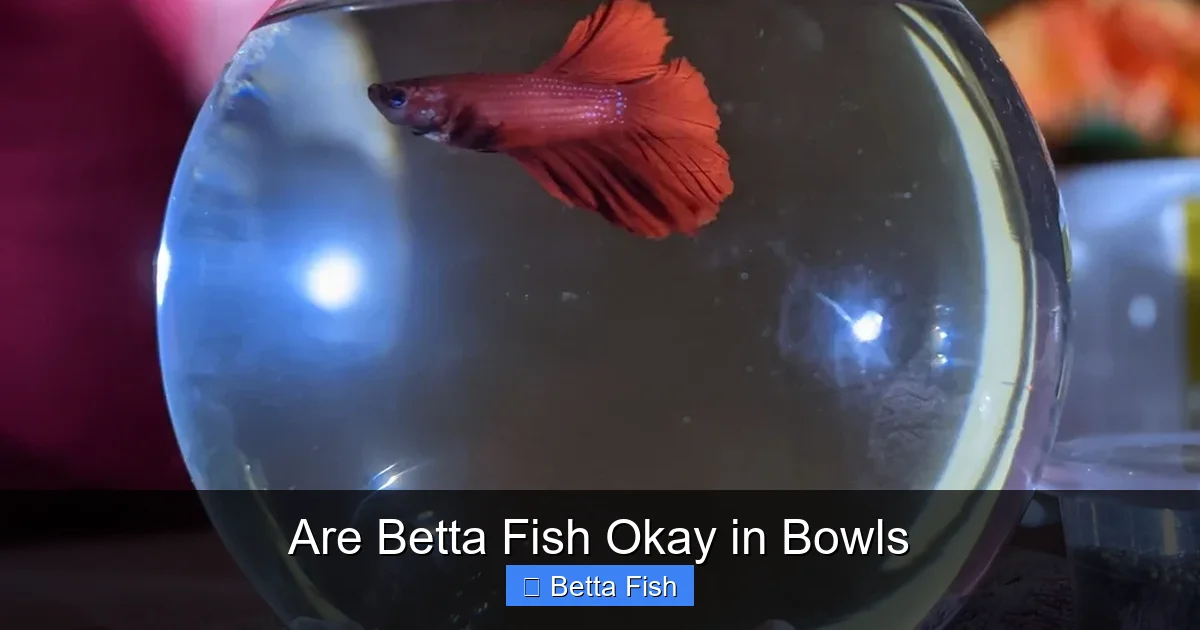
Betta fish hail from the shallow, warm waters of Thailand, Malaysia, and Cambodia. In the wild they inhabit rice paddies, slow‑moving streams, and dense vegetation where water is warm (78‑82°F) and slightly acidic. They are used to hiding among plants and can survive low‑oxygen conditions thanks to a unique organ called the labyrinth.
Visual guide about Are Betta Fish Okay in Bowls
Image source: fishlab.com
Why they’re often seen in small containers
The myth that bettas can live forever in a cup stems from their ability to gulp air from the surface. However, this adaptation is a survival trick, not a sign of comfort. Articles like Why Are Betta Fish Kept In Small Bowls explain that early sellers used bowls because they’re cheap and visually appealing, not because they’re best for the fish.
Basic requirements
- Temperature: Stable 78‑82°F (25‑28°C) year‑round.
- Water quality: Low ammonia, nitrite, and nitrate levels.
- Space: Minimum 5 gallons to allow natural swimming and reduce stress.
- Enrichment: Plants or decorations to rest their fins.
Bowls vs. Tanks: The Core Differences
Volume and surface area
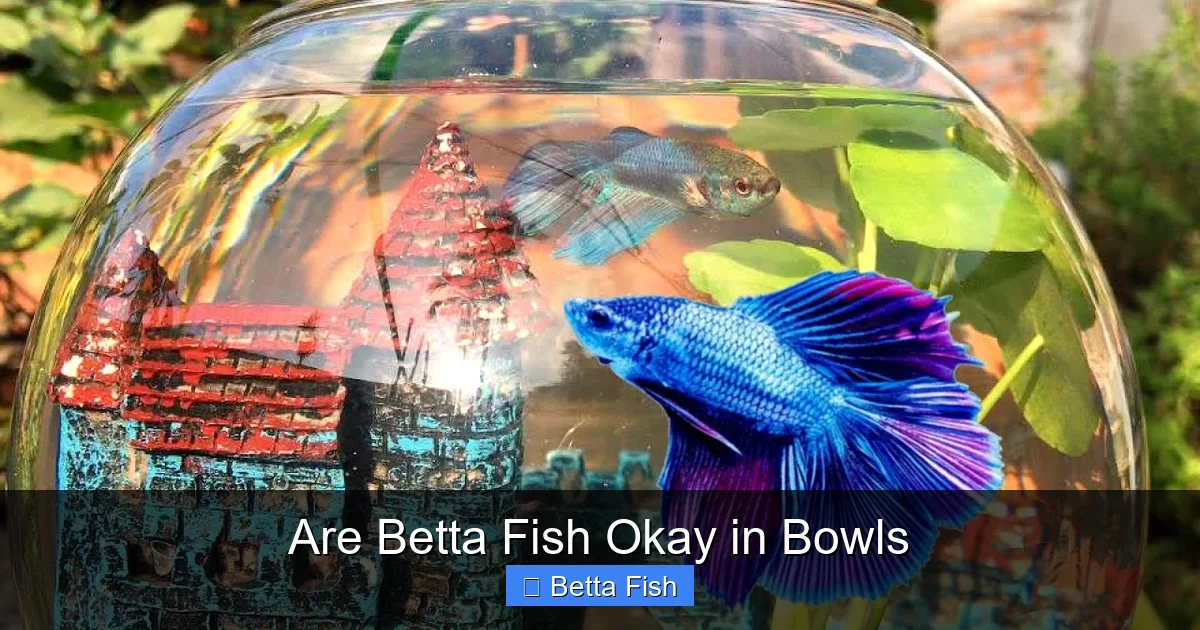
A typical glass bowl holds 1‑2 gallons, while a 5‑gallon tank offers at least three times the water volume. More water means slower temperature changes and better dilution of waste.
Visual guide about Are Betta Fish Okay in Bowls
Image source: i.ytimg.com
Filtration and aeration
Bowls usually lack filtration. Without a filter, waste products accumulate quickly, causing ammonia spikes that can be fatal. A gentle sponge filter or a low‑flow hang‑on‑back unit (HOB) is ideal for bettas, providing both mechanical and biological filtration without a strong current that would stress their delicate fins.
Heating
Temperature swings are the biggest hidden danger in a bowl. Sunlight can overheat the water, while night‑time drops can plunge it below safe levels. An aquarium heater set to 80°F maintains a stable environment.
Decor and hiding spots
In a bowl, décor options are limited. Sharp plastic ornaments can tear fins, while bare glass offers nothing to explore. A tank lets you add live plants, silk leaves, or smooth rocks that mimic a betta’s natural habitat.
Can a Bowl Work? Practical Tips for Short‑Term Use
If you’ve already bought a bowl or need a temporary home while waiting for a tank, follow these guidelines to keep your betta safe.
Visual guide about Are Betta Fish Okay in Bowls
Image source: 1.bp.blogspot.com
1. Choose the largest bowl possible
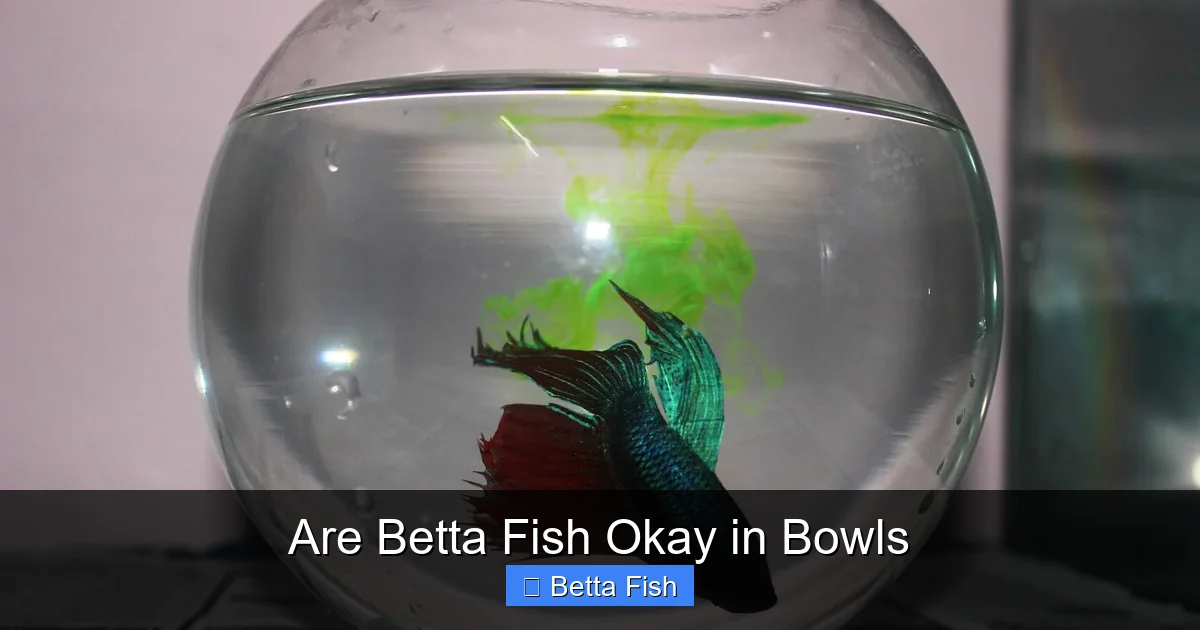
Even a 2‑gallon bowl is better than a 500‑ml cup. Look for a wide, shallow shape that gives the fish room to glide horizontally.
2. Add a reliable heater
Submersible heaters with an automatic shut‑off are best. Use a thermometer to double‑check the temperature daily.
3. Use a small, gentle filter
A sponge filter attached to an air pump provides biological filtration without creating a strong current. Change the sponge every two weeks.
4. Perform frequent water changes
Without robust filtration, change 25‑30% of the water every 2‑3 days. Use a water conditioner to remove chlorine and chloramine.
5. Provide enrichment
Place a piece of smooth driftwood, a silk leaf, or a live plant like Java moss. These give the betta places to rest and reduce boredom.
6. Monitor for stress signs
Rapid gill movement, faded colors, or torn fins mean the environment is too harsh. Move the fish to a proper tank immediately.
Why Upgrading to a Tank Is the Best Choice
Long‑term health benefits
Studies show bettas in 5‑gallon tanks live 2‑3 years longer than those in bowls. The stable temperature, cleaner water, and space to exercise lower stress hormones and boost the immune system.
Better breeding conditions
If you ever want to breed bettas, a tank with a separate breeding jar is essential. Bowls cannot provide the needed isolation and water quality for fry survival.
Ease of maintenance
With a proper filter, you’ll only need to do a 20‑30% water change once a week, compared to daily changes in a bowl. This saves time and reduces the risk of accidental over‑cleaning.
Peace of mind
Knowing your fish lives in a stable, enriched environment lets you enjoy its colors and personality without constant worry.
Step‑by‑Step Guide: Setting Up the Ideal Betta Tank
Step 1: Choose the right tank
Pick a 5‑gallon glass or acrylic tank with a lid. A lid prevents jumps—betas are known to leap when startled.
Step 2: Add substrate and décor
- Use fine gravel or sand (1‑inch depth) to mimic riverbeds.
- Insert live plants (e.g., Java fern, Anubias) or silk leaves.
- A piece of driftwood adds hiding spots and natural tannins.
Step 3: Install heater and filter
Place a submersible heater near the tank’s side, set to 80°F, and a low‑flow sponge filter on the opposite side. Let both run for 24 hours before adding fish to stabilize temperature.
Step 4: Cycle the tank
Even a small tank needs a nitrogen cycle. Add a small amount of fishless water conditioner and a few drops of pure ammonia daily for a week, testing for nitrite and nitrate. Once the cycle completes (usually 2‑3 weeks), you’re ready for the betta.
Step 5: Introduce your betta
Float the bag containing the betta in the tank for 15 minutes to equalize temperature, then gently release it. Observe for at least 30 minutes to ensure normal swimming and no signs of stress.
Step 6: Ongoing care
- Test water weekly for ammonia, nitrite, and nitrate.
- Change 20‑30% of water every week.
- Trim any dead plant leaves to keep water quality high.
- Feed high‑quality betta pellets 2‑3 times daily, only what they can eat in 2 minutes.
Common Mistakes and How to Avoid Them
Overfeeding
Betta stomachs are tiny—overfeeding leads to constipation and cloudy water. Stick to a small portion and skip feeding on weekends.
Using inappropriate décor
Sharp plastic ornaments can tear fins, leading to fin rot. Choose smooth, betta‑safe items.
Neglecting water changes
Even with a filter, waste builds up. Set a calendar reminder for weekly water changes.
Ignoring temperature fluctuations
Place the tank away from windows, heaters, or air conditioners. Use a reliable thermometer.
Conclusion: Make the Right Choice for Your Betta
While a bowl can keep a betta alive for a short period, it falls short of providing the stable, enriched environment the fish needs to truly thrive. By upgrading to a modest 5‑gallon aquarium, you give your betta the space, clean water, and temperature stability that translate into vibrant colors, active behavior, and a longer, healthier life. If you’re starting out, invest in a proper tank now—it’s the best gift you can give your new finned friend.
Frequently Asked Questions
Can betta fish live in fish bowls?
Betta fish can survive in bowls for a short time, but the lack of filtration, heating, and space makes it a poor long‑term home. A tank is strongly recommended.
How big should a betta tank be?
The minimum size is 5 gallons. Larger tanks (10 gallons) provide even more stability and room for live plants.
Do bettas need a heater in a bowl?
Yes. Without a heater, water temperature can drop at night or spike in direct sunlight, both of which stress the fish.
What are the signs that a bowl is harming my betta?
Look for rapid gill movement, faded coloration, torn fins, or a listless demeanor. These indicate poor water quality or temperature stress.
How often should I change water in a bowl?
In a bowl with no filter, change 25‑30% of the water every 2‑3 days. With a filter, weekly 20‑30% changes are sufficient.
Can I add live plants to a betta bowl?
Yes, but choose hardy, low‑light plants like Java moss or Anubias. They help oxygenate the water and provide natural hiding spots.

