Why Is My Betta Fish Staying at Top of Tank
Betta fish often hang out near the water’s surface for a reason. This article explains the common causes—like water quality, temperature, and stress—and shows you easy steps to create a comfortable environment. Follow the tips and your betta will feel safe, active, and happy.
Key Takeaways
- Surface‑dwelling is normal: Betta fish naturally explore the top for oxygen and territory.
- Poor water parameters push them up: High ammonia, low temperature, or low oxygen trigger surface‑seeking.
- Stress signs appear with other behaviors: Hiding, loss of color, or erratic swimming often accompany top‑only swimming.
- Simple fixes work fast: Adjust temperature, improve filtration, and add hiding spots.
- Monitor regularly: Weekly water tests and observation prevent problems before they become serious.
- Know when to seek help: Persistent top‑only swimming with loss of appetite may need veterinary attention.
- Internal resources: Use related guides on betta jumping, sleeping habits, and bubble‑nest behavior for a full picture.
📑 Table of Contents
Introduction: The Mystery of the Floating Betta
Imagine you’ve just set up a beautiful 5‑gallon aquarium for your new betta. The water is clear, the plants are swaying, and your fish is flashing brilliant colors. Then you notice something odd – he spends most of his day at the very top of the tank, barely moving down. You might wonder, “why is my betta fish staying at top of tank?”
First, relax. Betta fish are naturally curious and love the surface, but constant top‑only hanging can also be a cry for help. In this guide we’ll walk through the most common reasons, how to tell good from bad, and practical steps to keep your betta comfortable. By the end, you’ll feel confident that you’re giving your fish the best possible home.
1. Natural Reasons Betta Fish Prefer the Surface
1.1. Labyrinth Organ and Surface Breathing
Betta fish belong to the “labyrinth” family, meaning they have a special organ that lets them gulp air from the surface. This adaptation lets them survive in low‑oxygen waters, but it also means they often visit the top simply to breathe.

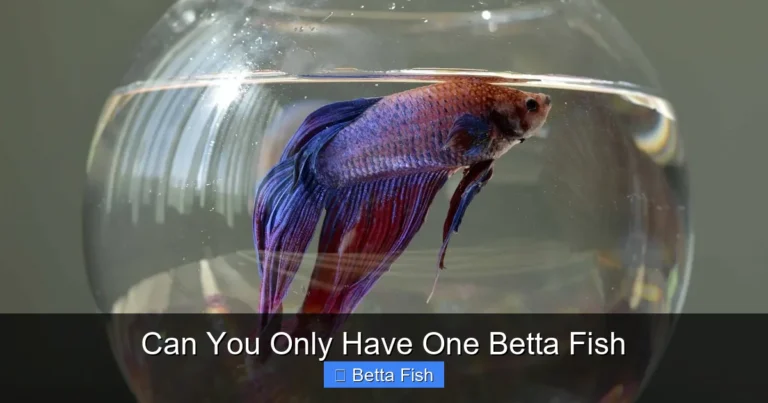
Visual guide about Why Is My Betta Fish Staying at Top of Tank
Image source: i.ytimg.com
1.2. Territory and Visibility
In the wild, male bettas guard a small territory near the water’s edge. In a tank, the surface becomes a “high ground” where they can watch for rivals and potential mates. If your tank has a lot of visual barriers, the top may feel like the safest spot.
2. Environmental Factors That Push Betta Fish Up
2.1. Water Temperature
Betta fish thrive at 76‑82°F (24‑28°C). Water that’s too cold can slow metabolism, making the fish seek warmer surface layers. Use a reliable heater and a thermometer to keep the temperature steady.
2.2. Oxygen Levels
Even though bettas can breathe air, low dissolved oxygen still stresses them. Stagnant water, overcrowding, or a weak filter can create low‑oxygen zones at the bottom, prompting the fish to stay near the surface.
2.3. Poor Water Quality
High ammonia, nitrite, or nitrate levels irritate gills and make the fish gasp at the top. Test the water weekly with a liquid test kit. If any parameter is out of range, perform a partial water change (25‑30%) and clean the substrate.
2.4. Inadequate Filtration
A filter that’s too weak for the tank volume can’t circulate water properly. Gentle flow is ideal for bettas – too strong a current drives them to the calm surface. Choose a sponge filter or a low‑flow hang‑on filter.
3. Behavioral and Health Signals
3.1. When Top‑Only Swimming Is Normal
If your betta also eats, explores, and shows normal coloration, occasional surface hanging is likely harmless. Many owners report their bettas “lounging” at the top during feeding time because they associate the surface with food.
3.2. Warning Signs to Watch For
- Loss of color or faded fins
- Frequent gulping of air with rapid gill movement
- Refusal to eat or spitting out food
- Floating sideways or upside‑down
- Excessive hiding under decorations
If you notice any of these alongside the top‑only behavior, investigate further. It could be a sign of disease, stress, or water problems.
3.3. Related Behaviors
Read more about do betta fish sleep at the top of the tank to understand if nighttime surfacing is part of a sleep pattern. Also, learn why betta fish are always on top for a deeper dive into natural tendencies.
4. Quick Fixes to Bring Your Betta Down
4.1. Adjust Temperature and Heater Placement
Place the heater near the middle of the tank, not at the bottom, to promote even heat distribution. Use a digital thermometer to verify stable readings.
4.2. Boost Oxygen Without Over‑Flowing
Adding a small air stone with a gentle bubble stream can raise dissolved oxygen. If you see bubbles constantly, ensure they’re not stressing the betta – a low‑flow bubble stone works best.
4.3. Improve Filtration Flow
Switch to a filter with adjustable flow. Direct the outflow away from the surface to avoid creating a “dead zone” at the bottom where the fish might feel unsafe.
4.4. Add Hiding Spots and Enrichment
Live plants, silk leaves, or PVC caves give your betta places to retreat. When the fish feels secure, it will explore all water levels.
4.5. Perform Regular Water Changes
Changing 25 % of the water weekly removes waste and keeps parameters stable. Use a water conditioner to neutralize chlorine and chloramines.
5. When to Seek Professional Help
5.1. Persistent Surface Dwelling with Other Symptoms
If your betta stays at the top for days, refuses food, and shows fading colors, it may be battling an infection (like fin rot or velvet). A veterinarian who specializes in fish can prescribe appropriate medication.
5.2. Sudden Changes in Behavior
A rapid shift from active swimming to staying at the top could indicate a spike in ammonia or a sudden temperature drop. Double‑check your test kit and heater, then act quickly.
5.3. Use of Trusted Resources
Our guide on why did my betta fish die all of a sudden outlines emergency steps you can take while awaiting professional advice.
Conclusion: Keep Your Betta Balanced and Happy
Understanding why is my betta fish staying at top of tank involves looking at both natural instincts and the environment you provide. By monitoring temperature, oxygen, and water quality, and by adding plenty of hiding spots, you can reduce stress and encourage your betta to explore the whole tank.
Remember, a happy betta is an active betta. Keep a weekly routine of testing, cleaning, and observation. If problems persist, don’t hesitate to consult a fish‑savvy vet. With a little care, your betta will go from surface‑bound to a vibrant, curious swimmer that brightens every corner of your home.
Frequently Asked Questions
Why does my betta fish stay at the top after I feed it?
Betta fish often associate the surface with food, especially if you sprinkle flakes or pellets from above. This learned behavior makes them linger near the water’s edge during feeding times.
Can low water temperature cause my betta to stay at the top?
Yes. Cold water slows metabolism, and the fish may seek the warmer surface layer. Keep the tank between 76‑82°F (24‑28°C) to prevent this.
Is it normal for a betta to breathe air at the surface?
Absolutely. Betta fish have a labyrinth organ that lets them gulp air, so occasional surface breathing is healthy and expected.
What water parameters should I check if my betta stays at the top?
Test for ammonia, nitrite, nitrate, pH, and temperature. High ammonia or nitrite and low temperature are the most common culprits.
How often should I change the water to stop top‑only swimming?
A 25‑30 % water change weekly is ideal. If parameters are off, increase to 50 % until they stabilize.
When should I consider taking my betta to a vet?
If the fish stays at the top for several days, loses appetite, shows faded colors, or swims erratically, seek professional advice promptly.