How Much Do You Feed a Baby Betta Fish
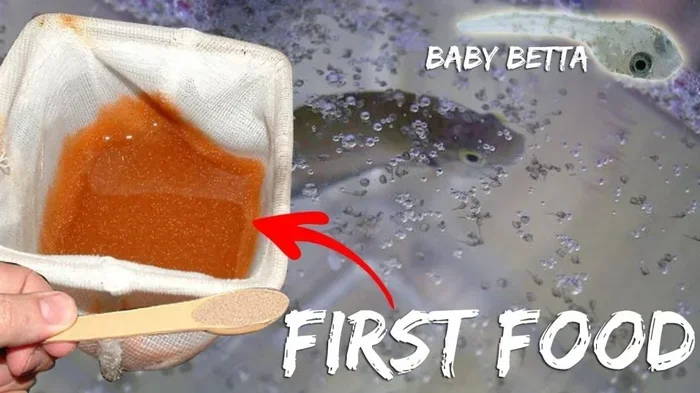
Feeding a baby betta fish the right amount is crucial for healthy growth and development. Baby bettas need small, frequent meals — typically 2 to 4 times per day — with tiny portions they can eat in under two minutes. Overfeeding is one of the most common mistakes new betta owners make, and it can lead to serious health problems for your little fry.
Bringing home a baby betta fish is exciting. Those tiny, vibrant colors and delicate fins can melt anyone’s heart. But new betta owners quickly realize that caring for a baby betta comes with big responsibilities. One of the most important things you need to get right is feeding.
How much do you feed a baby betta fish? This question matters more than most people think. Baby bettas, also called betta fry, have very different nutritional needs compared to adult bettas. Their tiny stomachs can only handle small amounts of food at a time. Feed too much, and you risk serious health problems. Feed too little, and your fry may struggle to grow.
Getting the feeding amount right sets the foundation for a healthy, happy betta. In this guide, we will walk you through everything you need to know about feeding your baby betta fish. We will cover portion sizes, feeding frequency, the best foods to use, and common mistakes to avoid. By the end, you will feel confident and ready to give your baby betta the best start in life.
Key Takeaways
- Feed baby bettas 3–4 times daily with very small portions to match their tiny stomachs and high energy needs.
- Use specialized betta fry food or crushed flakes to ensure proper nutrition without choking hazards.
- Watch for overfeeding signs like cloudy water, uneaten food, and bloating, and adjust portions immediately.
- Maintain clean water through frequent partial water changes to keep your baby betta healthy and thriving.
- Gradually transition food types as your baby betta grows from fry to juvenile stages.
- Establish a consistent feeding schedule to regulate metabolism and reduce stress in young bettas.
📑 Table of Contents
Understanding Baby Betta Fish Nutritional Needs
Baby betta fish grow incredibly fast during their first few weeks of life. This rapid growth demands a diet rich in protein and nutrients. Unlike adult bettas, fry need more frequent meals because their stomachs are tiny and their metabolism is fast.
Why Baby Bettas Need More Food Than Adults
A baby betta fish stomach is roughly the size of its eye. That means it cannot hold much food at once. However, the fry still burns through energy quickly as it grows. This creates a need for small, frequent meals throughout the day.
Adult bettas do well with two meals per day. Baby bettas, on the other hand, need to eat much more often. This is because their bodies are building muscle, developing fins, and forming their immune system. Every meal plays a role in this development.
The right betta fish nutrition for fry includes high-protein foods that are easy to digest. In the wild, betta fry eat tiny organisms like infusoria and baby brine shrimp. In captivity, we can replicate this with specially formulated fry foods and properly prepared adult foods.
Key Nutrients for Betta Fry Growth
- Protein: The most critical nutrient. Baby bettas need protein-rich food to build muscle and tissue.
- Fat: Provides energy for rapid growth and development.
- Vitamins: Especially vitamins A and C, which support immune function and overall health.
- Fiber: In small amounts, helps with digestion and prevents constipation.
When choosing food for your baby betta, look for products specifically designed for betta fry. These are formulated to meet the unique needs of growing fish. If you cannot find fry-specific food, you can use high-quality crushed flakes or freeze-dried foods that have been ground into very small pieces.
How Much Should You Feed a Baby Betta Fish
This is the core question every betta owner asks. The answer depends on the age of your fry, its current size, and the type of food you are using. But there are clear guidelines you can follow to get it right.
Portion Size Guidelines
A good rule of thumb for how much to feed a baby betta fish is to offer only what it can consume in under two minutes. For fry, this is an incredibly small amount. Think a few tiny flakes or a pinch of baby brine shrimp eggs.
Here is a simple breakdown by age:
- Newly hatched (0–2 weeks): Feed infusoria or liquid fry food, 4–5 times per day. Portions should be almost microscopic.
- Young fry (2–4 weeks): Feed crushed flakes or baby brine shrimp, 3–4 times per day. Portions should be tiny but visible.
- Older fry (4–8 weeks): Feed small flakes or pellets, 3 times per day. Portions can be slightly larger but still small.
The key is to start small and increase portions gradually as your betta grows. Always observe your fry during feeding time. If food is left uneaten after two minutes, you are giving too much. Remove the excess immediately to keep the water clean.
How Often to Feed Baby Betta Fish
Frequency matters just as much as portion size. Baby bettas have fast metabolisms that need regular fuel. Most experts recommend feeding baby bettas 3 to 4 times per day. This mimics the natural grazing pattern they would experience in the wild.
Spacing meals evenly throughout the day works best. For example, you might feed at 7 AM, 11 AM, 3 PM, and 7 PM. This consistent feeding schedule helps regulate digestion and prevents the fry from becoming stressed by irregular meal times.
If you are wondering how often do you feed a baby betta fish specifically, the answer is more often than adult bettas. Adult bettas do well on two meals a day, but baby bettas need that extra frequency to support their rapid growth phase. You can learn more about how often do you feed a betta fish in our detailed guide on adult feeding schedules.
Best Foods for Baby Betta Fish
Not all fish foods are created equal, especially for baby bettas. Fry need food that is small enough to eat and rich enough in nutrients to support their growth. Here are the best options.
Recommended Foods for Betta Fry
Liquid fry food: This is the best option for newly hatched baby bettas. Liquid foods are suspended in water and can be consumed by the tiniest fry. Brands like Liquifry are popular choices among betta breeders.
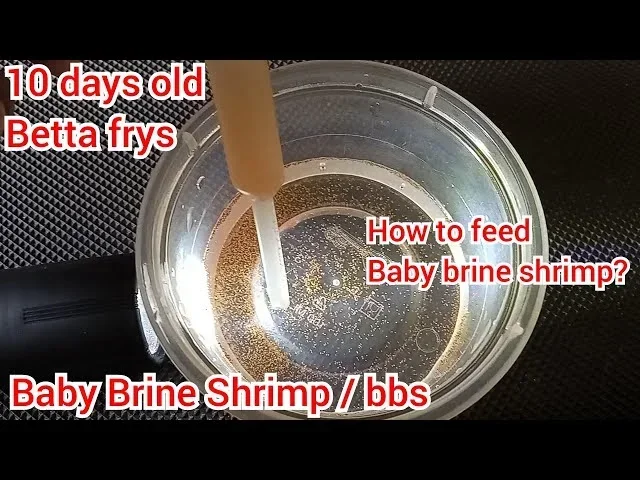
Baby brine shrimp: A live or frozen food that is packed with protein. Baby brine shrimp are an excellent first food for betta fry that are a few days old. They are small, nutritious, and encourage natural hunting behavior.
Crushed betta flakes: Once your fry are a week or two old, you can start offering crushed high-quality betta flakes. Place a small flake in a mortar and grind it into a fine powder. This makes it easy for young bettas to eat.
Micro worms: These tiny worms are an excellent live food source for betta fry. They are easy to culture at home and provide a balanced diet for growing fish.
Infusoria: A natural food source that grows in aquarium water. You can cultivate infusoria at home by placing a lettuce leaf in tank water and waiting a few days. It is the perfect first food for brand-new fry.
Foods to Avoid
Not everything that works for adult bettas is safe for fry. Here are foods you should avoid giving to baby bettas:
- Large flakes: Too big for tiny fry mouths and difficult to digest.
- Pellets: Even small pellets can be too large for very young bettas.
- Bread or crackers: These offer no nutritional value and can pollute the water quickly.
- Freeze-dried foods without soaking: They expand in the stomach and can cause constipation.
For more information on what bettas can and cannot eat, check out our article on can you feed a baby betta fish for a comprehensive overview of safe and unsafe foods.
Common Feeding Mistakes to Avoid
Even experienced fish keepers make mistakes when feeding baby bettas. Being aware of these common errors can save your fry from serious health problems.
Overfeeding
The number one mistake is overfeeding. Baby bettas have tiny stomachs, and uneaten food quickly decays in the water. This spikes ammonia levels and can make your fry sick or even kill them. Always err on the side of underfeeding rather than overfeeding.
Signs of overfeeding include cloudy water, a foul smell, and bettas that appear bloated or lethargic after meals. If you notice any of these signs, reduce the portion size immediately and perform a partial water change.
Inconsistent Feeding Schedule
Baby bettas thrive on routine. Skipping meals or feeding at random times can stress your fry and disrupt their growth. Set a schedule and stick to it. If you cannot feed at the exact times every day, consider using an automatic fish feeder designed for small portions.
Wrong Food Size
Feeding food that is too large for your fry is a common problem. Baby bettas cannot eat adult-sized flakes or pellets. You must prepare the food properly by crushing, grinding, or choosing appropriately sized alternatives.
Ignoring Water Quality
Overfeeding affects more than just the betta. Excess food degrades water quality fast. For baby bettas, poor water quality is extremely dangerous. Always remove uneaten food within five minutes of feeding and keep up with regular partial water changes.
Setting Up the Right Feeding Environment
Where and how you feed your baby betta matters just as much as what and how much you feed it. A proper feeding setup helps ensure every fry gets its share and the water stays clean.
Feeding in a Separate Container
Many breeders recommend feeding baby bettas in a separate container. This makes it easier to remove uneaten food and monitor how much each fry is eating. A small container with a few drops of water can work well for feeding sessions.
Using a Turkey Baster for Feeding
A turkey baster is one of the best tools for feeding baby bettas. You can use it to drop tiny amounts of food precisely where your fry are swimming. This prevents food from sinking into the substrate where it can rot and pollute the water.
Lighting During Feeding
Keep the lights on dim or use a small desk lamp during feeding time. Baby bettas need some light to see their food. Dim lighting also helps you observe how much each fry is eating, which makes it easier to adjust portions.
Proper baby betta fish care goes hand in hand with feeding. If you want a complete guide on raising healthy bettas, our article on how do you care for a betta fish covers all aspects of betta care in detail.
Signs Your Baby Betta Is Being Fed Correctly
How do you know if your feeding routine is working? Watch for these positive signs that your baby betta is getting the right amount of food.
- Active swimming: A well-fed fry swims actively and explores its environment.
- Steady growth: You should see your betta growing consistently week over week.
- Bright colors: Proper nutrition brings out vibrant colors in young bettas.
- Clear water: If the water stays clear between feedings, your portions are likely correct.
- Healthy appetite: Your betta should eagerly eat at each feeding session.
On the flip side, watch for warning signs like a loss of appetite, pale coloring, lethargy, or slow growth. These could indicate that you are feeding too little or that the food quality is insufficient. Adjust your approach and monitor your fry closely.
As your baby betta grows, its feeding needs will change. Around 8 to 12 weeks, you can start transitioning to fewer, larger meals. This gradually moves toward the adult feeding routine of two meals per day. Understanding the full how much do u feed a betta fish journey from fry to adult is key to raising a healthy fish long-term.
Transitioning from Baby to Adult Feeding
Your baby betta will not stay small forever. As it grows, you will need to adjust the feeding amount and frequency. Here is how to make that transition smoothly.
When to Start Transitioning
Most bettas reach juvenile stage around 8 to 12 weeks of age. At this point, you can begin reducing feeding frequency from 4 times daily to 3 times daily. You can also start introducing slightly larger food pieces.
How to Transition Gradually
Do not make sudden changes to the diet or feeding schedule. Instead, reduce one feeding session every week or two. At the same time, slowly increase the portion size. This gradual approach prevents digestive upset and helps your betta adjust without stress.
By the time your betta reaches 6 months old, it should be on a standard adult feeding schedule of two meals per day with appropriate portion sizes. If you ever need guidance on adult feeding amounts, you can refer to our article on how much do you feed a betta fish for detailed portion recommendations.
Final Thoughts
Feeding a baby betta fish the right amount is one of the most impactful things you can do for its health and lifespan. Small, frequent meals of high-quality, appropriately sized food will give your fry the best possible start in life. Remember to keep portions tiny, feed 3 to 4 times daily, and always remove uneaten food promptly.
Avoid the common trap of overfeeding. It is tempting to give your cute little fry more food, but restraint pays off in the long run. Clean water, consistent schedules, and proper nutrition will help your baby betta grow into a strong, colorful adult fish that brings you joy for years to come.
Take the time to learn your baby betta’s individual needs. Every fish is slightly different, and what works for one fry may not work for another. Watch, adjust, and enjoy the rewarding experience of raising a betta from the very beginning.
Frequently Asked Questions
How often should I feed my baby betta fish?
Baby bettas should be fed 3 to 4 times per day. This frequent feeding supports their rapid growth and fast metabolism. Space the meals evenly throughout the day for the best results.
What is the best first food for a baby betta fish?
Liquid fry food or infusoria are the best first foods for newly hatched bettas. As they grow, you can introduce baby brine shrimp and crushed flakes. These foods are small enough for tiny fry to eat and rich in the protein they need.
Can you overfeed a baby betta fish?
Yes, overfeeding is very easy to do with baby bettas. Their stomachs are tiny, and uneaten food decays quickly in the water. Always offer only what your fry can eat in under two minutes and remove any leftovers promptly.
When can baby betta fish start eating regular flakes?
Baby bettas can start eating crushed flakes around 2 to 3 weeks of age. By 4 to 6 weeks, they can usually handle small whole flakes. Gradually introduce new food sizes to avoid digestive issues.
How do I know if my baby betta fish is getting enough food?
Signs of proper feeding include active swimming, steady growth, bright colors, and a healthy appetite at each meal. If your fry appears lethargic or shows slow growth, consider adjusting the amount or frequency of feedings.
Should I feed baby betta fish live food?
Live food like baby brine shrimp and micro worms is excellent for baby bettas. It provides high protein and encourages natural hunting behavior. However, make sure the live food is small enough for your fry to consume safely.