How Can You Tell If a Betta Fish Is

Knowing how can you tell if a betta fish is dying starts with watching for key physical and behavioral changes. From loss of appetite and faded colors to labored breathing and lethargy, these warning signs appear early if you know what to look for. This guide covers every major symptom, what causes them, and the steps you can take to help your betta recover.
You love your betta fish. You watch it swim around its tank every day. But one morning, something seems off. Maybe it is not eating. Maybe its colors look dull. Maybe it is just sitting at the bottom of the tank, barely moving.
These moments can be scary. And they make one question pop into your head: how can you tell if a betta fish is dying? The truth is, betta fish give off warning signs long before the final stage. If you learn to read those signs, you can step in and make a real difference.
This guide walks you through every major symptom of a dying betta fish. We cover physical changes, behavior shifts, and the hidden causes behind them. By the end, you will know exactly what to look for and what to do next.
Let us start with the most obvious clues. Your betta fish cannot tell you it feels sick. But its body and actions speak volumes.
Key Takeaways
- Physical signs matter: Faded colors, clamped fins, and bloating are clear indicators that something is wrong with your betta fish.
- Behavior changes are early warnings: Lethargy, loss of appetite, and hiding at the bottom of the tank often signal illness before other symptoms appear.
- Water quality is a hidden cause: Poor tank conditions like high ammonia or wrong temperature can make your betta fish sick very quickly.
- Act fast for the best chance of recovery: Early detection and prompt treatment can mean the difference between life and death for your betta.
- Prevention is always easier than cure: Regular tank maintenance and proper feeding keep your betta fish healthy and thriving for years.
- Know when to seek help: Some conditions need immediate action, and understanding the severity helps you make the right decision for your fish.
📑 Table of Contents
- Physical Signs That Your Betta Fish Is Dying
- Behavioral Changes That Signal Trouble
- Common Causes Behind a Dying Betta Fish
- How to Tell the Difference Between Sick and Dying
- Quick Tips to Keep Your Betta Fish Healthy
- When to Seek Help for Your Betta Fish
- Final Thoughts on Recognizing a Dying Betta Fish
Physical Signs That Your Betta Fish Is Dying
The body of a betta fish tells a story. Healthy bettas are bright, active, and full of color. When something goes wrong, the body shows it. Here are the physical signs you need to watch for.
Faded or Discolored Body
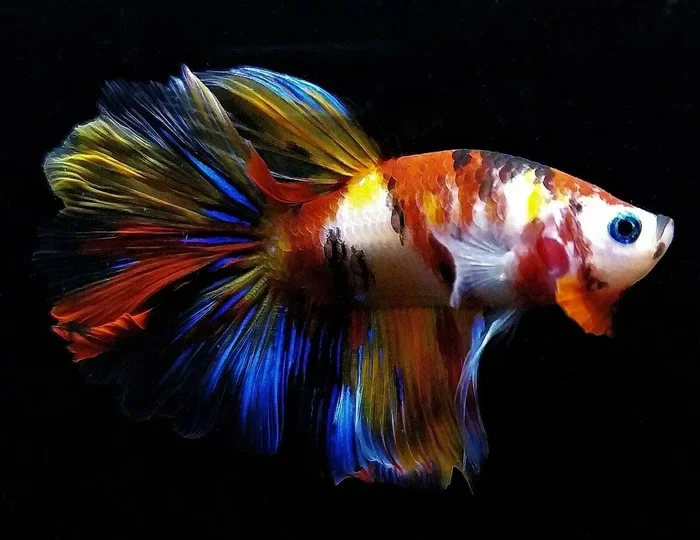
A healthy betta fish has vivid colors. Reds should be deep. Blues should be vibrant. Whites should be crisp and clean. When a betta is dying, those colors start to fade. The body may look pale, gray, or washed out.
Some bettas develop white patches or spots. These can signal a fungal or bacterial infection. Others may darken or develop blotchy patterns. Any sudden change in color deserves your attention.
Clamped Fins
Betta fish normally hold their fins open and flowing. When a betta is stressed or sick, it may clamp its fins tightly against its body. This is one of the earliest and most common signs that something is wrong.
Clamped fins can point to many problems. It could be a bacterial infection, poor water quality, or even a parasite. If you notice your betta keeping its fins closed, do not ignore it.
Swollen or Bloated Belly
A slightly rounded belly is normal for a betta. But a belly that looks swollen, stretched, or lopsided is a red flag. Dropsy is a serious condition that causes the belly to puff up. It often comes with raised scales that look like a pinecone.
Bloating can also come from overfeeding or constipation. But if the swelling lasts more than a day or two, you need to take action quickly.
Damaged or Rotted Fins
Fin rot is one of the most common betta fish diseases. The fins start to look ragged, torn, or frayed. In severe cases, the fins melt away from the edges. The tissue may turn white, red, or black.
Fin rot is usually caused by poor water conditions. Bacteria attack weakened fins, especially when the tank is dirty or the water is too cold. Left untreated, fin rot can spread to the body and become fatal.
Eyes That Are Cloudy or Bulging
Healthy betta eyes should be clear and bright. Cloudy eyes can signal a bacterial infection or poor water quality. In some cases, the eyes may actually bulge outward. This condition, called pop eye, is a serious symptom that needs fast treatment.
Cloudy or bulging eyes often point to a deeper problem inside the tank. Check your water parameters right away.
Behavioral Changes That Signal Trouble
Betta fish are active and curious. They flare their gills, explore their tank, and build bubble nests. When a betta is dying, its behavior changes in ways that are hard to miss.
Lethargy and Lack of Energy
A dying betta fish often becomes very still. It may lie at the bottom of the tank or float near the surface without moving much. Healthy bettas love to swim around and explore. If your betta barely moves, something is seriously wrong.
Lethargy can be caused by many things. Low water temperature is a big one. Betta fish need warm water between 76 and 82 degrees Fahrenheit. Cold water slows their metabolism and makes them weak.
Loss of Appetite
Betta fish are eager eaters. They will often swim to the top of the tank when they see food. If your betta stops eating or ignores food completely, this is a warning sign.
Skipping one meal is not always a problem. But if your betta refuses food for more than two days, you need to investigate. Loss of appetite often comes with other symptoms like bloating or lethargy.
Gasping at the Surface
Betta fish have a special organ called the labyrinth organ. It lets them breathe air from the surface. But if your betta is gasping constantly or rapidly, it is struggling to get enough oxygen.
Gasping often means the water has low oxygen levels. It can also point to high ammonia or nitrite levels in the tank. Both of these are dangerous and can kill your betta fast.
Hiding or Staying in One Corner
Some bettas like to hide behind plants or decorations. That is normal. But if your betta stays in one spot for hours and refuses to move, that is not normal. A betta that hides all the time is often a betta that feels very unwell.
Common Causes Behind a Dying Betta Fish
Symptoms are just the clues. The real question is: what is causing them? Understanding the root cause helps you treat the problem and prevent it from happening again.
Poor Water Quality
This is the number one killer of betta fish. Dirty water builds up ammonia and nitrite, which are toxic to fish. Even small amounts can damage the gills, stress the immune system, and lead to disease.
You should test your water regularly. Use a liquid test kit to check ammonia, nitrite, nitrate, and pH levels. A healthy betta tank should have zero ammonia and zero nitrite at all times.
Wrong Water Temperature
Betta fish are tropical fish. They need warm, stable water. If the temperature drops too low, the betta’s immune system weakens. If it spikes too high, the oxygen level in the water drops.
Use a reliable aquarium heater and a thermometer. Keep the temperature steady between 76 and 82 degrees Fahrenheit. Avoid placing the tank near windows, doors, or vents where the temperature can change quickly.
Overfeeding
Betta fish have small stomachs. They look like tiny marbles inside their bodies. Overfeeding causes bloating, constipation, and poor water quality from uneaten food rotting in the tank.
Feed your betta two to three small meals per day. Only give as much food as it can eat in two to three minutes. Skip one feeding day per week to help the digestive system stay clear.
Lack of Tank Maintenance
A betta fish tank needs regular care. This includes partial water changes, gravel vacuuming, and filter maintenance. Without these, waste builds up and the water becomes toxic.
Do a 25 to 30 percent water change every week. Use a water conditioner to remove chlorine and chloramine from tap water. Clean the filter media gently in old tank water, never in tap water, to protect beneficial bacteria.
Incompatible Tank Mates
Betta fish are not always peaceful. Male bettas, especially, can be aggressive toward other fish. Fin-nipping fish like tiger barbs or serpae tetras can cause stress and physical injury.
If you keep other fish with your betta, choose peaceful species that do not bother the betta’s fins. Always watch for signs of chasing, nipping, or hiding after adding new tank mates.
How to Tell the Difference Between Sick and Dying
Not every sick betta fish is dying. Some illnesses are treatable if you catch them early. The key is knowing how serious the situation is.
Signs Your Betta Fish Is Sick but Recoverable
A sick betta may show mild symptoms. It might eat less, swim a little slower, or have slightly faded colors. These signs often point to early-stage problems like mild fin rot, a small bacterial infection, or temporary stress.
Quick action can save a sick betta. Improve the water quality, raise the temperature slightly to boost the immune system, and consider treating with aquarium salt or medication. Many bettas recover fully within a week or two.
You can also read more about how can you tell if your betta fish is sick to catch problems before they become life-threatening.
Signs Your Betta Fish Is Dying
A dying betta shows severe and worsening symptoms. It may stop eating completely, become nearly motionless, or float upside down. The body may look extremely pale or develop open sores. Gasping for air becomes constant.
At this stage, the betta needs immediate care. Move it to a quarantine tank if possible. Test the water urgently. Treat with appropriate medication based on the symptoms. You can learn more about saving a dying betta in our guide on how can you save a betta fish from dying.
| Symptom | Sick (Recoverable) | Dying (Critical) |
|---|---|---|
| Appetite | Eats less but still eats | Refuses all food |
| Energy Level | Less active but responsive | Nearly motionless |
| Color | Slightly faded | Very pale or gray |
| Breathing | Slightly rapid | Constant gasping |
| Fins/Body | Minor fin damage | Severe rot or open sores |
| Response to Treatment | Improves within days | No improvement or worsening |
Quick Tips to Keep Your Betta Fish Healthy
Prevention is the best medicine. A healthy betta fish is far less likely to get sick or die prematurely. Here are some simple tips that make a big difference.
- Test the water weekly. Use a liquid test kit to monitor ammonia, nitrite, nitrate, and pH.
- Do regular water changes. Replace 25 to 30 percent of the water every week with conditioned water at the right temperature.
- Feed properly. Give small amounts two to three times a day. Include variety like bloodworms, brine shrimp, and high-quality betta pellets.
- Keep the tank clean. Vacuum the gravel during water changes. Rinse filter media in old tank water.
- Maintain stable temperature. Use a heater and thermometer. Keep the water between 76 and 82 degrees Fahrenheit.
- Watch your betta daily. Spend a few minutes each day observing your fish. Catching early signs of trouble is the best way to prevent serious illness.
When to Seek Help for Your Betta Fish
Sometimes, home treatment is not enough. You need to know when the situation is beyond what you can handle at home.
If your betta stops eating completely, becomes completely immobile, or shows signs of severe infection like open wounds or body fungus, it is time to consult a fish veterinarian or a knowledgeable aquarium expert. You can also reach out to the staff at your local fish store for advice.
Understanding how can you tell if a betta fish is dying gives you the power to act. But acting quickly and knowing your limits is equally important. Sometimes the kindest thing you can do is seek professional help.
Final Thoughts on Recognizing a Dying Betta Fish
Watching a betta fish decline is heartbreaking. But knowledge is your greatest tool. When you understand the physical signs, behavioral changes, and root causes, you can step in with confidence.
Remember that how can you tell if a betta fish is dying comes down to paying close attention. Every detail matters. The way your betta swims. The way it eats. The color of its body. The condition of its fins. All of these pieces tell a story.
Take action early. Keep the water clean. Feed properly. And never ignore the warning signs. Your betta fish depends on you to notice when something is wrong. With the information in this guide, you are now better equipped to be the attentive, caring owner your betta deserves.
If you want to go deeper, check out our article on how do you know a betta fish is dying for additional signs and expert advice. The more you know, the better prepared you will be to protect your beloved pet.
Frequently Asked Questions
How fast can a betta fish go from sick to dying?
The timeline depends on the cause and severity. Some bacterial infections can become fatal within 24 to 48 hours if left untreated. Other conditions like fin rot or mild bloating may give you several days to a week to intervene. The key is to act as soon as you notice any warning signs.
Can you revive a dying betta fish?
In some cases, yes. Early intervention with clean water, proper medication, and the right temperature can bring a betta back. But if the damage is too severe, such as advanced organ failure, recovery may not be possible. This is why quick action matters so much.
What is the most common reason a betta fish dies?
Poor water quality is the leading cause. Ammonia and nitrite buildup from infrequent water changes and overfeeding create a toxic environment. Other common causes include wrong water temperature, overfeeding, and untreated diseases like fin rot or ich.
Should I isolate my betta fish if it looks sick?
Yes, if you have a quarantine tank available. Isolating a sick betta prevents the spread of disease to other fish and makes it easier to monitor and treat. Use tank water from the main tank to avoid stressing the betta with unfamiliar water conditions.
How can I tell the difference between a betta fish sleeping and a betta fish dying?
A sleeping betta will still respond to movement or food nearby. It may rest near plants or decorations but will swim normally when awake. A dying betta is unresponsive, stays in one position for long periods, and shows other symptoms like faded color, clamped fins, or labored breathing.
Can stress alone kill a betta fish?
Yes, chronic stress weakens the immune system and makes a betta vulnerable to diseases that can be fatal. Common stressors include poor water quality, aggressive tank mates, loud noises, and sudden changes in temperature or lighting.
=== CONCLUSION ===
Learning how can you tell if a betta fish is dying is one of the most important skills any betta owner can develop. The signs are there if you know where to look. Faded colors, clamped fins, lethargy, loss of appetite, and labored breathing all point to serious trouble. But with quick action, proper care, and a little knowledge, you can give your betta fish the best chance at a full recovery.
Stay observant. Keep the tank clean. Feed wisely. And never hesitate to seek help when you need it. Your betta fish is lucky to have an owner who cares enough to learn these things.