Seeing your bright red betta fade to white can be scary. This guide explains the common reasons—stress, water quality, disease, and nutrition—and gives simple steps to bring the color back. Follow the tips and keep your finned friend healthy and vivid.
Key Takeaways
- Water quality matters: Poor parameters trigger color loss fast.
- Stress is a silent thief: Over‑crowding, temperature swings, and aggressive tank mates can bleach your betta.
- Nutrition restores pigment: High‑quality protein and carotenoid‑rich foods help the reds shine again.
- Watch for disease: Fungal, bacterial, or parasitic infections often start with white patches.
- Regular tank maintenance: Weekly water changes and proper filtration prevent most problems.
- Observe behavior: Loss of appetite, hiding, or odd swimming signals deeper issues.
- Act quickly: Early intervention can stop permanent color loss and save your fish.
📑 Table of Contents
- Introduction: When Your Red Betta Starts Fading
- 1. Water Quality – The Foundation of Color
- 2. Stress – The Invisible Color Thief
- 3. Nutrition – Feeding the Pigment
- 4. Disease – When White Spots Signal Trouble
- 5. Genetics and Natural Color Fading
- 6. Quick Action Plan – Restoring the Red
- Conclusion: Keeping Your Red Betta Radiant
Introduction: When Your Red Betta Starts Fading
If you bought a gorgeous crimson betta only to watch it turn pale, you’re not alone. Many hobbyists ask, why is my red betta fish turning white? The answer is rarely a single cause. More often, it’s a mix of water, diet, stress, and health factors that conspire to strip the pigment.
In this article we’ll break down every common reason, show you how to spot early warning signs, and give you a step‑by‑step plan to bring that fiery hue back. Think of it as a friendly chat over a cup of tea, with plenty of practical tips you can start using today.
1. Water Quality – The Foundation of Color
Why clean water equals bright color
Betta fish are among the most sensitive freshwater species when it comes to water chemistry. Even a slight rise in ammonia or a dip in pH can stress the fish, causing the pigments in the skin and scales to fade. When the environment is unstable, the fish redirects energy from coloration to survival.
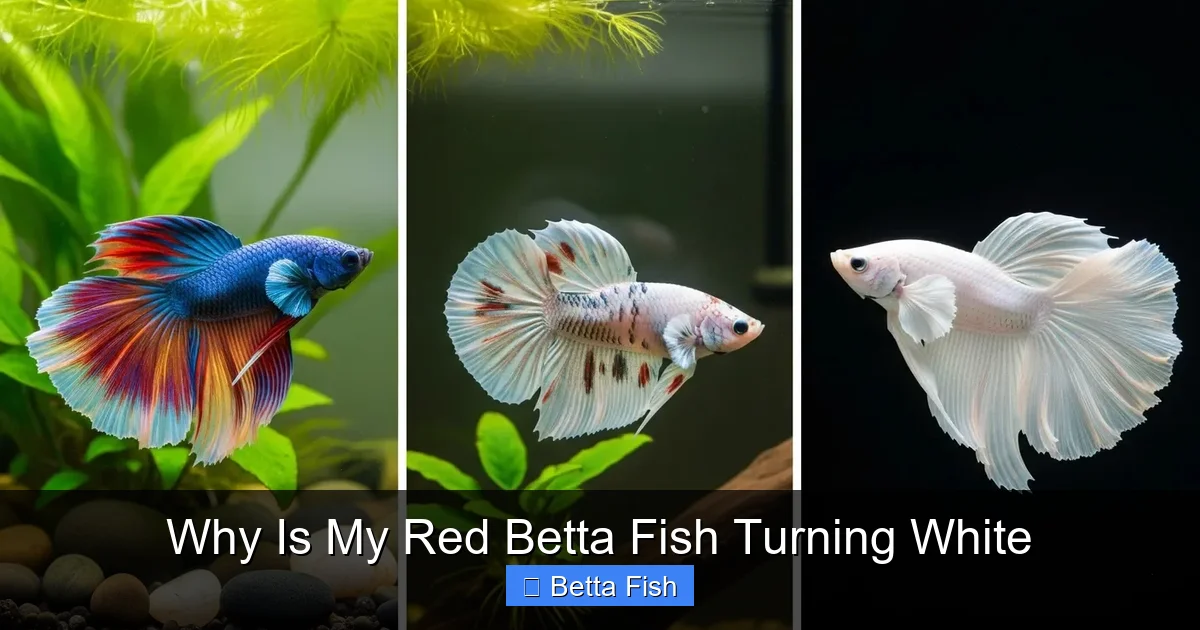
Visual guide about Why Is My Red Betta Fish Turning White
Image source: aqqapet.com
Key parameters to monitor
- Ammonia (NH₃): Must be 0 ppm. Anything above triggers stress within hours.
- Nitrite (NO₂⁻): Keep at 0 ppm; even 0.2 ppm can cause discoloration.
- Nitrate (NO₃⁻): Aim for under 20 ppm. Higher levels dull colors.
- pH: Ideal range 6.5–7.5 for most bettas. Rapid swings are a red flag.
- Temperature: 78–80 °F (25.5–26.5 °C) is optimal. Too cold or hot stresses pigment cells.
Practical steps to fix water problems
1. Test weekly. Use a reliable liquid test kit; write down results.
2. Perform 25‑30% water changes. Replace with conditioned water that matches temperature and pH.
3. Check filtration. A gentle sponge filter works well for bettas and keeps ammonia low.
4. Use a water conditioner. It removes chlorine, chloramine, and heavy metals that can irritate skin.
5. Consider a live plant. Plants absorb nitrates and provide natural hiding spots, reducing stress.
2. Stress – The Invisible Color Thief
Common stressors for bettas
Stress can come from many sources, and it often shows up as a loss of color before any other symptom appears.

Visual guide about Why Is My Red Betta Fish Turning White
Image source: corido.co.uk
- Tank size: A bowl under 2.5 gallons forces the fish into a cramped space.
- Tank mates: Aggressive fish or even other bettas can cause constant fear.
- Lighting: Too bright or too dim lighting can disrupt melatonin cycles.
- Sudden temperature changes: Moving the tank or power outages can shock the fish.
- Frequent handling: Over‑handling during cleaning can stress delicate skin.
How to reduce stress quickly
• Upgrade the tank. A 5‑gallon minimum with a lid gives room to swim.
• Provide hiding spots. Use silk plants, caves, or PVC pipes.
• Stabilize temperature. A reliable heater with a thermostat prevents spikes.
• Dim the lights. Use a timer for 10‑12 hours of light per day.
• Limit disturbances. Perform maintenance quietly and avoid tapping on the glass.
3. Nutrition – Feeding the Pigment
What fuels a red betta’s color?
Red and orange hues come from carotenoids—natural pigments found in foods like shrimp, krill, and specially formulated betta pellets. If the diet lacks these, the fish will gradually lose its brilliance.

Visual guide about Why Is My Red Betta Fish Turning White
Image source: phinf.pstatic.net
Best foods for vibrant reds
- High‑quality betta pellets. Look for brands that list “carotenoid blend” or “natural color enhancers.”
- Frozen or live brine shrimp. Rich in astaxanthin, a powerful red pigment.
- Bloodworms. Provide protein and a slight color boost.
- Specialty color‑enhancing foods. Some manufacturers sell “red‑boost” pellets specifically for fighting fish.
Feeding schedule and tips
Feed small amounts 2‑3 times a day, only what the betta can eat in 2‑3 minutes. Overfeeding fouls the water, creating a vicious cycle of stress and color loss.
Rotate protein sources weekly to keep the diet varied and ensure a steady supply of carotenoids.
4. Disease – When White Spots Signal Trouble
Common illnesses that start with whitening
White patches don’t always mean “just stress.” They can be the first sign of a serious infection.
- Fungal infection: Cotton‑like growth on fins or body.
- Bacterial infection (Columnaris): White, fluffy lesions that spread quickly.
- Ich (White Spot Disease): Tiny pin‑point white spots that look like sugar grains.
- Velvet disease: A dusty gold‑gray coating, sometimes mistaken for whitening.
How to diagnose quickly
1. Inspect the scales. Use a magnifying glass; fungal growth looks fuzzy, while ich appears as solid dots.
2. Check behavior. Lethargy, loss of appetite, or frantic swimming often accompany disease.
3. Test water again. A sudden spike in ammonia or nitrite can weaken the immune system.
Treatment basics
• Isolate the fish. Move it to a hospital tank with the same water parameters.
• Medication. Use antifungal (e.g., Maracyn) for fungus, antibacterial (e.g., Maracyn 2) for bacterial infections, and copper‑based treatments for ich.
• Increase temperature. Raising the tank to 82 °F (28 °C) speeds up the life cycle of parasites, making treatments more effective (only for short periods).
For a deeper dive on disease, see our article on why did my betta fish turn white.
5. Genetics and Natural Color Fading
When the fish’s own DNA plays a role
Some bettas are born with “color‑fade” genes that cause reds to lighten as they age. This is a natural process, not a health problem. However, even genetically prone fish benefit from optimal care to slow the fade.
Tips to keep genetic fade at bay
• Maintain pristine water—stress accelerates genetic fading.
• Provide carotenoid‑rich foods consistently.
• Avoid sudden temperature drops, which can trigger pigment loss.
6. Quick Action Plan – Restoring the Red
Step‑by‑step checklist
- Test water. If any parameter is out of range, correct it immediately.
- Do a 30% water change. Use conditioned water at the same temperature.
- Inspect for disease. Look for fuzzy growth, white dots, or abnormal behavior.
- Isolate if sick. Set up a hospital tank with a heater.
- Upgrade diet. Add frozen brine shrimp 2‑3 times a week.
- Reduce stressors. Add hiding places, dim lights, and ensure the tank is at least 5 gallons.
- Monitor daily. Keep a log of water parameters and fish behavior for two weeks.
When to seek professional help
If the white patches spread despite treatment, or the fish stops eating, consult a veterinarian who specializes in fish. Early professional care can mean the difference between recovery and loss.
Conclusion: Keeping Your Red Betta Radiant
Seeing your red betta turn white is unsettling, but it’s rarely a mystery. By checking water quality, reducing stress, feeding the right foods, and watching for disease, you can often reverse the whitening and keep your fish vibrant for years. Remember, consistency is key—regular maintenance and attentive observation are the best tools in any betta keeper’s arsenal.
Take the steps outlined above, stay patient, and you’ll likely watch the crimson glow return, brighter than ever.
Frequently Asked Questions
Why is my red betta fish turning white suddenly?
Sudden whitening is usually a sign of stress, poor water quality, or the early stages of a disease such as fungus or ich.
Can a diet change bring back my betta’s red color?
Yes. Adding carotenoid‑rich foods like brine shrimp and high‑quality pellets can enhance red pigments and help restore faded color.
Is white‑spot disease (ich) the same as my betta turning white?
Not exactly. Ich appears as tiny, solid white dots, while general whitening often starts with a loss of pigment across the body.
How often should I change the water to prevent color loss?
A 25‑30% water change weekly is ideal. More frequent changes may be needed if ammonia or nitrite spikes.
My betta is hiding and not eating—does that mean the color loss is permanent?
Hiding and loss of appetite are warning signs. Promptly address water and health issues; the color can often be saved if treated early.
Can temperature fluctuations cause my red betta to turn white?
Yes. Rapid changes stress the fish and can cause pigment loss. Keep the tank temperature steady at 78‑80 °F.

