Why Is My Betta Fish’s Eye Bulging Out

Seeing a bulging eye on your betta can be scary, but it’s often a sign of a treatable problem. This guide explains the most common reasons, how to act fast, and steps to prevent future issues so your finned friend can thrive again.
Key Takeaways
- Common causes: Poor water quality, bacterial infection, parasites, injury, and genetic issues are the top reasons for a bulging eye.
- Immediate action: Quarantine the fish, test water parameters, and start a mild antibacterial treatment.
- Water matters: Keep temperature, pH, and ammonia at optimal levels to reduce stress and disease risk.
- Nutrition helps: High‑quality protein and vitamin‑rich foods support eye health and immune function.
- When to seek help: If the eye worsens, becomes cloudy, or the fish shows other symptoms, consult a vet or experienced aquarist.
- Prevention tips: Regular water changes, a balanced diet, and a stress‑free environment keep eyes clear.
- Watch for related signs: Look for changes in swimming, appetite, or coloration that may indicate a deeper issue.
📑 Table of Contents
- Introduction: A Bulging Eye Can Be Alarming, But It’s Not Always a Death Sentence
- 1. Understanding the Anatomy of a Betta’s Eye
- 2. Top Reasons Behind a Bulging Betta Eye
- 3. How to Diagnose the Problem Quickly
- 4. Treatment Options Tailored to the Cause
- 5. Prevention: Keeping Your Betta’s Eyes Clear for Life
- Conclusion: Quick Action Saves Sight and Life
Introduction: A Bulging Eye Can Be Alarming, But It’s Not Always a Death Sentence
Imagine you’re checking on your betta after a busy day and notice one eye looking like a tiny basketball. Your heart jumps, and the first thought is, “Is my fish dying?” It’s a natural reaction. The good news is that a bulging eye is often a symptom, not a disease, and many owners can turn the situation around with quick, informed action.
In this article we’ll break down everything you need to know about why is my betta fish’s eye bulging out. We’ll explore the most common causes, what to look for in the surrounding environment, step‑by‑step treatment plans, and long‑term prevention strategies. By the end, you’ll feel confident that you can help your betta recover and keep future eye problems at bay.
1. Understanding the Anatomy of a Betta’s Eye
How a Healthy Betta Eye Looks
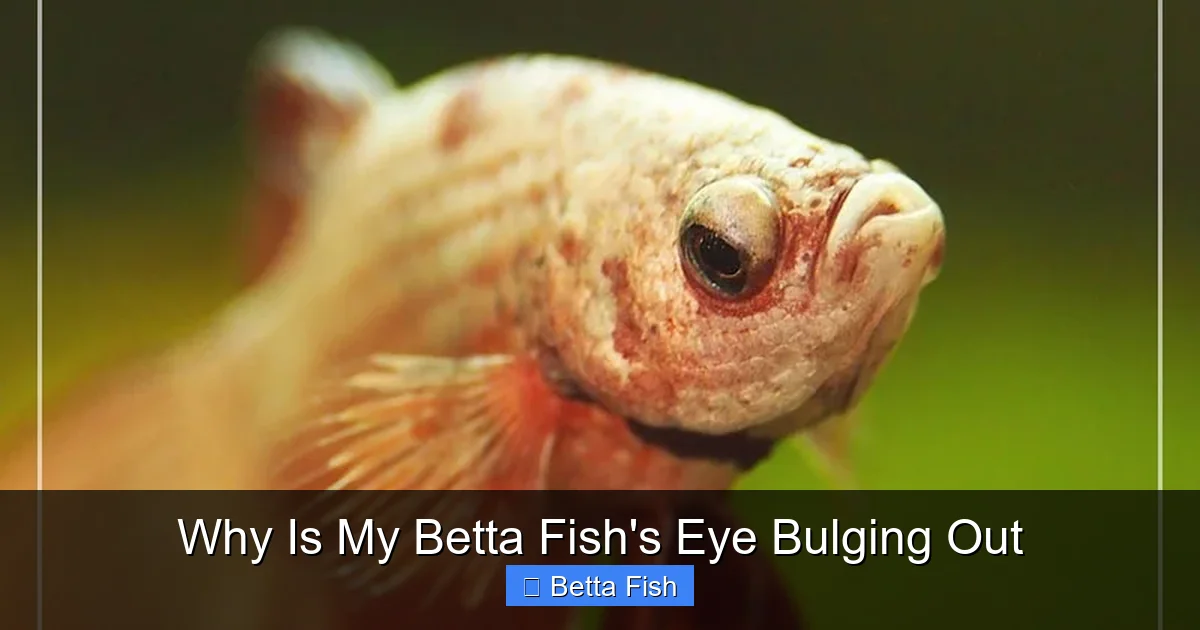
A healthy betta eye is round, glossy, and sits flush with the head. The sclera (the white part) should be clear, and the iris is usually dark with a bright pupil. Any swelling, cloudiness, or protrusion signals that something is off.
Visual guide about Why Is My Betta Fish’s Eye Bulging Out
Image source: smartaquariumguide.com
Why Eyes Are Sensitive Indicators
Fish eyes are directly exposed to the water, so they react quickly to changes in water chemistry, temperature, and pathogens. Because they lack eyelids, debris or infection can cause swelling faster than in other parts of the body.
2. Top Reasons Behind a Bulging Betta Eye
2.1 Poor Water Quality
Ammonia spikes, high nitrite, or a pH that’s too low/high can irritate the delicate eye membrane. When the fish’s gills struggle to filter toxins, the body may retain fluid, leading to a bulge. Regular testing with a reliable kit is essential.
2.2 Bacterial Infections
Water‑borne bacteria such as Flavobacterium or Aeromonas can invade the eye’s outer layer, causing inflammation and swelling. These infections often start as a small “red spot” that expands.
2.3 Parasitic Infestations
Protozoan parasites like Ichthyophthirius multifiliis (Ich) or Costia may attach to the eye surface. The fish’s immune response leads to fluid buildup, making the eye appear bulged.
2.4 Physical Injury
A cracked tank, aggressive tank mates, or even a sharp decoration can bruise the eye. Trauma often results in immediate swelling, sometimes accompanied by bleeding.
2.5 Genetic or Developmental Issues
Some bettas are born with eye deformities or weak connective tissue. While less common, these fish may show a permanently protruding eye that doesn’t improve with treatment.
2.6 Internal Organ Problems
Kidney or liver dysfunction can cause fluid retention throughout the body, including the eyes. If you notice a bulging eye along with a bloated abdomen, organ issues may be at play.
3. How to Diagnose the Problem Quickly
Step 1: Observe Behavior
Is your betta swimming normally, or does it favor one side? A fish that floats sideways or hides a lot may be more stressed, indicating a systemic issue. (See our guide on why is my betta fish floating sideways for details.)

Visual guide about Why Is My Betta Fish’s Eye Bulging Out
Image source: p1.ssl.qhmsg.com
Step 2: Test Water Parameters
Grab a test kit and check ammonia, nitrite, nitrate, pH, and temperature. Ideal ranges for bettas are:
- Ammonia: 0 ppm
- Nitrite: 0 ppm
- Nitrate: < 20 ppm
- pH: 6.5‑7.5
- Temperature: 76‑82 °F (24‑28 °C)
Any out‑of‑range reading should be corrected immediately.
Step 3: Look for Additional Symptoms
Check for cloudiness in the eye, white patches, frayed fins, or loss of appetite. These clues help narrow down bacterial vs. parasitic causes. For eye‑specific issues, read our article on why are my betta fish eyes white.
Step 4: Quarantine the Affected Betta
Move the fish to a separate hospital tank with clean, conditioned water. This prevents spread of infection and lets you treat without stressing tank mates.
4. Treatment Options Tailored to the Cause
4.1 Improving Water Quality
Perform a 25‑30% water change, vacuum the substrate, and clean filter media. Use a water conditioner that detoxifies ammonia and heavy metals. Keep the hospital tank temperature stable.
4.2 Antibacterial Medications
If a bacterial infection is suspected, add a broad‑spectrum antibiotic like Maracyn 2 or a commercially available betta‑safe medication. Follow the label dosage and treat for at least 7‑10 days.
4.3 Antiparasitic Treatments
For Ich or Costia, increase water temperature to 80‑82 °F (27‑28 °C) to speed the parasite’s life cycle, then use a copper‑based medication or formalin dip. Always monitor copper levels to avoid toxicity.
4.4 Treating Physical Injuries
Gently rinse the eye with a small amount of diluted aquarium salt (1 ml per liter) to reduce swelling. If there’s a cut, apply a tiny dab of aquarium‑safe antiseptic gel.
4.5 Supporting Organ Function
For suspected kidney or liver issues, add a high‑quality betta vitamin supplement and consider a low‑protein, high‑carbohydrate diet for a short period. Consult a vet if the fish doesn’t improve.
5. Prevention: Keeping Your Betta’s Eyes Clear for Life
5.1 Consistent Water Maintenance
Change 20‑30% of the water weekly, test parameters regularly, and avoid over‑feeding which raises nitrate levels.
5.2 Balanced Diet
Feed high‑protein pellets, frozen or live daphnia, and occasional brine shrimp. Vitamin‑rich foods boost the immune system, reducing the chance of eye infections.
5.3 Stress‑Free Environment
Provide plenty of hiding spots, avoid aggressive tank mates, and keep the tank in a quiet area. A calm betta is less likely to develop eye problems.
5.4 Regular Health Checks
Inspect your fish weekly. Early detection of redness, cloudiness, or behavioral changes can stop a problem before it becomes severe.
5.5 Use of Probiotics
Adding a probiotic supplement to the water can help maintain a healthy bacterial balance, which protects against opportunistic pathogens that cause eye swelling.
Conclusion: Quick Action Saves Sight and Life
Seeing a bulging eye on your betta is a wake‑up call, but it’s also an opportunity to become a better caretaker. By testing water, isolating the fish, and applying the right treatment, most eye problems resolve within a week. Remember, prevention is easier than cure—maintain clean water, feed a nutritious diet, and keep stress low. With these habits, you’ll enjoy a vibrant, healthy betta whose eyes stay bright and clear for years to come.
Frequently Asked Questions
Why is my betta fish’s eye bulging out suddenly?
A sudden bulge is often caused by a rapid change in water quality, a bacterial infection, or a minor injury. Test the water and quarantine the fish right away.
Can a bulging eye be a sign of a serious disease?
Yes, it can indicate systemic issues like kidney failure or severe bacterial infection. If other symptoms appear, seek professional veterinary advice.
How long does it take for a betta’s eye to return to normal?
With proper treatment, most eyes improve within 5‑10 days. Persistent swelling after two weeks usually means the underlying problem hasn’t been fully addressed.
Is it safe to use human eye drops on a betta fish?
No. Human medications can be toxic to fish. Always use products formulated for aquarium use or recommended by a vet.
Will changing the tank décor help prevent eye problems?
Yes, removing sharp ornaments reduces the risk of physical injury, which is a common cause of eye swelling.
Should I add more plants to help my betta’s eye heal?
Live plants improve water quality and reduce stress, both of which support recovery. Just be sure they are fish‑safe and not treated with chemicals.