Why Is My Betta Fish Body Bent

Seeing a bent betta can be alarming, but it often points to simple issues you can fix. This guide explains the top reasons behind a curved body, from water quality problems to injuries, and offers clear steps to help your fish recover quickly.
Key Takeaways
- Water quality matters: Poor parameters are the #1 cause of a bent posture.
- Physical injuries count: Tank décor, aggressive mates, or handling can bend the spine.
- Health issues like swim bladder disease: These affect buoyancy and can make the fish appear curved.
- Nutrition plays a role: A balanced diet supports muscle and skeletal health.
- Early detection helps: Spotting the problem fast increases the chance of a full recovery.
- Prevention is easier than cure: Proper tank setup and regular maintenance keep bends at bay.
- Seek professional help when needed: Persistent curvature may require a vet or experienced hobbyist.
📑 Table of Contents
- Introduction: When Your Betta Looks Like It’s Curving
- 1. Water Quality – The Hidden Culprit
- 2. Swim Bladder Disease – The Balance Problem
- 3. Physical Injuries – Bumps, Scrapes, and Broken Spines
- 4. Nutritional Deficiencies – Feeding for a Strong Skeleton
- 5. Disease and Parasites – Hidden Threats
- 6. Prevention – Setting Up a Safe, Stable Home
- Conclusion: Take Action and Watch Your Betta Recover
Introduction: When Your Betta Looks Like It’s Curving
Imagine turning on the tank light and seeing your once‑proud betta fish swimming with a noticeable curve in its body. It’s a moment that can spark a flood of worry. “Why is my betta fish body bent?” is a question many hobbyists ask, and the answer isn’t always simple. The good news is that most causes are treatable, and with a little detective work you can help your fish return to its sleek, graceful self.
In this article we’ll walk through the most common reasons a betta’s body might bend, how to spot the warning signs early, and what you can do right now to improve the situation. We’ll also share practical tips for preventing future bends, so you can enjoy a healthy, active betta for years to come.
1. Water Quality – The Hidden Culprit
Why bad water makes a betta bend
Betta fish are highly sensitive to the chemistry of their environment. When ammonia, nitrite, or nitrate spikes, the fish’s gills and internal organs become stressed. This stress can affect the swim bladder and skeletal muscles, leading to a curved posture.
Visual guide about Why Is My Betta Fish Body Bent
Image source: s.yimg.com
How to test and fix water parameters
- Ammonia & nitrite: Should read 0 ppm. Any detectable level can cause illness.
- Nitrate: Keep below 20 ppm for bettas.
- pH: Aim for 6.5‑7.5; sudden shifts are dangerous.
- Temperature: Stable 76‑82 °F (24‑28 °C) is ideal.
Perform a partial water change (25‑30 %) every few days until the parameters are stable. Using a water conditioner that detoxifies chlorine and chloramine is essential.
2. Swim Bladder Disease – The Balance Problem
What is the swim bladder?
The swim bladder is a gas‑filled organ that lets a betta maintain depth without constant swimming. When it fills unevenly or becomes infected, the fish may tilt or curve to compensate.

Visual guide about Why Is My Betta Fish Body Bent
Image source: autovista.in
Signs you’re dealing with swim bladder issues
- Floating upside down or sinking to the bottom.
- Swimming sideways or in circles.
- Loss of buoyancy control, causing a “bent” look.
Quick home remedies
Try fasting your betta for 24‑48 hours to clear any constipation that might be pressing on the bladder. Then offer a peeled, boiled pea (cut into small pieces) as a gentle laxative. If the problem persists, consider a low‑dose aquarium medication for bacterial infections.
3. Physical Injuries – Bumps, Scrapes, and Broken Spines
How injuries happen
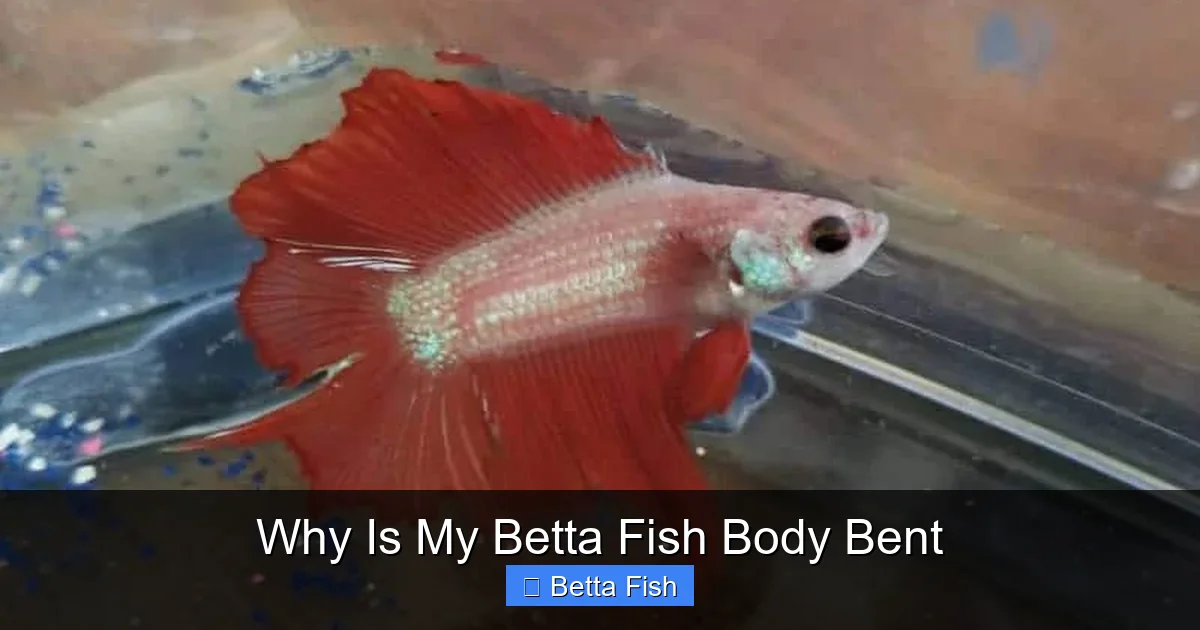
Sharp decorations, aggressive tank mates, or even rough handling during cleaning can cause bruises, fin damage, or spinal injuries that result in a curved body.
Visual guide about Why Is My Betta Fish Body Bent
Image source: ouraquariumlife.com
What to look for
- Visible cuts or torn fins.
- Swelling or redness along the spine.
- Uneven swimming patterns that don’t improve with water changes.
First‑aid steps
Remove any hazardous décor and quarantine the betta in a separate, clean tank. Add a few drops of a water‑soluble antibacterial solution and monitor daily. Healing time varies, but most minor injuries improve within a week.
4. Nutritional Deficiencies – Feeding for a Strong Skeleton
Why diet matters
A balanced diet supplies the proteins, vitamins, and minerals needed for healthy muscle and bone development. Low‑quality flakes or over‑feeding can lead to constipation, which in turn pressures the swim bladder and may cause a bent posture.
Best foods for bettas
- High‑protein betta pellets (30 % protein or more).
- Live or frozen foods such as daphnia, bloodworms, and brine shrimp (occasional treats).
- Vegetable supplements like blanched peas for digestive health.
Feeding schedule
Feed small amounts 2‑3 times a day, only what the fish can consume in 2‑3 minutes. This prevents over‑eating and keeps the digestive system moving.
5. Disease and Parasites – Hidden Threats
Common illnesses that cause curvature
External parasites (e.g., Ich) and internal infections can weaken muscles and affect the spine. A chronic bacterial infection may also lead to a curved posture as the fish fights for oxygen.
Diagnostic clues
- White spots or fuzzy coating on the body.
- Rapid breathing or gasping at the surface.
- Loss of color or faded fins.
When to treat
If you notice any of these signs, act fast. Use a broad‑spectrum antimicrobial medication and follow the dosage instructions carefully. For parasitic issues, a copper‑based treatment is often effective.
6. Prevention – Setting Up a Safe, Stable Home
Tank setup basics
Provide at least 2‑5 gallons of filtered water, a gentle heater, and a lid to prevent jumping. Use smooth‑sided décor and avoid sharp ornaments.
Routine maintenance checklist
- Test water weekly.
- Change 20‑30 % of water every 5‑7 days.
- Clean the substrate with a siphon to remove waste.
- Inspect the fish daily for abnormal behavior.
Helpful resources
For more on related symptoms, check out our guide on why is my betta fish floating sideways, and learn why a betta might start turning white. If you suspect your fish is ill, the article is my betta fish dying offers a quick health‑check checklist.
Conclusion: Take Action and Watch Your Betta Recover
A bent body is a signal that something in your betta’s world isn’t right. By checking water quality, addressing swim bladder issues, preventing injuries, feeding a balanced diet, and staying alert for disease, you give your fish the best chance to straighten out and thrive. Remember, early intervention is key—don’t wait for the problem to worsen.
Take the steps outlined above, monitor your betta closely, and you’ll likely see improvement within days. And if the curvature stays or gets worse, don’t hesitate to seek advice from a qualified aquarium veterinarian. Your attentive care can make all the difference between a short‑lived crisis and a healthy, vibrant betta.
Frequently Asked Questions
Why is my betta fish body bent after a water change?
Sudden changes in temperature or pH can stress the fish, affecting its swim bladder and causing a temporary bend. Always match the new water to the tank’s parameters.
Can a bent betta fish still eat normally?
Often yes, but if the bend is due to a swim bladder issue, the fish may have trouble reaching the surface to eat. Offer food that floats or use a feeding dip.
Is a bent posture a sign of a serious disease?
Not always. It can be a symptom of poor water quality or a minor injury. However, if you see additional signs like white spots or loss of color, seek treatment promptly.
How long does it take for a betta to recover from a bent spine?
Recovery can range from a few days to a couple of weeks, depending on the cause and how quickly you address it.
Should I quarantine a betta with a bent body?
Yes. Moving the fish to a clean, separate tank helps you treat the problem without exposing tank mates to potential pathogens.
Can I prevent my betta’s body from bending in the future?
Maintaining stable water parameters, providing a stress‑free environment, and feeding a balanced diet are the best ways to keep your betta’s body straight and healthy.