Should Betta Fish Have Filters
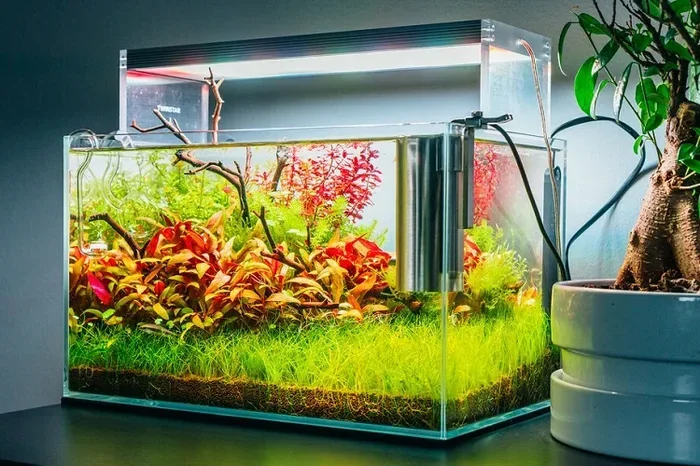
Should betta fish have filters? Yes — a betta filter is one of the most important investments you can make for your fish. A proper filtered tank removes harmful toxins like ammonia and nitrite, supports beneficial bacteria, and keeps water quality stable. Without filtration, your betta faces serious health risks and a much shorter lifespan.
Every betta fish owner wants their colorful companion to live a long, healthy life. One of the biggest questions beginners ask is whether their fish really needs a filter. The short answer is yes. But the full story is much more interesting.
When you set up a home for your betta, the filter plays a role that goes far beyond just keeping the water look clear. It manages water quality, removes invisible toxins, and creates a stable environment your fish can thrive in. Skipping this step can lead to serious problems — and even early death.
In this guide, we will explore everything you need to know about should betta fish have filters. We will cover why filters matter, which types work best, and how to set one up without stressing your fish. By the end, you will feel confident making the right choice for your betta’s home.
Key Takeaways
- Filters are essential: A betta filter removes toxic waste and keeps the water safe for your fish.
- Gentle flow matters: Bettas prefer low water flow, so choose a filter with adjustable output or a sponge filter.
- Beneficial bacteria need filters: A filtered tank houses the good bacteria that break down harmful compounds.
- Filter types vary: Sponge filters, hang-on-back filters, and canister filters all work, but some suit bettas better than others.
- Maintenance is key: Regular cleaning and partial water changes keep your filter working effectively.
- Unfiltered tanks are risky: Without filtration, ammonia builds up fast and can harm or kill your betta.
- Bettas still need air: Even with a filter, your betta may still come up for air — and that is perfectly normal.
📑 Table of Contents
Why Should Betta Fish Have Filters?
The question of should betta fish have filters comes up often because bettas are hardy fish. They can survive in small bowls and messy water for a while. But surviving is not the same as thriving. A filtered tank gives your betta the best chance at a full, happy life.
Toxins Build Up Fast
Even in a clean-looking tank, your betta produces waste. That waste breaks down into ammonia, which is highly toxic. In an unfiltered bowl, ammonia levels spike quickly. A betta filter traps debris and hosts beneficial bacteria that convert ammonia into less harmful substances.
Without a filter, you would need to do daily water changes just to keep things safe. Most fish owners simply cannot keep up with that schedule. A filtered tank makes the job much easier and far safer.
Stable Water Parameters
Bettas do best when water parameters stay consistent. Sudden changes in temperature, pH, or chemical levels cause stress. A good filter helps maintain steady water quality around the clock. This stability supports your betta’s immune system and overall health.
When water parameters swing wildly, bettas become vulnerable to disease. Fin rot, ich, and bacterial infections all become more likely. A filtered tank acts as a safety net that keeps conditions balanced.
Better Oxygenation
Filters do more than clean water. They also help with gas exchange at the surface. As water flows and moves, it picks up oxygen and releases carbon dioxide. This process supports your betta’s breathing. If you are wondering do betta fish have to breathe air, the answer is yes — but a filter still helps by improving the oxygen levels in the water.
Many people think bettas only need to gulp air from the surface. While that is true, having well-oxygenated water reduces the stress on their labyrinth organ. A gentle filter contributes to this without creating too much current.
Types of Filters for Betta Fish
Not all filters are created equal. Some produce strong currents that stress bettas, while others work perfectly for their needs. Let us look at the most popular options.
Sponge Filters
A sponge filter is often the top choice for betta tanks. It sits inside the tank and uses an air pump to draw water through a porous sponge. This provides excellent mechanical and biological filtration without creating harsh flow.
Sponge filters are gentle, affordable, and easy to clean. They are ideal for small betta bowls and tanks. Many experienced fish keepers recommend them as the best betta filter option for beginners.
Hang-On-Back Filters
Hang-on-back, or HOB, filters hang on the edge of the tank. They draw water up and pour it back down through a series of filter media. These filters offer strong mechanical and chemical filtration.
The challenge with HOB filters is flow rate. Bettas prefer calm water. If the filter output is too strong, your fish may struggle to swim comfortably. Look for HOB filters with adjustable flow or baffle the output with a sponge to reduce the current.
Canister Filters
Canister filters sit outside the tank and offer powerful filtration. They are excellent for larger setups. However, they are usually overkill for a single betta in a small tank. The flow rate is often too high, and the cost is higher than most betta owners need.
If you keep your betta in a 10-gallon or larger tank, a canister filter can work. Just make sure you add baffles or adjust the output to keep the current gentle.
How to Choose the Right Filter for Your Betta
Choosing a filter is not just about picking the right type. You also need to match it to your tank size and your betta’s personality. Here is what to consider.
Match the Filter to Tank Size
Filters are rated by the gallons they can cycle per hour. As a general rule, choose a filter that turns over the tank volume at least four times per hour. For a 5-gallon tank, look for a filter rated for 20 gallons per hour or more.
Going too small means the filter cannot keep up with waste. Going too big means the flow might be too strong. Finding the right balance is key to a healthy filtered tank.
Adjustable Flow Is a Must
Bettas are not strong swimmers. They prefer calm, still water with gentle movement. A filter with an adjustable output lets you control the flow rate. If your filter is too strong, your betta will spend all its energy fighting the current.
Signs of too much flow include your betta hiding constantly, struggling to stay upright, or staying near the bottom of the tank. Adjusting the filter or adding a baffle can fix these problems quickly.
Biological Filtration Matters Most
When thinking about should betta fish have filters, biological filtration is the most important factor. Biological filters host the beneficial bacteria that process ammonia and nitrite. These bacteria need a stable surface to colonize, which is why filter media like ceramic rings and sponge material matter so much.
Mechanical filtration removes visible debris, and chemical filtration removes odors and discoloration. But biological filtration is what keeps your fish alive. Always prioritize a filter that supports a healthy bacterial colony.
Setting Up a Filter for Your Betta Tank
Setting up a filter properly makes a big difference in how well it works and how comfortable your betta feels. Follow these steps for a smooth setup.
Step 1: Rinse the Filter Media
Before you install the filter, rinse the media in clean, dechlorinated water. This removes dust and debris from manufacturing. Do not use tap water directly, as chlorine can kill the beneficial bacteria you are trying to establish.
Step 2: Install and Prime
Attach the filter to the tank according to the manufacturer’s instructions. For HOB and canister filters, you will need to prime them by filling the media chamber with water. Sponge filters simply need an air pump connected and turned on.
Step 3: Monitor the Flow
Once the filter is running, watch how the water moves. If your betta seems stressed or cannot swim comfortably, reduce the flow. You can add a sponge baffle to the output to soften the current.
Your betta should be able to swim freely without being pushed around. A relaxed betta explores the whole tank and interacts with its environment.
Common Mistakes Bettas Owners Make With Filters
Even well-meaning owners make mistakes when setting up filtration. Here are the most common ones to avoid.
Using a Filter That Is Too Powerful
This is the number one mistake. A powerful filter in a small tank creates a whirlpool that exhausts your betta. Always choose a filter designed for gentle flow or adjust the output to a comfortable level.
Skipping Filter Maintenance
A filter that is never cleaned becomes a breeding ground for harmful bacteria. Rinse mechanical media in old tank water every two to four weeks. Never replace all filter media at once, as this wipes out your beneficial bacteria colony.
Forgetting Water Changes
A filter does not replace the need for regular water changes. Even the best filtered tank accumulates nitrates over time. Perform 25 to 50 percent water changes weekly to keep water parameters in the ideal range.
If you are unsure about water changes, check out our guide on do betta fish have to have water changes for more practical advice.
Can Betta Fish Survive Without a Filter?
Technically, bettas can survive in unfiltered water for a short time. But survival and quality of life are two very different things. In an unfiltered bowl, your betta is exposed to rising ammonia and declining oxygen levels every single day.
Many people keep bettas in small unfiltered tanks and the fish appear fine for weeks. But stress builds up silently. A stressed betta is more prone to illness, loses color, and stops eating. Over time, the quality of life drops significantly.
If you truly cannot use a filter, you must commit to frequent water changes and close monitoring of water parameters. But for most owners, adding a simple sponge filter is the easiest and most effective solution.
It is also worth noting that bettas do need access to air. If you are wondering do betta fish have to come up for air, yes — they do. Their labyrinth organ lets them breathe atmospheric air. A filter that agitates the surface slightly actually helps with this natural behavior.
Expert Tips for a Healthy Filtered Betta Tank
Here are some quick tips from experienced betta keepers to get the most out of your setup.
- Choose a sponge filter for tanks under 10 gallons. It is gentle, effective, and budget-friendly.
- Always cycle your tank before adding your betta. A cycled filtered tank has established beneficial bacteria ready to process waste.
- Test water parameters weekly. Use a liquid test kit to check ammonia, nitrite, and nitrate levels.
- Clean filter media in old tank water. Never use tap water, as it kills the good bacteria.
- Add live plants if possible. Plants help absorb nitrates and create a more natural environment.
- Keep the water temperature stable. Bettas thrive between 76 and 82 degrees Fahrenheit. A heater and filter work together to maintain this range.
For more on keeping your betta comfortable, read about do betta fish have to have special water to understand how water quality affects your fish.
If you are curious about other aspects of betta care, you might wonder about their diet. Check out our article on do betta fish have treats for a snack for helpful feeding tips.
Conclusion
The answer to should betta fish have filters is a clear and definitive yes. A betta filter protects your fish from toxic ammonia, supports beneficial bacteria, and keeps water quality stable. It is one of the simplest yet most impactful things you can do for your betta’s health.
Choose a gentle filter like a sponge filter or an adjustable HOB, and maintain it regularly. Pair your filtered tank with consistent water changes and proper feeding. Your betta will reward you with vibrant color, active behavior, and a long, healthy life.
Taking the time to set up proper filtration shows your betta that you care. A clean, well-maintained tank is a happy home — and a happy betta is a joy to watch every single day.
Frequently Asked Questions
Can betta fish live in a bowl without a filter?
They can survive for a short time, but a bowl without a filter is not a healthy long-term home. Waste builds up fast, and ammonia levels rise quickly. A simple sponge filter makes a huge difference in keeping the water safe and clean.
What type of filter is best for a betta fish?
A sponge filter is the best option for most betta tanks. It provides gentle flow, excellent biological filtration, and is very affordable. Hang-on-back filters also work well if you adjust the flow rate to keep it low.
How often should I clean my betta filter?
Rinse the mechanical media every two to four weeks in old tank water. Never use tap water or replace all media at once, as this removes the beneficial bacteria your tank needs to stay healthy.
Will a filter stress my betta fish?
Only if the flow is too strong. Bettas prefer calm water. Choose a filter with adjustable output or add a baffle to reduce the current. If your betta looks stressed, check the flow rate first.
Do betta fish need a filter if I change the water every day?
Daily water changes can help in an unfiltered tank, but it is not practical for most people. A filter does the work between water changes and keeps water parameters stable around the clock. It is always better to have one.
How long does it take to cycle a betta tank with a filter?
Cycling a tank typically takes four to six weeks. During this time, beneficial bacteria colonize the filter media and begin processing ammonia. Test the water regularly until ammonia and nitrite read zero before adding your betta.