Is Turmeric Better Than Fish Oil
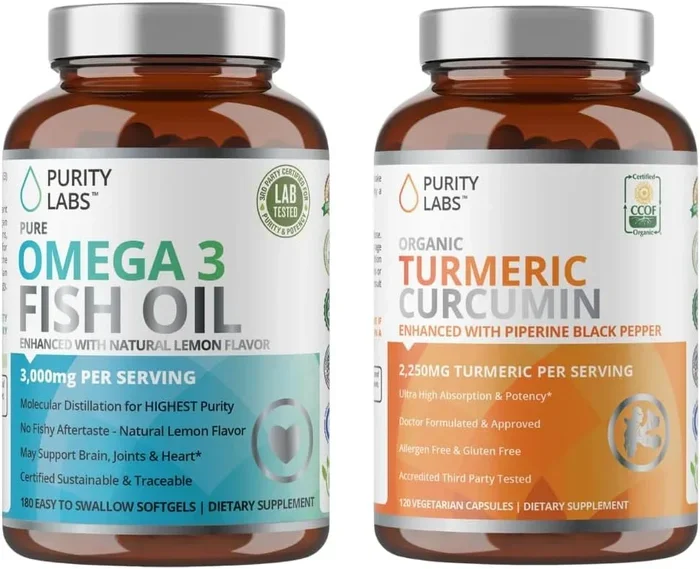
Turmeric and fish oil each offer powerful health benefits, but neither is universally “better” — it depends entirely on your specific health goals and needs. Turmeric shines for its anti-inflammatory properties and antioxidant support, while fish oil delivers essential omega-3 fatty acids that promote heart and brain health. The best choice is the one that aligns with what your body needs most right now.
Is Turmeric Better Than Fish Oil
Turmeric and fish oil are two of the most popular supplements on the market today. People reach for them for different reasons, but the big question remains: is turmeric better than fish oil? The truth is, both offer unique health benefits that can improve your well-being in meaningful ways. Understanding what each one brings to the table helps you make the right choice for your body and your goals.
If you have been comparing these two supplements, you are not alone. Many health-conscious individuals wonder which one delivers more value. Turmeric shines for its powerful anti-inflammatory properties, while fish oil is known for its omega-3 fatty acids that support heart and brain health. In this guide, we will break down everything you need to know so you can decide with confidence.
We will look at what makes each supplement special, where they overlap, and where one clearly outperforms the other. By the end, you will have a clear picture of which option fits your lifestyle best. Let us dive in.
Key Takeaways
- Neither supplement is universally better: Each targets different health needs effectively.
- Turmeric excels at fighting inflammation: Its curcumin content supports joint and overall wellness.
- Fish oil delivers essential omega-3s: These fatty acids boost heart and brain health.
- Combining both can maximize benefits: They work together without negative interactions.
- Bioavailability matters greatly: Turmeric needs piperine for proper absorption.
- Your health goals should guide the choice: Match the supplement to your specific needs.
- Consult a doctor before starting: Professional advice ensures safe and effective use.
📑 Table of Contents
- What Is Turmeric and Why Is It So Popular
- What Is Fish Oil and Why Do People Take It
- Is Turmeric Better Than Fish Oil for Inflammation
- Is Turmeric Better Than Fish Oil for Joint Health
- Is Turmeric Better Than Fish Oil for Heart Health
- Quick Tips for Choosing Between Turmeric and Fish Oil
- Common Mistakes People Make When Taking These Supplements
- Expert Insights on Turmeric vs Fish Oil
- Final Thoughts on Is Turmeric Better Than Fish Oil
What Is Turmeric and Why Is It So Popular
Turmeric is a bright yellow spice that comes from the root of the Curcuma longa plant. It has been used for centuries in traditional medicine, especially in India and Southeast Asia. The active compound in turmeric is called curcumin, and it is responsible for most of its health benefits. Curcumin is a powerful antioxidant and anti-inflammatory agent that has captured the attention of modern researchers.
How Curcumin Works in Your Body
Curcumin targets inflammation at the molecular level. It blocks a molecule called NF-kB, which plays a major role in chronic inflammation. This is why many people turn to turmeric for joint pain, digestive issues, and even mental health support. The anti-inflammatory effects of curcumin are well-documented in scientific studies.
However, there is a catch. Curcumin is not easily absorbed by the body on its own. That is why many supplements combine it with piperine, found in black pepper, to boost bioavailability. Without this pairing, you may not get the full benefits from your turmeric supplement.
Key Health Benefits of Turmeric
- Reduces chronic inflammation effectively
- Provides strong antioxidant protection
- Supports joint health and reduces stiffness
- Aids digestion and gut health
- May improve brain function and mood
- Supports healthy cholesterol levels
What Is Fish Oil and Why Do People Take It
Fish oil is extracted from the tissues of fatty fish like salmon, mackerel, and sardines. It is rich in omega-3 fatty acids, specifically EPA and DHA. These essential fats play a crucial role in heart health, brain function, and reducing inflammation throughout the body. Unlike turmeric, fish oil provides fatty acids that your body cannot produce on its own.
The Role of Omega-3s in Your Health
Omega-3 fatty acids support nearly every system in your body. They help build cell membranes, reduce triglycerides, and support healthy blood pressure. Many doctors recommend fish oil capsules as a daily supplement for people who do not eat enough fatty fish. The EPA and DHA in fish oil are the forms your body can use most directly.
Fish oil has also been studied for its effects on mood, cognitive decline, and eye health. The research backing fish oil is extensive, spanning decades of clinical trials. This makes it one of the most trusted dietary supplements available today.
Key Health Benefits of Fish Oil
- Supports heart health and reduces triglycerides
- Promotes brain function and cognitive health
- Reduces inflammation, especially in joints
- Supports eye health and vision
- Helps with mood regulation and mental well-being
- May improve skin health and hydration
Is Turmeric Better Than Fish Oil for Inflammation
This is where the comparison gets really interesting. Both turmeric and fish oil have anti-inflammatory properties, but they work in different ways. Turmeric targets inflammation through curcumin, which directly blocks inflammatory pathways. Fish oil reduces inflammation through omega-3 fatty acids, which are converted into specialized molecules that calm the immune response.
For acute inflammation, fish oil tends to work more gradually. For chronic, low-grade inflammation, turmeric often delivers faster and more noticeable relief. If your main goal is to tackle inflammation specifically, the answer to is turmeric better than fish oil may lean toward turmeric. But it is not that simple, as we will see below.
Some people find that combining both supplements creates a stronger anti-inflammatory effect than either one alone. This is worth considering if you are dealing with persistent inflammation or conditions like arthritis.
Is Turmeric Better Than Fish Oil for Joint Health
Joint health is one of the top reasons people take supplements. Both turmeric and fish oil have shown promise in reducing joint pain and stiffness. However, the way they approach joint health differs significantly.
Turmeric for Joints
Turmeric works by reducing the inflammatory signals that cause joint pain. Many people with osteoarthritis and rheumatoid arthritis report significant improvement after taking curcumin supplements regularly. The anti-inflammatory effect can help reduce swelling, tenderness, and morning stiffness in joints.
Fish Oil for Joints
Fish oil supports joint health by lubricating the joints from the inside out. The omega-3 fatty acids help reduce the production of inflammatory compounds that degrade cartilage over time. People who take fish oil often notice improved joint flexibility and reduced discomfort during physical activity.
If you are dealing with arthritis or general joint stiffness, you might want to try both and see which one works better for your body. Some people respond better to turmeric, while others see more benefit from fish oil.
Is Turmeric Better Than Fish Oil for Heart Health
When it comes to heart health, fish oil has a stronger track record. The omega-3 fatty acids in fish oil are well-known for their cardiovascular benefits. They help lower triglycerides, reduce blood pressure, and prevent plaque buildup in arteries. Many cardiologists recommend fish oil as part of a heart-healthy routine.
Turmeric also supports heart health, but in a different way. Curcumin helps improve the function of the endothelium, which is the lining of your blood vessels. It also has antioxidant properties that protect the heart from oxidative stress. However, the evidence for turmeric’s heart benefits is not as strong or as extensive as it is for fish oil.
So if heart health is your primary concern, fish oil remains the stronger choice. But turmeric can be a great complementary supplement to support overall cardiovascular function.
Quick Tips for Choosing Between Turmeric and Fish Oil
Here are some practical tips to help you decide which supplement is right for you:
- Identify your main goal. If you want anti-inflammatory support, lean toward turmeric. If you need omega-3s for heart or brain health, choose fish oil.
- Check the dosage. For turmeric, look for supplements that contain at least 500 mg of curcumin with piperine for absorption. For fish oil, aim for at least 1000 mg of combined EPA and DHA per serving.
- Consider your diet. If you eat fatty fish regularly, you may not need fish oil supplements. If your diet lacks anti-inflammatory foods, turmeric can fill that gap.
- Talk to your doctor. Especially if you take blood thinners or other medications, since both turmeric and fish oil can interact with certain drugs.
- Start with one supplement. Introduce one supplement at a time so you can track how your body responds before adding another.
Common Mistakes People Make When Taking These Supplements
There are a few pitfalls that many people fall into when adding turmeric or fish oil to their routine. Avoiding these mistakes can help you get the most out of your supplements.
- Skipping the black pepper. Taking turmeric without piperine means your body will absorb very little curcumin. Always choose a turmeric supplement that includes black pepper extract or take them together.
- Taking fish oil on an empty stomach. Fish oil can cause fish burps and nausea when taken without food. Always take it with a meal that contains some fat for better absorption.
- Choosing low-quality supplements. Not all supplements are created equal. Look for third-party tested products that verify purity and potency.
- Expecting overnight results. Both turmeric and fish oil require consistent use over weeks and months to see real benefits. Do not give up too early.
- Overdoing the dosage. More is not always better. Stick to the recommended dosage on the label and consult a healthcare professional if you are unsure.
Expert Insights on Turmeric vs Fish Oil
Nutrition experts generally agree that turmeric and fish oil are not competitors. They serve different but complementary roles in your health. Many registered dietitians recommend taking both as part of a balanced supplement routine. The key is understanding what each one does best and tailoring your choices to your specific health goals.
Some experts suggest that turmeric is better for people dealing with chronic pain and inflammation, while fish oil is better for those focused on heart and brain health. This aligns with what we see in the research. Neither supplement is a magic bullet, but both can make a real difference when used correctly and consistently.
For those still asking is turmeric better than fish oil, the honest answer is that it depends on your individual needs. Both supplements have strong scientific backing and millions of satisfied users worldwide. The best approach is to understand your body, set clear health goals, and choose the supplement that aligns with those goals.
You might also want to explore which supplement is better specifically for inflammation, as this is the area where turmeric and fish oil differ the most. Understanding these differences empowers you to make smarter choices for your health.
Final Thoughts on Is Turmeric Better Than Fish Oil
The debate between turmeric and fish oil comes down to what you want to achieve for your health. Turmeric excels at fighting inflammation and providing antioxidant support. Fish oil shines in supporting heart health, brain function, and delivering essential omega-3 fatty acids. Both are valuable supplements that can improve your quality of life when used wisely.
If you are looking for a single answer to is turmeric better than fish oil, the truth is that neither one is universally better. They each have unique strengths that make them indispensable for different health needs. The smartest approach is often to use both together, or to choose the one that best matches your current health priorities.
Start by identifying your main health goals, choose high-quality supplements, and give your body time to respond. With the right approach, you can enjoy the benefits of both turmeric and fish oil in your daily routine. The best supplement is the one that fits your life and helps you feel your best every day.
Frequently Asked Questions
Is Turmeric Better Than Fish Oil for Reducing Inflammation?
Turmeric contains curcumin, a powerful compound that targets inflammation at the cellular level. Fish oil delivers omega-3 fatty acids that also combat inflammation but through a different pathway. Both are effective, but turmeric may work faster for joint pain and swelling.
Which Is Better for Heart Health, Turmeric or Fish Oil?
Fish oil has a stronger track record for supporting heart health thanks to its omega-3 fatty acids, EPA and DHA. These fatty acids help lower triglycerides and reduce blood pressure more effectively. Turmeric still offers cardiovascular benefits by improving blood vessel function and reducing oxidative stress.
Can You Take Turmeric and Fish Oil Together?
Yes, taking turmeric and fish oil together is safe and may even enhance their combined benefits. The fats in fish oil can actually improve the absorption of curcumin from turmeric. This combination offers a broader range of anti-inflammatory and health-supporting properties.
Is Turmeric Better Than Fish Oil for Joint Pain Relief?
Turmeric is often preferred for joint pain because curcumin directly inhibits inflammatory enzymes. Fish oil helps lubricate joints and reduce stiffness over time. Many people find that turmeric provides quicker relief for acute joint discomfort compared to fish oil alone.
What Are the Main Differences Between Turmeric and Fish Oil Supplements?
Turmeric is a plant-based spice with curcumin as its active compound, while fish oil comes from fatty fish like salmon and sardines. Turmeric focuses on antioxidant and anti-inflammatory benefits, whereas fish oil provides essential omega-3 fatty acids. They work through different mechanisms, which is why some people choose to take both.
Which One Is Easier to Absorb, Turmeric or Fish Oil?
Fish oil is naturally well-absorbed by the body because omega-3 fatty acids are fat-soluble and easily processed. Turmeric’s curcumin has low bioavailability on its own, so it often needs black pepper extract or a lipid-based formula to be effective. Choosing a high-quality supplement can make a big difference in how well your body uses turmeric.