Is Tumbled Glass Safe Substrate for Betta Fish Tank
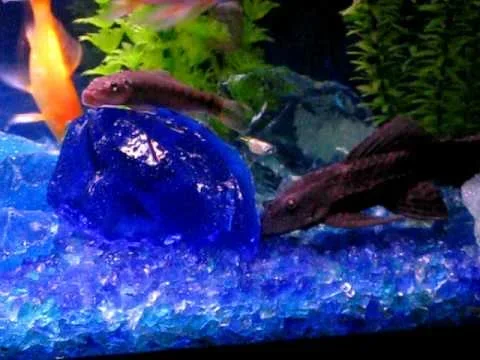
Tumbled glass is generally safe for betta fish tanks when you choose the right size and type. It offers a smooth, non-abrasive surface that protects your betta’s delicate fins and belly. This guide covers safety, benefits, drawbacks, and how to pick the best tumbled glass for your setup.
Are you thinking about switching your betta fish tank substrate to tumbled glass? You’re not alone. Many fish keepers are looking for safer, prettier alternatives to traditional gravel and sand. The good news is that tumbled glass substrate can be a fantastic option for your betta fish tank. But is it really safe? Let’s dive in and find out everything you need to know.
Choosing the right substrate for betta tank is more important than most people realize. The bottom of your tank affects water quality, bacteria growth, and even your fish’s comfort. Tumbled glass has become popular because it looks great and feels smooth. But there are a few things you need to check before you add it to your setup.
Key Takeaways
- Tumbled glass is safe: Its smooth edges make it a great choice for betta fish tanks.
- Size matters: Choose larger tumbled glass beads to prevent ingestion and waste buildup.
- Avoid dyed glass: Natural or untreated tumbled glass is the safest option for your betta.
- Easy to clean: Tumbled glass doesn’t trap debris like sand or finer gravel.
- Consider plant needs: Tumbled glass works best in tanks without rooted plants due to lack of nutrients.
- Pair with proper filtration: A good filter keeps the tank clean regardless of substrate choice.
📑 Table of Contents
- What Is Tumbled Glass Substrate?
- Is Tumbled Glass Safe for Betta Fish?
- Benefits of Using Tumbled Glass in a Betta Tank
- Potential Drawbacks to Consider
- How to Choose the Right Tumbled Glass for Your Betta Tank
- How to Prepare Tumbled Glass for Your Betta Tank
- How Does Tumbled Glass Compare to Other Substrates?
- Common Mistakes to Avoid When Using Tumbled Glass
- Expert Tips for a Beautiful Betta Tank With Tumbled Glass
- Final Thoughts
What Is Tumbled Glass Substrate?
Tumbled glass is regular glass that has been mechanically polished and smoothed. The process rounds off sharp edges and creates a pebble-like shape. You might also hear people call it glass pebbles, glass beads, or tumbled glass gravel. It comes in many colors and sizes, which makes it a popular choice for aquariums.
The tumbling process removes sharp edges that could hurt your fish. This is why many hobbyists consider it safer than rough gravel or sharp-edged substrates. The result is a smooth, shiny substrate that looks beautiful at the bottom of a tank.
How Is Tumbled Glass Made?
Manufacturers take raw glass pieces and put them in a large rotating drum. They add abrasive materials and water. Over time, the pieces knock against each other and become smooth. This natural polishing process takes hours or even days depending on the desired finish.
After tumbling, the glass is washed and sorted by size. Some manufacturers dye the glass to create bright aquarium colors. Others leave it natural, which is the safest option for fish tanks. Always check what your tumbled glass is made of before buying it for your betta tank.
Is Tumbled Glass Safe for Betta Fish?
The short answer is yes. Tumbled glass is safe for betta fish when you choose the right product and prepare it properly. The smooth surface won’t scratch your betta’s body or damage its long, flowing fins. Bettas are particularly vulnerable to fin damage because their fins are delicate and slow-moving.
Unlike sharp gravel or rough rocks, tumbled glass creates a gentle environment for your fish. Your betta can swim freely without worrying about cuts or scrapes. This is especially important for male bettas with elaborate tail fins like crowntail or halfmoon varieties.
Why Smooth Substrate Matters for Bettas
Betta fish spend a lot of time near the bottom of the tank. They like to rest on the substrate and explore the tank floor. If the substrate has sharp edges, it can hurt their underbelly and fins. This is why smooth substrate for betta setups is so important.
Tumbled glass provides a soft, safe surface that mimics a natural river bed. Your betta will feel more comfortable and behave more naturally. You may even notice your fish exploring the substrate more often, which is a great sign of a happy, healthy fish.
Benefits of Using Tumbled Glass in a Betta Tank
There are many reasons to consider tumbled glass as your betta fish substrate. Here are the top benefits that make it stand out from other options.
1. Beautiful Appearance
Tumbled glass comes in stunning colors and translucent shades. It adds a unique visual element to any aquarium. Unlike plain gravel or sand, glass pebbles catch the light and create a shimmering effect at the bottom of your tank.
2. Easy to Clean
One of the biggest advantages of tumbled glass is that it doesn’t trap waste. The smooth surface allows debris to sit on top where your filter can catch it. You can vacuum it easily during water changes. This makes tank maintenance much simpler compared to sand or fine gravel.
3. Safe for Fish and Plants
Quality tumbled glass is non-toxic and won’t release harmful chemicals into your water. It’s inert, which means it won’t alter your tank’s pH or hardness. This stability is great for betta fish, who thrive in consistent water parameters. If you’re also keeping live plants safe for betta fish, you’ll appreciate that tumbled glass doesn’t interfere with plant growth.
4. Durable and Long-Lasting
Tumbled glass doesn’t break down over time. It won’t crumble or decompose like some natural substrates. This means you won’t need to replace it frequently. A single bag can last for years, making it a cost-effective choice for your betta fish tank setup.
Potential Drawbacks to Consider
While tumbled glass has many benefits, there are a few downsides you should know about. Being aware of these helps you make the best decision for your tank.
1. Not Ideal for Rooted Plants
Tumbled glass doesn’t provide nutrients for plants. If you want a planted tank with rooted plants, you’ll need a separate nutrient-rich substrate underneath the glass. Some hobbyists layer soil or fertilizer tabs beneath the tumbled glass to support plant growth.
However, if you prefer floating plants or low-maintenance options, this isn’t an issue. Many betta tanks look great with just floating plants like frogbit or water lettuce. These plants don’t need substrate nutrients at all.
2. Can Be Expensive
Quality tumbled glass costs more than basic gravel or sand. You might pay two to three times as much for a bag of glass pebbles compared to regular aquarium gravel. That said, the durability and beauty often justify the extra cost.
3. Light Colored Glass Shows Dirt
White or light-colored tumbled glass can show waste and debris more easily. This means you’ll need to clean more frequently to keep your tank looking its best. Dark-colored glass hides waste better and might be a practical choice for busy fish keepers.
How to Choose the Right Tumbled Glass for Your Betta Tank
Not all tumbled glass is created equal. Here’s what you should look for when shopping for substrate for your betta fish tank.
Size Matters
Choose tumbled glass pieces that are at least 3 to 5 millimeters in diameter. Smaller pieces can get stuck in your filter or be accidentally ingested by your betta. Larger pieces also prevent waste from getting trapped between them, which helps maintain good water quality.
A good rule of thumb is that the pieces should be too big for your betta’s mouth. This eliminates any risk of ingestion. It also makes cleaning easier because debris sits on top of larger stones rather than getting trapped between tiny ones.
Go With Natural or Uncolored Glass
Natural tumbled glass without dyes is the safest choice. Dyed glass may contain chemicals that can leach into your water over time. Stick with clear or naturally colored glass pebbles to keep your betta safe and healthy.
If you really want color, look for brands that use fish-safe, non-toxic dyes. Always read product descriptions carefully and check reviews from other aquarium hobbyists before purchasing.
Check for Sharp Edges
Even though tumbled glass is polished, some pieces might still have rough spots. Before adding any substrate to your tank, run it through your fingers and check for sharpness. If it feels rough, rinse it thoroughly and check again.
Most reputable brands ensure their tumbled glass is fully smooth. But it never hurts to inspect your substrate before use. This small step can prevent potential injuries to your betta fish.
How to Prepare Tumbled Glass for Your Betta Tank
Proper preparation is key to making tumbled glass safe for your betta. Follow these simple steps before adding it to your aquarium.
- Rinse thoroughly: Wash the glass pebbles under running water to remove dust and debris. Use a strainer to catch small pieces that might float away.
- Soak overnight: Place the glass in a bucket of dechlorinated water and let it soak for 12 to 24 hours. This removes any remaining dust and ensures the substrate is fully clean.
- Rinse again: After soaking, rinse the glass one more time before adding it to your tank. This final rinse removes any loose particles.
- Add slowly: Place the tumbled glass gently into your tank. Pour it slowly to avoid disturbing your filter or decorations.
Following these steps ensures your tumbled glass substrate is clean and ready for your betta. It also prevents cloudy water after you set up your tank.
How Does Tumbled Glass Compare to Other Substrates?
Let’s look at how tumbled glass stacks up against other popular betta tank substrates. This comparison helps you make an informed choice.
| Feature | Tumbled Glass | Sand | Gravel |
|---|---|---|---|
| Smoothness | Very smooth | Very smooth | Can be rough |
| Ease of Cleaning | Easy | Moderate | Easy |
| Waste Trapping | Low | High | Moderate |
| Plant Support | Poor | Moderate | Moderate |
| Aesthetic Appeal | High | Medium | Medium |
| Cost | Higher | Low | Low |
| Betta Safety | Excellent | Excellent | Good (if smooth) |
As you can see, tumbled glass scores very well for betta safety and ease of cleaning. It’s one of the best choices for a what is the best tank for betta fish setup, especially if you want a clean, attractive tank with minimal maintenance.
Common Mistakes to Avoid When Using Tumbled Glass
Even safe substrates can cause problems if used incorrectly. Here are common mistakes to avoid.
Using Dyed or Painted Glass
Some tumbled glass products come with bright artificial colors. These dyes can leach into your water and harm your fish. Always choose natural or clearly labeled fish-safe glass. Your betta’s health is more important than a flashy color.
Choosing Pieces That Are Too Small
Tiny glass beads look pretty but create problems. They trap waste, get sucked into filters, and can be ingested by fish. Stick to pieces that are at least 3mm in size for a betta tank. This keeps your fish safe and your tank easier to maintain.
Skipping the Rinse
Tumbled glass often comes with fine dust from the manufacturing process. If you don’t rinse it properly, your tank water will turn cloudy. Always wash your substrate thoroughly before adding it to your aquarium. This simple step saves you from headaches later.
Ignoring Your Betta’s Behavior
After adding new substrate, watch your betta closely for the first few days. If your fish seems stressed or avoids the substrate, something might be wrong. Check for sharp edges or chemical reactions. When in doubt, remove the substrate and try a different option.
Expert Tips for a Beautiful Betta Tank With Tumbled Glass
Want to make your betta tank really stand out with tumbled glass? Here are some expert tips that experienced fish keepers swear by.
Pair your tumbled glass with dark gravel underneath. This creates a two-tone effect that looks stunning and makes your glass pebbles pop. Many hobbyists use a thin layer of dark sand beneath the glass for this purpose.
Add some live or silk plants to your tank. Plants soften the look of the substrate and give your betta places to explore and rest. Just make sure any plants you add are safe for betta fish and won’t harm your fish with sharp edges or chemicals.
Use LED lighting to enhance the beauty of your tumbled glass. The way light passes through glass pebbles creates a magical underwater effect. Your tank will look like a piece of art on your desk or shelf.
Remember that what is the correct pH level for betta fish is also important regardless of your substrate choice. Tumbled glass is inert, so it won’t change your water parameters. But you should still test your water regularly to keep your betta healthy and happy.
Final Thoughts
Tumbled glass is a safe and beautiful substrate choice for betta fish tanks. Its smooth surface protects your fish, its easy cleanup saves you time, and its stunning appearance makes your tank look incredible. As long as you choose the right size, avoid dyed products, and prepare the substrate properly, your betta will thrive in a tumbled glass environment.
Every betta fish tank setup is different, and the best substrate depends on your personal preferences and tank conditions. If you’re still deciding, check out our guide on what’s the best substrate for betta fish for more options. And if you’re wondering about tank size, our article on what is the best tank size for a betta fish can help you plan the perfect home for your fish.
Take your time, choose quality tumbled glass, and enjoy watching your betta explore its beautiful new home. Your fish will thank you with vibrant colors and lively behavior for years to come.
Frequently Asked Questions
Is tumbled glass safe for all types of betta fish?
Yes, tumbled glass is safe for all betta varieties including crowntail, halfmoon, plakat, and veil tail. The smooth surface won’t damage any betta’s fins or body. Just make sure the glass pieces are large enough that your fish can’t ingest them.
Can I mix tumbled glass with other substrates?
Absolutely. Many hobbyists layer tumbled glass over a nutrient-rich base for planted tanks. You can also mix it with sand for a unique look. Just make sure all substrates are fish-safe and properly rinsed before adding them to your tank.
How deep should the tumbled glass layer be?
A layer of 1 to 2 inches works well for most betta tanks. This depth is enough to look full and attractive without trapping too much debris. Deeper layers can make cleaning harder and may create pockets of waste that affect your water quality.
Does tumbled glass affect water pH?
No, quality tumbled glass is inert and won’t change your water’s pH or hardness. This makes it a stable choice for betta tanks where consistent water parameters are important. Always rinse your substrate before use to remove any manufacturing dust.
Can betta fish eat tumbled glass?
Betta fish cannot eat tumbled glass pieces if you choose the right size. Select pieces that are at least 3 to 5 millimeters so they are too large for your betta to swallow. This eliminates any ingestion risk and keeps your fish safe.
How often should I clean tumbled glass substrate?
Clean your tumbled glass during every water change by vacuuming the surface. Because the smooth texture doesn’t trap waste, maintenance is easier than with sand or fine gravel. A quick rinse during water changes keeps your substrate looking fresh and your tank water clear.