Is There Better Fishing in Lakes or Rivers
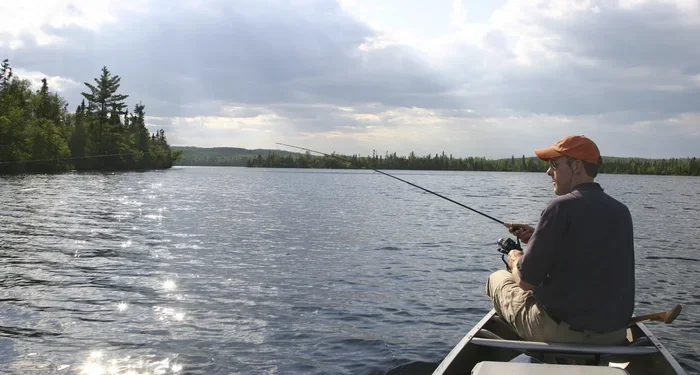
Is there better fishing in lakes or rivers? Both offer unique advantages depending on the fish species, season, and your skill level. Lakes provide calm, still water ideal for beginners, while rivers deliver strong currents and active fish for experienced anglers. This guide breaks down the key differences so you can pick the right water.
Fishing is one of the most rewarding outdoor activities you can enjoy. But when you stand at the water’s edge, one question always comes up: is there better fishing in lakes or rivers? Anglers have debated this for decades, and the answer is not as simple as picking one over the other.
The truth is, both lakes and rivers offer incredible fishing opportunities. Each type of water has its own set of advantages and challenges. Your choice depends on what kind of fish you want to catch, your experience level, and the gear you have. In this guide, we will break it all down so you can make the best decision for your next fishing trip.
Whether you are a complete beginner or a seasoned pro, understanding the differences between lake fishing and river fishing will help you plan smarter trips. Let us dive in and explore what each water type has to offer.
Key Takeaways
- Lakes are beginner-friendly: Still water makes it easier to learn casting and bait techniques.
- Rivers offer more challenge: Current and moving water create exciting fishing conditions.
- Fish species differ by water type: Bass and trout thrive in lakes, while salmon and catfish prefer rivers.
- Season matters for both: Spring and fall are prime times in lakes and rivers alike.
- Gear choices vary: Lighter tackle works best in lakes, while heavier setup suits river fishing.
- Location strategy is key: Understanding structure and current helps you find fish faster in any water.
📑 Table of Contents
Understanding Lake Fishing
Lakes are large bodies of still or slow-moving water. They are often surrounded by land on all sides, which creates a calm and predictable environment. Lake fishing is one of the most popular forms of freshwater angling in the world.
Why Lakes Are Great for Fishing
Lakes offer a peaceful and stable fishing experience. The water does not move much, which means you can cast your line and wait without fighting against currents. This makes lakes perfect for beginners who are just learning the ropes.
- Easy access: Many lakes have public shores, docks, and boat ramps.
- Calm water: No strong currents to deal with, so your bait stays where you place it.
- Diverse fish species: Lakes often hold bass, trout, catfish, and panfish.
- Boat fishing options: You can use kayaks, canoes, or motorboats to reach deeper spots.
If you are wondering is there better fishing in lakes or rivers, lakes give you a forgiving environment to practice your skills. You can use a wide range of techniques like still fishing, trolling, or casting near structures like docks and fallen trees.
Best Times to Fish Lakes
Timing plays a big role in lake fishing success. Early mornings and late evenings are usually the most productive. Fish tend to feed closer to the surface during cooler parts of the day. Why is fishing better in the morning? Because the water is cooler and fish are more active. This is especially true during summer months when midday heat drives fish deeper.
Spring and fall are also excellent seasons for lake fishing. Fish are feeding heavily to prepare for spawning or to build up energy for winter. You can check is it better to go fishing before or after rain for extra tips on timing your trips around weather changes.
Understanding River Fishing
Rivers are flowing bodies of water that move in one direction. The current is the defining feature of river fishing. It changes how fish behave, where they hold, and what techniques you need to use. River fishing can be more challenging but also more thrilling.
Why Rivers Offer Unique Fishing Opportunities
Rivers are dynamic environments. The constant flow of water brings food, oxygen, and nutrients that attract fish. River fish tend to be stronger and more active because they constantly fight against the current. This makes catching them more rewarding.
- Active fish: Current keeps fish moving and feeding more frequently.
- Natural food flow: Insects, baitfish, and nutrients drift downstream, drawing fish to specific spots.
- Variety of habitats: Rivers have pools, riffles, bends, and drop-offs that all hold fish.
- Challenging experience: Fighting a fish in moving water tests your skills like nothing else.
If you enjoy a more hands-on approach, river fishing might be your thing. You need to read the water, understand current patterns, and position yourself in the right spots. For more insights on how water flow affects fishing, check out is fishing better when water is rising or falling.
Best Times to Fish Rivers
Rivers can be fished year-round, but certain conditions make them more productive. Early morning and late evening remain the best times. Overcast days also work well because fish feel safer feeding in low light conditions.
Seasonal changes affect river fishing too. In spring, rising water levels push fish into new areas. In summer, focus on shaded spots and deeper pools. Fall brings aggressive feeding as fish prepare for winter. And in winter, slow presentations near deeper channels work best. You can learn more about weather and fishing in is it better or worse to fish in the rain.
Fish Species: Lakes vs Rivers
Different fish species prefer different types of water. Understanding which fish live in lakes and which thrive in rivers helps you target the right catch. Here is a quick comparison of popular game fish.
| Fish Species | Prefers Lakes | Prefers Rivers | Difficulty Level |
|---|---|---|---|
| Largemouth Bass | Yes | Sometimes | Easy to Moderate |
| Rainbow Trout | Yes | Yes | Moderate |
| Catfish | Yes | Yes | Easy |
| Salmon | Rarely | Yes | Hard |
| Bluegill | Yes | Rarely | Easy |
| Pike | Yes | Sometimes | Moderate |
| Sturgeon | Sometimes | Yes | Hard |
Lakes tend to support warm-water species like bass and bluegill. Rivers are better for cold-water species like salmon and trout that need strong currents and oxygen-rich water. However, many species like catfish and pike can be found in both environments. This flexibility is one reason why is there better fishing in lakes or rivers is such a popular question.
Gear and Equipment Comparison
Your gear setup should match the type of water you are fishing. Using the wrong equipment can make your trip frustrating and unproductive. Here is what you need to know about choosing the right tackle.
Gear for Lake Fishing
Lake fishing generally calls for lighter and simpler setups. Since the water is still, you do not need heavy-duty gear to fight strong currents.
- Rod: A medium-light spinning rod works great for most lake species.
- Line: Monofilament or braided line in the 6 to 12-pound test range is ideal.
- Reel: A basic spinning reel with a smooth drag system is all you need.
- Bait: Live bait like worms, minnows, or artificial lures like spinnerbaits and crankbaits.
For lake fishing from a kayak or small boat, consider is a canoe or kayak better for fishing to find the right watercraft for your needs.
Gear for River Fishing
River fishing requires sturdier gear because you are dealing with current and stronger fish. You need equipment that can handle the extra pressure.
- Rod: A medium to medium-heavy rod with fast action handles river fish better.
- Line: Braided line in the 10 to 20-pound test range provides strength and sensitivity.
- Reel: A baitcasting reel offers more control when fighting fish in current.
- Bait: Live bait like crawfish, minnows, or drift rigs that move naturally with the flow.
Using the right line matters a lot. If you are unsure which type to choose, read up on is clear or green fishing line better to make an informed decision.
Techniques That Make the Difference
Your fishing technique can make or break your trip. Lakes and rivers demand different approaches. Here are the most effective methods for each water type.
Lake Fishing Techniques
- Still fishing: Cast your line out and wait. This is the simplest and most relaxing method.
- Trolling: Drag lures behind a slow-moving boat to cover more water.
- Topwater fishing: Use surface lures like poppers and frogs to trigger explosive strikes.
- Drop shotting: Present bait near the bottom in deeper lake zones.
River Fishing Techniques
- Drift fishing: Let your bait float naturally with the current along the river bottom.
- Backtrolling: Move your boat against the current while slowly dragging your lure.
- Casting upstream: Cast upstream and let the current carry your bait downstream past the fish.
- Eddy fishing: Fish in calm spots behind rocks and bends where current slows down.
Each technique works best in its matching environment. Trying to use lake techniques in a fast river will frustrate you, and vice versa. Understanding these differences is key to answering is there better fishing in lakes or rivers for your specific situation.
Weather and Water Conditions
Weather and water conditions affect both lakes and rivers, but in different ways. Learning how to read these conditions gives you a huge advantage on the water.
How Weather Affects Lakes
Lakes respond slowly to weather changes because of their large water volume. A sudden rainstorm might not change conditions much in a big lake. However, prolonged rain can muddy the water and push fish into shallower areas. Is fishing better in the rain? Often yes, because rain stirs up insects and baitfish that attract game fish to the surface.
How Weather Affects Rivers
Rivers react quickly to weather. Rain causes water levels to rise and currents to speed up. This can scatter fish or push them into calmer side channels. After a storm, rivers can become murky and dangerous to fish. Check is fishing better or worse after a storm for guidance on timing your river trips.
Water temperature is another critical factor. Most freshwater fish are most active between 55 and 75 degrees Fahrenheit. In lakes, temperature layers form at different depths. In rivers, temperature changes more evenly with the flow. Knowing this helps you find fish faster in any body of water.
Which Is Better for You?
The answer to is there better fishing in lakes or rivers comes down to your personal goals and preferences. Let us look at the pros and cons of each to help you decide.
Choose Lakes If You Want:
- A relaxed and peaceful fishing experience
- Easy access and convenient shore fishing
- A great place to learn and build skills
- More consistent catches with less effort
- Family-friendly outings with room for kids and pets
Choose Rivers If You Want:
- A more exciting and challenging experience
- Stronger fish that fight harder on the line
- A chance to explore moving water and read currents
- Access to species like salmon and trout that prefer flowing water
- A more adventurous and immersive outdoor experience
Both options deliver fantastic fishing. Many anglers enjoy both and switch between them based on the season and their mood. You can also combine the two by fishing river mouths where rivers meet lakes. These transition zones are hotspots because they attract fish from both environments.
For those who want to explore different fishing styles, consider reading about which is better inshore or offshore fishing to expand your knowledge of water-based fishing strategies.
Common Mistakes to Avoid
Whether you are fishing a lake or a river, certain mistakes can ruin your trip. Here are the most common ones and how to avoid them.
- Using the wrong gear: Light tackle in a river will snap. Heavy gear in a lake can scare fish away.
- Ignoring water conditions: Always check the weather and water flow before heading out.
- Fishing at the wrong time: Midday summer heat in lakes and low-light periods in rivers matter a lot.
- Not matching the hatch: Use bait and lures that mimic what fish are naturally feeding on.
- Being impatient: Lake fishing requires patience. River fishing requires quick reactions. Match your pace to the water.
Avoiding these mistakes will improve your catch rate and make every trip more enjoyable. Remember, every fishing spot has its own personality. Spend time learning the water you are fishing, and the fish will reward you.
Final Thoughts
So, is there better fishing in lakes or rivers? The honest answer is that both offer incredible experiences. Lakes give you calm, accessible, and beginner-friendly fishing. Rivers challenge you with moving water, stronger fish, and a more dynamic environment. Your choice depends on what you enjoy most and what kind of day you are looking for.
If you are just starting out, lakes are the best place to build confidence and learn the basics. Once you feel comfortable, try river fishing to level up your skills and experience the thrill of fighting fish in current. The best fishing happens when you get out on the water, so pick a spot and go cast a line.
Whether you choose a quiet lake or a rushing river, the joy of fishing stays the same. Tight lines and happy trails!
Frequently Asked Questions
Is lake fishing easier than river fishing?
Yes, lake fishing is generally easier for beginners. Still water is simpler to manage, and fish are easier to locate. River fishing requires understanding currents, reading water, and using heavier gear. Both are rewarding, but lakes provide a gentler learning curve.
What fish can you catch in lakes that you cannot catch in rivers?
Lakes are home to species like largemouth bass, bluegill, and walleye that prefer still water. While some of these fish can be found in slow river sections, they thrive best in lakes. Rivers are better for salmon, trout, and sturgeon that need strong currents and oxygen-rich water.
Can you use the same rod for lake and river fishing?
You can use a versatile medium rod for both, but you will get better results with specialized gear. A lighter rod works best for lakes, while a medium-heavy rod handles river current and stronger fish better. Matching your rod to the water type improves your chances of success.
What time of day is best for lake fishing?
Early morning and late evening are the best times for lake fishing. Fish feed more actively when the water is cool. Midday summer heat drives fish deeper, making them harder to reach. Overcast days can also produce excellent results throughout the day.
How does rain affect river fishing?
Rain can improve river fishing by increasing water flow and pushing food into the current. Fish often feed more actively after a rain event. However, heavy rain can make rivers dangerous and muddy. Check if is fishing better in the rain before heading out in wet conditions.
Which is more fun, lake fishing or river fishing?
This is entirely subjective. Lake fishing offers a peaceful and relaxing experience perfect for unwinding. River fishing delivers excitement and challenge as you battle fish in moving water. Many anglers enjoy both and switch based on their mood and the season.