Is It Okay to Pet a Betta Fish
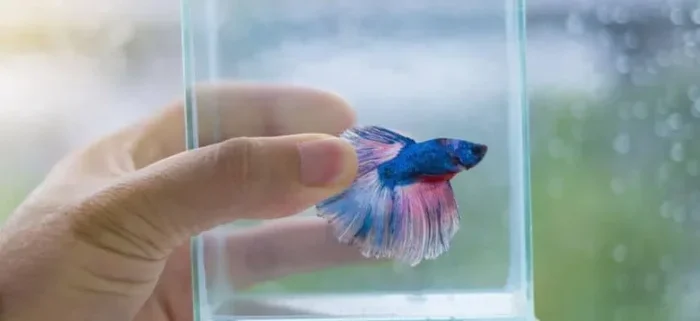
It is generally not okay to pet a betta fish. Their delicate scales and protective slime coat can be damaged by human touch, leading to stress and serious health problems. While bettas are beautiful and engaging pets, they are not like furry animals that enjoy being handled. The safest way to enjoy your betta is through observation and gentle tank maintenance.
Key Takeaways
- Avoid touching your betta fish: Their skin is protected by a thin slime coat that human hands can strip away, causing infections and stress.
- Petting a betta can cause serious harm: The physical contact removes their natural defense barrier and introduces harmful bacteria from your skin.
- There are safe ways to interact: You can still bond with your betta through feeding, observation, and training tricks without physical contact.
- Stress shortens betta lifespan: Handling and touching increase cortisol levels in bettas, which weakens their immune system and can lead to disease.
- Know the signs of stress: Clamped fins, faded colors, and rapid breathing are indicators that your betta is uncomfortable or unwell.
- Always wash your hands before tank maintenance: This protects your betta from chemicals, lotions, and bacteria on your skin.
📑 Table of Contents
- Is It Okay to Pet a Betta Fish?
- Why You Should Never Pet a Betta Fish
- What Happens When You Touch a Betta Fish?
- Can You Train a Betta Fish Without Touching It?
- How to Safely Interact With Your Betta Fish
- Common Mistakes People Make When Handling Betta Fish
- What to Do If You Accidentally Touched Your Betta
- Conclusion
Is It Okay to Pet a Betta Fish?
If you have ever stared into a betta fish tank and felt the urge to reach in and give your colorful friend a little touch, you are not alone. These fish are stunning. Their flowing fins and vibrant colors make them look almost magical. But here is the honest truth: petting a betta fish is not a good idea. In fact, it can do real harm to your fish.
Betta fish, also known as siamese fighting fish, are fascinating creatures. They are popular pets because they are relatively easy to care for and visually striking. However, they are not like cats or dogs. They do not enjoy being touched. Their bodies are built differently from furry pets, and even the gentlest touch can cause problems. In this article, we will explore why you should not pet your betta, what happens when you do, and how you can still build a strong bond with your fish without putting them at risk.
If you are new to betta fish care, understanding how to interact with your fish safely is one of the most important lessons you will learn. Let us dive in and break it all down.
Why You Should Never Pet a Betta Fish
The idea of petting a betta might seem harmless. After all, they look so calm and graceful gliding through the water. But beneath the surface, their bodies are very sensitive. Here is why physical contact is risky.
The Delicate Slime Coat
Every betta fish has a thin layer of mucus covering its body. This is called the slime coat. It serves as a protective barrier against bacteria, parasites, and infections in the water. When you reach into the tank and touch your betta, you strip away this protective layer. Without it, your fish becomes vulnerable to diseases that its body would normally fight off easily.
Think of the slime coat like a suit of armor. Once that armor is damaged, the fish underneath is exposed. Even if your hands look clean, they still carry oils, lotions, soaps, and bacteria that can harm your betta. This is why washing your hands thoroughly before any tank maintenance is essential.
Stress and Its Hidden Effects
Betta fish are not used to being touched. In their natural habitat, they live in warm, shallow waters in Southeast Asia where they rarely encounter large creatures. A hand reaching into their space is a scary and unfamiliar experience for them.
When a betta gets stressed, its body releases cortisol. This stress hormone weakens the immune system over time. A stressed betta is more likely to develop common illnesses like fin rot, ich, and fungal infections. Chronic stress can also shorten a betta fish lifespan significantly. Some bettas live for 3 to 5 years with proper care, but constant stress can cut that time short.
Signs of stress in bettas include clamped fins, faded colors, loss of appetite, and hiding more than usual. If you notice any of these after handling your fish, it is a clear warning sign that something is wrong.
The Risk of Physical Injury
Betta fish have delicate fins and a fragile body structure. Their fins can tear easily, and their scales can be damaged by rough handling. Even if you are extremely gentle, the simple act of grabbing or pushing a betta through the water can cause internal injuries. Their swim bladder, which helps them float and balance, can be disrupted by physical contact.
This is especially true for male betta fish, who have long, flowing fins that are particularly vulnerable to damage. A torn fin does not just look bad; it can become an entry point for infection.
What Happens When You Touch a Betta Fish?
Understanding what actually happens when you touch a betta helps you see why it is such a bad idea. Let us look at the immediate and long-term effects.
Immediate Reactions
The moment your hand enters the water, your betta will likely try to escape. Bettas are fast swimmers and will dart away from any perceived threat. Some bettas may flare their gills and fins in a defensive display. This is their natural response to a perceived predator, and it is not something they enjoy.
If you do manage to touch your betta, you may notice its colors fading slightly. This is a stress response. The fish is diverting energy away from its vibrant pigmentation to focus on survival. Once the stress passes, the colors usually return, but repeated stress can lead to lasting changes.
Long-Term Health Consequences
Repeated touching or handling can lead to serious health issues over time. Here are some of the most common problems:
- Fin rot: Bacterial infection that causes fins to look ragged and decayed.
- Columnaris: A bacterial disease that appears as white patches on the skin and fins.
- Ich (white spot disease): A parasitic infection that causes tiny white dots all over the body.
- Fungal infections: These often develop where the slime coat has been damaged.
- Loss of appetite: Stressed bettas often stop eating, leading to malnutrition and weakness.
If you ever notice any of these symptoms, it is important to act quickly. You can learn more about how to help a betta fish that is sick by checking our detailed guide on treating common betta illnesses. Early intervention makes a big difference in recovery.
Can You Train a Betta Fish Without Touching It?
Here is the good news. You do not need to touch your betta to build a relationship with it. Betta fish are intelligent creatures that can recognize their owners and even learn simple behaviors. The best way to interact with your betta is through positive reinforcement without any physical contact.
Teaching Your Betta to Follow Your Finger
One of the most fun things you can do is teach your betta to follow your finger on the outside of the tank. Place your clean finger against the glass and move it slowly. Most bettas will swim toward it out of curiosity. Over time, they will start following your finger around the tank. This is a great way to bond without any risk to your fish.
You can also try teaching your betta to do tricks like swimming through hoops or jumping for food. These activities keep your betta mentally stimulated and strengthen the bond between you and your fish. Just remember to always use food as a reward and never force your betta to do anything it does not want to do.
Feeding Time Bonding
Feeding time is one of the best opportunities to interact with your betta. Bettas quickly learn to associate their owner with food. You may notice your betta swimming to the front of the tank and watching you when it is feeding time. This is a sign of recognition and trust.
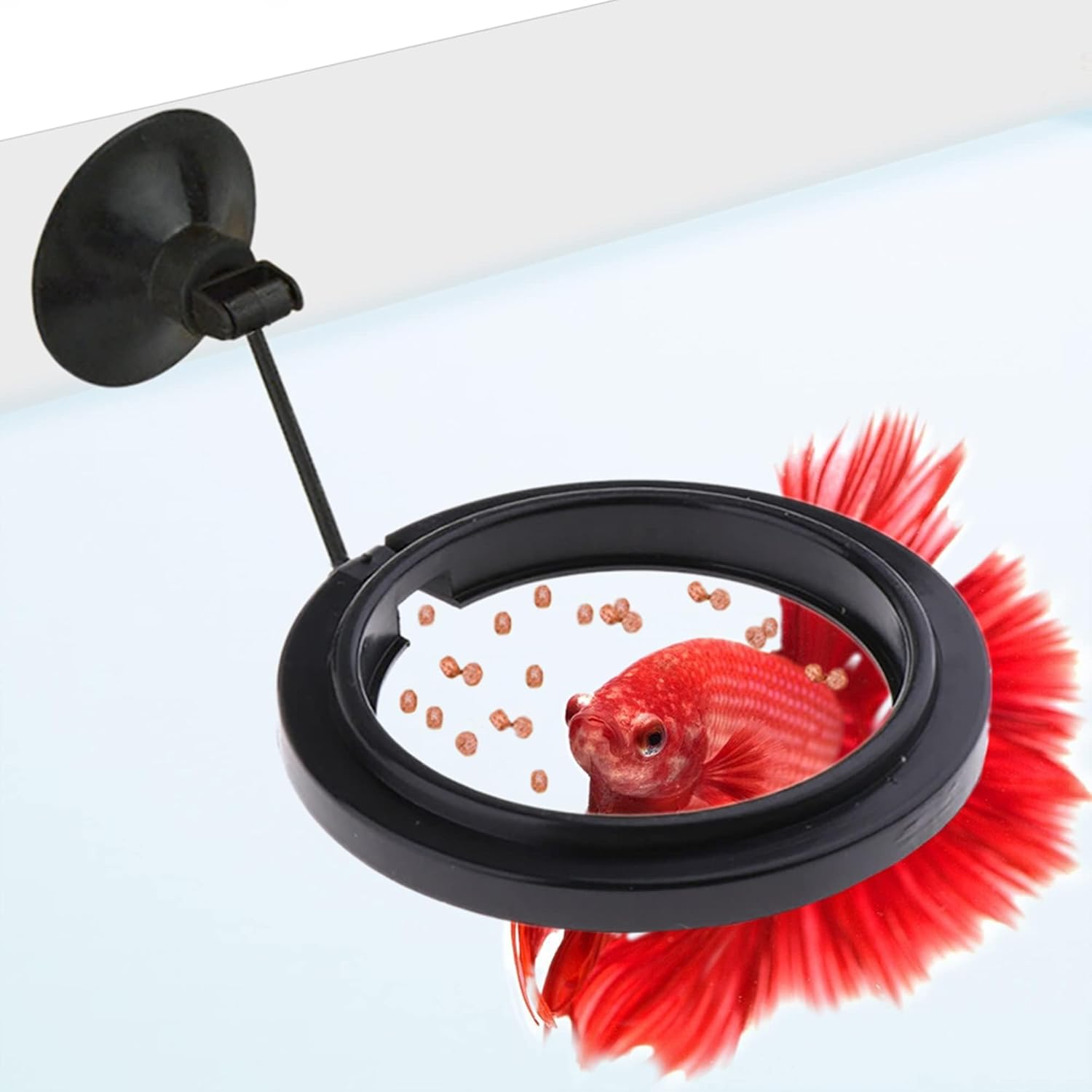
However, be careful not to overfeed. Are you supposed to feed a betta fish every day? Yes, but in small amounts. Two to three small feedings per day with a few pellets or frozen food is plenty. Overfeeding leads to obesity and poor water quality, both of which harm your betta’s health.
Using a Target Stick
Some betta owners use a small target stick to guide their fish around the tank. This is a completely hands-off method of interaction that keeps your hands away from the water entirely. The betta learns to swim to the target for a food reward. It is a safe and enriching activity that provides mental stimulation.
How to Safely Interact With Your Betta Fish
If you want to enjoy your betta without putting it at risk, there are plenty of safe alternatives to physical contact. Here are some of the best ways to interact with your fish while keeping it healthy and happy.
Observe and Enjoy
Sometimes the simplest interaction is the best one. Spend time watching your betta swim around the tank. Notice how it explores its environment, builds bubbles at the surface, and interacts with plants and decorations. Observing your betta is relaxing and helps you spot any early signs of illness or stress.
If you ever need to check on your betta’s health, try to do it from outside the tank. Look for bright colors, active swimming, and a healthy appetite. If anything seems off, you can investigate further without disturbing the fish physically.
Keep the Tank Clean
A clean tank is one of the best ways to show your betta love. Regular water changes and proper filtration go a long way in keeping your fish healthy. Can you use soap to clean a betta fish tank? Absolutely not. Soap is toxic to fish and can be fatal even in small amounts. Always use aquarium-safe cleaning products and rinse everything thoroughly with plain water.
Make sure your tank has the right temperature and water conditions. What is the best temperature for a betta fish tank? Ideally between 76 and 82 degrees Fahrenheit. A heater and thermometer are essential investments for any betta owner.
Provide Enrichment
Bettas need mental stimulation just like any other pet. You can enrich their environment by adding live plants, caves, and gentle decorations. Some bettas enjoy playing with bubble curtains or swimming through plants. A well-designed tank keeps your betta active and engaged.
Just make sure the tank is not too big or too small. What is the best tank size for a betta fish? A minimum of 5 gallons is recommended. Smaller bowls and cups are not suitable for long-term betta health.
Be Careful During Tank Maintenance
When you do need to put your hands in the tank for cleaning or water changes, always be gentle and quick. Avoid chasing your betta around the tank. Use a soft net if you need to move the fish, and only do so when absolutely necessary. The less handling, the better.
If you are concerned about water quality or need guidance on maintenance routines, our article on do betta fish have to be in a filtered tank provides helpful insights on keeping the water clean and safe.
Common Mistakes People Make When Handling Betta Fish
Even well-meaning betta owners can make mistakes that harm their fish. Here are some of the most common errors to avoid.
- Reaching into the tank too often: Every time you put your hand in the water, you introduce bacteria and stress your fish. Limit tank access to necessary maintenance only.
- Using soap or chemicals on hands before handling: Even trace amounts of soap can be deadly. Always rinse your hands with plain water and avoid lotions or soaps.
- Grabbing or chasing the fish: Never try to catch your betta by chasing it with your hands or a net aggressively. This causes extreme stress and physical injury.
- Ignoring signs of stress: If your betta looks pale, hides constantly, or refuses food after handling, give it time to recover and improve your tank conditions.
- Assuming bettas are like other pets: Bettas are not dogs or cats. They do not need or want physical affection. Respecting their nature is the best way to keep them healthy.
It is also worth noting that betta fish are not supposed to have constant bright light. Make sure your tank lighting is appropriate and not too harsh, as this can also contribute to stress. Similarly, avoid placing the tank near loud noises or high-traffic areas where vibrations can startle your fish.
What to Do If You Accidentally Touched Your Betta
Accidents happen. If you accidentally touched your betta, do not panic. Here is what you should do.
- Remove your hands from the tank immediately. Give your betta space to calm down.
- Observe your fish for the next few hours. Look for signs of stress like clamped fins, rapid breathing, or hiding.
- Check your tank water quality. If you had any soap, lotion, or chemicals on your hands, do a partial water change right away to remove any contaminants.
- Monitor your betta for the next few days. Watch for any signs of illness such as white spots, torn fins, or loss of appetite.
- Keep the tank environment calm. Reduce light levels and avoid any additional handling for a day or two.
Most bettas recover from accidental contact without any lasting effects, especially if you act quickly. However, if you notice persistent symptoms, it may be time to look into treatment options. You can find helpful advice on bringing a betta fish back to life or reviving a stressed fish in our other guides.
Conclusion
So, is it okay to pet a betta fish? The answer is a clear no. Petting a betta fish may seem like a harmless way to show affection, but it can strip away their protective slime coat, cause stress, and lead to serious health problems. These beautiful fish are not built for physical contact, and they do not need it to feel loved.
The best way to care for your betta is through proper tank maintenance, a healthy diet, and enriching surroundings. You can still build a meaningful bond with your fish by observing it, feeding it, and training it to follow your finger or swim through hoops. These interactions are safe, fun, and deeply rewarding.
Remember, a happy betta is a healthy betta. Treat your fish with respect, give it the space it needs, and you will enjoy many years of companionship with your stunning aquarium fish. If you ever have concerns about your betta’s health or behavior, always consult a veterinarian who specializes in fish or refer to trusted online resources for betta fish care advice.
Your betta does not need to be touched to know it is loved. It just needs a clean, warm, and peaceful home. Give your betta that, and you will have a loyal and beautiful companion for years to come.
Frequently Asked Questions
Can I touch my betta fish with clean hands?
Even with clean hands, touching a betta fish is not recommended. Your skin naturally produces oils and bacteria that can damage the fish’s slime coat and introduce harmful pathogens. Always avoid direct contact and opt for observing your betta from outside the tank instead.
Why does my betta fish hide after I touch it?
Hiding is a common stress response in bettas. When you touch them, it triggers their fight-or-flight instinct. They feel threatened and seek a safe hiding spot. If your betta hides frequently after handling, it is a sign that the experience was traumatic and you should avoid touching it in the future.
Can betta fish feel pain when touched?
Yes, betta fish can feel pain and discomfort when touched. They have sensory receptors that detect pressure and changes in their environment. Physical contact causes them stress and can lead to physical injury, especially to their delicate fins and scales.
How can I bond with my betta fish without touching it?
You can bond with your betta by feeding it at regular times, talking softly near the tank, teaching it to follow your finger on the glass, and using a target stick for training. These activities build trust and recognition without any physical risk to your fish.
What should I do if my betta fish gets injured from handling?
If your betta is injured from handling, check the wound for signs of infection like redness, swelling, or white patches. Do a partial water change to improve water quality, and consider using aquarium-safe treatments. If the injury does not improve, consult a fish veterinarian for professional advice.
Are betta fish safe to keep with children who might want to touch them?
Betta fish are generally safe pets, but children should be supervised and taught not to touch the fish. Explain to kids that bettas are delicate and need gentle care from a distance. This teaches responsibility and respect for the animal while keeping both the child and the fish safe.