Is It Okay to Feed Goldfish Betta Fish Food
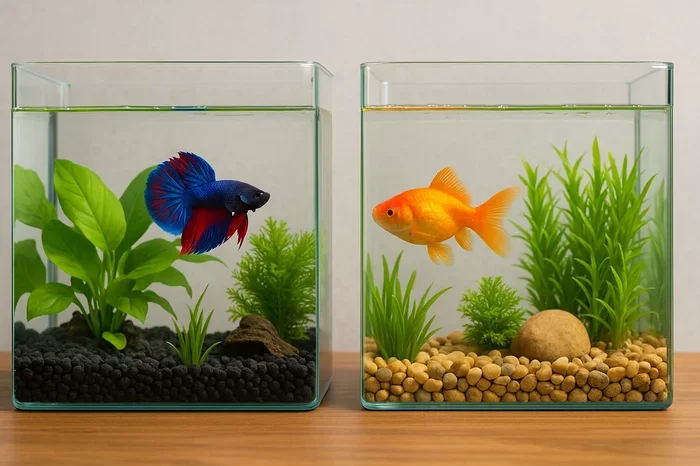
Feeding goldfish betta fish food is not ideal and should only be done occasionally. Betta food is too high in protein and lacks the fiber goldfish need. While a nibble won’t harm your goldfish, making it a regular meal can lead to serious health problems. Always choose food designed specifically for goldfish.
If you own both a betta fish and a goldfish, you might have wondered whether sharing food between them is okay. Maybe you ran out of goldfish flakes and considered grabbing the betta food instead. Or perhaps your goldfish keeps sneaking bites from the betta’s tank. Either way, the question is it okay to feed goldfish betta fish food comes up a lot among fish keepers.
The short answer is no, it is not a good idea to make betta fish food a regular part of your goldfish’s diet. While a tiny nibble here and there will not kill your fish, the long-term effects can be harmful. Betta food and goldfish food are formulated very differently. Each fish species has unique dietary needs that specific foods are designed to meet.
In this article, we will break down exactly why betta food does not work well for goldfish. We will also explore what goldfish should actually be eating and share practical tips to keep both your betta and goldfish healthy. Whether you are a beginner or a seasoned aquarist, this guide will give you the clarity you need.
Key Takeaways
- Betta food is not suitable for goldfish: It has too much protein and not enough fiber for goldfish digestive systems.
- Occasional nibbles are okay: A small amount won’t cause harm, but it should never replace a goldfish’s regular diet.
- Goldfish need plant-based nutrition: Their diet should be rich in fiber and vegetables, not pure protein.
- Long-term feeding causes health issues: Problems like swim bladder disease, digestive blockages, and poor water quality can develop.
- There are better alternatives: Many goldfish-specific foods are available and affordable.
- Check ingredients before buying: Always read the label to ensure the food matches your fish species.
- Both fish have different needs: Betta and goldfish require very different nutritional profiles.
📑 Table of Contents
What Is Betta Fish Food Made Of?
To understand why betta food is not ideal for goldfish, you need to know what goes into it. Betta fish are carnivorous by nature. They are protein hunters in the wild, feeding on insects, larvae, and small crustaceans. Because of this, their food is built around high protein content.
Key Ingredients in Betta Food
Most high-quality betta pellets and flakes contain the following:
- Fish meal and shrimp meal: These are primary protein sources that bettas thrive on.
- Omega-3 and omega-6 fatty acids: These support vibrant colors and healthy fins.
- Animal-based proteins: Ingredients like bloodworm and krill are common.
- Low fiber content: Bettas do not need a lot of fiber in their diet.
- Artificial colors and fillers: Some cheaper brands include these to make food more appealing.
The protein content in betta food typically ranges from 35% to 50%. This is perfect for a betta’s short digestive tract and meat-eating lifestyle. However, goldfish have a completely different digestive system that requires a very different nutritional profile.
If you are curious about what else you can feed your betta beyond commercial food, check out our guide on what to feed betta fish besides fish food for some great options.
What Do Goldfish Need to Eat?
Goldfish are omnivores, but they lean heavily toward plant-based diets in the wild. They graze on algae, decaying plants, and small organisms found at the bottom of ponds and rivers. Their digestive systems are built to process fibrous, plant-rich foods over longer periods.
Goldfish Dietary Requirements
A healthy goldfish diet should include:
- Fiber-rich foods: Goldfish need fiber to keep their digestive system moving properly.
- Plant-based proteins: Unlike bettas, goldfish do best with plant-derived protein sources.
- Vegetables: Blanched peas, zucchini, and spinach are excellent choices.
- Low-fat content: Goldfish are prone to fatty deposits if fed too much protein-heavy food.
- Slow-sinking pellets or flakes: These are designed to match a goldfish’s grazing behavior.
Goldfish food typically contains around 25% to 35% protein, which is significantly lower than betta food. The fiber content is also much higher, usually around 3% to 5%. This balance helps goldfish process food efficiently and avoids digestive issues.
If you have been searching for information about is it okay to feed goldfish betta fish food, it is important to understand that the nutritional mismatch is real and significant. Goldfish simply cannot process the heavy protein load that betta food provides.
Can Goldfish Eat Betta Fish Food?
This is the core question, and the answer is nuanced. A goldfish can physically eat betta food without choking or immediately getting sick. However, just because they can eat it does not mean they should eat it regularly. Think of it like a human eating candy — an occasional piece is fine, but a candy-only diet would cause serious problems.
Short-Term vs Long-Term Feeding
Here is the key distinction:
- Short-term: If your goldfish eats a few betta pellets once or twice, it will likely be fine. There is no need to panic.
- Long-term: Regularly feeding betta food to goldfish can lead to serious health complications over time.
The problems arise because betta food is too rich in protein and fat for a goldfish’s digestive system. Goldfish lack the enzymes to efficiently break down large amounts of animal protein. Over time, this can cause a buildup of waste in their system, leading to bloating, constipation, and swim bladder issues.
If you have been wondering can goldfish eat betta food, now you know the answer is technically yes, but it should be avoided as a regular meal. If you want to explore the broader topic of cross-species feeding, you can read our article on can you feed betta food to goldfish for more detailed insights.
What Happens When Goldfish Eat Betta Food?
When a goldfish consistently eats betta food, several negative health outcomes can develop. Understanding these risks will help you make better feeding decisions for your fish.
Potential Risks and Side Effects
Here are the most common problems that arise from feeding betta food to goldfish:
- Swim bladder disease: The high protein content can cause constipation, which puts pressure on the swim bladder. This leads to difficulty swimming and floating issues.
- Digestive blockages: Goldfish need fiber to move food through their gut. Betta food lacks this, which can cause blockages over time.
- Poor water quality: Undigested protein creates more ammonia in the tank. This stresses both your goldfish and any tank mates.
- Stunted growth or abnormal growth: Goldfish need balanced nutrition for proper development. An imbalanced diet can lead to physical deformities.
- Fatty liver disease: Excess protein and fat can accumulate in the liver, a condition common in goldfish fed inappropriate diets.
- Reduced immune function: Poor nutrition weakens the immune system, making goldfish more susceptible to diseases and infections.
These risks are real and should not be taken lightly. If you have been accidentally feeding betta food to your goldfish, switch to proper goldfish food immediately and monitor your fish for any signs of distress.
Quick Tip: If you want to know the correct how much food to feed betta fish amounts so you do not overfeed either species, our detailed guide covers portion sizes and feeding schedules for both fish types.
Better Food Alternatives for Goldfish
The good news is that there are plenty of excellent goldfish food options available. You do not need to compromise your goldfish’s health. Let us look at the best choices.
Best Goldfish Food Options
| Food Type | Protein Content | Fiber Content | Best For |
|---|---|---|---|
| Goldfish Flakes | 25-30% | 3-5% | Daily feeding |
| Goldfish Pellets | 28-32% | 4-6% | Growth and health |
| Blanched Peas | Low | High | Digestive relief |
| Bloodworms (occasional) | High | Low | Treats only |
| Vegetable matter | Very low | Very high | Grazing and fiber |
Goldfish flakes and pellets are the foundation of a healthy goldfish diet. They are specifically formulated with the right balance of protein, fiber, vitamins, and minerals. Look for brands that list plant-based ingredients near the top of the ingredient list.
You can also offer occasional treats like blanched spinach, zucchini, or shelled peas. These provide essential fiber and variety. Just remember that treats should make up no more than 10% of the overall diet.
If you have been looking for can you feed betta fish goldfish flake food, the answer is similar — it works the other way around too. Goldfish flakes are not ideal for bettas either, as they lack the protein bettas need.
How to Keep Both Betta and Goldfish Healthy
If you keep betta fish and goldfish in the same household, feeding them properly becomes even more important. Each fish needs its own food to thrive. Here are some practical tips to manage feeding routines effectively.
Feeding Tips for Mixed Households
- Feed them separately: Drop betta food in one area and goldfish food in another. This prevents cross-contamination and ensures each fish gets the right nutrition.
- Stick to a feeding schedule: Feed both fish once or twice a day with small amounts. Remove any uneaten food after 2-3 minutes.
- Do not mix foods: Avoid throwing both types of food into the tank at once. This leads to overfeeding and water quality issues.
- Monitor portion sizes: Overfeeding is one of the most common mistakes fish keepers make. A pinch of food per fish is usually enough.
- Keep goldfish food stocked: Make sure you always have enough goldfish-specific food on hand so you are never tempted to substitute with betta food.
Setting up a simple feeding routine takes only a few minutes but pays off big time in fish health. Your goldfish will grow properly, maintain vibrant colors, and stay active. Your betta will also benefit from getting the right food without competition or confusion.
Expert Insight: Many fish keepers assume all fish food is basically the same. This is one of the biggest misconceptions in the hobby. Different species evolved to eat different foods, and their digestive systems reflect that. Taking the time to feed species-appropriate food is one of the easiest ways to ensure long, healthy lives for your fish.
Common Mistake: Never use betta food as a shortcut or replacement for goldfish food. Even if you are in a pinch, it is better to skip a feeding or offer a simple vegetable like a blanched pea than to give your goldfish betta food regularly.
Conclusion
So, is it okay to feed goldfish betta fish food? The clear answer is no, not as a regular diet. Betta food is too high in protein and too low in fiber for goldfish. While an occasional small nibble will not cause immediate harm, making it a habit can lead to serious health problems including swim bladder disease, digestive blockages, and fatty liver disease.
Your goldfish deserves food that is specifically formulated for its dietary needs. Invest in quality goldfish flakes or pellets, and supplement with occasional vegetables and treats. This simple change will make a huge difference in your goldfish’s health, lifespan, and overall happiness.
Remember, a well-fed fish is a healthy fish. Take the extra few minutes to stock the right food, and your goldfish will thank you for years to come. Keep learning, keep caring, and your fish will thrive.
Frequently Asked Questions
Can a goldfish eat betta pellets once in a while?
Yes, a single or occasional nibble of a betta pellet will not harm your goldfish. However, it should never become a regular part of their diet. Stick to goldfish-specific food for daily meals to ensure proper nutrition and digestive health.
What happens if my goldfish eats too much betta food?
If your goldfish eats too much betta food, it may experience bloating, constipation, and swim bladder issues. The high protein and low fiber content can overwhelm a goldfish’s digestive system. Watch for signs like floating sideways or a swollen belly, and switch to proper goldfish food immediately.
Is betta food worse for goldfish than other tropical fish food?
Betta food is particularly problematic for goldfish because of its very high protein content. Most tropical fish food has a more balanced protein-to-fiber ratio. Still, goldfish should not eat any tropical fish food as their primary diet. They need food specifically designed for their digestive needs.
How often should I feed my goldfish?
Feed your goldfish once or twice a day with small amounts. Only give them as much food as they can consume in 2-3 minutes. Overfeeding is a common mistake that leads to poor water quality and health problems. Consistency and portion control are key.
Can I feed my goldfish vegetables instead of fish food?
Vegetables like blanched peas, zucchini, and spinach make excellent supplements to a goldfish diet. However, they should not completely replace commercial goldfish food. Fish food provides essential vitamins and minerals that vegetables alone cannot offer. Use vegetables as a healthy addition, not a replacement.
Why is protein content so important when choosing fish food?
Protein content matters because different fish species have different protein needs. Bettas need high protein to support their carnivorous lifestyle, while goldfish need moderate protein with higher fiber. Feeding the wrong protein levels can lead to digestive problems, organ damage, and a shortened lifespan.