Is It Better to Fish Before or After High Tide
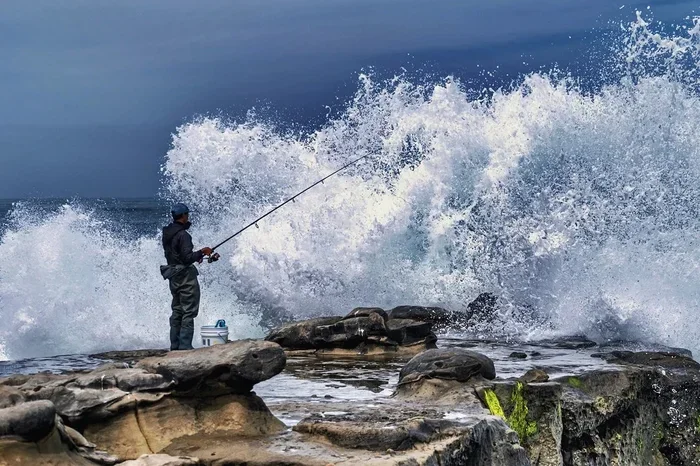
Knowing when to hit the water can make or break your fishing trip. Many anglers wonder whether it is better to fish before or after high tide, and the answer depends on several key factors like fish behavior, water movement, and your target species. This guide breaks down the science, timing, and proven strategies so you can plan your next outing with confidence and maximize your catch.
Key Takeaways
- Fish are most active during moving tides: Both the incoming and outgoing tides trigger feeding behavior, making these periods prime for fishing.
- Fishing before high tide offers calm water approach: You can target species that feed in shallower water as the tide rises.
- Fishing after high tide can be equally productive: The receding water pushes baitfish and nutrients toward shore, attracting predators.
- Local conditions matter more than generic rules: Tidal charts, moon phases, and weather all influence the best fishing window.
- Wind and barometric pressure play a big role: Check do fish feed better in low or high pressure to understand how atmospheric conditions affect your success.
- Timing your trip around the tide cycle saves wasted effort: Planning around slack tide and moving water gives you the best odds.
📑 Table of Contents
- Is It Better to Fish Before or After High Tide?
- Understanding Tides and Fish Behavior
- Fishing Before High Tide: What to Expect
- Fishing After High Tide: What to Expect
- Comparing Fishing Before vs. After High Tide
- Factors That Affect Tide Fishing Success
- Common Mistakes Anglers Make When Fishing Tides
- Expert Tips for Maximizing Your Tide Fishing
- Quick Tips for Fishing Around High Tide
- Final Thoughts
Is It Better to Fish Before or After High Tide?
If you have ever stood on a dock staring at the water, wondering when the best time to cast your line is, you are not alone. The question of whether it is better to fish before or after high tide comes up among beginners and seasoned anglers alike. The truth is, both windows offer unique advantages depending on where you fish, what species you target, and the conditions that day.
Tides shape the underwater world. They move water, carry food, and change the depth of channels and flats. Understanding how tidal movement affects fish behavior puts you ahead of most anglers. In this article, we will break down everything you need to know about fishing around high tide. You will learn the science behind it, practical tips, and common mistakes to avoid.
Understanding Tides and Fish Behavior
Tides are caused by the gravitational pull of the moon and sun. They create a predictable cycle of rising and falling water levels. Most coastal areas experience two high tides and two low tides every day. This rhythm has a direct impact on where fish feed and how they move.
Fish are creatures of habit. They follow the water movement because it brings food. When the tide rises, incoming water pushes baitfish, crabs, and other prey into shallower areas. When the tide falls, outgoing water carries nutrients and small organisms back toward deeper channels. Both movements trigger feeding activity in predator fish.
What Happens During High Tide?
High tide is the peak of the rising water. At this moment, the water reaches its highest point along the shore. Many anglers think that fishing right at high tide is the best option, but that is not always true. In fact, the period just before and just after high tide often produces better results.
During high tide, water covers areas that are normally dry. Fish move onto tidal flats, marshes, and shallow banks to feed. This is a great time to target species like redfish, trout, and flounder. However, the actual moment of high tide is called slack tide, when the water stops moving. Slack tide can be slow for fishing because fish take a break from actively feeding.
What Happens During Low Tide?
Low tide pulls water away from the shore and exposes structures like rocks, sandbars, and oyster beds. Fish retreat to deeper channels and hold areas. While low tide can still be productive, it often requires targeting deeper water. Surf fishing during low tide can be challenging because the water is too shallow for fish to move in comfortably.
Fishing Before High Tide: What to Expect
Fishing before high tide means you are on the water during the rising phase. The tide is moving in, and water levels are steadily increasing. This is often considered one of the best times to fish for several reasons.
As the water rises, it pushes baitfish and crustaceans toward the shore. Predator fish follow this food source. You will often see birds diving and baitfish jumping near the shore, which is a great sign that fish are feeding actively.
Why the Rising Tide Attracts Fish
The rising tide creates current. Current is the enemy of laziness for fish. It forces them to move and feed. When you fish before high tide, you are fishing during a period of active water movement. This movement makes fish more aggressive and willing to bite.
Additionally, the incoming water brings oxygen and nutrients into shallow areas. Fish that were holding in deeper water during low tide now move into these newly flooded zones to feed. This migration pattern means you can find fish in areas that were empty just hours earlier.
Best Baits and Lures for Pre-High Tide Fishing
When fishing the rising tide, natural baits work exceptionally well. Shrimp, live baitfish, and crabs mimic the food that the incoming tide carries. For lures, soft plastics and topwater plugs can be very effective during this moving water phase.
Focus on areas where the current funnels through gaps in structure. Points, channels, and openings in oyster beds are prime spots. The moving water concentrates fish in these narrow areas, making them easier to target.
Fishing After High Tide: What to Expect
Fishing after high tide means you are on the water during the falling phase. The water has reached its peak and is now receding. Many experienced anglers swear by this window, and for good reason.
As the tide falls, it pulls water back toward the ocean. This outgoing current carries baitfish, nutrients, and small organisms with it. Predator fish position themselves along the edges of channels and cuts to intercept this moving food. The result can be some of the most exciting fishing of the day.
Why the Falling Tide Pulls Fish In
The outgoing tide creates strong current in channels and cuts. Fish sit in these current seams and wait for easy meals. If you have ever watched an angler catch fish right after high tide, you know how fast action can happen. The water movement triggers a feeding response that is hard to ignore.
One important thing to remember is that the best time to fish after high tide is usually within the first two hours of the falling tide. During this window, the current is strongest and fish are actively feeding. After that, the current weakens and fish become less active.
Where to Fish During the Falling Tide
Look for deeper channels, drop-offs, and edges where shallow water meets deep water. These are the highways that fish use to move with the outgoing tide. Bridges, pilings, and rock structures along these channels hold fish waiting for the current to deliver food.
If you fish in coastal areas, check out is high tide or low tide better for surf fishing to understand how tide direction affects surf conditions and fish placement.
Comparing Fishing Before vs. After High Tide
So which is actually better? The honest answer is that it depends. Let us break down the comparison so you can make the best decision for your next trip.
| Factor | Before High Tide | After High Tide |
|---|---|---|
| Water Movement | Rising, steady current | Falling, strong current |
| Fish Location | Moving into shallow flats | Positioned in channels and cuts |
| Best Species | Trout, redfish, flounder | Redfish, bass, snook |
| Current Strength | Moderate | Strong to moderate |
| Ease of Access | Shallow areas flooding | Channels and deep spots accessible |
| Feeding Activity | High during rising water | High during early falling tide |
Both windows offer excellent fishing opportunities. The key is matching your strategy to the conditions. If you are fishing shallow flats, fishing before high tide gives you access to areas that are otherwise too dry. If you are targeting channel fish, the falling tide after high tide puts them in prime position.
Which Window Should You Choose?
Here is a simple rule of thumb. If you want to fish shallow water and sight-cast to fish, go before high tide. If you want to fish strong current and target aggressive predators, go after high tide. You can also fish both windows in the same day. Start before high tide and stay out through the falling tide for a full session of productive fishing.
Weather also plays a role in your success. If you are planning around weather conditions, check out whether is it better to go fishing before or after rain to understand how storms and rain affect tidal fishing and fish behavior.
Factors That Affect Tide Fishing Success
Tides are not the only factor that determines your success. Several other conditions interact with the tide cycle to create the best or worst fishing days. Understanding these factors helps you plan smarter trips.
Moon Phases and Tidal Range
The moon drives the tides. During a full moon and new moon, the gravitational pull is strongest, creating spring tides with a larger tidal range. This means higher high tides and lower low tides. Spring tides produce stronger current and more water movement, which means better fishing.
During quarter moons, the tidal range is smaller. These are called neap tides. The current is weaker, and fish may be less active. Plan your trips around spring tides for the best results.
Wind Conditions
Wind can either help or hurt your fishing. A strong offshore wind pushes water away from the shore, lowering the effective tide. An onshore wind pushes water toward the shore, raising it. Both scenarios change where fish are holding and how they feed.
On windy days, fish often stack up on the protected side of structure. Look for windbreaks like points, islands, and seawalls. The current still moves, but the wind concentrates fish in specific areas.
Barometric Pressure
Fish are sensitive to changes in barometric pressure. A falling barometer often signals incoming weather and can trigger feeding activity. A rising barometer after a storm can also produce excellent fishing. Stable pressure over several days usually means slower fishing.
If you want to understand how pressure affects fish feeding, read about do fish feed better in low or high pressure for a detailed breakdown of this important factor.
Water Temperature and Season
Water temperature influences where fish go and how actively they feed. In warmer months, fish are more active and feed throughout the tidal cycle. In colder months, fish are sluggish and only feed during the most favorable tide windows. Match your fishing to the season for the best results.
Common Mistakes Anglers Make When Fishing Tides
Even experienced anglers make mistakes when it comes to fishing tides. Avoiding these common errors can dramatically improve your catch rate.
- Fishing only at high or low tide. The most productive fishing happens during moving water, not at the peak of the tide. Do not waste your time sitting on the dock during slack tide.
- Ignoring the local tide chart. Every location has its own tidal pattern. Some areas have a single high and low tide per day. Always check the local tide chart before heading out.
- Not adjusting your position. As the tide changes, fish move. If you are not catching anything, try moving to a different depth or structure. Be willing to adapt.
- Overlooking the moon phase. Fishing during spring tides instead of neap tides can mean the difference between a great day and a slow day.
- Fishing in the wrong current direction. Make sure you understand whether you should fish with the current or against it. Most species feed more actively with the current or across it.
Expert Tips for Maximizing Your Tide Fishing
Here are some proven tips from experienced anglers that will help you make the most of every tide window.
- Arrive early. Get to your fishing spot at least an hour before the tide starts moving. This gives you time to set up and position yourself in the right spot.
- Use a tide timer app. Modern apps give you real-time tide data, moon phase information, and solunar forecasts right on your phone. These tools are invaluable for planning.
- Match your bait to the current. In strong current, use heavier bait or lures that can stay in the strike zone longer. In light current, finesse presentations work best.
- Fish the edges. Whether the tide is rising or falling, fish position themselves along the edges of current seams. These transition zones are where the feeding happens.
- Stay patient during slack tide. Slack tide can be slow, but the bite often picks up quickly once the water starts moving again. Use this time to rest and prepare for the next window.
- Keep a fishing log. Track the tides, weather, and catches for each trip. Over time, you will see patterns that help you predict the best fishing windows.
Quick Tips for Fishing Around High Tide
- Check the tide table for your specific fishing location the night before your trip.
- Fish the two hours before high tide for shallow water action.
- Fish the two hours after high tide for channel and current fishing.
- Bring both natural bait and artificial lures to match conditions.
- Watch for bird activity and baitfish breaking the surface as signs of feeding fish.
- Adjust your fishing spot as the tide changes throughout the day.
- Combine tide timing with weather forecasts for the best results.
Final Thoughts
The debate over whether it is better to fish before or after high tide does not have a single right answer. Both windows offer excellent opportunities, and the best choice depends on the species you target, the water depth, and the current conditions. Fishing before high tide gives you access to shallow flats and rising water that pushes food toward the shore. Fishing after high tide puts you in the path of strong outgoing current that concentrates fish in channels and cuts.
The real secret is understanding the full picture. Tides, weather, moon phases, and water temperature all work together to create the best fishing days. When you combine this knowledge with smart planning and a willingness to adapt, you will catch more fish and have more fun on the water.
Next time you plan a fishing trip, pull up the tide chart, check the weather, and pick your window. Whether you choose to fish before or after high tide, you will be well prepared to make the most of your time on the water. Tight lines and happy fishing.
Frequently Asked Questions
What is the best time to fish relative to high tide?
The two hours before high tide and the two hours after high tide are generally the most productive windows. During these periods, the water is moving and fish are actively feeding. Slack tide, which occurs right at the peak of high or low tide, tends to be slower for fishing because the water stops moving.
Should I fish before or after high tide for redfish?
Redfish are often most active during the incoming tide, so fishing before high tide is usually the better choice. As the water rises, redfish move onto flats and marshes to feed on baitfish and crabs. However, fishing after high tide can also be productive when the outgoing tide pushes fish into channels and cuts.
Can I catch fish during low tide?
Yes, low tide fishing can be effective, but it requires targeting deeper water and channels. Fish retreat to deeper areas when the tide falls. If you fish during low tide, focus on channels, drop-offs, and structures that remain submerged. The key is finding where fish hold when the water is low.
How does the moon phase affect tide fishing?
The moon phase directly affects the tidal range. During full and new moons, spring tides create higher high tides and lower low tides with stronger current. This leads to more active feeding and better fishing. During quarter moons, neap tides produce weaker current and can result in slower fishing action.
Is it better to fish with or against the current?
Most fish feed with the current or across it rather than against it. When fishing before high tide, the incoming current pushes bait toward shore, and fish face into it to feed. When fishing after high tide, the outgoing current draws fish to position themselves in current seams where they can easily intercept food.
What should I bring when fishing around high tide?
Bring a variety of baits including live shrimp, baitfish, and crabs for natural presentations. Pack both lightweight and heavier lures to match the current strength. A tide chart app, polarized sunglasses for spotting fish in shallow water, and a net for landing fish quickly will all improve your experience and success rate.