Is Flax Oil or Fish Oil Better for You
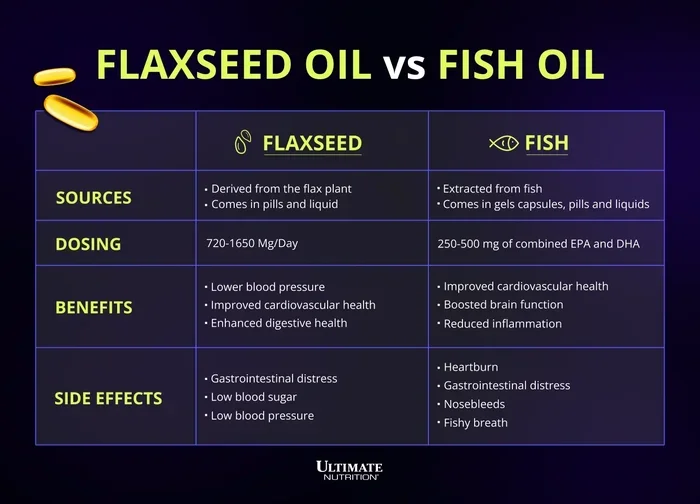
Fish oil and flax oil are both popular omega-3 supplements, but they serve different needs. Fish oil provides EPA and DHA directly, while flax oil offers ALA, a plant-based omega-3 your body must convert. For most people, fish oil is the stronger choice for heart and brain health, but flax oil shines for vegetarians and those seeking plant-based omega-3 support.
When it comes to omega-3 supplements, two names keep popping up on every health blog and nutrition label: fish oil and flax oil. You have probably stood in the supplement aisle scratching your head, wondering which one actually deserves a spot in your daily routine. The truth is, both oils bring something valuable to the table, but they work in very different ways.
Fish oil comes from fatty fish like salmon, sardines, and anchovies. It is packed with EPA and DHA, two omega-3 fatty acids your body puts to work right away. Flax oil, on the other hand, comes from flaxseeds and is rich in ALA, a plant-based omega-3 that your body needs to convert before it can use it fully.
So, which one is better for you? That depends on your diet, your health goals, and your lifestyle. In this guide, we break down everything you need to know so you can make a confident choice. Let us dive in.
Key Takeaways
- Fish oil delivers EPA and DHA directly: These are the omega-3s your body uses most efficiently for heart, brain, and joint health.
- Flax oil is a great plant-based option: It provides ALA, which benefits those who avoid animal products or follow a vegetarian diet.
- Conversion rates matter: Your body converts only a small portion of ALA from flax oil into EPA and DHA, making fish oil more bioavailable.
- Both oils support heart health: But fish oil has stronger evidence for reducing triglycerides and improving cardiovascular markers.
- Flax oil offers unique benefits: It contains lignans and fiber that fish oil lacks, supporting digestive and hormonal health.
- Quality matters for both: Choose cold-pressed, third-party tested options to ensure purity and freshness.
- The right choice depends on your diet and goals: Omnivores may prefer fish oil, while plant-based eaters will benefit more from flax oil.
📑 Table of Contents
What Is Fish Oil and What Is Flax Oil?
Understanding Fish Oil
Fish oil is one of the most studied supplements in the world. It comes from the tissues of oily fish, and it delivers two powerhouse omega-3 fatty acids: eicosapentaenoic acid (EPA) and docosahexaenoic acid (DHA). These are the forms of omega-3 that your cells, brain, and heart can use almost immediately.
Most people get their fish oil from capsules, liquid bottles, or even fortified foods. The fish oil supplement industry is massive, and for good reason. Decades of research back its benefits for heart health, brain function, and reducing inflammation.
Understanding Flax Oil
Flax oil is extracted from flaxseeds, a tiny seed packed with nutrition. Unlike fish oil, flax oil is almost entirely made up of alpha-linolenic acid (ALA). ALA is an essential omega-3, meaning your body cannot produce it on its own. But here is the catch: your body must convert ALA into EPA and DHA before it can use it.
That conversion process is inefficient. Research shows that only about 5 to 10 percent of ALA gets converted to EPA, and less than 1 percent becomes DHA. This is a big reason why many health experts lean toward fish oil for direct omega-3 support.
Nutritional Breakdown: Fish Oil vs Flax Oil
Let us look at the numbers side by side. Understanding what each oil brings to the plate makes the comparison much clearer.
Omega-3 Content Comparison
A standard serving of fish oil (about 1,000 mg) typically contains 300 mg of combined EPA and DHA. The same amount of flax oil provides around 500 to 700 mg of ALA. So on paper, flax oil seems to have more omega-3 per serving, but remember that ALA is not the same as EPA and DHA.
Other Nutrients
Fish oil also contains vitamins A and D in some formulations, especially if it comes from cod liver. Flax oil brings something different to the party: lignans and vitamin E. Lignans are plant compounds with antioxidant properties that support hormonal balance and digestive health.
Here is a quick look at how they compare:
- Fish oil: Rich in EPA and DHA, some vitamin A and D, supports cardiovascular and brain health.
- Flax oil: Rich in ALA, contains lignans and vitamin E, supports digestive and hormonal balance.
If you are comparing fish oil to flax oil for pure omega-3 potency, fish oil wins for bioavailability. Your body can use the omega-3s from fish oil right away, while it has to work harder to process flax oil.
Health Benefits of Fish Oil
Fish oil has been studied extensively, and the results are impressive. Here is what the science says about the major benefits.
Heart Health
Your heart loves fish oil. Studies show that EPA and DHA help lower triglycerides, reduce blood pressure, and decrease the risk of heart disease. The American Heart Association recommends eating fatty fish at least twice a week, and fish oil supplements can help fill the gap if you do not eat enough fish.
Brain Function and Mental Health
DHA makes up a large part of your brain tissue. Getting enough fish oil supports memory, focus, and mood. Some research suggests that omega-3s from fish oil may help reduce symptoms of depression and anxiety, though more studies are needed.
Inflammation and Joint Health
Chronic inflammation is linked to many modern diseases, from arthritis to heart disease. The EPA in fish oil has powerful anti-inflammatory properties. People who take fish oil regularly often report less joint pain and stiffness, especially in the morning.
Eye Health
DHA is also a major structural component of your retina. Adequate fish oil intake supports eye health as you age and may reduce the risk of macular degeneration.
Health Benefits of Flax Oil
Flax oil is not just a backup option for people who do not eat fish. It has its own set of benefits that make it a valuable addition to certain diets.
Plant-Based Omega-3 Source
If you follow a vegetarian or vegan diet, flax oil is one of the best ways to get omega-3 fatty acids. It provides ALA, which your body can partially convert into EPA and DHA. While the conversion is limited, consistent intake of flax oil can still support your omega-3 levels over time.
Digestive Health
Flax oil contains both soluble and insoluble fiber, which supports healthy digestion and regular bowel movements. It also has a mild, nutty flavor that works well in smoothies and salad dressings.
Hormonal Balance
The lignans in flax oil are phytoestrogens, plant compounds that can help balance hormones. Some studies suggest that flax lignans may support women during menopause and may reduce the risk of certain hormone-related cancers. This is a benefit that fish oil simply does not offer.
Skin and Hair Health
Omega-3 fatty acids from flax oil support skin hydration and elasticity. Many people notice healthier-looking skin and stronger hair after adding flax oil to their routine. The vitamin E in flax oil also acts as an antioxidant, protecting your skin from free radical damage.
Which One Is Better for You?
Here is the honest answer: fish oil is the better choice for most people who want direct omega-3 benefits. It delivers EPA and DHA in forms your body can use immediately, and the research backing its benefits for heart, brain, and joint health is overwhelming.
But flax oil has a place in specific situations:
- You follow a vegetarian or vegan diet and want a plant-based omega-3 source.
- You are looking for additional fiber and lignans in your diet.
- You have a fish allergy or dislike the taste of fish supplements.
- You want to support hormonal balance, especially during menopause.
For omnivores who eat fish regularly, getting omega-3s from food is ideal, and a fish oil supplement can fill any gaps. If you are comparing flax oil vs fish oil for heart health specifically, the evidence strongly favors fish oil. The EPA and DHA in fish oil have been shown to reduce triglycerides by 15 to 30 percent, a benefit that ALA from flax oil cannot match as effectively.
That said, some people benefit from combining both oils. You can take a fish oil supplement for EPA and DHA, and add a small amount of flax oil to your meals for its lignans and fiber. This approach gives you the best of both worlds.
Quick Tips for Choosing Between the Two
- Check your diet first. If you eat fatty fish twice a week, you may not need a supplement at all. If you eat little to no fish, fish oil or flax oil can help.
- Consider your health goals. For heart health, brain health, or inflammation, go with fish oil. For plant-based nutrition or hormonal support, choose flax oil.
- Look at absorption rates. Fish oil absorbs more efficiently than flax oil because it provides pre-formed EPA and DHA.
- Think about sustainability. Flax is a more sustainable crop than fishing, so flax oil has a lower environmental footprint.
- Taste and convenience matter. Flax oil has a mild, nutty taste that blends well into foods. Fish oil capsules can sometimes cause a fishy aftertaste, though enteric-coated options help with this.
How to Choose the Right Supplement
Not all supplements are created equal. Whether you choose fish oil or flax oil, quality matters. Here is what to look for.
For Fish Oil Supplements
- Purity: Choose fish oil that has been third-party tested for heavy metals, PCBs, and other contaminants. Look for certifications from IFOS or NSF.
- Concentration: Check the label for EPA and DHA content per serving. Higher concentration means fewer capsules to swallow.
- Freshness: Fish oil can go rancid. Check the expiration date and store it in the refrigerator after opening.
- Form: Triglyceride-form fish oil absorbs better than ethyl ester forms, though both are effective.
For Flax Oil Supplements
- Cold-pressed: Always choose cold-pressed flax oil to preserve the delicate omega-3 fatty acids.
- Dark bottles: Flax oil oxidizes quickly, so it should come in a dark glass bottle and be stored in the refrigerator.
- Lignan content: Some flax oil products retain the lignans from the seed, which adds extra health benefits. Look for “lignan-rich” options.
- Freshness: Like fish oil, flax oil goes rancid. Use it within a few weeks of opening and never heat it.
Common Mistakes to Avoid
One of the biggest mistakes people make is buying fish oil or flax oil based on price alone. Cheap supplements often contain oxidized oils that are less effective and may even be harmful. Another common mistake is not storing oils properly. Both fish oil and flax oil should be kept cool and away from light.
Some people also make the mistake of expecting flax oil to work exactly like fish oil. Because ALA converts so poorly, relying on flax oil alone for EPA and DHA may not be enough, especially for people with higher omega-3 needs like athletes or those with chronic inflammation.
Expert Insights on Omega-3 Supplementation
Nutrition experts generally agree that fish oil is the more effective omega-3 supplement for most people. The direct delivery of EPA and DHA makes it a reliable choice for supporting heart health, brain function, and reducing inflammation.
However, experts also recognize that flax oil plays an important role in plant-based nutrition. For vegetarians and vegans, flax oil combined with an algae-based DHA supplement can provide a complete omega-3 profile without any animal products.
If you are new to omega-3 supplementation, start with fish oil if you tolerate it well. If you follow a plant-based diet or have dietary restrictions, flax oil is an excellent starting point. You can always adjust your approach based on how your body responds.
For those curious about how flax oil compares to other omega-3 sources, you might want to explore our comparison of flaxseed oil or fish oil for more detailed insights on how these two stack up across different health metrics.
Final Thoughts
The debate between fish oil and flax oil comes down to your individual needs. Fish oil is the clear winner for direct omega-3 delivery, heart health, and brain support. Flax oil is the go-to choice for plant-based eaters and those seeking additional fiber and lignans.
Neither oil is bad for you. Both offer real, science-backed benefits. The best choice is the one that fits your diet, your health goals, and your lifestyle. If you are still unsure, consider talking to a healthcare provider who can help you choose based on your specific health needs.
Start with one oil, give it a few weeks, and pay attention to how you feel. Your body will tell you what works best. And remember, the best supplement is the one you will actually take consistently.
Frequently Asked Questions
Can I take fish oil and flax oil together?
Yes, you can take both together. Combining fish oil with flax oil gives you EPA and DHA from the fish oil and ALA plus lignans from the flax oil. This can be a great approach for people who want a broad omega-3 profile. Just keep an eye on your total intake and follow recommended dosages.
Is flax oil as effective as fish oil for heart health?
Not quite. Fish oil has stronger evidence for heart health benefits because it delivers EPA and DHA directly. Flax oil provides ALA, which your body must convert, and that conversion is limited. For dedicated heart support, fish oil is generally the better choice.
Can vegetarians get enough omega-3s from flax oil alone?
Flax oil is a great plant-based omega-3 source, but the ALA-to-EPA-and-DHA conversion is low. Vegetarians may want to combine flax oil with an algae-based DHA supplement to ensure they get enough of the omega-3s their body needs most.
Does flax oil have any side effects?
Flax oil is generally safe for most people. Some may experience mild digestive issues like bloating or diarrhea, especially at higher doses. It can also thin the blood slightly, so people on blood-thinning medications should consult their doctor before adding flax oil to their routine.
Which oil is better for skin health, fish oil or flax oil?
Both oils support skin health, but in different ways. Fish oil reduces inflammation that can cause acne and redness, while flax oil provides omega-3s and vitamin E that support skin hydration and elasticity. Some people benefit from using both for comprehensive skin support.
How long does it take to see results from fish oil or flax oil?
Most people notice subtle changes within 4 to 8 weeks of consistent use. Heart and cholesterol benefits may take 2 to 3 months to show up in blood work. Joint pain relief and improved mood often come first, while skin and hair improvements may take a bit longer. Consistency is key with both fish oil and flax oil.