Is Fishing Better During an Eclipse
Is fishing better during an eclipse? Many experienced anglers believe that eclipses create unique conditions that trigger aggressive feeding in fish. During a solar or lunar eclipse, changes in barometric pressure, light levels, and moon phases can significantly boost your catch rate. In this guide, we break down the science behind the eclipse effect on fish and share practical tips to maximize your fishing success.
Key Takeaways
- Eclipses affect fish behavior: Solar and lunar eclipses trigger changes in light, pressure, and gravity that stimulate feeding activity in both freshwater and saltwater fish.
- Low light is a major advantage: Reduced sunlight during an eclipse makes predatory fish more confident and active, improving your chances of a strike.
- Timing matters: The best fishing during an eclipse happens during the transition periods, especially just before and after totality or maximum coverage.
- Barometric pressure plays a key role: The pressure drops associated with eclipses can make fish more aggressive and responsive to bait.
- Use the right techniques: Slow presentations, topwater lures, and live bait tend to perform best during eclipse fishing conditions.
- Both freshwater and saltwater benefit: Bass, trout, catfish, tarpon, and many other species show increased activity during eclipses.
📑 Table of Contents
- Is Fishing Better During an Eclipse?
- The Science Behind the Eclipse Effect
- Freshwater vs. Saltwater: Which Benefits More?
- Best Times to Fish During an Eclipse
- Tips for Fishing During an Eclipse
- Common Mistakes to Avoid During Eclipse Fishing
- Expert Insights on Eclipse Fishing
- Key Takeaways
- Conclusion
Is Fishing Better During an Eclipse?
If you have ever wondered whether a solar or lunar eclipse gives you an edge on the water, you are not alone. Anglers across the world have reported remarkable catches during eclipses. The question is, is fishing better during an eclipse, or is it just a fishing myth?
The short answer is yes. There is real science behind why fish feed more aggressively during eclipses. Changes in light levels, barometric pressure, and moon phases all work together to create prime fishing conditions. Whether you chase bass in a lake or tarpon in the ocean, understanding the eclipse effect can seriously improve your fishing activity and results.
In this article, we will explore the reasons behind increased fish behavior during eclipses. We will also share actionable tips to help you make the most of this unique window of opportunity.
What Happens to Fish During an Eclipse?
During an eclipse, several environmental factors shift at once. Fish are highly sensitive to these changes. Their feeding patterns respond almost immediately.
Here are the main triggers:
- Light reduction: A sudden drop in sunlight confuses predatory fish. They think night has fallen, so they start hunting actively.
- Barometric pressure changes: Eclipses often coincide with slight pressure drops. Fish become more active in these conditions.
- Gravity shifts: The alignment of the sun, moon, and earth affects water movement. This can trigger feeding in both freshwater fishing and saltwater fishing.
- Temperature shifts: Especially during a solar eclipse, water surface temperatures cool slightly, pushing fish into shallower areas.
These factors combine to create what many experts call the “eclipse feeding window.” It is a short but powerful period when fish are more likely to strike.
The Science Behind the Eclipse Effect
Light Levels and Fish Sensitivity
Fish rely heavily on light to navigate and hunt. During a solar eclipse, the sky darkens dramatically within minutes. For predatory species like bass, pike, and catfish, this sudden shift triggers their instinct to feed. They cannot tell day from night, so they go on the offensive.
Studies on fish behavior have shown that low-light conditions increase aggression in many species. This is why night fishing is often so productive. An eclipse essentially creates a temporary “night” in the middle of the day.
Even species that are not typically aggressive feeders, like trout and panfish, tend to become more active. The reduced light makes them feel safer from predators, so they move into open water and feed more freely.
Barometric Pressure and Feeding Patterns
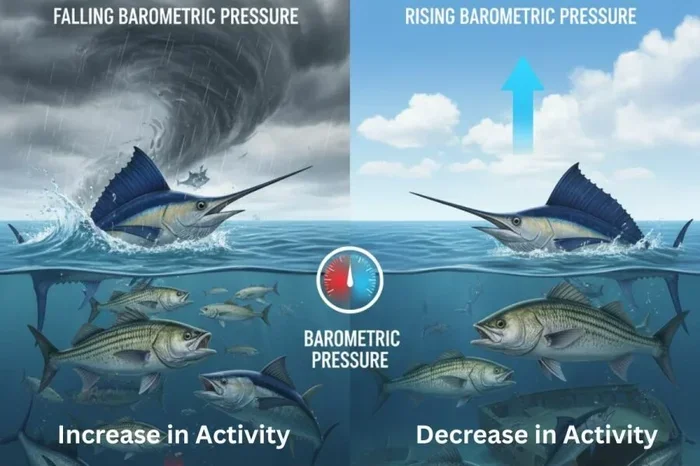
Barometric pressure is one of the biggest factors affecting fishing success. Falling pressure is generally associated with increased fish activity. During an eclipse, pressure often drops slightly, which puts fish in a feeding mood.
This is similar to the effect seen before a storm or during a cold front. Fish can sense the pressure change and respond by feeding aggressively. You can learn more about how pressure affects fishing in our detailed guide on is low pressure better for fishing.
After the eclipse passes, pressure typically rises again. This is why the best fishing often happens during the eclipse itself, not after it. The window is short, so you need to act fast.
Moon Phases and Gravity
Eclipses are tied to moon phases. A solar eclipse happens during a new moon, while a lunar eclipse occurs during a full moon. Both of these phases naturally produce stronger tidal forces. This increased gravitational pull affects water movement in oceans, lakes, and rivers.
Stronger tides mean more water movement. More movement stirs up baitfish and attracts predators. This is why many experienced anglers plan their fishing schedule around moon phases and eclipses.
If you fish in saltwater, the effect can be even more dramatic. Species like redfish, tarpon, and snook respond strongly to tidal changes triggered by eclipses. You can read more about how tides affect fishing in our article on is it better to fish during high or low tide.
Freshwater vs. Saltwater: Which Benefits More?
Both freshwater and saltwater fishing can see great results during an eclipse. However, the type of fish you target and the water environment affect how strong the eclipse effect will be.
Freshwater Fishing During an Eclipse
Freshwater species are highly responsive to the sudden change in light. Largemouth bass, smallmouth bass, crappie, catfish, and bluegill all tend to feed more actively during eclipses. The reduced light makes them feel protected from predators like birds and larger fish.
Catfish are especially easy to target during eclipses. They feed heavily at night, and the temporary darkness of an eclipse triggers the same response. Use chicken liver, cut bait, or nightcrawlers to take advantage of this behavior.
Bass anglers can also do well. Topwater lures work incredibly well during the low-light period. The surface disturbance attracts bass that are now actively hunting in shallow water.
For more tips on freshwater strategies, check out our guide on why is fishing better in the morning, as morning conditions share some similarities with eclipse fishing.
Saltwater Fishing During an Eclipse
Saltwater species respond strongly to the combined effects of light changes and tidal shifts. Redfish, speckled trout, flounder, and snook all become more active. The stronger tidal currents push bait into feeding zones, and predators follow.
Tarpon is another species that lights up during eclipses. They are known to feed aggressively when water movement increases. Fly fishers especially love targeting tarpon during these events.
In deep ocean environments, the effect may be less noticeable. But inshore and nearshore species benefit greatly from the eclipse conditions. Plan your trip around coastal areas where tidal movement is significant.
Best Times to Fish During an Eclipse
Timing is everything when it comes to eclipse fishing. The entire eclipse event lasts for a few hours, but the best fishing does not happen at a single moment. Instead, there are specific windows you should target.
Before Totality or Maximum Coverage
The period just before the sun is fully covered or the moon reaches maximum position is prime time. Light is fading, pressure is dropping, and fish are starting to become active. This is when you should be tied in and ready to cast.
Many anglers report that the first 15 to 20 minutes before totality produce the most strikes. Fish seem to sense the change coming and feed in preparation.
During Totality or Maximum Coverage
This is the heart of the eclipse. The sky is at its darkest, and fish are feeding aggressively. Use this time to present baits and lures actively. Slow-moving baits and live bait tend to perform well during this phase.
Keep in mind that during a solar eclipse, totality only lasts a few minutes. You need to be prepared and fishing actively during this brief window.
After Totality or Maximum Coverage
The minutes immediately after totality are also productive. Fish are still in feeding mode and have not yet realized that light is returning. This is a great time to target species that were hesitant during brighter periods.
Once the light starts returning, fish activity gradually slows. Plan to wrap up your session within 20 to 30 minutes after maximum coverage.
Tips for Fishing During an Eclipse
Now that you understand the science, let us look at practical tips to improve your eclipse fishing experience.
Choose the Right Lures and Baits
During an eclipse, fish are feeding aggressively but in low-light conditions. Here are the best options:
- Topwater lures: Create surface disturbance that attracts predatory fish in reduced light.
- Soft plastics: Use dark-colored soft plastics that are easier for fish to see.
- Live bait: Nightcrawlers, minnows, and live shrimp work well because fish are actively hunting.
- Spinnerbaits: The flash and vibration help fish locate your lure in dim conditions.
Fish Shallow Water
During an eclipse, fish move into shallower areas. The reduced light makes them feel safer from predators. Focus on shorelines, drop-offs, and submerged structures in 3 to 8 feet of water. This is where most of the action will be.
Slow Down Your Presentation
While fish are aggressive during an eclipse, they may not chase fast-moving lures in low light. Slow your presentation down. Let baits sit longer. Give fish time to find and commit to your offering.
Monitor the Weather
Cloud cover during an eclipse can enhance the effect. Overcast skies combined with reduced sunlight create even darker conditions. This can make fish even more active. However, always prioritize safety. Never look directly at the sun during a solar eclipse, even while fishing.
Be Prepared and Act Fast
The eclipse window is short. Have your gear ready before it begins. Do not waste time rigging up during the event. Pre-rig multiple rods with different setups so you can switch quickly based on what works.
Common Mistakes to Avoid During Eclipse Fishing
Even experienced anglers can miss out on great catches during eclipses by making simple mistakes. Here are a few to avoid:
- Ignoring pressure changes: If you do not pay attention to barometric pressure, you may miss the best feeding windows. Use a pressure app or barometer to track changes.
- Fishing too deep: Fish move shallow during eclipses. If you are fishing in deep water, you may find very few bites. Move to the shallows.
- Using bright lures: In low light, bright lures can actually spook fish. Choose darker colors that create silhouettes against the sky.
- Missing the window: The eclipse effect only lasts a limited time. If you are not on the water during the event, you miss out entirely.
- Overlooking water temperature: Cooling surface temperatures during a solar eclipse push fish into warmer shallow water. Do not ignore this factor.
Expert Insights on Eclipse Fishing
Professional anglers have long recognized the power of eclipses on fishing. Many plan their entire seasons around major eclipse events. Here are some insights from experienced pros:
Mike Elrod, a well-known bass fishing guide, has noted that bass during eclipses behave as if it is early morning. They move shallow and feed with purpose. He recommends using slow-rolling spinnerbaits and soft plastics near cover during the event.
Capt. John Podmolik, a saltwater charter captain, has reported that inshore species like redfish and trout become extremely active during eclipses in Gulf Coast waters. He advises fishing the flats during the low-light period, using live shrimp on popping corks.
These experts agree on one point: the eclipse effect is real and powerful. The key is to be on the water and prepared when it happens.
For more on how weather conditions affect fishing, you might enjoy our article on is fishing better or worse after a storm, which covers similar pressure-related feeding behavior.
Key Takeaways
Fishing during an eclipse offers a unique and productive window for anglers. The combination of reduced light, falling pressure, and increased tidal movement creates conditions that trigger aggressive feeding in many species. Whether you fish freshwater or saltwater, shallow or deep, the eclipse effect can significantly boost your catch rate. Plan ahead, choose the right gear, and time your session around the key transition periods. With the right approach, an eclipse can produce some of the best fishing of the year.
Conclusion
So, is fishing better during an eclipse? The evidence strongly supports yes. Changes in light, pressure, gravity, and temperature all work together to activate fish and drive them to feed. This phenomenon is not just a fishing tale, it is backed by science and confirmed by countless anglers worldwide.
The next time a solar or lunar eclipse is on the calendar, make a plan to be on the water. Target shallow areas, use the right baits, and take advantage of the brief but powerful feeding window. With proper preparation, eclipse fishing can deliver some truly unforgettable catches. Do not let this opportunity pass you by.
Frequently Asked Questions
Is fishing better during a solar eclipse or a lunar eclipse?
Both types of eclipses can improve fishing, but solar eclipses often have a stronger immediate effect because of the dramatic drop in light. Lunar eclipses primarily affect tidal forces and moon phase activity. Many anglers prefer solar eclipses for freshwater fishing, while lunar eclipses benefit saltwater species through stronger tides.
What fish are most active during an eclipse?
Predatory and opportunistic species tend to be the most active. Largemouth bass, smallmouth bass, catfish, crappie, pike, redfish, speckled trout, and tarpon all show increased feeding during eclipses. The reduced light and pressure changes make these fish more aggressive and willing to strike.
Can you fish during a solar eclipse safely?
Yes, you can fish safely during a solar eclipse, but you must never look directly at the sun. Use proper eclipse glasses if you need to look up, and focus on your fishing instead. The low-light conditions actually make fishing easier, as fish are more active and less wary of anglers.
How long does the eclipse feeding window last?
The most productive feeding window typically lasts about 30 to 45 minutes total. The best activity happens during the 15 to 20 minutes before totality or maximum coverage and the 10 to 15 minutes immediately after. Fish activity drops off quickly once light begins to return.
Does cloud cover affect eclipse fishing?
Yes, cloud cover can actually enhance eclipse fishing. Overcast skies combined with reduced sunlight create even darker conditions, which makes fish more active and less cautious. Cloudy days already improve fishing for many species, and an eclipse on a cloudy day can produce exceptional results.
Do I need special gear for eclipse fishing?
No special gear is required, but you should adapt your setup for low-light conditions. Use darker-colored lures, topwater baits, and live bait. Pre-rig multiple rods so you can switch quickly. Most importantly, time your session around the eclipse window and be on the water before it begins. For gear tips, you can read our article on is a longer or shorter fishing rod better to optimize your setup.